
Picture this: the final bell rings, the school doors swing open, and a tidal wave of kids spills out, backpacks bouncing, voices echoing with pure, unadulterated freedom. It’s the start of summer, a glorious expanse of sun-drenched days and endless possibilities. But beneath that surface of joy, for many families, lies a subtle undercurrent of… well, let’s call it apprehension. How do we navigate this seismic shift? How do we ensure that this break from routine actually fuels our children rather than derails them? This is where the magic of child resilience summer truly comes into play, and honestly, it's one of the most fascinating areas of childhood development I've explored.
The Summer Shift: More Than Just a Break
Summer break isn't just a pause button on academics; it's a profound transition for kids. The structured environment of school, with its predictable rhythms and social circles, is suddenly replaced by a vast, often unstructured, landscape. This shift, while exciting, can also be a breeding ground for anxiety and a test of a child's adaptability. Understanding this summer transition kids face is the first step in fostering resilience.
Unpacking the Change
Think about the last time you experienced a major life change – a new job, a move, a significant relationship shift. Remember that initial jolt? That feeling of being slightly off-kilter? Children experience this too, perhaps even more intensely because their world is still being built. The absence of daily peer interaction, the lack of a teacher's guiding hand, and the sheer abundance of free time can be overwhelming.
The Unspoken Benefits of Disruption
Here's the thing: while it feels counterintuitive, these disruptions are precisely what build strong foundations. When kids have to figure out how to entertain themselves, how to manage their time, or how to navigate new social situations at the park, they're actively practicing skills that contribute to their overall child resilience summer development. It’s in these moments of figuring things out that their inner strength begins to shine.
Building Emotional Strength Amidst Summer Changes
This period is a prime opportunity to nurture resilient children summer experiences. It's about equipping them with the emotional tools they need to weather any storm, not just the summer break. We’re talking about building emotional strength that lasts long after the tan lines fade.
The Power of Emotional Literacy
I’ll be real with you, as a parent, I used to think resilience was about being tough and never showing weakness. But true resilience, as I've learned, is about acknowledging emotions, understanding them, and knowing how to manage them constructively. This means talking openly about feelings – the excitement of a new adventure, the disappointment of a rained-out picnic, the frustration of a sibling squabble. Helping kids label their emotions is a critical step in child resilience summer strategies.
Navigating Summer Anxiety
Some children, in particular, might experience heightened managing summer anxiety. This could stem from a fear of missing out, a worry about falling behind academically, or simply the unease of the unfamiliar. Our role isn't to eliminate these feelings, but to help them understand that these feelings are normal and manageable. This is where the magic of kids coping summer truly comes into play.
Practical Steps for Open Communication
Create dedicated "talk time" – perhaps during a quiet afternoon reading session or a family walk. Ask open-ended questions like, "What was the most exciting part of your day?" or "Did anything feel a little tricky today?" Listen without judgment. Sometimes, just being heard is the most powerful form of support.

Parenting Summer Changes: A Guiding Hand, Not a Tight Grip
The parenting summer changes can feel like walking a tightrope. We want our kids to have freedom, but we also want them to be safe, engaged, and growing. It’s about finding that balance, offering support without stifling independence. This is a core aspect of fostering child resilience summer.
The Art of Letting Go (a Little)
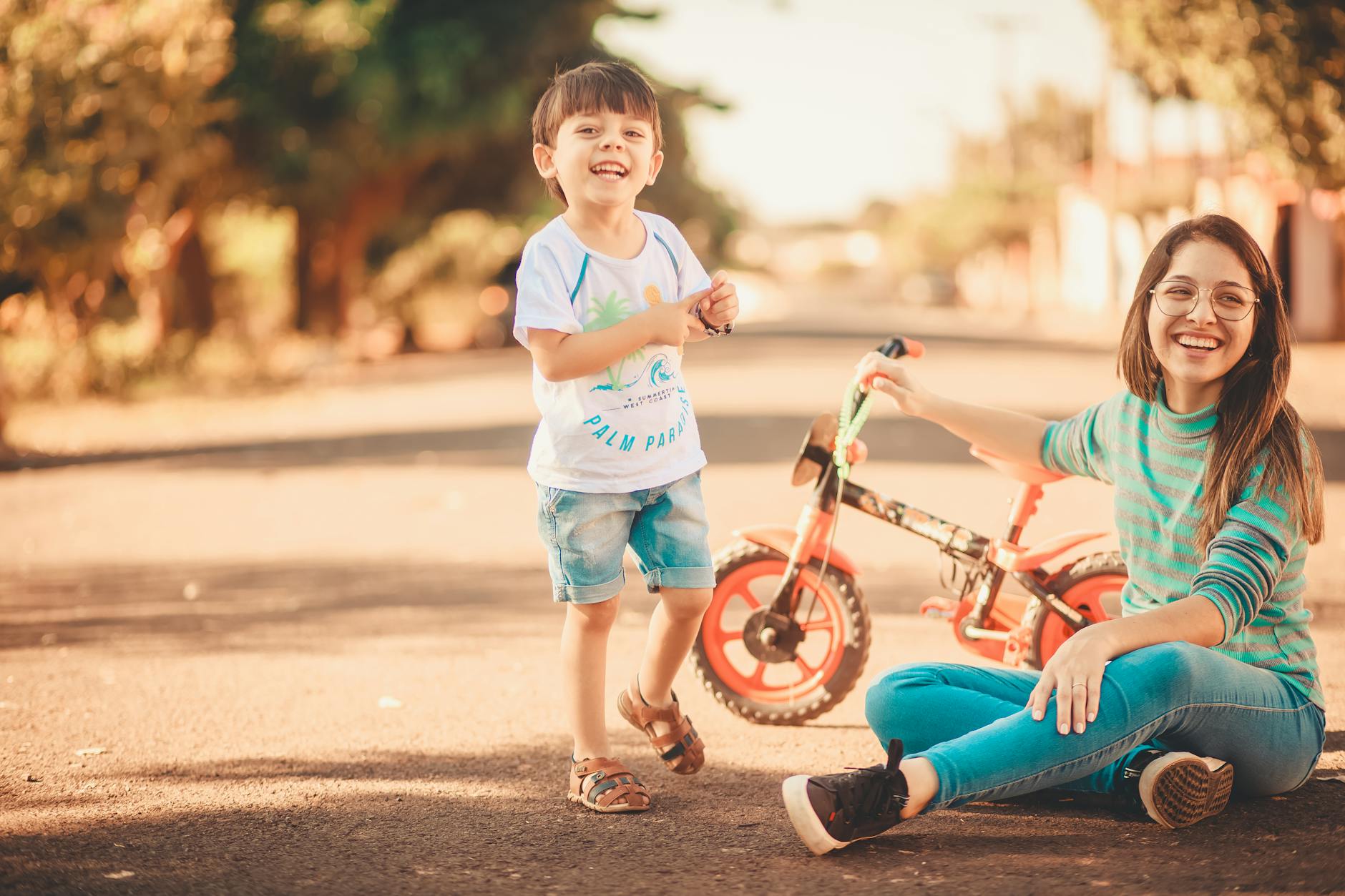
One of the biggest challenges is learning to let go of the reins a bit. If your child is old enough to safely explore the backyard or ride their bike to a friend's house down the street, encourage it. These small acts of independence build confidence and problem-solving skills. It's about trusting them, and in turn, helping them trust themselves. This is a key element in kids cope change scenarios.
Creating Structure Within Freedom
While summer is about freedom, a complete lack of structure can lead to boredom and a sense of aimlessness, which can actually increase anxiety. Think about incorporating some predictable elements. This doesn't mean a rigid schedule, but perhaps a designated "quiet time" for reading, a weekly family game night, or a commitment to a certain number of hours for summer learning activities.
Example: The "Adventure Jar"
A simple yet effective tool I’ve seen work wonders is the "Adventure Jar." Write down various activities – big and small – on slips of paper. This could range from "bake cookies" to "visit the local library" to "build a fort in the living room" to "learn a new card game." When boredom strikes, pull a slip and embark on the chosen adventure. This injects spontaneity while providing a gentle structure.

The Summer Transition for Kids: Embracing the Learning Curve
The summer transition kids experience is fundamentally a learning curve. They are learning about themselves, about their capabilities, and about the world around them in a new context. Our job is to be facilitators, not just supervisors. This is essential for child resilience summer.
Fostering Independence and Self-Reliance
When children are given the opportunity to make choices and solve problems independently, they develop a strong sense of self-efficacy. This is the belief in their own ability to succeed. Whether it's packing their own lunch for a picnic or deciding how to spend their allowance, these seemingly small decisions contribute significantly to their growing independence.
The Role of Play in Building Resilience
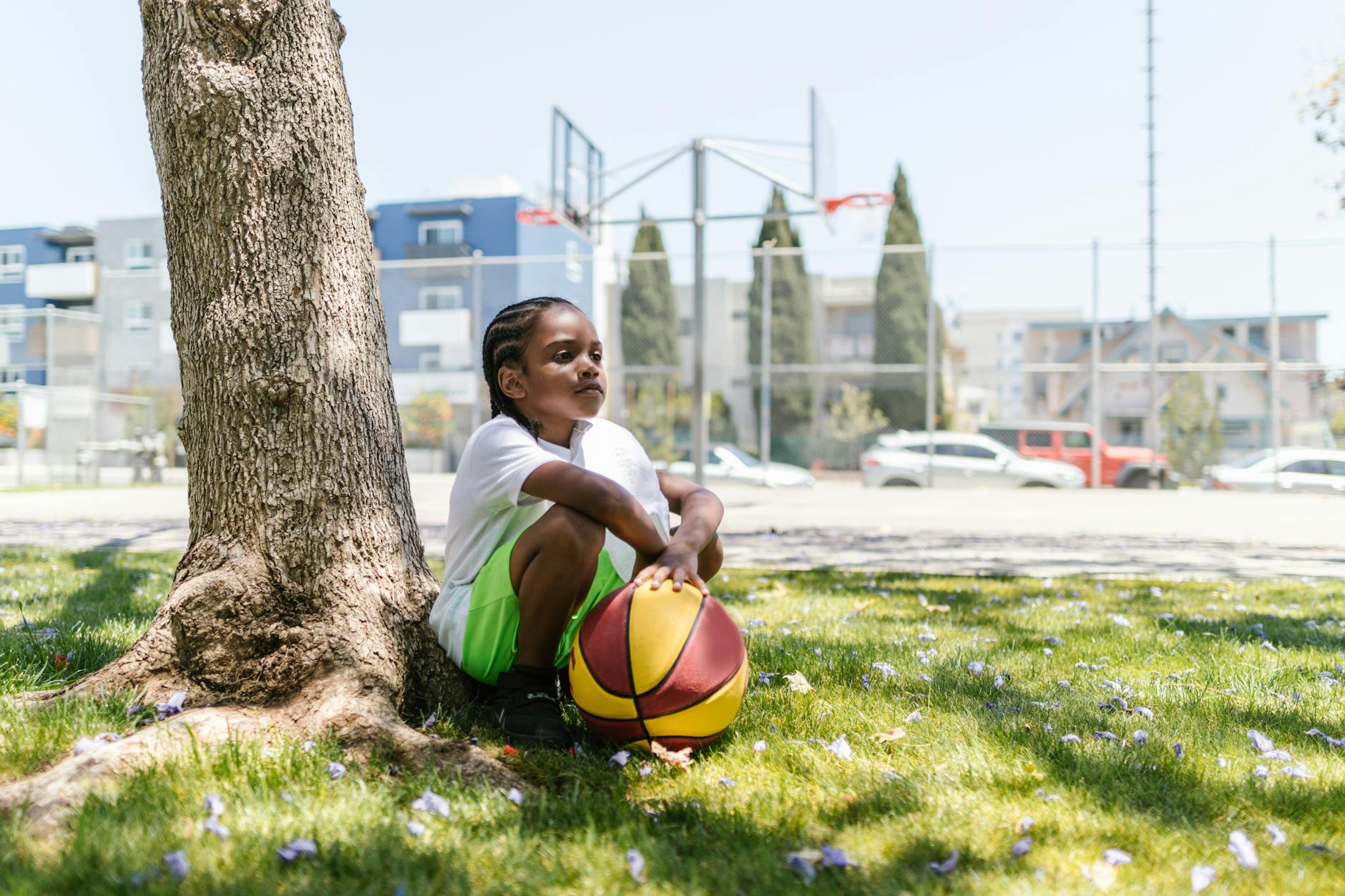
Never underestimate the power of play! Unstructured play is where children experiment, take risks, and learn to navigate social dynamics. It’s where they can be creative, imaginative, and problem-solve without the pressure of adult expectations. This is a crucial component of child resilience summer.
Encouraging Creative Exploration
Provide open-ended materials – art supplies, building blocks, natural items from the backyard. Let them lead the play. Resist the urge to direct or over-organize. Observe, support, and occasionally jump in if invited. This freedom allows for genuine discovery and the development of intrinsic motivation.
Preventing the Post-Summer Blues with Built-in Resilience
One of the most common worries for parents is the dreaded post-summer blues. As the carefree days dwindle and the reality of school looms, children (and parents!) can experience a dip in mood and energy. Building child resilience summer throughout the break is the best antidote.
The Importance of Gradual Re-entry
Instead of a hard stop on summer fun, gradually reintroduce some structure in the week or two leading up to school. This could involve setting earlier bedtimes, incorporating more reading, or even reviewing some academic concepts in a fun, low-pressure way. This helps with the summer break adjustment.
Maintaining Connections
Encourage continued connections with friends made during the school year. Playdates, video calls, or even just exchanging letters can help maintain those social bonds, making the return to school feel less daunting. Strong social connections are a cornerstone of mental well-being, as highlighted by National Alliance on Mental Illness research on child resilience summer.
Reflecting on Summer Successes
Take time to reminisce about the positive experiences of the summer. What did they learn? What were their favorite memories? Focusing on these successes can boost confidence and create a positive narrative as they head back to school. This is a fantastic way to reinforce helping kids adjust to change.
The Long-Term Impact of a Resilient Summer
What we do during these summer months has a ripple effect that extends far beyond September. By focusing on child resilience summer, we are not just helping our children navigate a break; we are equipping them with fundamental life skills. We are teaching them how to adapt, how to bounce back, and how to thrive in the face of change. This is the essence of building emotional strength.
A Foundation for Future Challenges
The ability to cope with change, manage emotions, and problem-solve independently are not just summer skills; they are life skills. Children who develop strong resilience during their formative years are better equipped to handle academic pressures, social challenges, and the inevitable ups and downs of life. Research from institutions like Healthline research on child resilience summer consistently underscores the long-term benefits.
The Joy of Watching Them Grow
Honestly, there’s no greater reward than watching your child navigate a challenge with newfound confidence, or seeing them pick themselves up after a disappointment with a determined glint in their eye. This summer, let's embrace the opportunities for growth, for learning, and for building that incredible, unwavering child resilience summer in our kids. It’s a gift that will keep on giving.