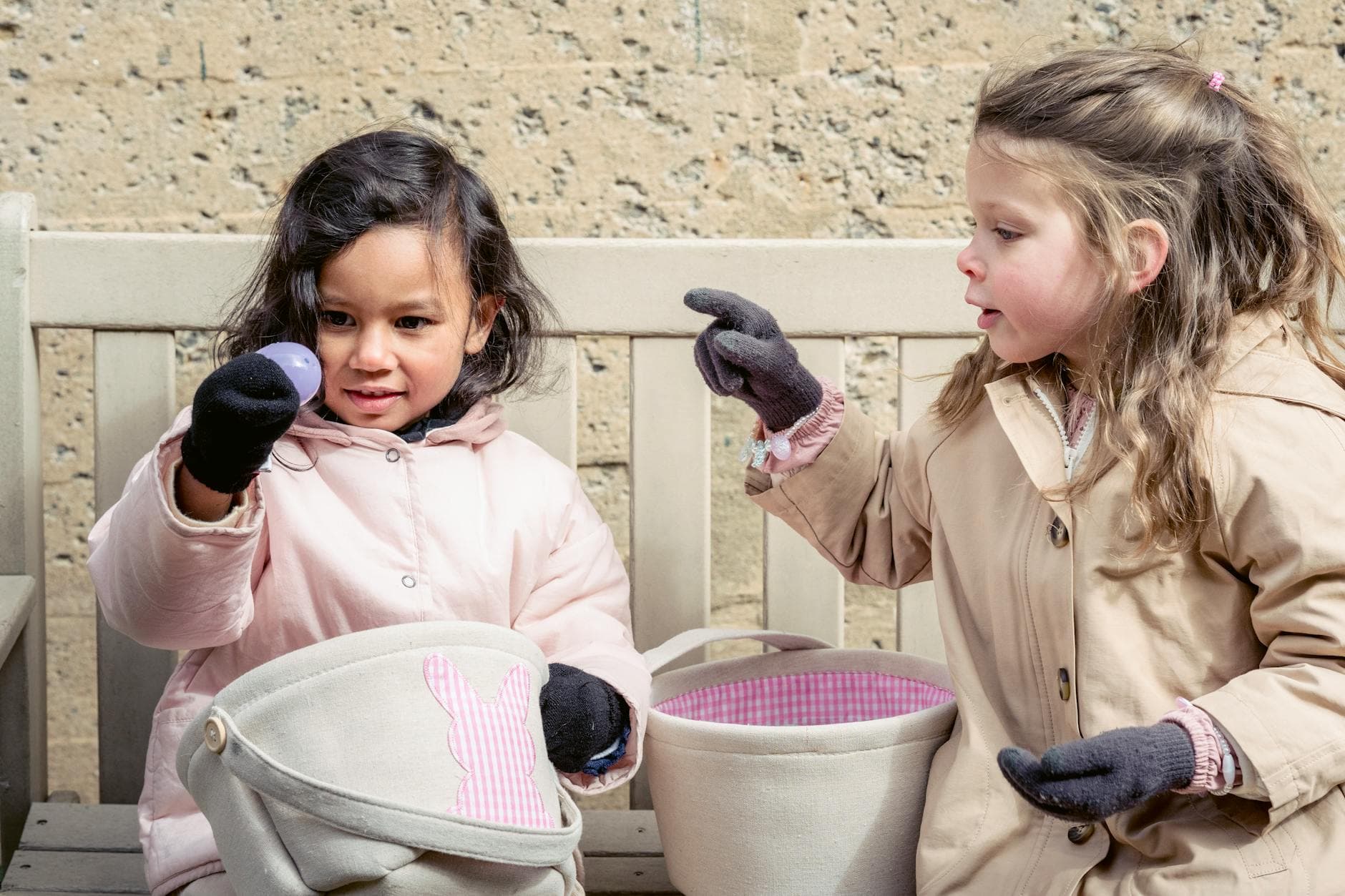
Imagine this: a sun-drenched afternoon, the air alive with the chirping of birds and the distant laughter of children. A small group of preschoolers is exploring a vibrant, natural playground – a tangled wonderland of bushes, climbing logs, and a bubbling stream. But amidst the unbridled joy, a small conflict erupts over a particularly fascinating smooth stone. This is precisely where the magic of preschool boundaries outdoors begins to unfold, not as rigid rules, but as gentle guidance for navigating the wild, wonderful world beyond the classroom walls.
The Great Outdoors: A Boundary-Building Bonanza
It's easy to think of boundaries as something we impose, a set of "don'ts" that stifle freedom. But when we talk about preschool boundaries outdoors, we're actually talking about something far more nuanced and empowering. We're talking about equipping our youngest explorers with the tools they need to understand themselves, others, and the environment around them in a safe and respectful way. This isn't just about preventing scraped knees; it's about fostering a deep well of emotional regulation and social competence.
Why Nature Needs Nurture
The natural world, with its inherent unpredictability and abundance of sensory experiences, is a powerful teacher. It presents opportunities for learning that a controlled indoor environment simply cannot replicate. Think about the sheer volume of sensory input a child receives when digging in the dirt, feeling the rough bark of a tree, or listening to the rustle of leaves. These experiences are foundational to cognitive development, but they also require a growing understanding of personal space and how to interact with living things and the environment.
The Invisible Lines We Draw
When we establish preschool boundaries outdoors, we're not just setting physical limits like "stay within the fence." We're also teaching crucial concepts like personal space, respecting living things, and understanding the consequences of our actions in a tangible way. This is where teaching boundaries preschool style truly shines, transforming abstract ideas into concrete experiences.
Navigating the Wild: Safety First, Fun Always
Outdoor safety preschool is paramount, of course. No one wants to see a child in distress. But safety isn't just about helmets and supervision; it's about teaching children to be aware of their surroundings and to make informed decisions. This is a delicate dance between providing freedom and ensuring security.
Beyond the "No Touching" Rule
I'll be real with you, the instinct to shout "Don't touch that!" can be strong when you see a child reaching for a thorny bush or a wobbly rock. But this is where we can shift our approach. Instead of simply prohibiting, we can explain. "That plant has prickles that can hurt your skin. Let's look at the soft leaves over here." This teaches observation and cause-and-effect, crucial skills for outdoor safety preschool.
The Art of Risk Assessment (Little Kid Edition)
Children naturally test their limits. Climbing a tree, even a small one, involves an inherent risk. Our role isn't to eliminate all risk, but to help them understand it. This means observing, asking questions like "How high do you think you can climb safely?" and intervening only when the risk is genuinely dangerous. This fosters resilience and confidence, key components of kid resilience spring transition.
Boundaries for Bugs and Blooms
Teaching kids personal space outside extends beyond other children. It includes respecting the natural world. Showing them how to gently observe an ant colony without disturbing it, or how to admire a wildflower without picking it, instills a sense of stewardship. This is how child boundaries nature becomes a beautiful, reciprocal relationship.
Preschool Social Skills Outdoors: A Playground for Growth
The playground, the forest floor, the sandy beach – these are the ultimate laboratories for preschool social skills outdoors. Here, children learn to share, negotiate, and understand the perspectives of others in real-time, messy, glorious interactions.
The Sharing Shuffle
You've probably noticed that sharing is a big one, especially when it comes to coveted swings or the single most perfect digging shovel. This is where teaching sharing playground scenarios can be incredibly effective. Instead of forcing a child to hand over a toy, we can facilitate a conversation. "Leo is waiting for a turn on the slide. Can you play with the blue car for a little while, and then Leo can have a turn?" This introduces the concept of turn-taking and can even be a stepping stone to more complex preschool sharing activities.
Empathy in Action: Beyond the Hug
When one child is upset because another accidentally bumped them, it's an opportunity to teach empathy. Instead of just saying "Say sorry," we can guide them to understand the other child's feelings. "Sarah looks sad because she fell down. How do you think she feels?" This is the foundation for teach empathy preschoolers and is amplified in the dynamic outdoor environment.
Respecting Space, One Sidewalk Chalk Line at a Time
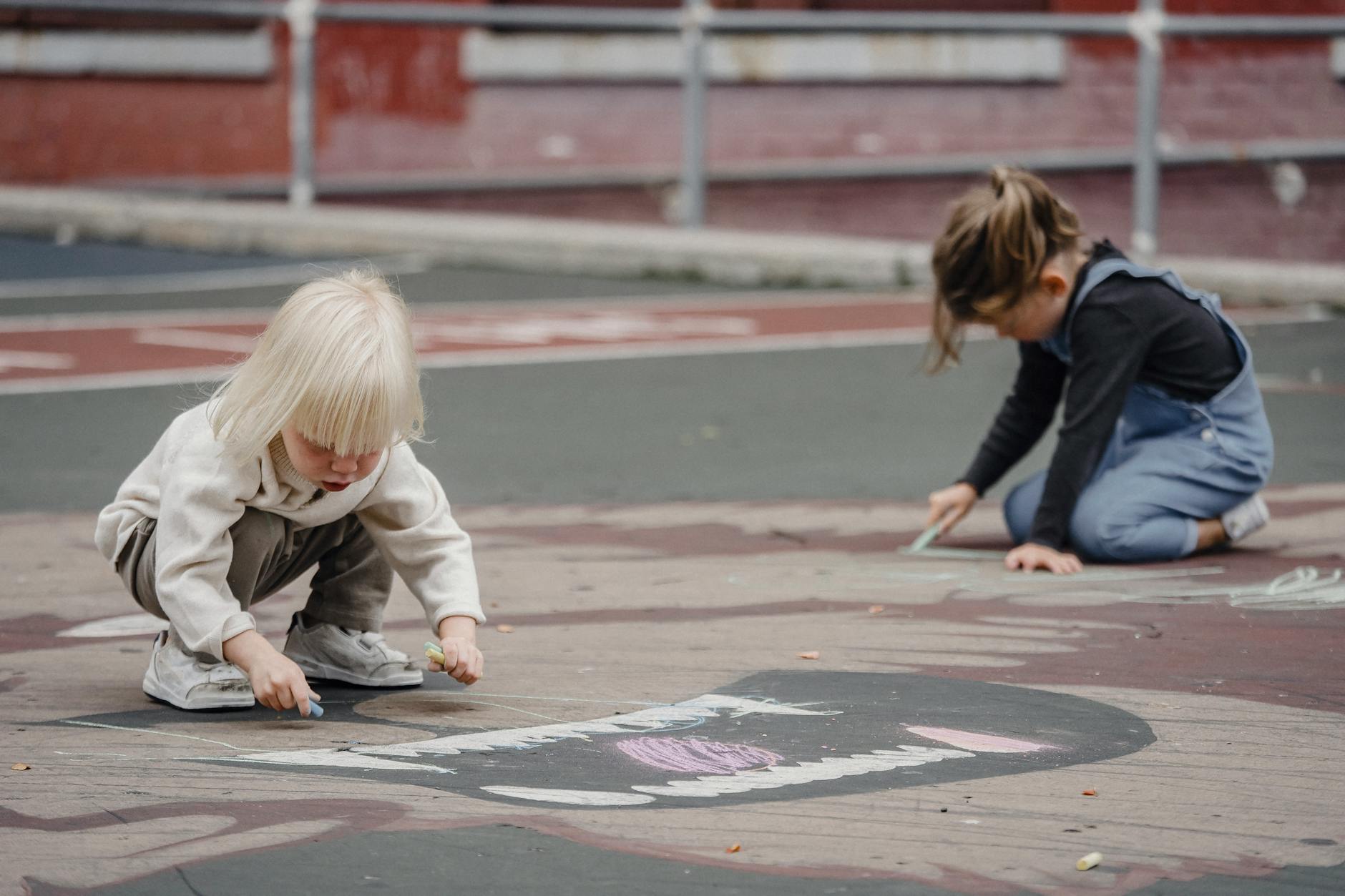
Preschooler respecting space is a skill that develops gradually. Outdoors, this might look like drawing chalk boundaries for a game of hopscotch, or understanding that when another child is building a magnificent sandcastle, it’s not their personal demolition derby. These simple acts teach children to be mindful of others' creations and personal zones.
The Unexpected Power of Nature's Limits
Here's the thing: nature itself is a masterclass in boundaries. A river has banks, a tree has a trunk, and the sun sets every day. These natural limits provide structure and predictability, which paradoxically, can actually enhance a child's sense of freedom and safety.
The Rhythm of the Day
Think about the natural cycles: sunrise, sunset, the changing seasons. These provide an inherent rhythm that helps children understand the flow of time. This predictability is incredibly grounding, especially for young children who are still developing their sense of order. This can be particularly helpful during transitions, a concept explored in kid resilience spring transition.
When the Wind Blows: Emotional Regulation Outdoors
A sudden gust of wind that blows away a carefully constructed tower, or a splash from an unexpected puddle – these are mini-lessons in emotional regulation outdoors. Children learn that not everything goes according to plan, and that it's okay to feel frustrated. Our role is to help them process those feelings, perhaps by saying, "That was surprising, wasn't it? Let's see if we can build it even stronger this time." This is where insights from screen time limits for kids regarding managing frustration can be applied to outdoor play.
The "No-Go" Zones and Why They Matter
Establishing clear "no-go" zones outdoors – perhaps a busy road nearby or a patch of poison ivy – is crucial for safety. But these limits also teach children about personal safety and the importance of listening to guidance. It’s about building trust and understanding that these boundaries are in place for their well-being.
Parenting Outdoors: Setting Limits Toddlers Park and Beyond
When we step outside with our toddlers, the principles of setting limits toddlers park discussions become even more relevant. The open space can feel liberating, but it also presents new challenges and opportunities for teaching. This is where parenting outdoors boundaries requires a blend of vigilance and trust.
The "Magic Circle" of Personal Space
When you're at the park, you can help your child understand personal space by using the "magic circle" concept. Encourage them to imagine a bubble around themselves. When another child gets too close, you can gently say, "It looks like Leo is in your magic circle. Would you like to tell him you need a little more space?" This empowers them to communicate their needs effectively.
From "Mine!" to "We Can Share This Spot."
The park is a shared space. Teaching children that everyone deserves a turn on the slide or a chance to dig in the sandbox is a fundamental lesson. This is where understanding preschool sharing activities can be directly applied to real-world park scenarios. It’s about fostering a sense of community and fairness.
The Power of a Calm "Stop"
In the heat of the moment, when a child is about to run into a potentially unsafe situation, a calm, firm "Stop" is essential. This isn't about yelling; it's about clear, direct communication. Following up with an explanation – "We don't run in that direction because there's a big hole there" – reinforces the boundary and the reason behind it.
The Lasting Impact: Building Confident Explorers
Teaching preschool boundaries outdoors is not about restriction; it's about liberation. It's about giving children the confidence to explore the world with a sense of safety, respect, and self-awareness. When children understand their own boundaries and respect the boundaries of others and their environment, they are better equipped to navigate all aspects of life.
A Foundation for Future Success
The skills learned through establishing preschool boundaries outdoors – impulse control, empathy, problem-solving, and self-regulation – are not just for childhood. They are the building blocks for healthy relationships, academic success, and overall well-being. The Gottman Institute research on preschool boundaries outdoors highlights the long-term benefits of these early social-emotional lessons.
The Joy of Unfettered, Yet Guided, Exploration
Ultimately, fostering a healthy relationship with the outdoors, guided by clear and loving boundaries, allows children to experience the profound joy of unfettered exploration. It's about letting them climb, dig, splash, and discover, all while knowing they are safe and respected. This is the true magic of preschool boundaries outdoors – creating confident, capable, and compassionate young adventurers ready to embrace the world.