
Beyond the Summer Slump: Engaging Summer Learning Activities for Kids
There's a common misconception that summer is a break from learning. You might hear parents talk about kids needing to "switch off" their brains for a few months, and honestly, I get the sentiment. We all need rest. But the idea that learning itself needs to be switched off? That's where we get into trouble. The reality is, while rest is crucial, a complete hiatus from mental engagement can lead to what educators call the "summer slide" or summer learning loss. This isn't just about forgetting a few math facts; it's a measurable decline in academic skills over the summer break. The good news is, preventing this slide is entirely achievable with thoughtful, fun summer learning activities. This isn't about turning summer into a second school year; it's about weaving learning into the fabric of everyday summer experiences.
Understanding the Summer Slide
The summer slide is a very real phenomenon, and the data bears this out. Studies, like those referenced by the American Psychological Association research on summer learning activities, consistently show that students, particularly those from lower socioeconomic backgrounds, can lose significant ground academically during the summer months. Imagine a runner taking a few months off from training; they wouldn't be at peak performance when they returned. The same applies to a child's developing brain. Without regular stimulation and practice, skills can atrophy.
The Silent Drain on Knowledge
It's not just about reading and math, though those are certainly impacted. Critical thinking skills, problem-solving abilities, and even vocabulary can stagnate or regress if not actively used.
Why It Matters for Long-Term Success
This loss isn't a minor inconvenience. Over years of schooling, the cumulative effect of summer learning loss can create a significant gap between students, impacting their overall academic trajectory and future opportunities.
Making Learning an Adventure: Creative Summer Learning Ideas
The key to successful child summer learning is to make it feel less like work and more like exploration. Summer offers a unique opportunity to step outside the traditional classroom and engage with learning in dynamic, hands-on ways. Think about the vastness of the summer season: longer days, warmer weather, and a generally more relaxed pace. These elements are perfect for fostering curiosity and a love for discovery.
The Great Outdoors as a Classroom
Nature itself is an incredible teacher. A simple walk in the park can become a lesson in botany, entomology, or even meteorology. Encourage your child to observe the plants, identify insects, and notice the clouds. This kind of informal learning is incredibly powerful.
Kitchen Science Experiments
The kitchen is a fantastic laboratory. Baking, for instance, involves measuring, fractions, and understanding chemical reactions. Simple experiments like making Oobleck (cornstarch and water) teach about states of matter, and observing how yeast makes bread rise is a lesson in biology.
Building and Tinkering
Whether it's with LEGOs, cardboard boxes, or even mud, building projects are excellent for developing spatial reasoning, engineering skills, and problem-solving. If a tower falls, the child learns valuable lessons about structural integrity and redesign.
Preventing Summer Slide with Engaging Activities
The goal of summer learning activities is to keep young minds active and engaged without feeling like a chore. This is about fostering a continuous learning mindset. You've probably noticed that when kids are genuinely interested in something, they dive in headfirst, spending hours engrossed. That's the energy we want to tap into for summer learning.
The Power of Play-Based Learning
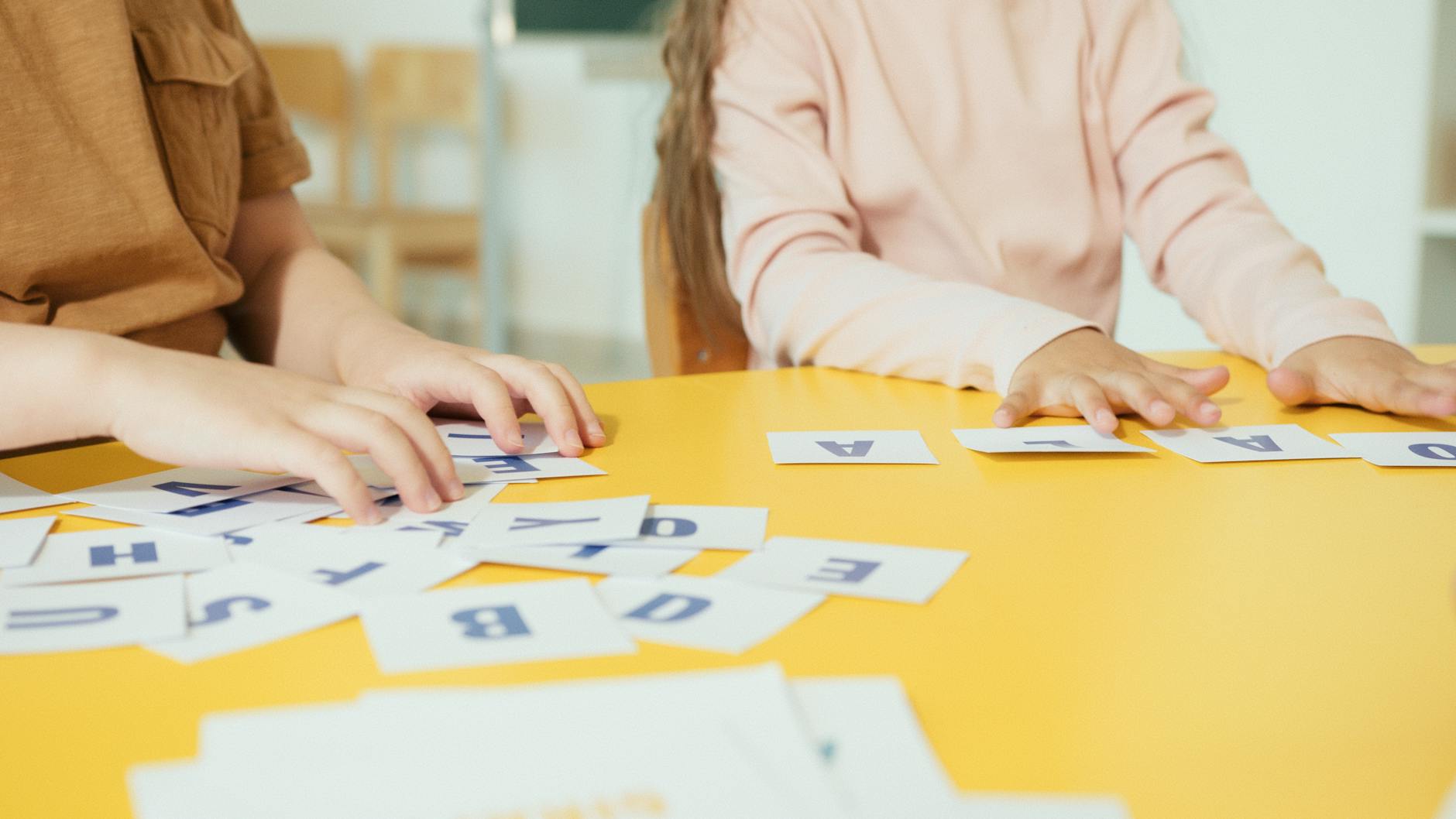
Children learn best through play. Instead of rigid worksheets, think about how to integrate learning into games. Board games, for example, can reinforce math skills, strategy, and turn-taking. Cooperative games also teach valuable social skills and teamwork.
Creative Expression as a Learning Tool
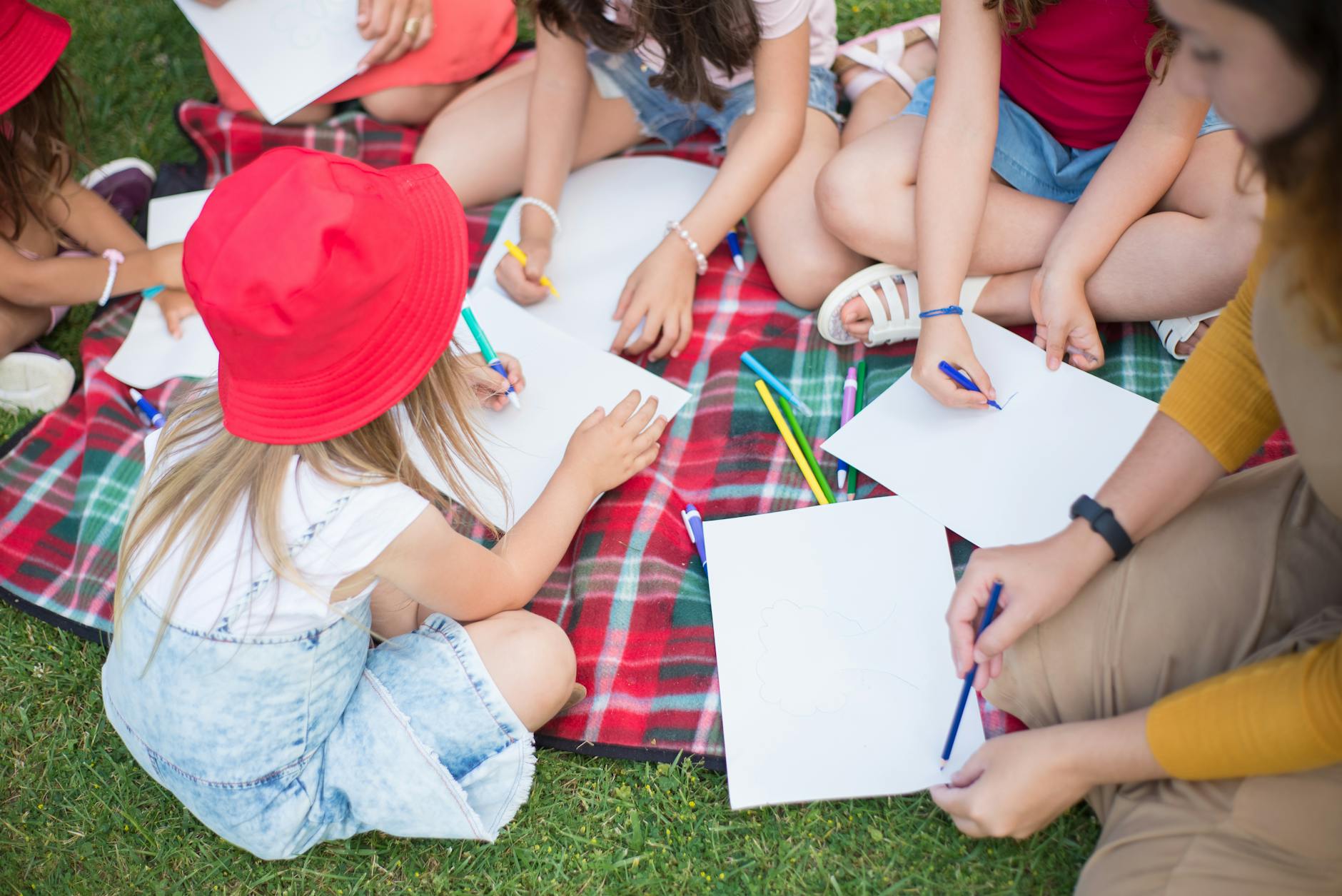
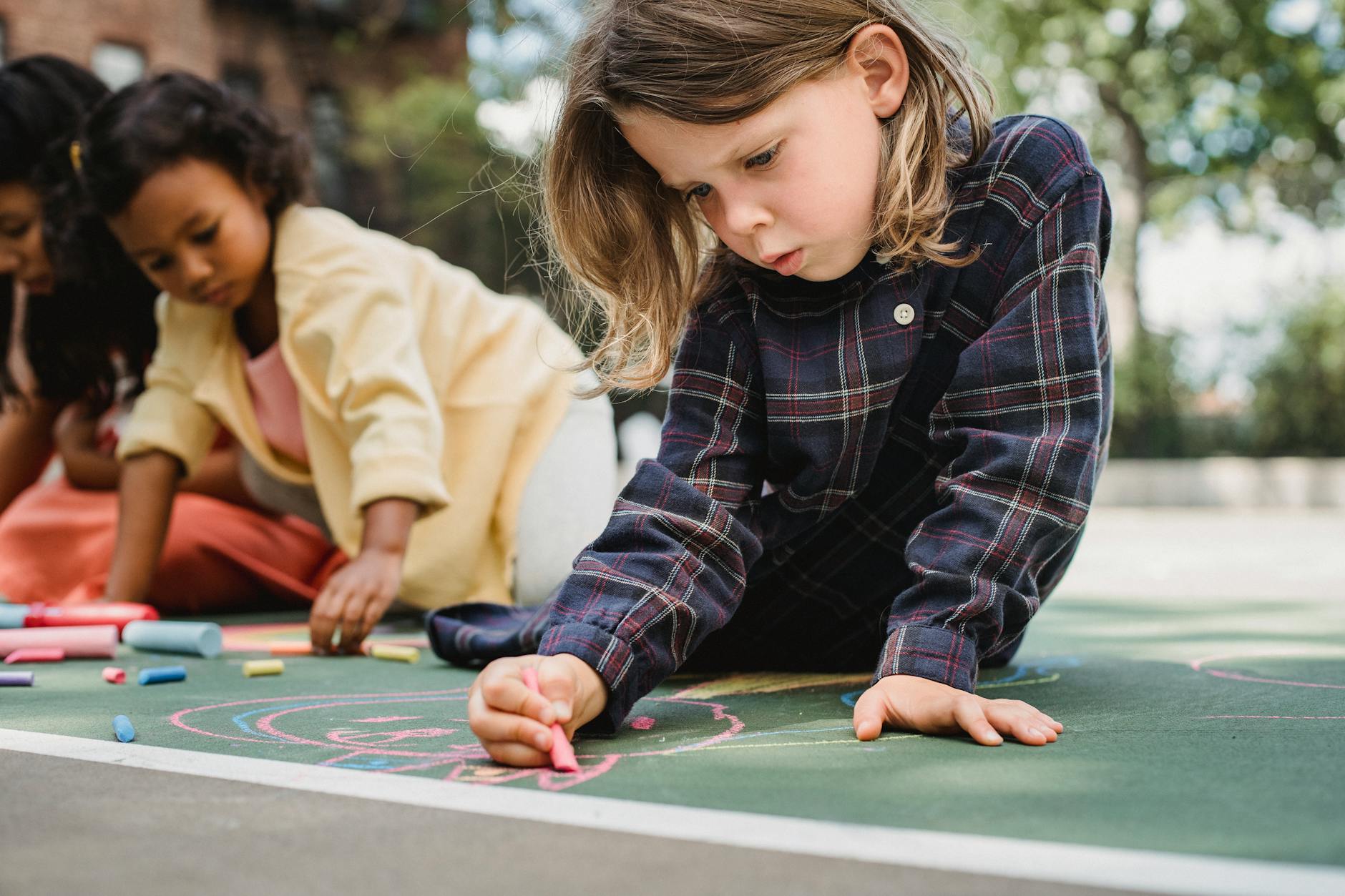
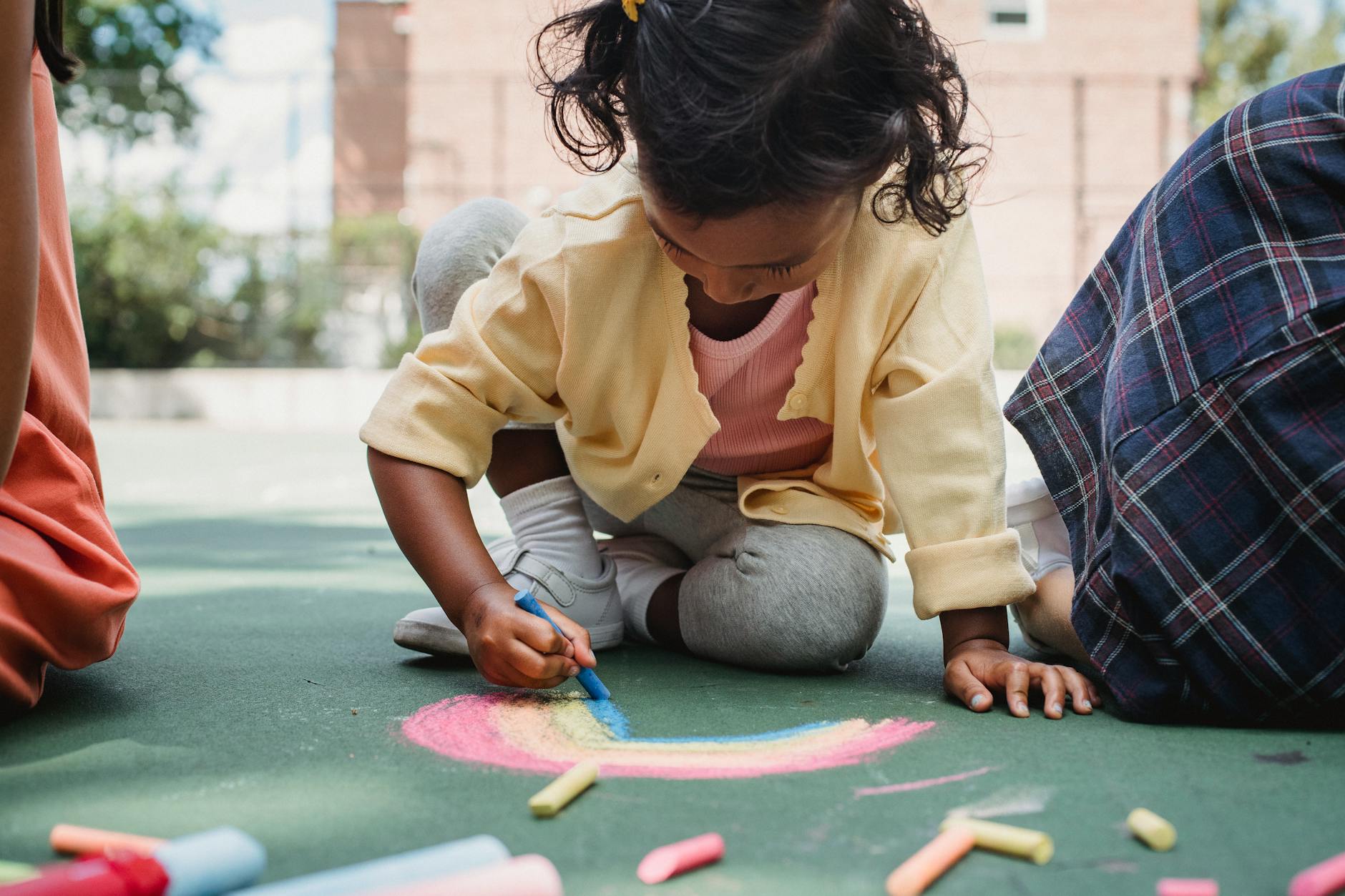
Art, music, and drama are not just hobbies; they are powerful vehicles for learning. Encouraging children to draw what they see, write stories, or act out historical events helps them process information and express their understanding in unique ways. Projects like Preschool Spring Crafts: Fun & Creative Projects for Kids can be adapted for any season, sparking creativity and fine motor skill development.
Exploring Local Resources
Your local community is brimming with learning opportunities. Libraries often host summer reading programs, museums offer engaging exhibits, and science centers provide interactive experiences. These outings can be incredibly enriching and provide a change of scenery from learning at home summer.
Summer Learning Programs: When to Consider Them
Sometimes, structured summer learning programs can be a fantastic supplement to home-based activities. These programs, whether academic, artistic, or athletic, offer a different environment and specialized instruction. They can be particularly beneficial for children who might struggle with self-directed learning or who could benefit from targeted academic support.
Academic Enrichment Camps
These programs focus on reinforcing core subjects like math and reading, often using innovative methods to keep students engaged. They can be a great way to prevent summer slide in a focused way.
Specialty Camps
From coding camps to nature exploration, these programs allow children to dive deep into specific interests. This kind of immersion can foster a lifelong passion and develop advanced skills.
The Benefits of Social Interaction
Beyond the curriculum, summer programs offer invaluable social interaction. Children meet new peers, learn to collaborate, and develop independence away from home. This is crucial for social-emotional development.
Summer Reading Programs: A Timeless Classic
I'll be real with you, summer reading programs are one of the most effective and accessible ways to combat summer learning loss. The ability to read proficiently is foundational to all other learning. When kids read for pleasure, they are simultaneously expanding their vocabulary, improving comprehension, and developing critical thinking skills. It’s a win-win-win.
Making Reading Fun, Not a Task
The key here is choice. Let your child pick books that genuinely interest them, whether it's graphic novels, adventure stories, or non-fiction about dinosaurs. The goal is enjoyment, not just completion.
Beyond the Bookshelf
Reading doesn't have to be confined to books. Magazines, comics, websites, even the instructions for a new game can be valuable reading material. Encourage reading signs as you travel or recipes as you cook together.
The Library as a Hub
Your local library is your best friend during the summer. Many offer fantastic incentives and events as part of their summer reading programs, making reading an exciting challenge.
Keeping Kids Learning All Summer Long: Practical Tips
The truth is, keeping kids learning summer doesn't require a massive budget or a complete overhaul of your schedule. It’s about small, consistent efforts and a shift in perspective. Think of it as embedding learning into your family's rhythm.
Establish a Routine (Loosely!)
While summer is about relaxation, a little structure can go a long way. Having a general idea of when certain activities might happen – perhaps a dedicated reading time or a "maker hour" – can provide a sense of predictability without feeling rigid.
Embrace Curiosity
When your child asks "why?" about something, instead of just giving an answer, try turning it back to them: "That's a great question! How could we find out?" This fosters independent research skills and critical thinking. This one surprised me with how quickly kids can take ownership of their learning when given the chance.
Connect Learning to Real Life
Use everyday situations as teaching moments. Planning a family trip? Involve your child in researching destinations, budgeting for expenses, or mapping out the route. Cooking a meal? Discuss measurements and fractions. These practical applications make learning relevant and memorable. You might even find yourself teaching Teach Empathy Preschoolers: Fun Spring Activities by discussing characters' feelings in stories or role-playing scenarios.
Limit Screen Time Strategically
While screens can offer educational content, excessive passive consumption can be detrimental. Setting clear Screen Time Limits for Kids: Spring Guide and ensuring screen time is balanced with active, hands-on learning is crucial. Think about how much time is spent scrolling versus building, creating, or exploring.
Summer Enrichment: More Than Just Academics
Summer enrichment encompasses more than just academic subjects. It's about nurturing the whole child – their social skills, emotional intelligence, creativity, and physical well-being. Think about the skills needed for life beyond school, like resilience, communication, and adaptability. Summer is a prime time to cultivate these.
Developing Social-Emotional Skills
Activities that encourage collaboration, negotiation, and empathy are vital. This could be through team sports, group projects, or even simply playing with siblings and friends. Learning to navigate disagreements respectfully is a critical skill, much like learning to share in Preschool Sharing Activities: Fun Spring Play Ideas.
Fostering Independence and Resilience
Allowing children to tackle age-appropriate challenges, make their own decisions, and learn from mistakes builds confidence and resilience. This is where Toddler Self Care: Spring Outdoor Fun & Independence comes into play, teaching young children foundational skills for managing themselves and their environment.
Encouraging Physical Activity
Summer is the perfect time for kids to be active. Whether it's swimming, biking, hiking, or simply playing tag, physical activity is essential for both physical and mental health. It also contributes to better focus and learning when they do engage in academic pursuits. According to Healthline research on summer learning activities, physical activity is strongly linked to cognitive function and overall well-being.
The Long Game of Summer Learning
Ultimately, the most effective summer learning activities are those that spark joy and curiosity. When children are engaged and having fun, learning becomes an intrinsic desire, not an obligation. It’s about building a foundation of lifelong learning, one engaging experience at a time. Remember, this isn't about cramming information; it's about nurturing a curious mind that's ready to explore the world. The experiences you create this summer will echo far beyond the fall.