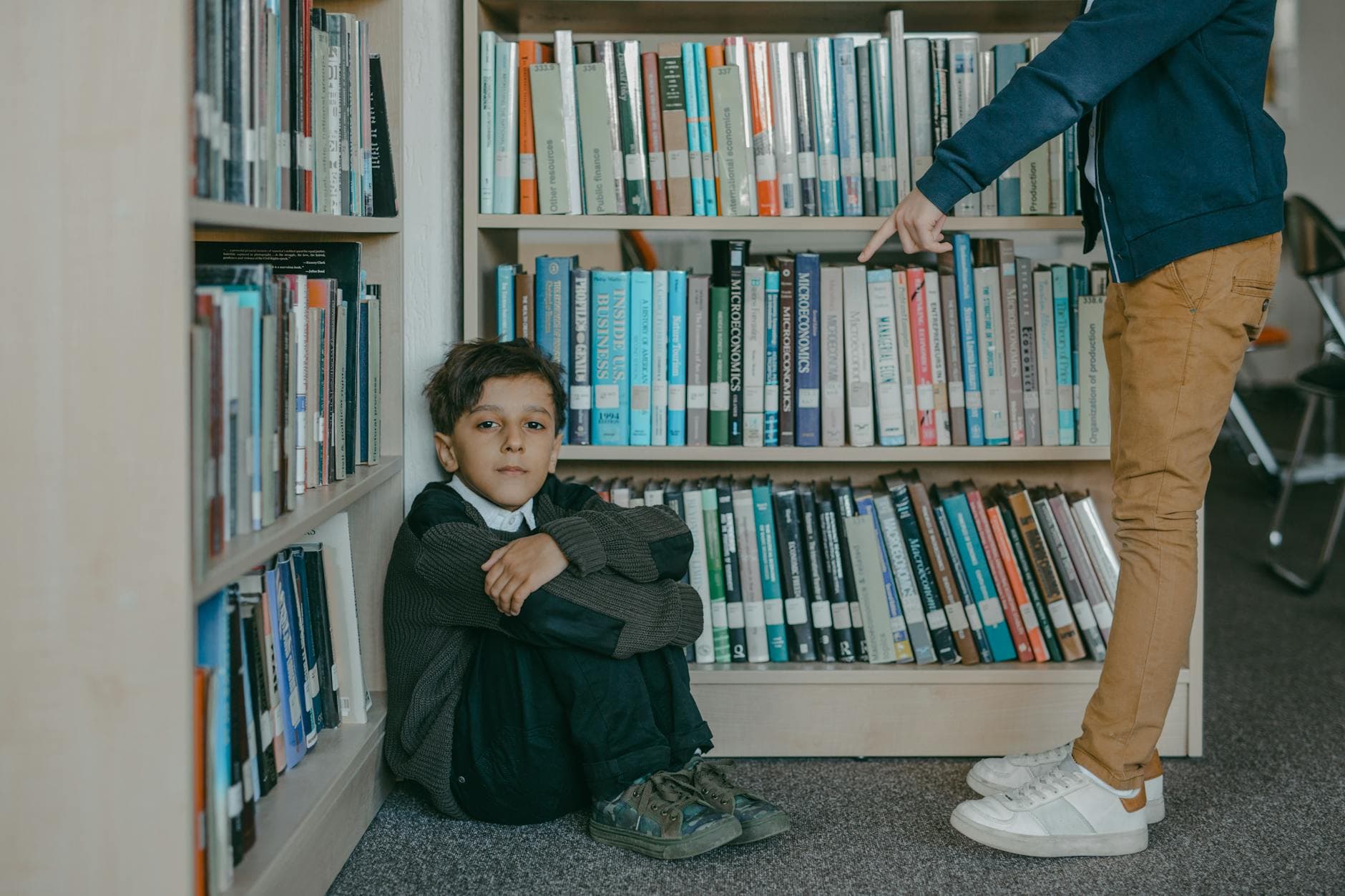
My Winter Break Wake-Up Call
Honestly, I used to think the winter break was just a time for kids to unwind, play video games, and maybe, *maybe*, pick up a book. I focused on academics during the school year and figured the break was a necessary breather. I was completely wrong. My own experience with my kids, and the hundreds of families I've worked with, has shown me that the winter break is actually a critical period for a **child social emotional development break**. It's a time when the routines of school disappear, and children are thrust into a new set of circumstances. These shifts can be wonderful, but they also create opportunities for challenges to arise.
This is especially true when it comes to managing emotions and developing those crucial social skills. It's not just about avoiding boredom; it's about actively fostering emotional resilience and providing opportunities for growth.
Understanding the Winter Break's Emotional Impact
The Rollercoaster of Holiday Stress
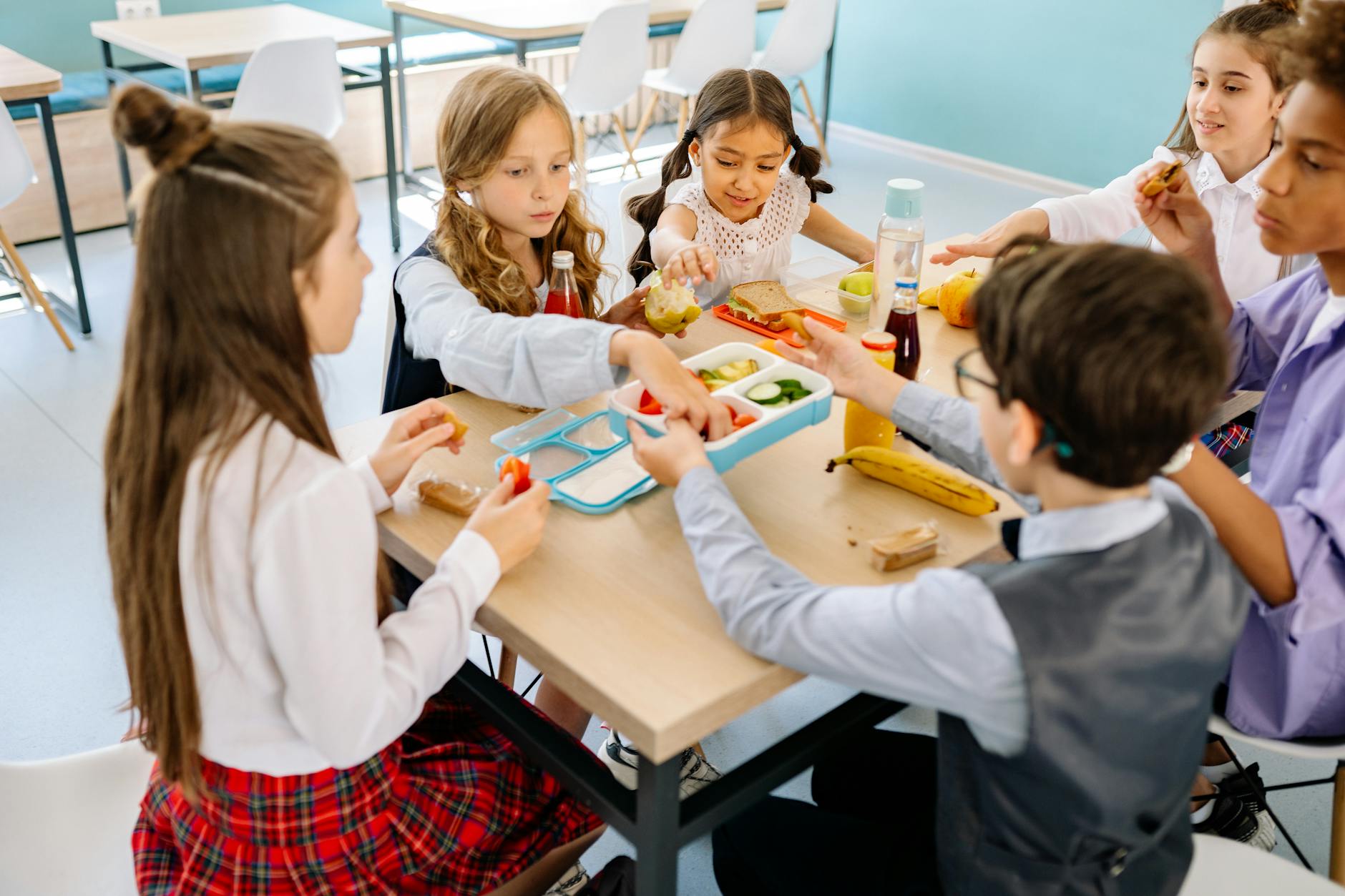
You've probably noticed it: the holiday season, while filled with joy, can be a major stressor for kids. There's the excitement, yes, but also the potential for overstimulation, changes in routine, and even family conflict. This combination can lead to a surge in anxiety, frustration, and even sadness. The pressure to be "happy" all the time can be exhausting for children. We need to acknowledge these feelings and validate them.
Consider the impact of disrupted sleep schedules, the constant sugar rush, and the added social demands of holiday gatherings. It’s a lot to handle for anyone, especially children who are still learning to regulate their emotions. This is where a focus on National Institutes of Health research on child social emotional development break becomes crucial.
Recognizing the Signs of Emotional Distress
It's vital to be vigilant for signs of distress. Look for changes in behavior, such as increased irritability, withdrawal, sleep disturbances, or a sudden loss of interest in activities they usually enjoy. Physical symptoms, like headaches or stomachaches, can also be indicators of underlying emotional struggles. If a child begins to frequently complain of these ailments, it's time to dig deeper.
The Power of Routine (Even During the Break)
While the winter break means a break from the usual school routine, it doesn't mean a free-for-all. Maintaining a degree of structure is vital. Predictable mealtimes, consistent bedtimes, and designated times for play and relaxation can provide a sense of security and stability. Even small things, like reading a book together every night, can make a huge difference.
Supporting Child Emotions During the Winter Break
Creating a Safe Space for Feelings
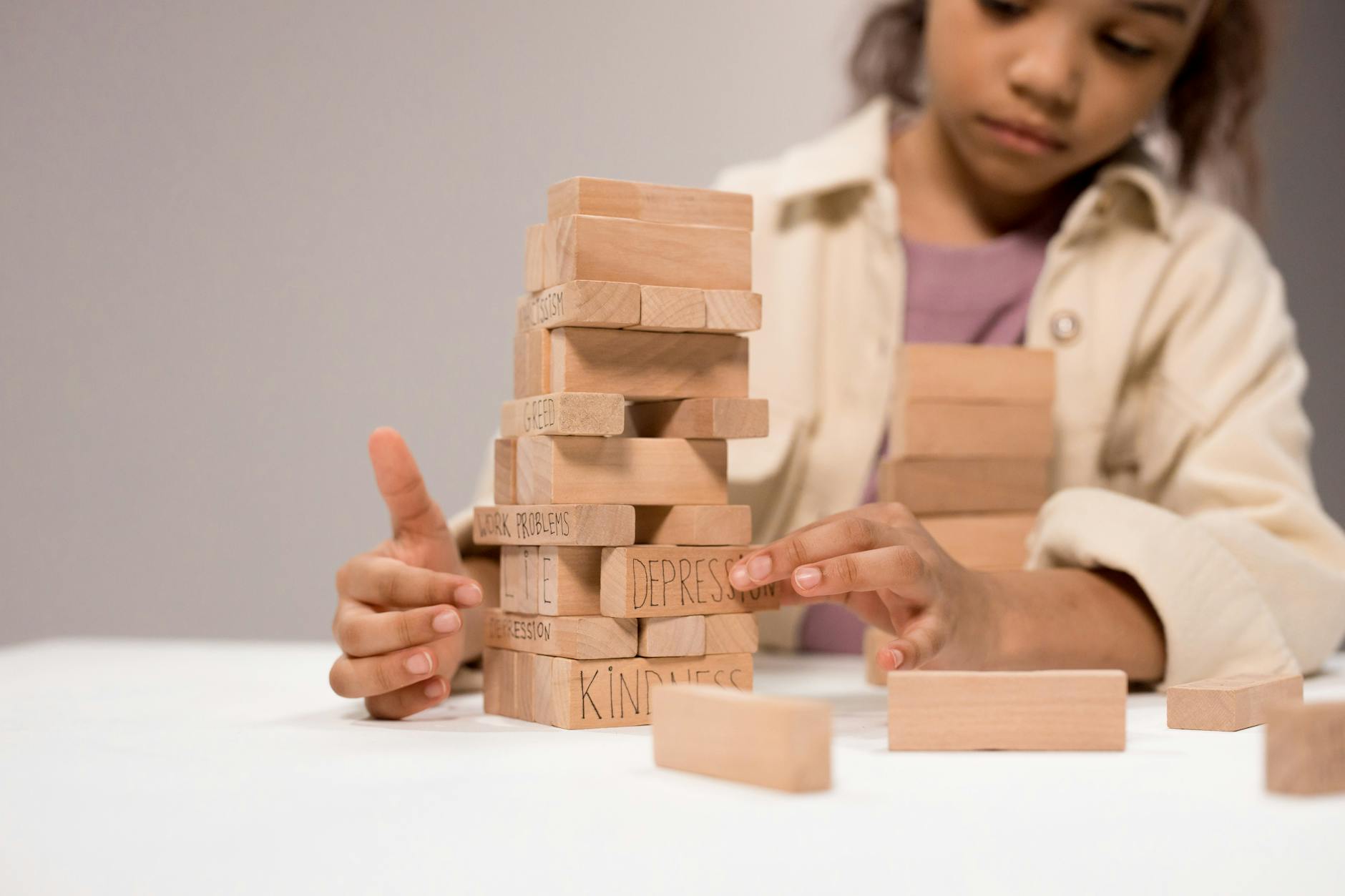
One of the most important things you can do is create a safe space where your child feels comfortable expressing their emotions. This means actively listening, validating their feelings, and avoiding judgment. Instead of saying, "Don't be sad," try, "It's okay to feel sad." Help them identify and name their emotions.
Teaching Emotional Regulation Techniques
Equip your child with practical strategies for managing their emotions. Deep breathing exercises, mindfulness activities, and even simple physical activities like jumping jacks can be incredibly helpful. Model these behaviors yourself – show them how *you* cope with stress. This is part of The Gottman Institute research on child social emotional development break.
Family Bonding Time: Quality Over Quantity
The winter break is a perfect opportunity for family bonding. But it’s not about doing a million things; it’s about doing a few things well. Plan some quality time together, such as cooking a meal, playing a board game, or going for a walk. These shared experiences create lasting memories and strengthen family connections.

Winter Break Social Skills Activities
Playing Games That Encourage Cooperation
Board games, card games, and even video games that emphasize teamwork can be excellent ways to practice social skills. These activities teach children how to take turns, follow rules, and handle both winning and losing gracefully. Look for games that require cooperation rather than competition.
Encouraging Communication and Empathy
Engage your child in conversations about their feelings and the feelings of others. Ask open-ended questions like, "How do you think your friend felt when…?" or "What could we do to help?" Encourage them to consider different perspectives. This is an essential component of **child social emotional development break**.
Role-Playing Social Scenarios
Role-playing can be a fun and effective way to practice social skills. Create scenarios like "What to do when you feel left out" or "How to handle a disagreement with a friend." This allows children to rehearse social interactions in a safe and supportive environment.
Here's the Truth About Winter Break and Child Social Emotional Development
What nobody tells you is that the winter break can be a time of significant regression if you're not proactive. The lack of structure and the increased exposure to stressors can undo some of the progress a child has made during the school year. That's why it's so important to approach the break with intention.
It's not about being perfect; it's about being present and responsive to your child's needs. It's about recognizing that this is a valuable window of opportunity to nurture their emotional intelligence and social skills.
Fostering Child Resilience During the Break
Building a Growth Mindset
Encourage a growth mindset by praising effort and perseverance rather than focusing solely on outcomes. Help your child understand that challenges are opportunities for learning and growth. Remind them that mistakes are okay and that they can always try again.
Encouraging Problem-Solving Skills
When your child faces a challenge, resist the urge to jump in and solve it for them. Instead, guide them through the problem-solving process. Ask questions like, "What do you think you could do?" or "What are some possible solutions?" This empowers them to find their own answers.
Celebrating Strengths and Interests
The winter break is an ideal time to nurture your child's strengths and interests. Provide opportunities for them to explore their passions, whether it's art, music, sports, or something else entirely. This helps build self-esteem and a sense of accomplishment.
Winter Break Family Activities for Children
Creating a Family Tradition
Establish a special winter break tradition that the whole family can look forward to. This could be anything from a movie night to volunteering at a local charity. Traditions create a sense of belonging and provide a framework for the holidays.
Exploring the Local Community
Take advantage of the break to explore your local community. Visit museums, parks, or other attractions. This provides new experiences and opportunities for learning and discovery.
Unplugging and Connecting
Make a conscious effort to disconnect from screens and connect with each other. Schedule screen-free time each day. Plan activities that involve face-to-face interaction, like reading aloud, playing games, or simply talking. The entire focus should be **child social emotional development break**.
Child Social Emotional Development Break: Putting It All Together
The **child social emotional development break** is not just about fun and games; it's a critical period for nurturing your child's emotional well-being and social skills. By understanding the potential challenges, implementing proactive strategies, and creating opportunities for growth, you can help your child navigate the break with resilience and emerge stronger than ever. Remember, the goal isn't perfection; it's progress.
Think about the last time you saw your child struggling with their emotions. What specific strategies could you implement this winter break to support them? What small changes can you make to foster a more positive and enriching experience for your whole family? You might be wondering how you can make a change. You can start by checking out Psychology Today research on child social emotional development break.