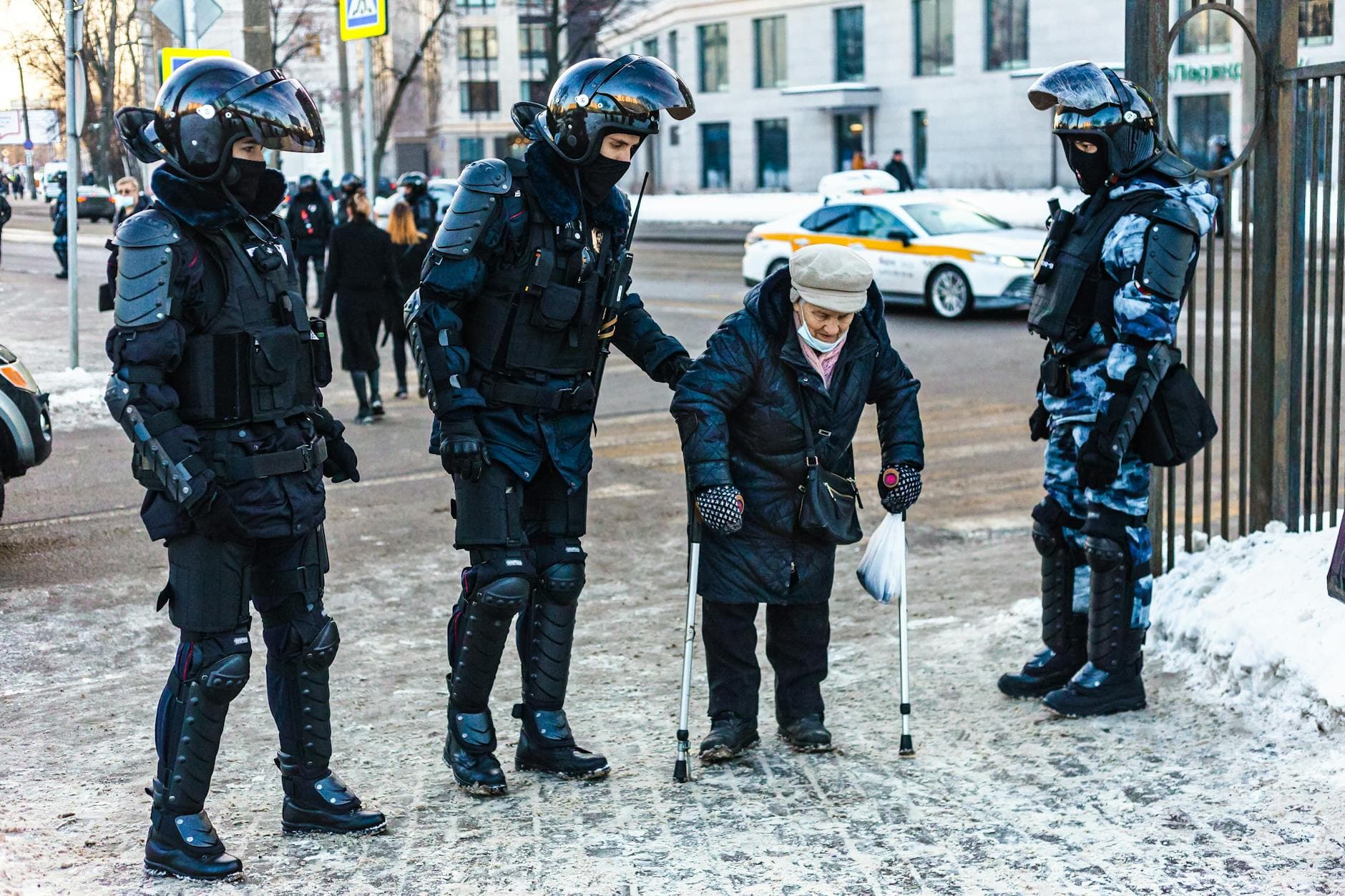
I remember one blustery December afternoon, years ago, when my eldest son, then about seven, burst through the door, cheeks red from the cold, a look of pure frustration on his face. He’d just tried to build an elaborate snow fort with his friends, only for it to collapse. "It's not fair, Dad!" he declared, tears welling up. "Everything's just hard and cold!" In that moment, I saw a reflection of so many parents' struggles during the colder months – the cabin fever, the heightened emotions, the sheer energy kids have that needs an outlet. But I also saw an opportunity. It was a chance to shift his focus, and ours as a family, from internal frustrations to external kindness, opening the door to the profound impact of American Psychological Association research on children's empathy winter service.
That winter, we started small, almost accidentally, by helping an elderly neighbor shovel her driveway. The transformation in my son, from self-pity to proud accomplishment and a genuine smile, was immediate and striking. It taught me a powerful lesson about the magic that happens when we intentionally cultivate children's empathy through winter service. This isn't just about keeping kids busy; it's about nurturing the very core of who they are becoming.
The Heart of Winter: Why Empathy Matters Most
Winter can be a challenging season for many reasons. Shorter days, colder temperatures, and the general slowdown can sometimes lead to increased isolation or a focus on personal wants, especially for children. Yet, it's precisely this time of year that often highlights the needs within our communities most starkly. Think about those who struggle with heating costs, access to warm meals, or even just a friendly face.
Understanding the Empathy Gap
Sometimes, we assume empathy is an inherent trait, something kids either have or don't. Honestly, that's a misconception I used to hold myself. The truth is, empathy is a skill, a muscle that needs regular exercise to grow strong. It requires conscious effort to teach and model. Without it, children can struggle to understand perspectives beyond their own, leading to difficulties in relationships and a narrower view of the world around them.
The Unique Opportunities of the Cold Season
The colder months, with their holidays and emphasis on giving, present a unique, almost built-in framework for child social emotional development break: tips for winter. The very challenges of winter – the cold, the snow, the longer nights – can serve as tangible touchpoints for discussions about what others might be experiencing. It’s easier to talk about someone needing a warm coat when you yourself are bundling up against the chill.
Connecting to Social-Emotional Learning
When children engage in thoughtful service, they're not just performing tasks; they're actively developing crucial social-emotional skills. They learn self-awareness by understanding their own feelings about helping, self-management by seeing a project through, and social awareness by recognizing the needs of others. Relationship skills are honed through teamwork, and responsible decision-making becomes a natural outcome of choosing to contribute positively. This is the foundation for raising compassionate kids, a goal I know many of you share.
More Than Just Chores: What "Winter Service" Really Means
Here's the thing: "service" can sound like a grand, overwhelming commitment. For kids, it needs to be tangible, meaningful, and most importantly, connected to a clear outcome they can understand. It's not about making them do something; it's about inviting them into a shared experience of kindness.
Defining Meaningful Service for Kids
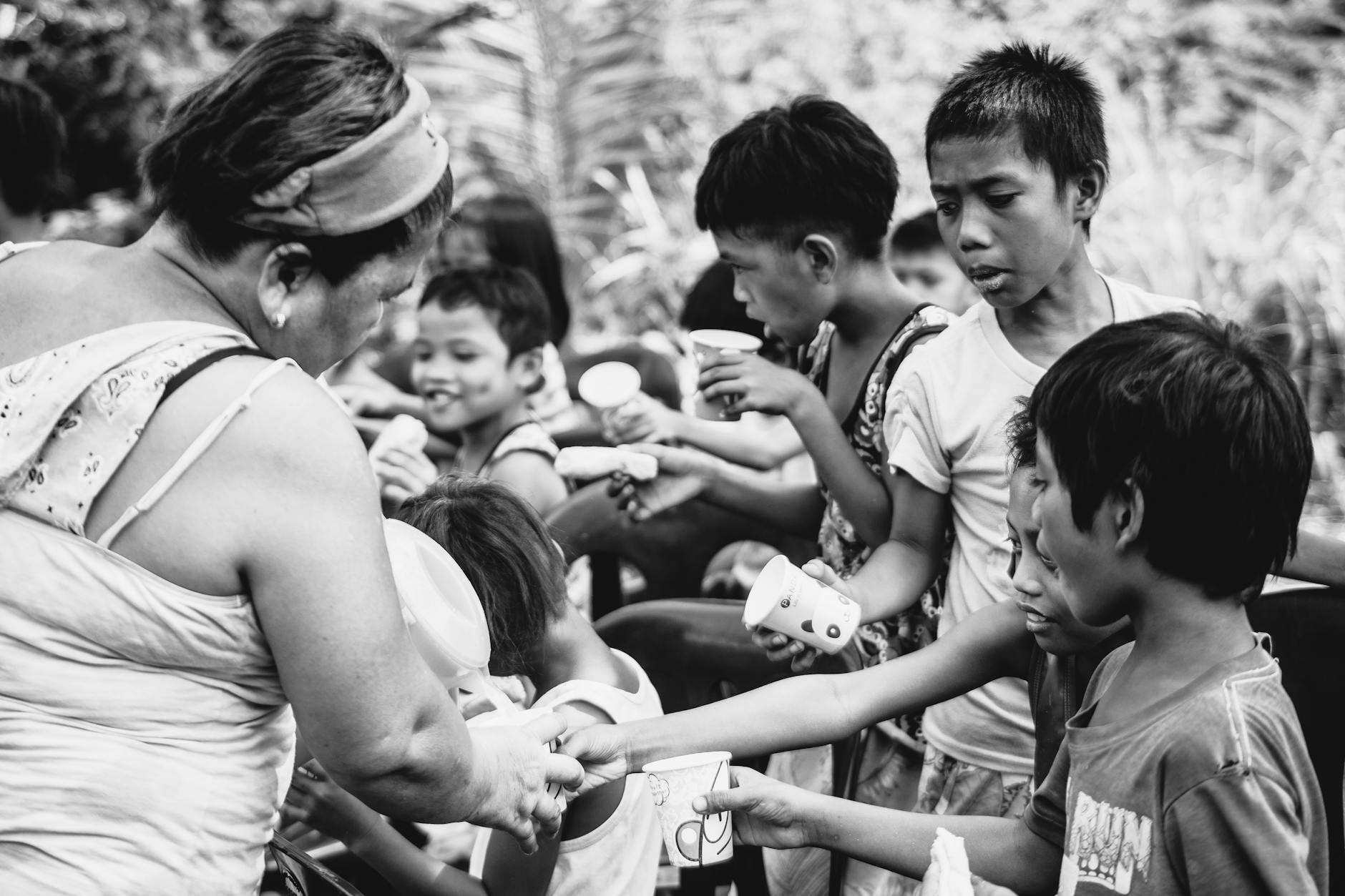
Meaningful service for children isn't just about raking leaves or shoveling snow (though those are great starts!). It’s about activities where they can see the direct impact of their efforts. When a child helps collect canned goods, and then delivers them to a food bank, they witness the journey from their effort to someone else's benefit. That connection is vital for Psychology Today research on children's empathy winter service.
Age-Appropriate Engagement
You might be wondering, "But how do I get my toddler to understand empathy through service?" Look, it's not about complex projects for little ones. For younger children, it might be as simple as helping you pick out an extra toy to donate or drawing a picture for a lonely senior. Older children can take on more responsibility, perhaps organizing a collection drive or preparing simple meals for a shelter. The key is to match the activity to their developmental stage, making it feel empowering, not burdensome. This is how we begin teaching empathy to children in a way that truly sticks.
From Observation to Action
Kids are incredibly observant. They watch what we do, far more than they listen to what we say. If they see us regularly demonstrating kindness and a willingness to help, they'll naturally be more inclined to participate. Start by simply pointing out needs you see in the community – "Look, that person doesn't have a warm coat," or "I wonder if our neighbors need help with their groceries." Then, transition to, "How do you think we could help?" This shifts them from passive observation to active problem-solving, which is a powerful step in how to build empathy in kids.

Practical Steps: How to Kickstart Your Family's Giving
Getting started with winter community service for kids doesn't require a massive overhaul of your schedule. It’s about integrating small, consistent acts of kindness into your family's routine. Think of it as building a habit, one thoughtful action at a time.
Brainstorming Ideas Together
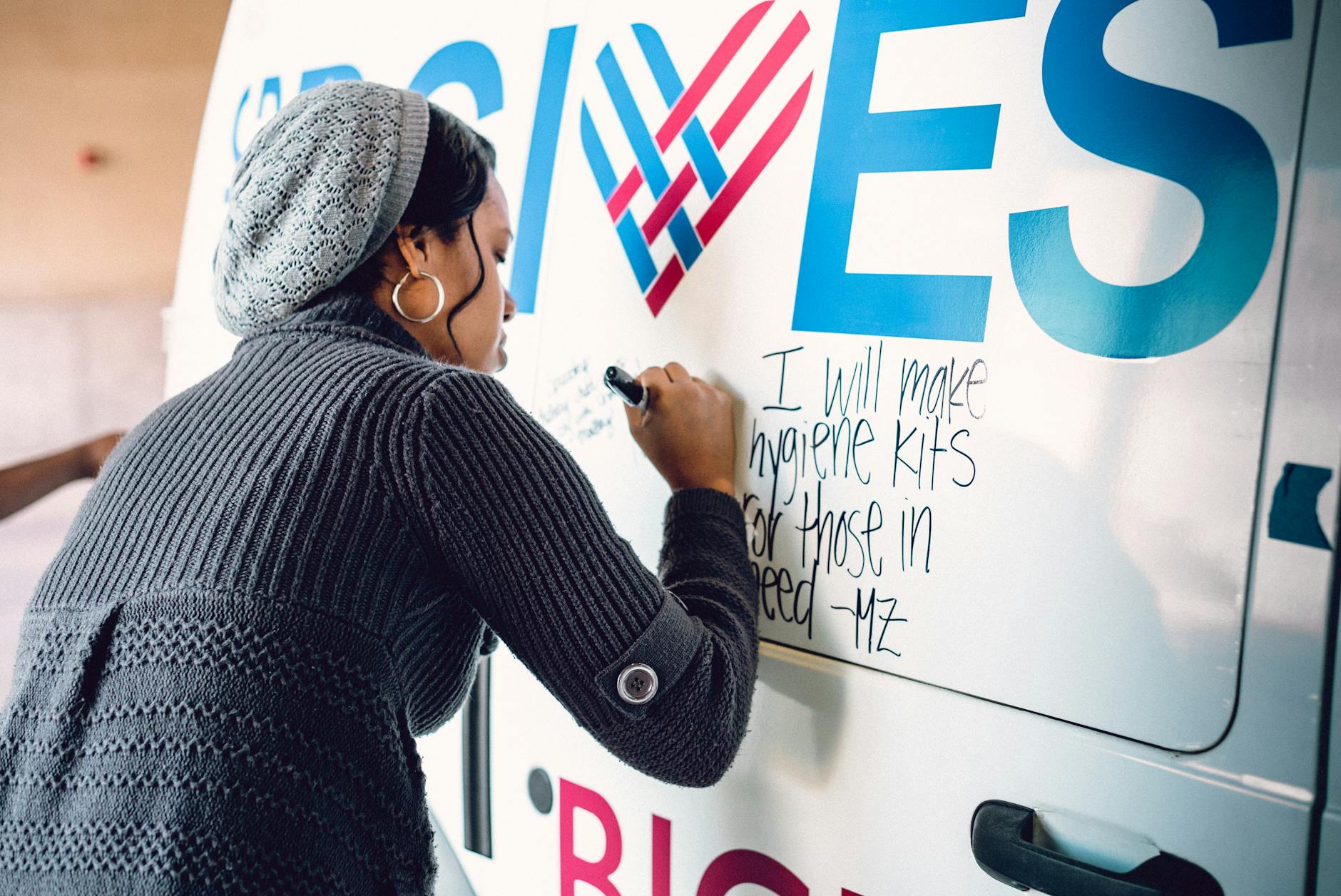
This one surprised me initially, but involving your children in the brainstorming process is critical. When they have a say, they have ownership. Gather everyone and ask: "Who do you think might need help in our community during winter?" or "What are some ways we could make someone's day a little brighter?" Their ideas might be incredibly creative and insightful. From collecting warm socks for a homeless shelter to making cards for hospital patients, the possibilities are vast. This collaborative approach is fantastic for raising compassionate kids.
Finding Local Opportunities
Many local organizations are desperate for help during the winter months. Food banks, animal shelters, senior centers, and even local libraries often have specific needs. A quick online search for "winter volunteering family" or calling your local community center can yield a wealth of opportunities. You could even coordinate with a school or faith-based group. For example, our family once helped organize a coat drive for our local community center, and we collected 23 gently used winter coats and 15 pairs of snow boots in just two weeks – the kids were so proud seeing the pile grow!
Making it a Family Tradition
Setting Realistic Goals
Don't overcommit. Start with one manageable activity. Perhaps one Saturday afternoon a month, or a specific project during kids winter break boredom: beat it with these fun ideas! The goal is consistency and positive association, not burnout. If it feels like a chore, it loses its power to build empathy.
Reflecting on Experiences
After each service activity, take time to talk about it. Ask your children: "How did that make you feel?" "What did you notice about the people we helped?" "What did you learn?" This reflective practice helps solidify the connection between their actions and the positive impact, truly embedding the lessons of children's empathy winter service. This is where the real learning happens, moving beyond simply doing to deeply understanding.
Navigating the Nuances: Common Pitfalls and How to Avoid Them
Even with the best intentions, building empathy through service isn't always a straight line. There will be moments of resistance, questions, and maybe even a bit of grumbling. That's perfectly normal. The key is to anticipate these challenges and respond with patience and understanding.
Addressing Reluctance and Resistance
You've probably noticed that kids aren't always thrilled about doing something that takes them away from their screens or playtime. When faced with "Do I have to?", try to reframe the activity. Instead of "We have to help," try "Let's see the difference we can make together!" Focus on the adventure, the teamwork, or the specific positive outcome. Sometimes, just changing the language can make all the difference. Remember, the benefits of volunteering kids are vast, but they need to experience them to understand.
Avoiding "Charity Tourism"
This is an important one, and I'll be real with you: it's easy to fall into the trap of making service about us feeling good, rather than genuinely helping others. Ensure that your service activities are truly beneficial to the recipients, not just a photo opportunity or a fleeting experience. Research the organizations you partner with. Ask them what they genuinely need, rather than just assuming. This respectful approach teaches children about dignity and true compassion, not just superficial giving.
Managing Expectations (Yours and Theirs)
Your child might not have a profound emotional breakthrough every time you volunteer. And that's okay. Some days, it might just be a small act of kindness. The cumulative effect over time is what matters. Don't expect them to instantly become Mother Teresa; celebrate the small steps. This long-term view is essential for child development empathy.
The Ripple Effect: Long-Term Benefits for Your Child and Community
Engaging in children's empathy winter service isn't just about that immediate good deed; it's an investment in your child's future and the health of your community. The seeds you plant now will blossom in unexpected ways for years to come.
Building Resilience and Gratitude
When children witness hardship or contribute to alleviating it, they often develop a stronger sense of resilience. They learn that challenges can be overcome and that their actions have power. This also fosters a profound sense of gratitude for their own circumstances. They begin to appreciate what they have, rather than focusing on what they lack, a crucial aspect of positive mental health.
Fostering Stronger Family Bonds
Working together towards a common, altruistic goal is an incredible way to strengthen family bonds. It creates shared memories, fosters teamwork, and provides opportunities for deep conversations you might not have otherwise. These are the moments that truly define a family, far beyond the everyday routines. This kind of shared experience during a February school break parenting: tips for a smooth month can be incredibly beneficial.
Creating Future Community Leaders
Children who grow up with a strong foundation in service and empathy are far more likely to become engaged, responsible citizens and leaders in their communities. They learn that they can make a difference, that their voice matters, and that collective action can bring about positive change. This isn't just about being "nice"; it's about equipping them with the tools to shape a better world, a finding supported by National Institutes of Health research on children's empathy winter service.
Beyond the Season: Making Compassion a Year-Round Habit
While winter offers unique opportunities, the goal isn't just a seasonal burst of kindness. We want to embed these principles into our children's daily lives, making compassion a core value that extends throughout the year.
Integrating Kindness into Daily Life
Look for everyday kindness activities children can do. Holding a door for someone, offering a genuine compliment, helping a sibling with a chore without being asked – these are all micro-acts of service that build the same empathy muscle. Point them out when they happen, and celebrate them just as you would a big volunteering effort. These small, consistent efforts are what truly build empathy activities for children into a lifestyle.
Modeling Empathetic Behavior
Remember, you are your child's first and most influential teacher. How do you respond when you see someone struggling? Do you complain about inconveniences, or do you look for ways to help? Your reactions, your words, and your actions are constantly shaping their understanding of the world and their role within it. Show them what it means to truly care.
Continuously Exploring New Ways to Give
As your children grow, their capacity for understanding and action will expand. Keep the conversation going. "What else could we do?" "Is there a new way we haven't thought of to help?" This ongoing exploration keeps the spirit of service alive and dynamic, ensuring that children's empathy winter service isn't just a phase, but a lifelong commitment to making a positive impact.
Ultimately, fostering empathy in our children through winter service is one of the most powerful gifts we can give them. It’s a gift that not only enriches their lives but also ripples out to touch countless others. It’s about more than just shoveling snow or donating a toy; it’s about shaping hearts, building character, and raising a generation that understands the profound joy and responsibility of truly caring for one another. That, my friends, is a legacy worth building.