
Here's a surprising truth about your child's upcoming winter break: the dreaded "I'm bored!" cry isn't always a problem to be solved. In fact, it's often an invitation. We parents, myself included, tend to jump straight to finding a distraction, a new activity, anything to banish that feeling. But what if the very thing we're trying to escape—kids winter break boredom—is actually a powerful catalyst for growth, creativity, and self-discovery? I've seen it time and again in my work with families, and honestly, it challenges everything we're taught about keeping kids entertained.
Think about it: in our hyper-scheduled, always-on world, genuine stretches of unstructured time are rare. Winter break, with its long days, chilly weather, and often a lull after the initial holiday excitement, presents a unique opportunity. It’s a chance for our children to slow down, to look inward, and to figure things out for themselves. My goal here is to help you reframe your perspective on kids winter break boredom, offering practical strategies and a dose of encouragement to navigate these weeks not just with survival in mind, but with genuine connection and joy.
The Unexpected Gift of Boredom During Winter Break
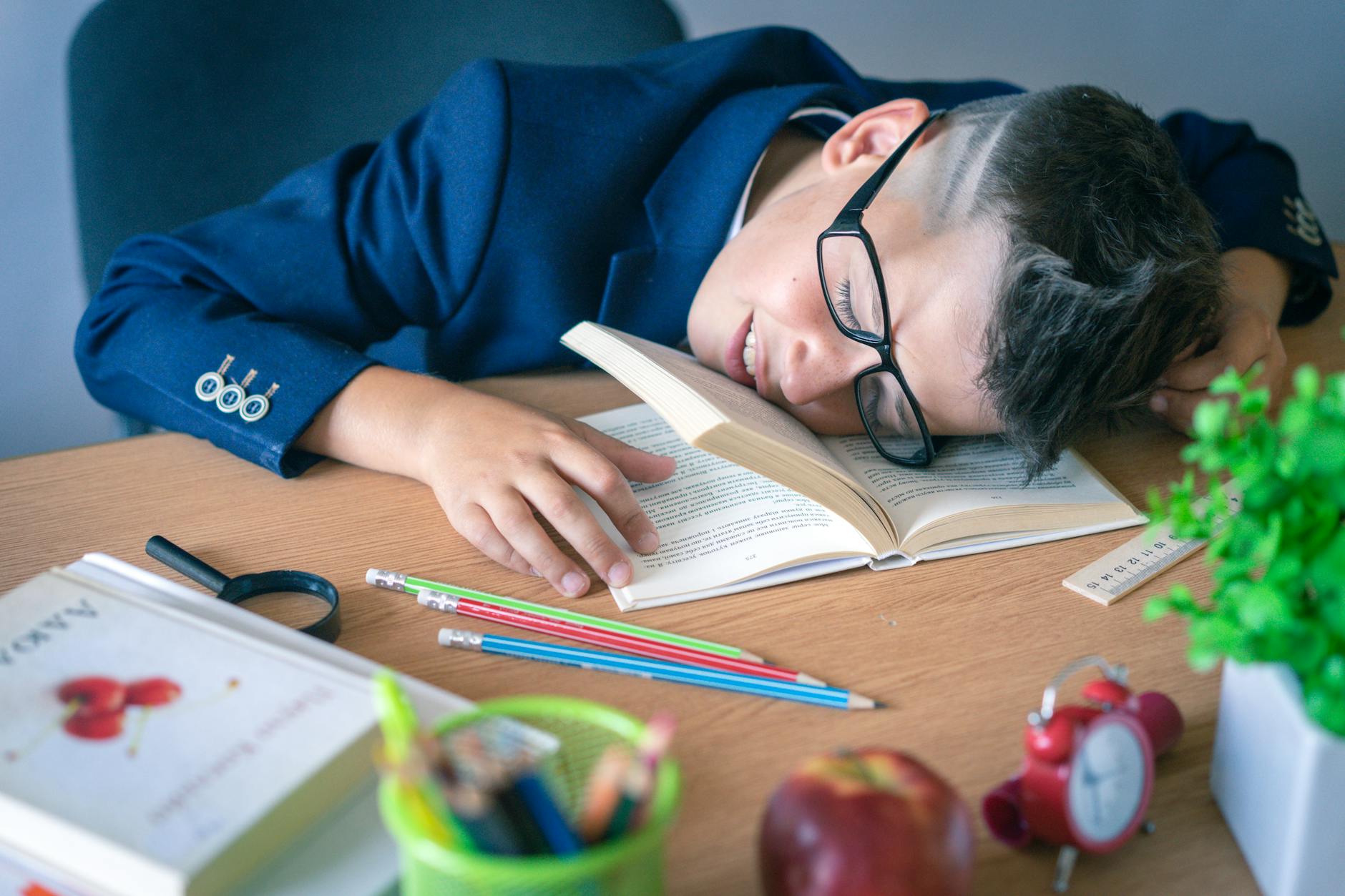
I know what you're thinking: "Gift? Are you serious, David?" I am. We've been conditioned to view boredom as a negative state, a sign of failure on our part as parents to provide enough stimulation. But that's a narrow, and I'd argue, unhelpful viewpoint. The absence of external stimuli forces the brain to create its own.
Why We Fear the "I'm Bored" Cry So Much
Let's be real, the phrase "I'm bored" can feel like a direct challenge to our parenting skills. It often comes with a whiny tone, a slump of the shoulders, and the immediate implication that we, the adults, need to fix it. We worry about screen time escalating, about sibling squabbles, or simply about our own peace and quiet being disrupted. This fear drives us to over-schedule, over-plan, and ultimately, to rob our children of valuable internal processing time. You might feel guilty if your child isn't constantly engaged, but here's the thing: that guilt isn't helping anyone.
The Science Behind Creative Sparks
Neuroscience actually backs me up on this. When children are bored, their minds are free to wander. This state activates what's called the "default mode network" in the brain, which is crucial for imagination, problem-solving, and self-reflection. It's where original ideas are born. I used to think my kids needed constant input, but then I watched my youngest, after complaining of boredom for an hour, build an elaborate fort out of cushions and blankets, complete with a pulley system for snacks. That wasn't something I planned; it emerged from the quiet space I allowed.
Shifting Your Parental Mindset: Embracing the Lull
My opinion is that the biggest parenting tip for winter break is to adjust your own expectations. Instead of seeing boredom as a problem, try to view it as a neutral state, a blank canvas. It's not about you failing to entertain them; it's about them learning to entertain themselves. This shift in perspective is powerful. It allows you to respond with curiosity ("Hmm, what do you think you could do?") rather than immediate intervention. It’s a crucial step in Child Social Emotional Development Break: Tips for Winter, fostering independence and resilience.

Proactive Strategies for a Smoother Winter Break
While I advocate for embracing boredom, I'm not suggesting you just throw your hands up and let chaos reign. A little structure, a dash of preparation, and clear communication can make all the difference in how to deal with kids boredom winter break.
Setting Realistic Expectations (for Everyone)
First, let's talk about expectations. Yours, and your children's. Winter break isn't a magical, non-stop wonderland of joy and festive activities. There will be lazy mornings, perhaps some bickering, and yes, periods of quiet. Communicate this to your kids. "Look, we're going to have some fun things planned, but there will also be lots of time to just hang out and figure out what you want to do." This honesty helps manage the inevitable "I'm bored" protests before they even start. It sets a realistic tone for the entire break.
Crafting a Flexible "Rhythm," Not a Strict Schedule
I'm not a fan of rigid schedules during breaks. Kids need a break from that too. Instead, think about a daily rhythm. Maybe mornings are for independent play or quiet activities, afternoons for an outing or a planned family activity, and evenings for winding down. This provides a sense of predictability without being restrictive. For instance, my family often has "creative hour" after breakfast, where everyone (including me!) has to do something non-screen-related – drawing, building, reading. It's not mandatory, but it's a gentle suggestion that usually gets things going.
The Power of Preparation: A Boredom Toolkit
This one surprised me with how effective it is. Before the break even starts, create a "boredom toolkit." This isn't a bribe; it's a resource. Fill a bin or a basket with things they don't usually have easy access to: new craft supplies, a challenging puzzle, a deck of cards, a book of drawing prompts, some old clothes for dress-up, even a magnifying glass for outdoor exploration. When the "I'm bored" wail begins, you can gently point them toward the toolkit. "Remember your boredom box? What's in there today that might spark an idea?" This shifts the responsibility to them, empowering them to find their own solutions, which is a key part of Healthline research on kids winter break boredom that shows the importance of autonomy.
Engaging Activities That Actually Work (Beyond the Screen)
When it comes to winter break boredom activities, the trick isn't always elaborate plans. Often, the simplest ideas are the most profound. These are about connection and creativity, not just filling time.
Embracing the Great Indoors: Creative Play
The colder weather often means more time indoors. Lean into it! Encourage open-ended play. Think blankets and pillows for fort building, a pile of cardboard boxes for elaborate constructions, or even just paper and markers for drawing and storytelling. My kids once spent an entire afternoon creating a "restaurant" out of construction paper and old menus, complete with made-up dishes and elaborate pricing. It was messy, but it was pure imaginative gold. Board games, card games, and collaborative puzzles are also excellent for fostering interaction and problem-solving skills.
Simple Outdoor Adventures, Even in the Cold
Don't let a little chill deter you. Getting outside is crucial for physical and mental well-being, even if it's just for a short burst. Bundle up and go for a walk to collect pinecones, search for animal tracks in the snow, or simply jump in puddles. A change of scenery, fresh air, and movement can dramatically shift a child's mood. You don't need a grand expedition; a quick trip to a local park or even just your backyard can work wonders for keeping kids entertained winter break.
Connecting as a Family: Meaningful Moments
This is where the magic truly happens. Winter break offers extended time for family bonding. Cooking together, baking cookies, reading aloud, or having dedicated "family game nights" create lasting memories and strengthen relationships. These shared experiences are far more valuable than any perfectly planned excursion. The Gottman Institute's research consistently highlights the importance of positive interactions and shared meaning-making in family relationships, which directly applies to managing kids bored during winter break.
Family Communication Strategies for Harmony
Open communication is paramount. Use meal times as an opportunity for everyone to share their "highs" and "lows" of the day. Practice active listening. When a child expresses boredom, acknowledge their feeling without immediately trying to fix it. "I hear you're feeling bored. That can be a tough feeling. What ideas do you have for what you could do?" This validates their emotions and encourages them to participate in finding solutions, rather than passively waiting for you to provide them.

Managing Screen Time Without a Meltdown
Ah, the ever-present challenge of screen time limits winter break. It's tempting to use devices as easy babysitters, especially when faced with persistent complaints of kids winter break boredom. But there's a better way, one that fosters responsibility rather than resentment.
Why Strict Rules Often Backfire
You've probably noticed that simply dictating "no screens!" often leads to arguments, sneaking, and increased desire for the very thing you're trying to limit. Children, especially older ones, need to feel some agency. A blanket ban can feel punitive and doesn't teach self-regulation. Instead, it creates a power struggle.
Collaborative Screen Time Limits for Winter Break
Here's what I recommend: involve your children in setting the rules. Sit down together before the break and discuss screen time. "How much screen time do you think is a good amount each day? What will we do before we earn screen time?" When kids participate in creating the guidelines, they're far more likely to adhere to them. You might be surprised at their reasonable suggestions. This isn't about giving them free rein, but about guiding them to make good choices. We want them to understand the 'why' behind the limits, not just the 'what.'
The "Earn It" Principle (with a Twist)
Instead of thinking of screen time as a default, frame it as something that's earned after other activities have been completed. This isn't a chore chart, but a natural consequence. For example, "After you've done an hour of creative play, helped with a family chore, or spent 30 minutes reading, then you can have some screen time." The "twist" is to make it flexible. Some days might be more screen-heavy if, say, a parent needs to work, and that's okay. The goal is balance, not perfection. This approach helps teach kids coping with boredom kids by providing a framework for self-directed engagement before turning to passive entertainment.

When Boredom Becomes Something More
Sometimes, what looks like mere boredom can be a symptom of something deeper. It’s important to be attuned to our children's emotional states, especially during times of change or stress like the holidays.
Recognizing the Deeper Needs
If your child is persistently irritable, withdrawn, or unable to engage in any activity despite opportunities, it might not just be boredom. It could signal fatigue, anxiety, or even sadness. Look for patterns. Is this a one-off complaint, or a pervasive mood? Are they showing other signs of distress, like changes in sleep or appetite? This is where your deep knowledge of your child comes into play. Trust your gut as a parent.
Managing Holiday Stress in Kids
The holidays, while joyful, can also be incredibly stressful for children. Changes in routine, lots of visitors, new foods, high expectations, and even overstimulation can contribute to emotional dysregulation. A child who can't seem to settle or find anything to do might be overwhelmed. Offer quiet time, a calm space, and opportunities to decompress. Sometimes, a hug and a simple "It's okay to feel overwhelmed" is more helpful than any activity suggestion. For further insights into recognizing signs of distress, consider resources on Childhood Trauma Symptoms: Signs and What to Look For, as prolonged stress can manifest in similar ways.
Knowing When to Seek Support
If you observe persistent, concerning changes in your child's mood or behavior that go beyond typical boredom or holiday jitters, don't hesitate to reach out to a professional. This could be their pediatrician, a school counselor, or a child therapist. Early intervention is always best. Organizations like the National Alliance on Mental Illness provide excellent resources and support for families navigating mental health challenges, reinforcing the need to address deeper issues beyond simple boredom. NAMI research on kids winter break boredom emphasizes the importance of recognizing underlying emotional distress.
So, as your kids eagerly anticipate the freedom of winter break, remember that boredom isn't the enemy. It's a quiet ally, a fertile ground for growth, imagination, and self-reliance. By shifting your mindset, setting a gentle rhythm, providing thoughtful resources, and staying attuned to their deeper needs, you can transform those long days from a source of dread into a season of genuine discovery for your children. Give them space, give them grace, and watch what magic they create.