The Surprising Secret to Kid Resilience Spring Transition
There's this idea floating around, a quiet assumption, that spring is just inherently *easy* for kids. That the sunshine and longer days automatically flip a switch, smoothing out any bumps in their emotional landscape. Honestly, I used to buy into that a bit myself. But after years of watching, listening, and supporting families, I've discovered something far more fascinating: the spring transition isn't a magical cure-all. In fact, for many children, navigating the shift from winter's routine to spring's new rhythms presents a unique set of challenges that directly impacts their kid resilience spring transition. It’s a period that demands our attention, our understanding, and our proactive support.
This isn't about a sudden, dramatic upheaval. It's subtler. Think about it: winter often brings a predictable, cozy structure. Shorter days mean earlier bedtimes, indoor activities create a contained environment, and the outside world feels less demanding. Then, spring arrives, and suddenly, everything changes. School schedules might shift, outdoor play beckons with new possibilities, and the very energy in the air feels different. This flux, while exciting, can also be a significant source of stress for our little ones. Building robust kid resilience spring transition skills is more critical than ever.
The Unseen Stirrings of Spring School Transition Support
The school environment itself undergoes a transformation in spring. For many children, the shift from indoor, structured learning to outdoor exploration and the anticipation of summer break can be disorienting. This is where focused spring school transition support becomes paramount.
When Routines Blossom (or Wilt)
Winter’s predictable schedule often provides a sense of security. As spring arrives, school days might lengthen, extracurricular activities could increase, and the end-of-year push for many schools means a different kind of academic pressure. This can trigger school transition anxiety, especially for children who thrive on predictability.
The Lure of the Outdoors
The irresistible pull of sunshine and warmer weather can make sitting still in a classroom feel like a monumental task. This isn't defiance; it's a natural developmental urge. Helping kids manage this desire while still engaging with their schoolwork is a key aspect of supporting their spring school transition.
Building Child Resilience: More Than Just Bouncing Back
Child resilience building is a continuous process, and spring offers a distinct opportunity to strengthen these crucial skills. It’s about equipping children with the tools to not just survive change, but to thrive amidst it.
The Myth of Automatic Growth
We sometimes assume that as children grow, they automatically become more resilient. This is a dangerous misconception. Resilience is learned, practiced, and nurtured. It's not an inherent trait that magically appears with age or season.
Spring as a Training Ground for Coping Skills
The spring transition, with its inherent shifts, provides a fertile ground for teaching and practicing positive coping mechanisms. When kids learn to navigate these smaller, seasonal changes, they build a foundation for handling larger life transitions later on. This is the essence of effective child resilience building.
Navigating Spring School Changes with Grace
The phrase "navigating spring school changes" might sound academic, but at its heart, it’s about the everyday experiences of our children. It's about the subtle anxieties that can bubble up and the simple strategies that can make a world of difference.
The Social Shift
As the weather warms, social dynamics often change. More opportunities for outdoor play can mean new peer groups, shifting friendships, and different social pressures. Helping children develop strong social-emotional skills is vital for their well-being during this time.
Academic Adjustments and End-of-Year Pressure
Many schools ramp up academic expectations in the spring, leading into end-of-year assessments or projects. This can be a source of stress, requiring children to adapt to new learning demands. Providing emotional support children need to manage this pressure is key.
Practical Strategies for Helping Kids Transition Spring
This is where the rubber meets the road. How do we, as parents and caregivers, actively help kids transition spring? It’s about intentionality, not just hoping for the best.
Creating Predictability Amidst Change
Even though spring brings change, we can create anchors of predictability. This might mean maintaining consistent bedtime routines or having dedicated family time. Consistency in key areas helps children feel secure when other aspects of their lives are in flux.
Fostering Open Communication
Create a safe space for your child to express their feelings about the spring transition. Ask open-ended questions like, "What's been exciting about spring lately?" or "Is there anything that feels a little tricky with school changing?" Listen without judgment. This is fundamental for providing emotional support children need.
Encouraging Independence and Self-Care
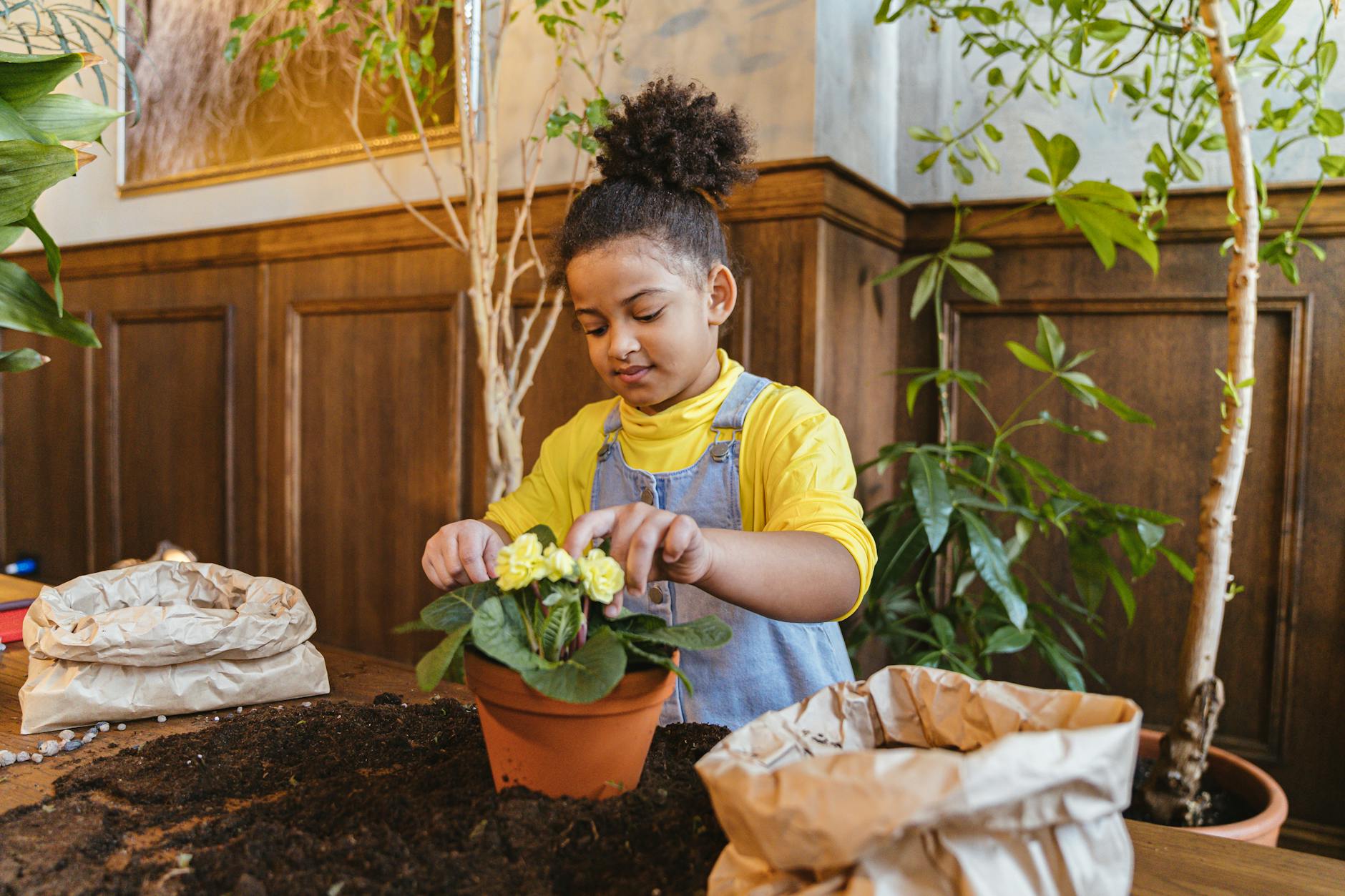
Spring is a wonderful time to encourage toddler self-care and independence. More outdoor time can mean more opportunities for children to explore and manage their own activities. Whether it’s helping with gardening or choosing their own play, fostering autonomy builds confidence and resilience.
The Power of Play and Connection
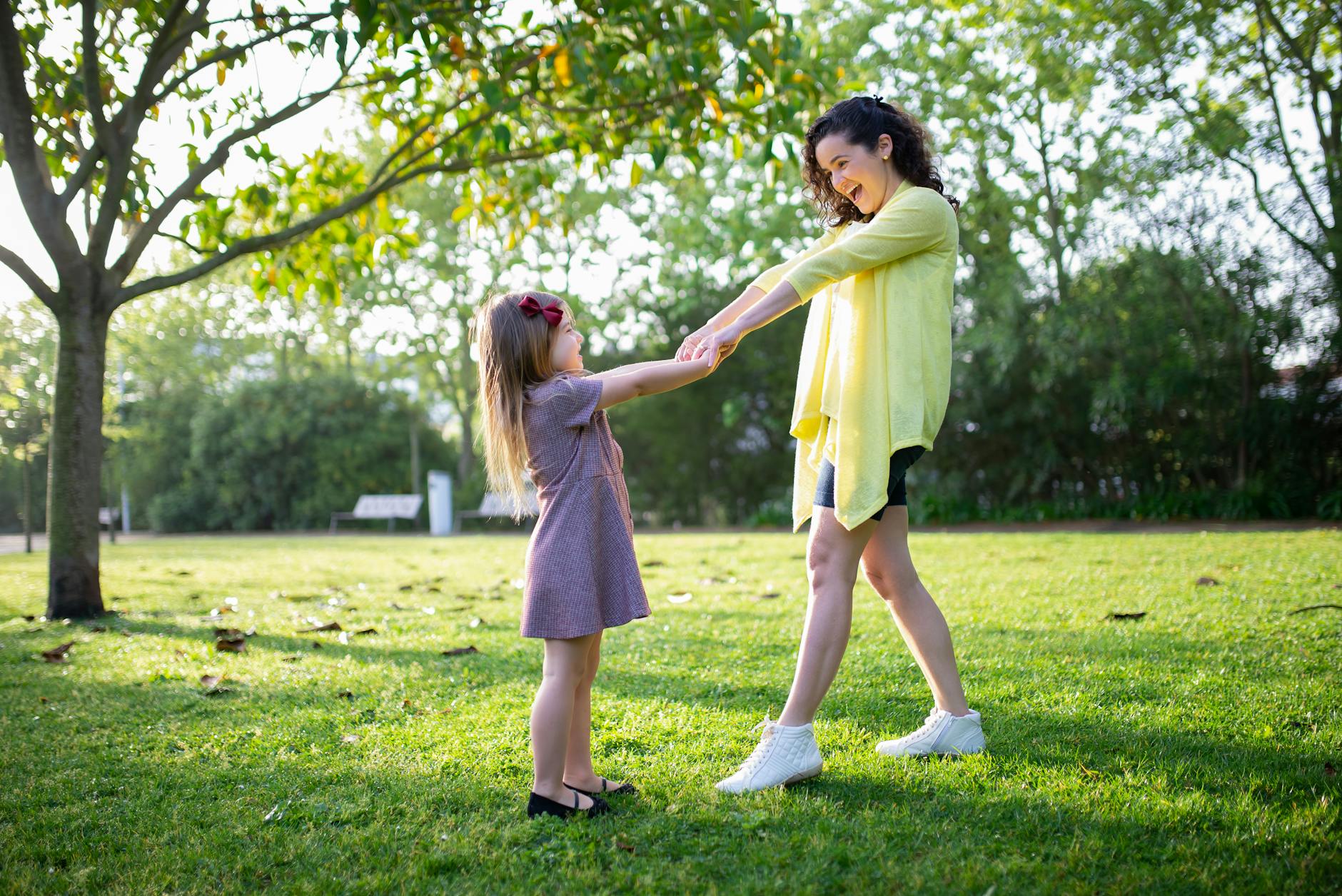
Don't underestimate the power of play in helping kids transition spring. Engaging in activities together, whether it's exploring new parks or trying out some fun Preschool Spring Crafts: Fun & Creative Projects for Kids, strengthens your bond and provides a release for pent-up energy and emotions. It also offers opportunities to practice social skills, like in Preschool Sharing Activities: Fun Spring Play Ideas.
Addressing Spring School Transition Anxiety Head-On
School transition anxiety is real, and spring can amplify it. It's not about avoiding it, but about equipping children with the tools to manage it effectively.
Mindfulness and Deep Breathing
Simple mindfulness techniques can be incredibly effective. Teaching children to take a few deep breaths when they feel overwhelmed can help regulate their nervous system. This is a foundational skill for developing positive coping mechanisms.
Visual Aids and Social Stories
For some children, particularly younger ones, visual schedules or social stories about the changes at school can be very reassuring. Seeing what to expect can significantly reduce anxiety. This is a proactive approach to spring school transition support.
The Role of Routine Reinforcement
Even with new spring activities, reinforcing established routines is crucial. This might mean a consistent morning routine before school or a predictable wind-down routine in the evening. This provides a sense of stability.
Seeking Professional Guidance
If school transition anxiety seems overwhelming or persistent, don't hesitate to reach out to educators or mental health professionals. They can offer tailored strategies and support. The American Psychological Association research on kid resilience spring transition highlights the importance of early intervention.
Cultivating Kid Resilience Spring Transition Skills: A Long-Term Investment
Ultimately, focusing on kid resilience spring transition is not just about surviving the next few months; it's about investing in your child’s long-term emotional well-being.
The Ripple Effect of Small Victories
When a child successfully navigates a small spring change – perhaps managing their excitement about a field trip or adapting to a slightly later bedtime – it builds their confidence. These small victories have a ripple effect, making them more capable of handling future challenges.
Modeling Resilience Yourself
Children learn by watching us. How do you handle change? Do you embrace new experiences with curiosity, or do you tend to resist? Modeling positive coping skills and a resilient attitude is one of the most powerful tools you have. This is a core principle in Psychology Today research on kid resilience spring transition.
The Importance of Patience and Understanding
This spring transition is a process. There will be good days and challenging days. Offer your child grace, and offer yourself grace. Helping kids transition spring is a marathon, not a sprint.
Embracing the Season of Growth
Spring is a season of growth, renewal, and emergence. By actively supporting our children through this period of transition, we are not just helping them cope with change; we are nurturing their capacity to blossom. This proactive approach to child resilience building ensures they are well-equipped for whatever comes next. It's about fostering a deep-seated ability to adapt, to learn, and to flourish. For instance, understanding how to manage varying demands can be linked to effective Screen Time Limits for Kids: Spring Guide, ensuring a balance between digital engagement and real-world experiences. Furthermore, teaching children to understand the feelings of others is a vital component of resilience, and activities designed to Teach Empathy Preschoolers: Fun Spring Activities can be incredibly beneficial. The National Institutes of Health provides extensive resources on child development and emotional well-being, underscoring the importance of these foundational skills for long-term health, as seen in National Institutes of Health research on kid resilience spring transition.