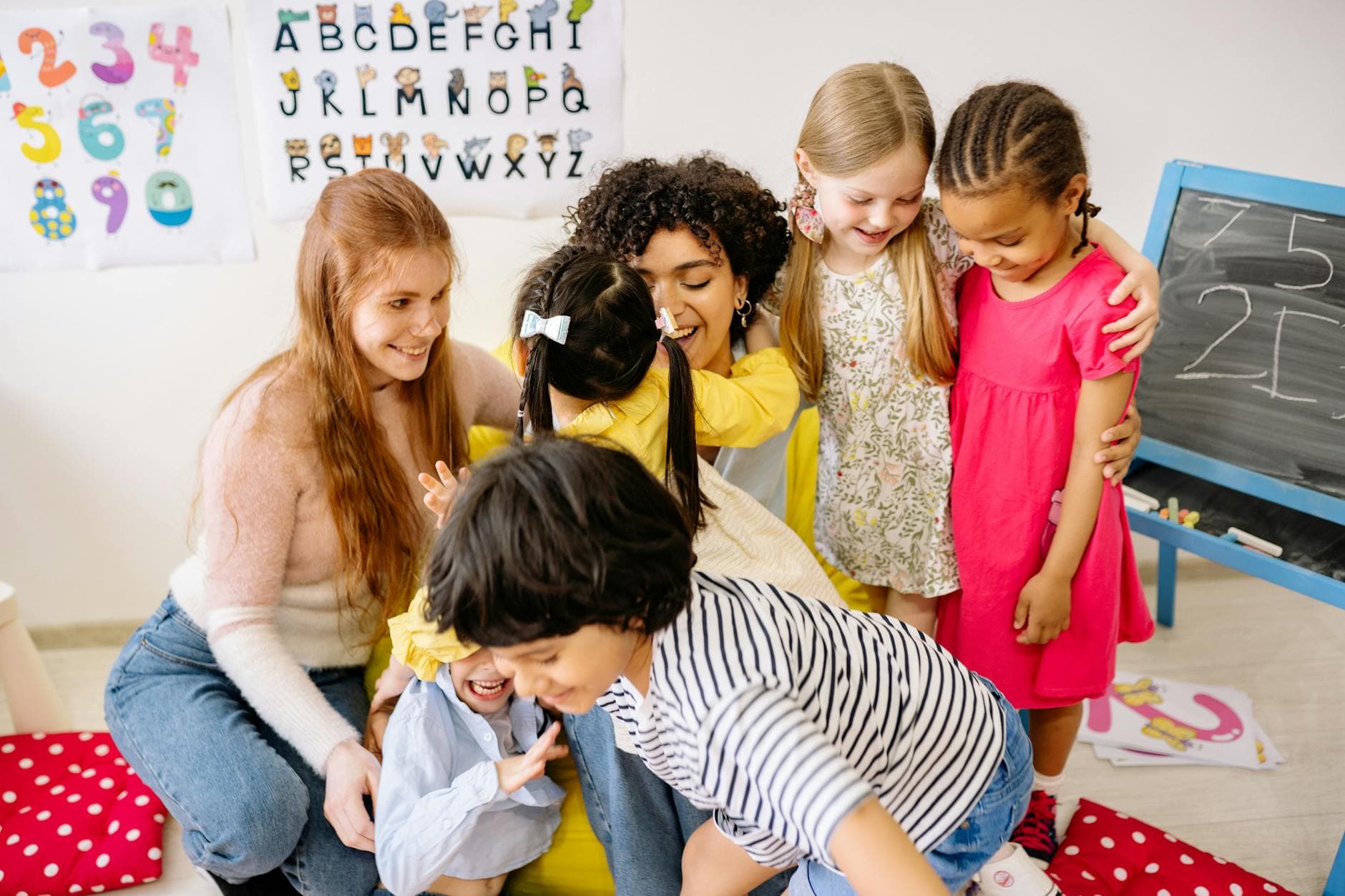
The bright yellow ball rolled just out of reach. Little Leo lunged for it, his face a picture of pure determination. But Maya, who’d been holding it a moment before, scooped it up, her eyes widening with a sudden possessiveness. A familiar scene, right? Watching toddlers and preschoolers navigate the tricky waters of sharing can be both heartwarming and, let’s be honest, a little frustrating for parents and educators. But it's a crucial part of their development, and understanding how to foster these skills through effective **preschool sharing activities** is key.
The Sharing Hurdle: Why It's So Tricky
Here's the thing: for young children, especially toddlers and preschoolers, the concept of "mine" is incredibly powerful. Their world is still very much centered around their immediate needs and desires. Sharing isn't an innate skill; it's learned. It requires a complex mix of understanding another person's feelings, delaying gratification, and recognizing that possessions can be enjoyed together.
Egocentrism and Ownership
Young children are naturally egocentric. This isn't a bad thing; it’s a developmental stage. They genuinely struggle to see the world from another's perspective. So, when they have a toy, it feels like an extension of themselves. Taking it away, even for a moment, can feel like a personal loss.
Developing Empathy
Sharing is deeply connected to developing empathy. When a child sees another child sad because they don't have a toy, and then offers it, they're beginning to understand and respond to another's emotions. This is a foundational step for positive peer interactions.
The Role of Language
Toddlers and preschoolers are still building their language skills. They might not have the words to express their desire for a toy or their frustration when it's taken. This can lead to grabbing or crying, which are often misinterpreted as "not wanting to share" when it's really a communication breakdown.
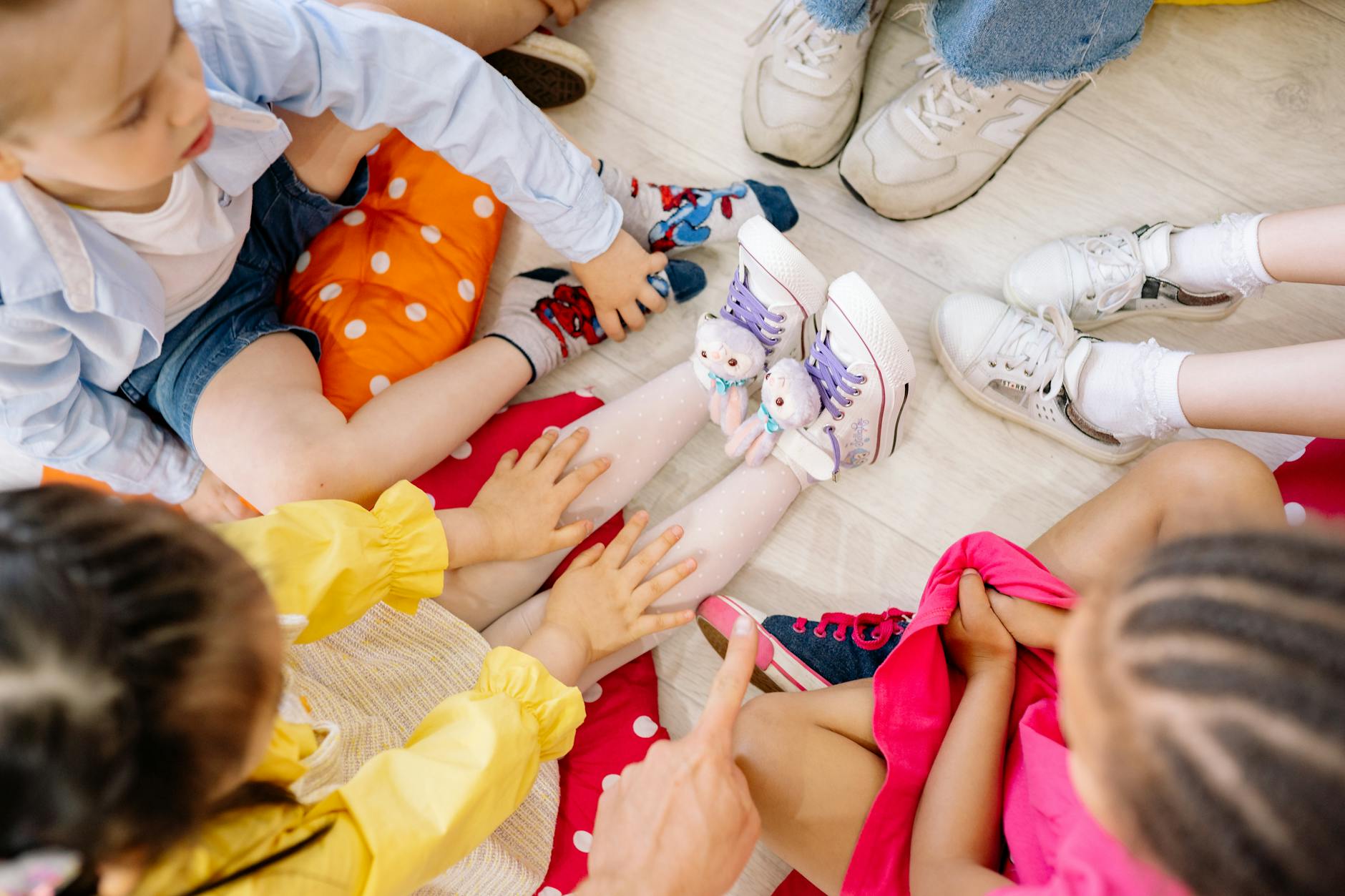
Practical Preschool Sharing Activities
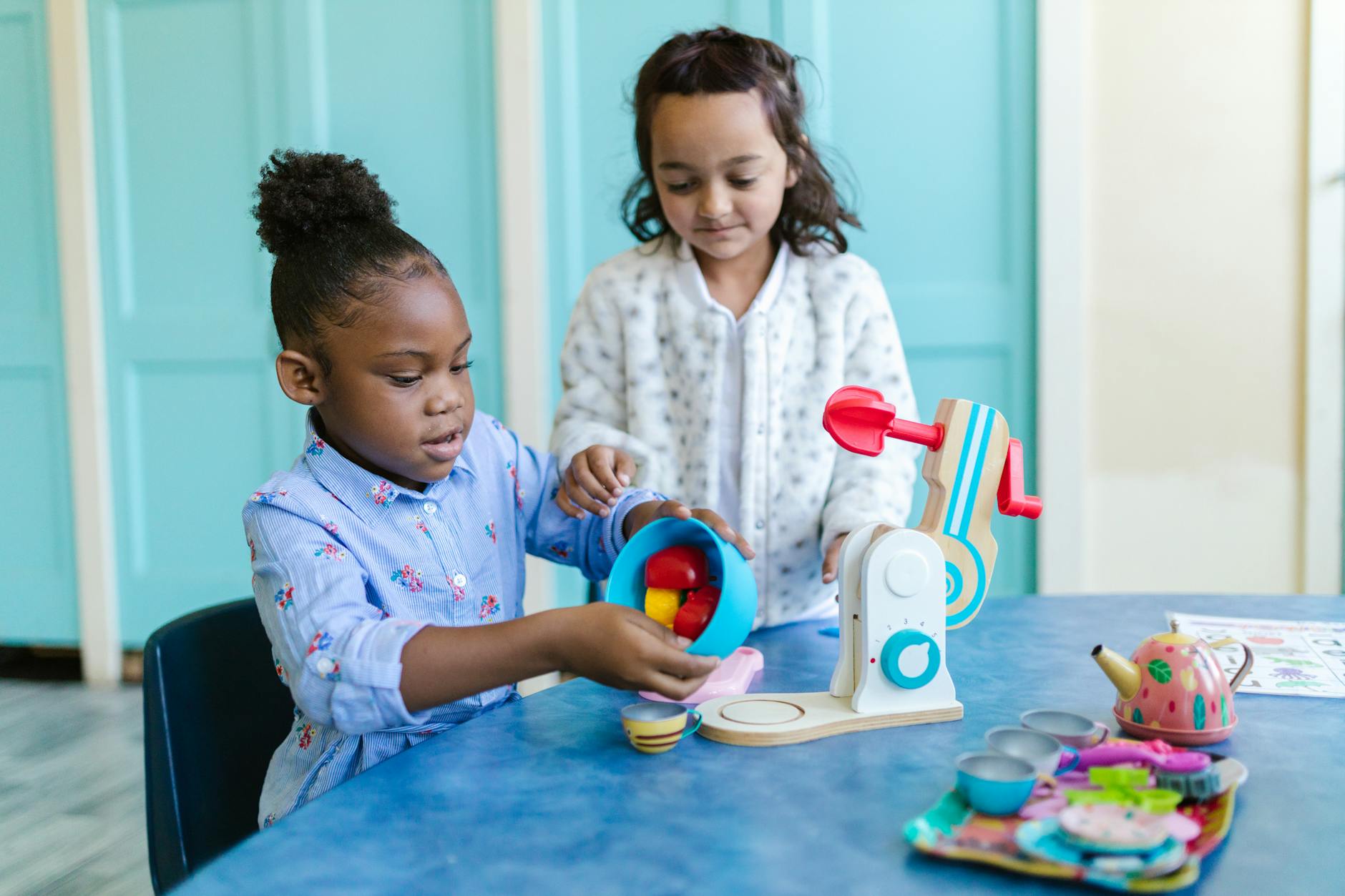
Forget lectures about the importance of sharing. Children learn best through play and experience. These **preschool sharing activities** are designed to be fun, engaging, and subtly teach the valuable lesson of taking turns and cooperating.
Cooperative Art Projects
Large-scale art projects are fantastic for encouraging sharing. Think about a giant mural on a big sheet of paper. Everyone needs to share the same set of crayons, markers, or paintbrushes. This naturally teaches them to wait for their turn or to ask nicely if someone is using a specific color they need.
Giant Mural Creation
Lay out a huge piece of butcher paper on the floor or tape it to a wall. Provide a variety of art supplies – chunky crayons, washable markers, finger paints. Encourage children to work together to create one big picture. This is a wonderful way to practice sharing space and materials.
Clay or Play-Doh Creations
When working with clay or Play-Doh, a large communal lump can be divided. Children can share tools like rollers, cookie cutters, and shaping knives. This fosters a sense of shared creation and resource management.
Building Together
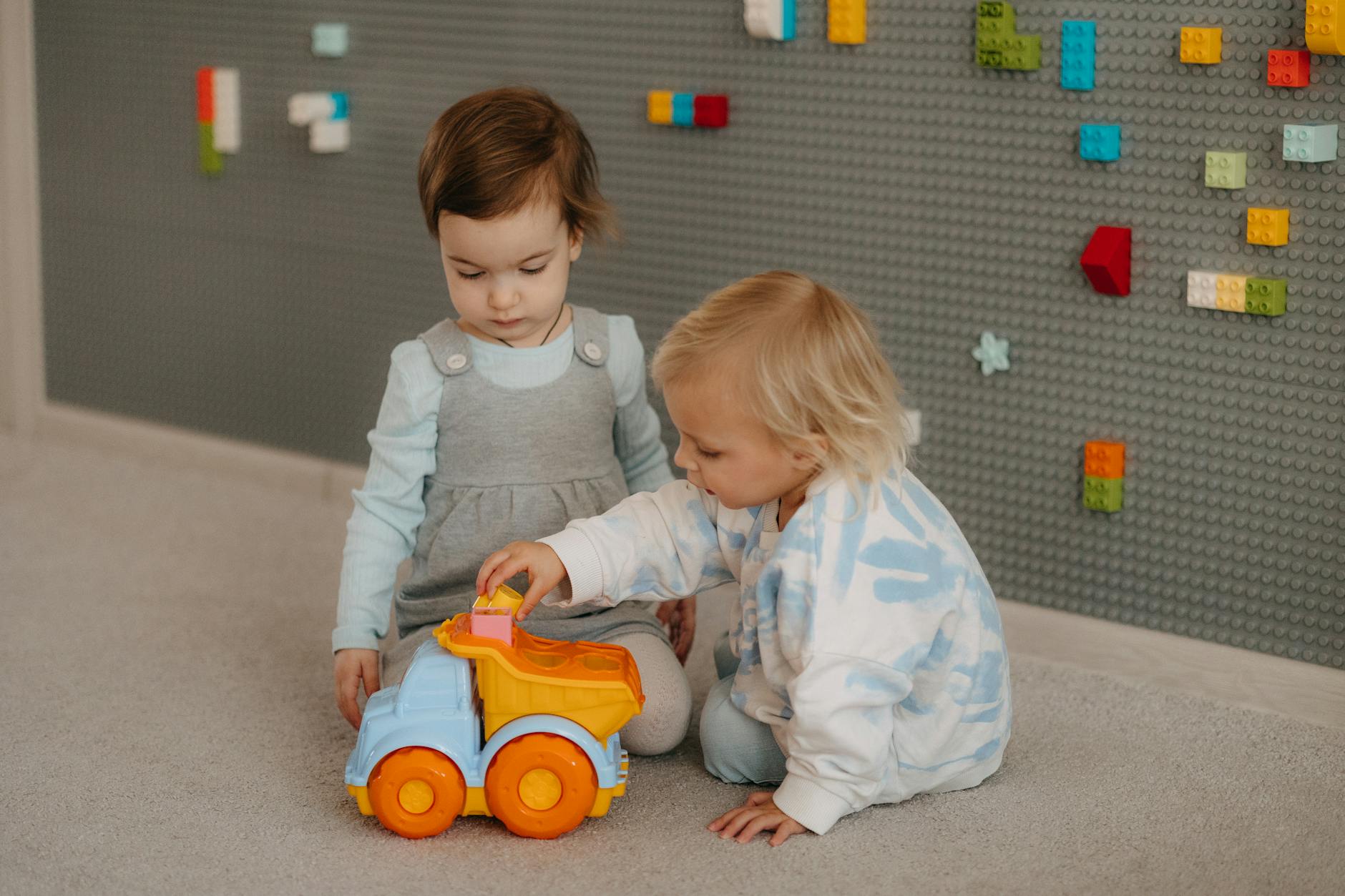
Any activity that involves building something as a group is a winner. Whether it’s blocks, LEGOs, or even building a fort out of blankets, children have to negotiate who uses which pieces and how to contribute to the common goal. This is more than just sharing toys; it's sharing ideas and effort.
Block Tower Challenge
Provide a large collection of building blocks. The goal isn't for each child to build their own tower, but to work together to build the tallest, strongest, or most interesting tower. This requires constant negotiation and sharing of blocks. I've seen children naturally start to hand each other pieces they think will fit well, which is pure gold.
Fort Building
Gather blankets, pillows, chairs, and clothespins. Let the children decide where the fort will go, what rooms it will have, and how to secure the blankets. This requires them to share materials and space, and to compromise on their ideas.
Shared Storytelling and Dramatic Play
When children engage in imaginative play, they often have to share roles and props. This is where they can really practice taking turns being the "mom" or the "doctor," and share the toy stethoscope or baby doll.
Puppet Shows
Provide a few simple puppets and a makeshift stage (a draped table works well). Children can take turns being the storyteller, the puppeteer, or even voicing different characters. This encourages collaboration and sharing the spotlight.
Dress-Up Box Fun
A well-stocked dress-up box is a treasure trove for social skills. Children will inevitably want the same hat or cape. This presents natural opportunities to practice asking to borrow, waiting for a turn, or even finding a way to share the item (e.g., one child wears the hat, the other wears the scarf). This is where teaching toddlers sharing becomes a practical, everyday event.
Springtime Sharing Games: Making It Fun Outdoors
The warmer weather brings opportunities for outdoor play, and these can be wonderful for practicing **preschool sharing activities**. Think about games that naturally involve taking turns or sharing equipment. Remember to keep an eye on Spring Outdoor Safety: Essential Tips for Kids.
Outdoor Obstacle Courses
Set up a simple obstacle course in the backyard or park. This could involve crawling under a blanket, hopping over a pool noodle, and throwing a soft ball into a bucket. Children can take turns completing the course, cheering each other on, and waiting patiently for their turn. This is a fantastic way to build positive peer interactions.
Rotational Stations
Create different stations for the obstacle course. Children rotate through each station. This ensures everyone gets a chance at each activity and teaches them to move along when it's time. It’s a simple yet effective way to manage flow and encourage turn-taking.
Nature Scavenger Hunts
A nature scavenger hunt where children work in pairs or small groups to find specific items (a smooth stone, a feather, a specific type of leaf) encourages collaboration and sharing of discoveries. The excitement of finding something rare is amplified when shared with a friend.
Team-Based Finding
Instead of each child having their own list, give a shared list to small teams. They have to work together to find all the items on the list, sharing their findings and discussing where to look next. This is a good way to practice Preschool Garden Activities: Fun Spring Exploration Ideas too, if you incorporate plant-based items.
Water Play and Sand Play
These classic outdoor activities are prime territory for sharing. Buckets, shovels, water squirters – they all become communal resources. Children learn to ask for a shovel, offer a bucket, or share the water from a watering can. This is where Toddler Personal Space: Teach Respect This Spring can also be subtly reinforced as they learn to respect each other's immediate play area.
The Communal Watering Can
If you have a small garden or even just some pots, a single watering can can be a great tool for teaching sharing. Children can take turns filling it and watering plants, learning to wait for their turn with the water.
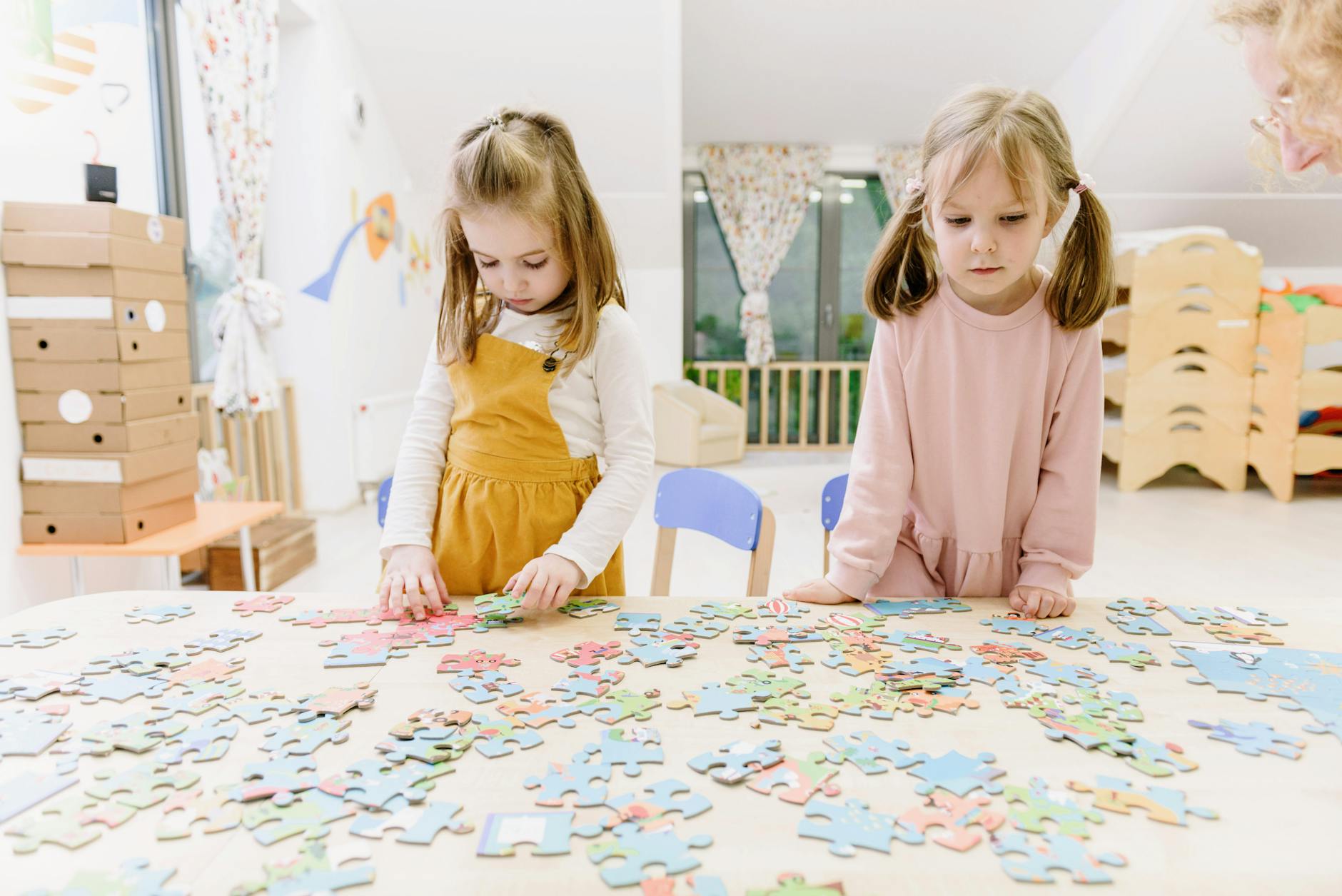
Toddler Sharing Tips: Gentle Guidance for Little Ones
For the younger crowd, the focus is less on complex games and more on building foundational skills. These Toddler Sharing Made Easy: Gentle Tips for Little Ones strategies are about patience and positive reinforcement.
Use "Turn-Taking" Language
Instead of saying "Share your toy," try "It's Leo's turn with the truck now. You can have it when he's finished." This frames it as a temporary situation, not a permanent loss of the toy. It’s about managing expectations.
Model Sharing Yourself
Children learn by watching. When you share your food, your time, or even a comfortable spot on the couch, you're showing them what sharing looks like in action. Be deliberate about it. "Mommy is sharing her cookie with Daddy."
Provide Duplicates When Possible
If you have two identical toys, and you know two children often fight over them, consider having them available. This isn't "cheating" at teaching sharing; it's smart resource management for young children. It reduces the immediate conflict and allows for more positive interactions.
Praise Efforts, Not Just Outcomes
Did your child offer a toy, even if they hesitated? Did they wait patiently for their turn? Praise that effort! "You were so good at waiting for the red car!" This reinforces the behavior you want to see more of. This is crucial for building confidence in their ability to navigate social situations.
Beyond the Toy: Developing Empathy and Conflict Resolution
True sharing goes beyond just handing over a toy. It’s about understanding feelings and resolving disagreements peacefully. These are advanced preschool social skills that we can foster.
"Feeling Faces" and Role-Playing
Use pictures of different emotions or act out scenarios. "How do you think Maya felt when Leo took the ball? Sad? Angry?" Then, "What could Leo do to make Maya feel better?" This helps children connect actions with emotions, a key step in developing empathy in children.
Teaching "I Feel" Statements
Help children articulate their feelings. Instead of "He hit me!", encourage "I feel angry because you hit me." This teaches them to express their needs and emotions constructively, which is vital for conflict resolution for preschoolers.
Guided Problem-Solving
When conflicts arise, don't always jump in to fix it. Guide the children through it. "You both want the same shovel. What can we do so you both get a chance to use it?" This empowers them to find solutions together, fostering positive peer interactions and building friendships in preschool.
Teaching sharing is a marathon, not a sprint. There will be tears, there will be grabby hands, and there will be moments you want to pull your hair out. But with consistent, patient, and playful guidance, you’re laying the groundwork for children who are not only capable of sharing their toys but are also developing the crucial social and emotional skills that will serve them throughout their lives. The National Alliance on Mental Illness research on preschool sharing activities highlights how these early social-emotional skills are foundational for mental well-being later on. Similarly, The Gottman Institute research on preschool sharing activities emphasizes the long-term benefits of nurturing positive relationships from a young age. So, keep playing, keep guiding, and remember that every little turn-taking moment is a big step forward.