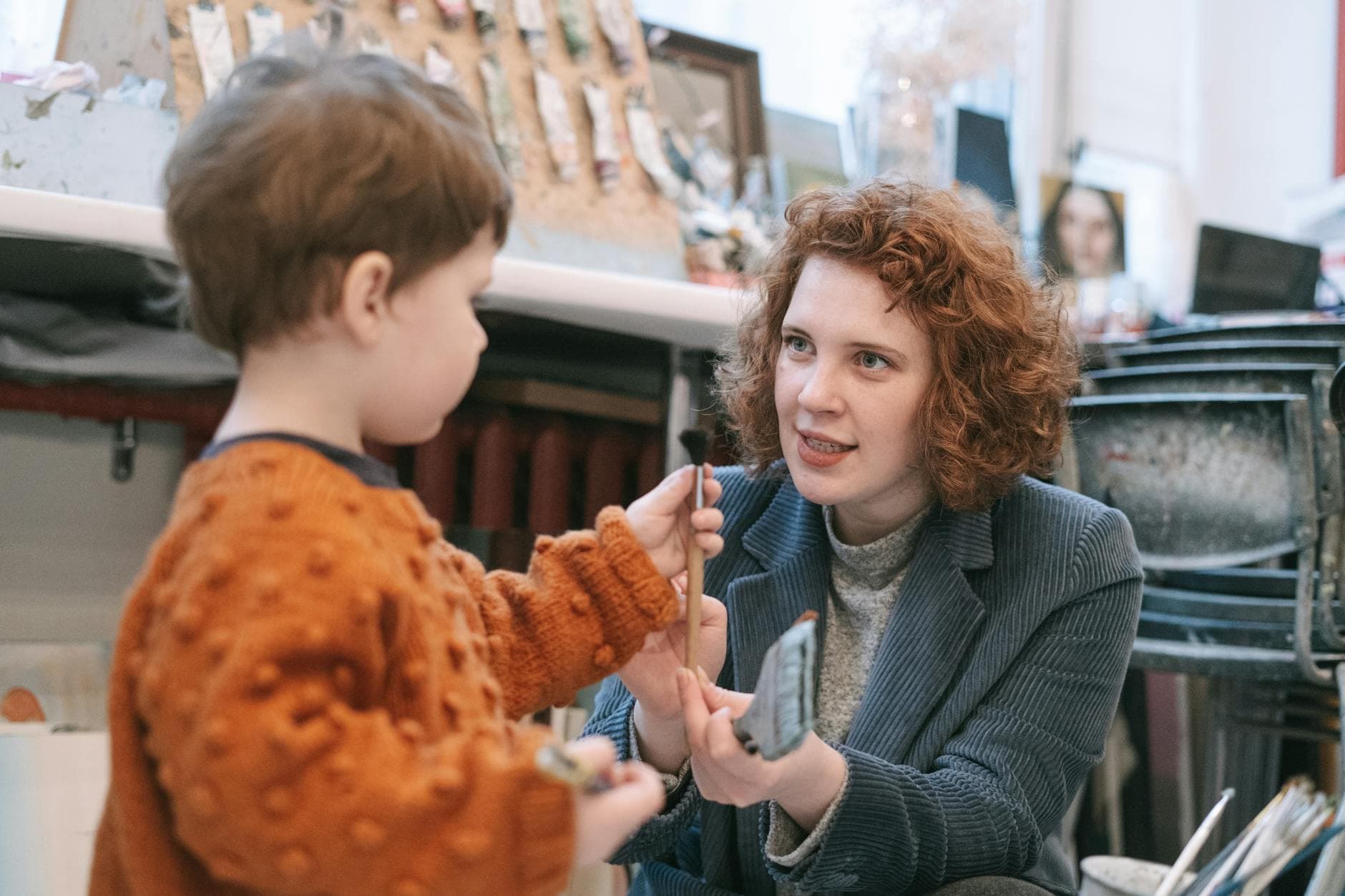
I remember a moment, years ago, watching two little girls, no older than four, in my playgroup. One, Lily, had just meticulously built a magnificent tower of brightly colored blocks. The other, Maya, in a burst of uncoordinated toddler enthusiasm, stumbled and sent the whole thing crashing down. Lily’s face crumpled, tears welling up. Maya, instead of running away or looking confused, took a tentative step forward, a little frown creasing her brow. She reached out a small hand, not to the scattered blocks, but towards Lily’s arm. That small, hesitant gesture was everything. It was the nascent spark of empathy. Teaching empathy to preschoolers isn't about grand gestures or complex lessons; it's about nurturing those tiny moments of connection and understanding.
The Foundation of Feeling: Why Empathy Matters for Little Ones
It’s easy to think of empathy as an adult concept, something that develops much later. But honestly, the roots of empathy are planted firmly in the preschool years. This is when children begin to understand that others have feelings, separate from their own. This understanding is the bedrock of all healthy social interactions and emotional intelligence for kids. Without it, sharing becomes a battle, conflicts escalate quickly, and building meaningful friendships feels impossible.
Understanding the "Why" Behind the Tears
Preschoolers are still very much in their own world, a world driven by immediate needs and desires. Helping them see beyond that is the first hurdle. It’s about helping them connect a facial expression or a tone of voice to an internal feeling. When one child is sad because their toy broke, the other child needs to start recognizing that "sad" feeling in their peer, not just in themselves.
Building Bridges, Not Walls
Empathy is the glue that holds social groups together. In the preschool setting, where children are learning to navigate complex social dynamics for the first time, empathy is crucial. It allows them to resolve conflicts more peacefully, to offer comfort when a friend is distressed, and to generally be a more considerate member of the group. This is the essence of preschool social skills development.
The Long-Term Impact
The skills we nurture now have a ripple effect. Children who develop strong empathy skills early on are more likely to be resilient, have better relationships throughout their lives, and contribute positively to their communities. It’s not just about getting along in preschool; it’s about shaping compassionate human beings.
Practical Ways to Teach Empathy to Preschoolers
So, how do we actively cultivate this vital skill? It’s not a one-and-done lesson; it’s a continuous, integrated part of the preschool experience. It happens through play, through conversations, and through modeling.
Empathy Activities Preschoolers Can Dive Into
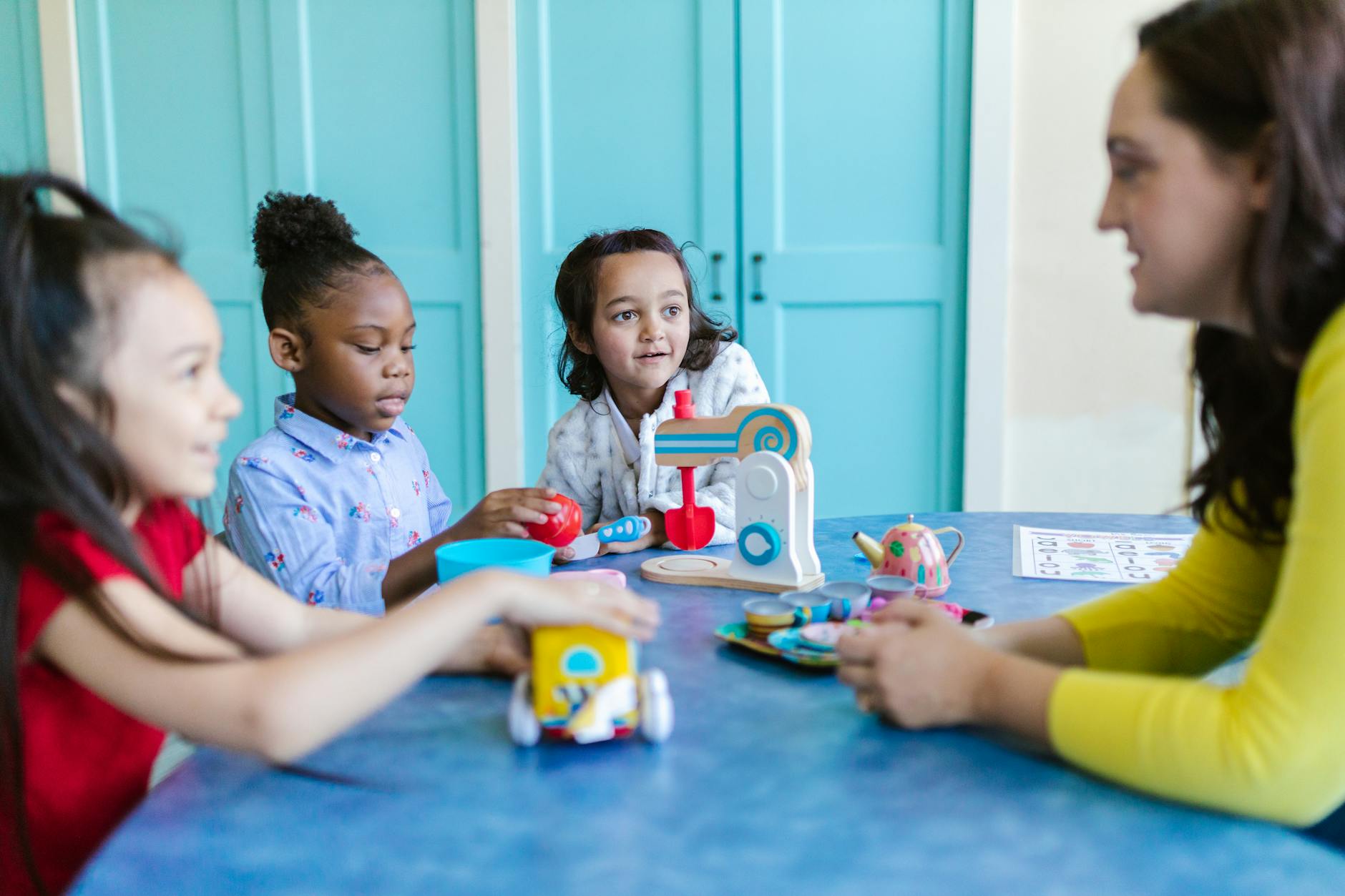
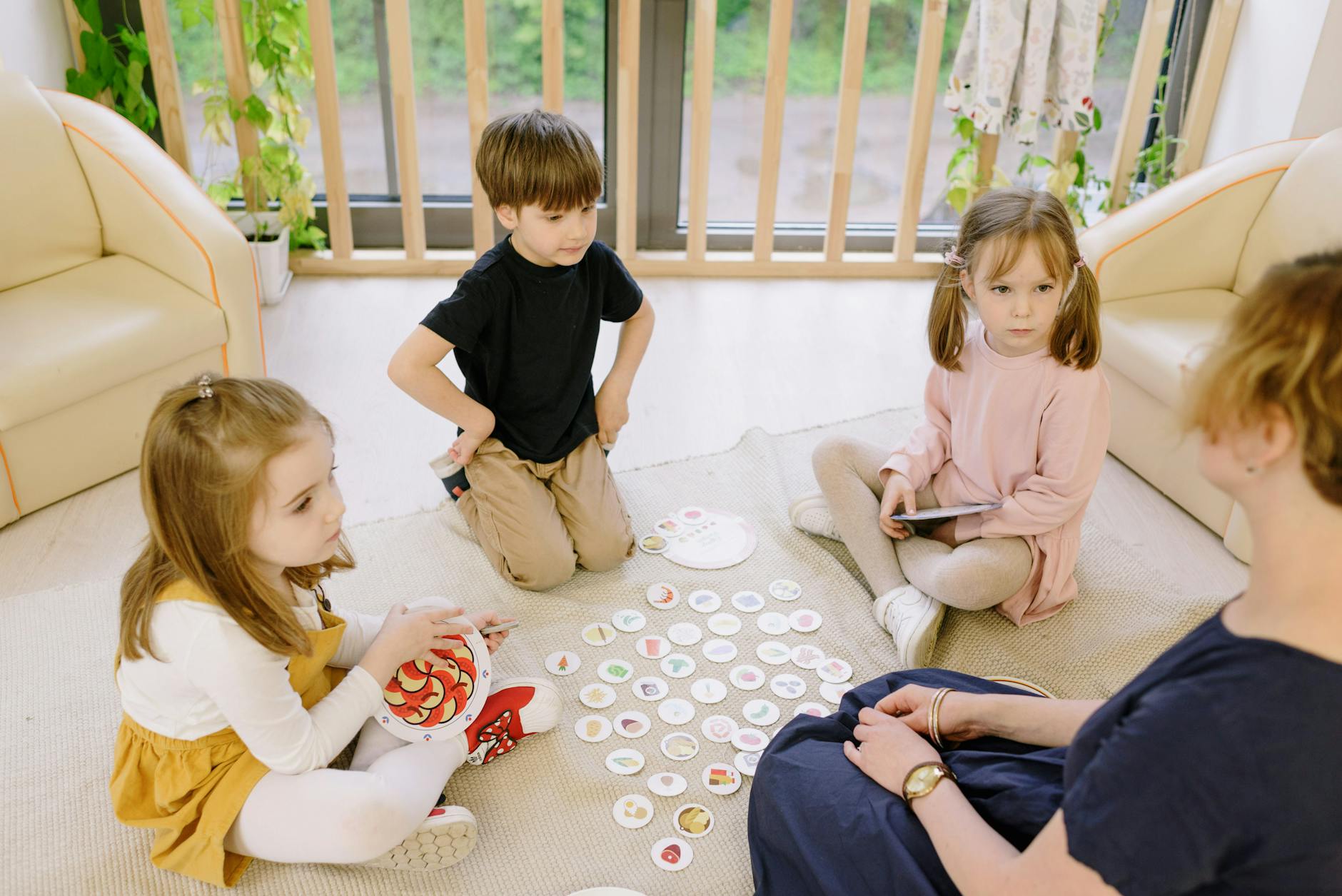
Hands-on activities are gold for this age group. Think about things that naturally encourage perspective-taking and caring for others activities. Simple games can be incredibly effective. For instance, a "feeling faces" matching game, where children match emotion cards to scenarios, can help them identify and label feelings in others. Role-playing for preschoolers is another fantastic tool. Setting up a pretend doctor's office or a restaurant allows children to step into someone else's shoes and consider their needs and feelings.
The Power of Storytelling
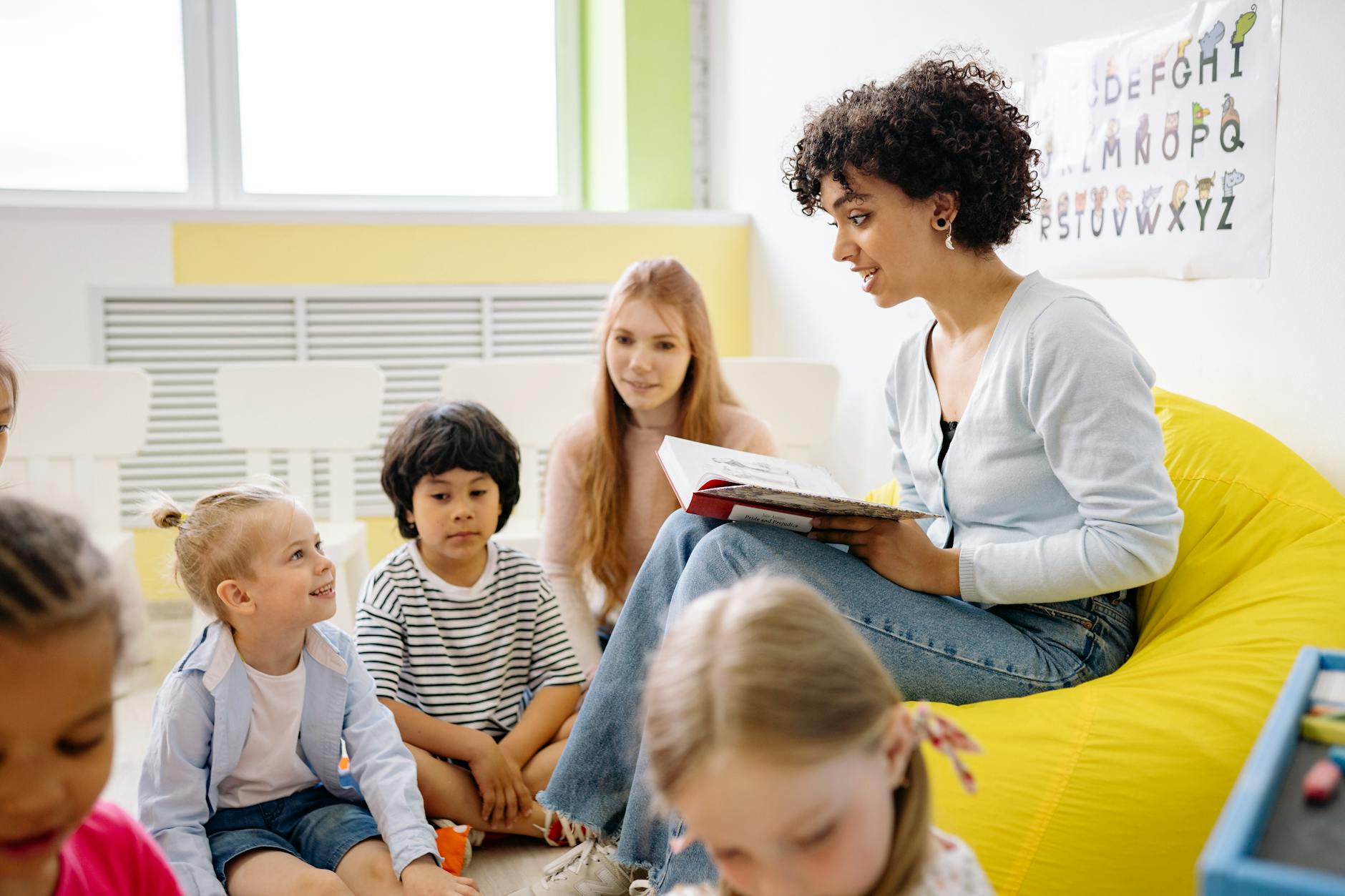
Books are powerful vehicles for teaching empathy. When reading aloud, pause and ask questions like, "How do you think the bear felt when he lost his balloon?" or "What could we do to make the little rabbit feel better?" Pointing out the emotions of characters helps children connect the dots between situations and feelings. This is a natural way to introduce understanding feelings preschool. I’ve seen children light up as they begin to connect with a character’s plight, offering suggestions for how to help.
Preschool Empathy Games That Spark Connection
Beyond structured activities, everyday play can be infused with empathy-building moments. When a child snatches a toy, instead of just saying "Share!", try, "Look, Leo seems sad because he was playing with that truck. How do you think he feels when you take it away?" This guides them towards considering the other child’s perspective. Teaching toddlers sharing often starts with these simple, guided observations.
"What If" Scenarios
Pose simple "what if" questions during playtime or downtime. "What if someone forgot their lunch today? How could we help them?" or "What if a new child joins our group and looks shy? What could we do to make them feel welcome?" These hypothetical situations encourage them to think about others' potential experiences.
Leveraging Spring for Social-Emotional Growth
The changing seasons offer a wonderful backdrop for exploring social-emotional learning. Spring, with its themes of new beginnings, growth, and connection, provides a natural canvas for teaching empathy preschoolers.
Social Emotional Learning Preschool Spring Themes
Think about the natural world awakening in spring. Seeds are sprouting, baby animals are appearing, and everyone seems a bit more energetic. This is the perfect time to talk about nurturing and growth. We can extend this to nurturing friendships and helping others grow. Spring activities for empathy can be integrated into everyday routines. Watching a tiny seedling push through the soil can be a metaphor for helping a friend who is struggling to "grow" their confidence.
Caring for Others Activities in the Garden
Gardening is a prime example. When children help plant seeds or water flowers, they are actively caring for living things. This can translate into discussions about caring for people. "Just like this little plant needs water to grow, our friend Sarah might need a kind word when she’s feeling down." Engaging in Preschool Garden Activities: Fun Spring Exploration Ideas can be a direct pathway to understanding responsibility and care for something outside oneself.
Spring Activities for Empathy and Kindness
Spring crafts can also be springboards for empathy. Creating "kindness rocks" to leave for others, or making cards for people who might need a smile, are tangible acts of thoughtfulness. These are wonderful kindness activities for young children. We can also tie in outdoor play. A toddler who is learning independence through Toddler Self Care: Spring Outdoor Fun & Independence can also learn to observe if a peer needs a helping hand with a tricky climbing frame.
Sharing the Sunshine (and Snacks!)
Spring picnics or outdoor snack times are perfect opportunities to practice sharing. Instead of just expecting it, talk about it. "We have enough cookies for everyone. Who would like to share one with Maya?" This makes sharing a conscious act of generosity. This links directly to discussions about Preschool Sharing Activities: Fun Spring Play Ideas and even Teaching Toddlers Sharing: Spring Fun & Tips.
The Role of the Adult in Cultivating Empathy
Here’s the thing: children learn empathy primarily by watching us. Our reactions, our words, and our actions are their blueprints.
Modeling Empathetic Behavior
When a child is upset, do you rush in with solutions, or do you first acknowledge their feelings? "I see you're feeling frustrated because the blocks fell. It’s okay to feel that way." This validation is crucial. When you show empathy towards your child, towards your partner, or even towards a stranger in a store, you are demonstrating what it looks like in real-time. The American Psychological Association research on teach empathy preschoolers consistently highlights the impact of adult modeling.
Active Listening and Validation
Truly listening to a child, even when they’re expressing something that seems trivial to us, teaches them the value of being heard. Reflect their feelings back to them: "So, you're feeling sad because your friend didn't want to play your game?" This shows them that their emotions are seen and understood, a fundamental aspect of empathy.
Guiding Through Difficult Moments
Conflict is inevitable. Instead of stepping in to solve it for them, guide them through it. "Sarah is crying because she feels you pushed her. How do you think that felt for her? What could you do to make her feel better?" This transforms conflict into a learning opportunity. The Gottman Institute research on teach empathy preschoolers emphasizes the importance of guiding children through their emotional experiences.
Using "I Feel" Statements
Encourage children to use "I feel" statements to express their own emotions. "I feel sad when you take my toy without asking." This helps them articulate their feelings and understand that others have feelings too. This is a cornerstone of developing emotional intelligence for kids.
Overcoming Challenges in Teaching Empathy
It’s not always a smooth road. There will be times when children seem completely self-absorbed, and it feels like your efforts are falling on deaf ears. This is normal.
When Empathy Seems Absent
Preschoolers are still developing impulse control and the ability to regulate their emotions. Sometimes, what looks like a lack of empathy is simply a child overwhelmed by their own feelings. In these moments, focus on helping them manage their own emotions first. Once they are calmer, you can revisit the situation and discuss the other person's feelings. Healthline research on teach empathy preschoolers notes that a child's own emotional regulation is a prerequisite for developing empathy for others.
The Importance of Patience
I’ll be real with you, this is a marathon, not a sprint. Some days will feel like two steps forward, one step back. Celebrate the small victories: the moment a child offers a toy, the time they offer a hug to a sad friend, the instance they pause to consider another's reaction. These are the building blocks.
Consistency is Key
Empathy isn't a lesson to be taught once and then forgotten. It needs consistent reinforcement across different situations and with different people. Whether you’re at home, at the park, or engaging in Preschool Spring Crafts: Fun & Creative Projects for Kids, look for opportunities to talk about feelings and how to be kind.
Addressing Self-Centeredness
It’s natural for preschoolers to be egocentric. Our role is to gently expand their worldview. We do this by consistently pointing out the impact of their actions on others and by providing them with the language and tools to understand and respond to those impacts. This is part of fostering overall preschooler development.
Ultimately, teaching empathy to preschoolers is about nurturing the innate human capacity for connection. It’s about guiding little hearts and minds to understand that their actions matter, that their words have weight, and that recognizing and responding to the feelings of others is one of the most important gifts they can give. It’s a journey we take with them, filled with small moments of grace and understanding, shaping the kind and compassionate adults they will one day become.