
There's this idea out there that letting kids run wild outside is just about burning off energy, a sort of necessary chaos before they settle down. Honestly, that couldn't be further from the truth. The real story of outdoor play benefits is so much richer, touching every corner of a child's development in ways we're only just beginning to fully appreciate. It's not just a break from learning; it's one of the most profound learning environments available.
The Unseen Power of Nature's Classroom
When we talk about child development, we often focus on structured activities, academic readiness, and specific skill-building. But what about the simple act of a child exploring a patch of grass, a muddy puddle, or a sun-dappled forest floor? This is where some of the most critical learning happens, often without us even realizing it.
Building Stronger Bodies
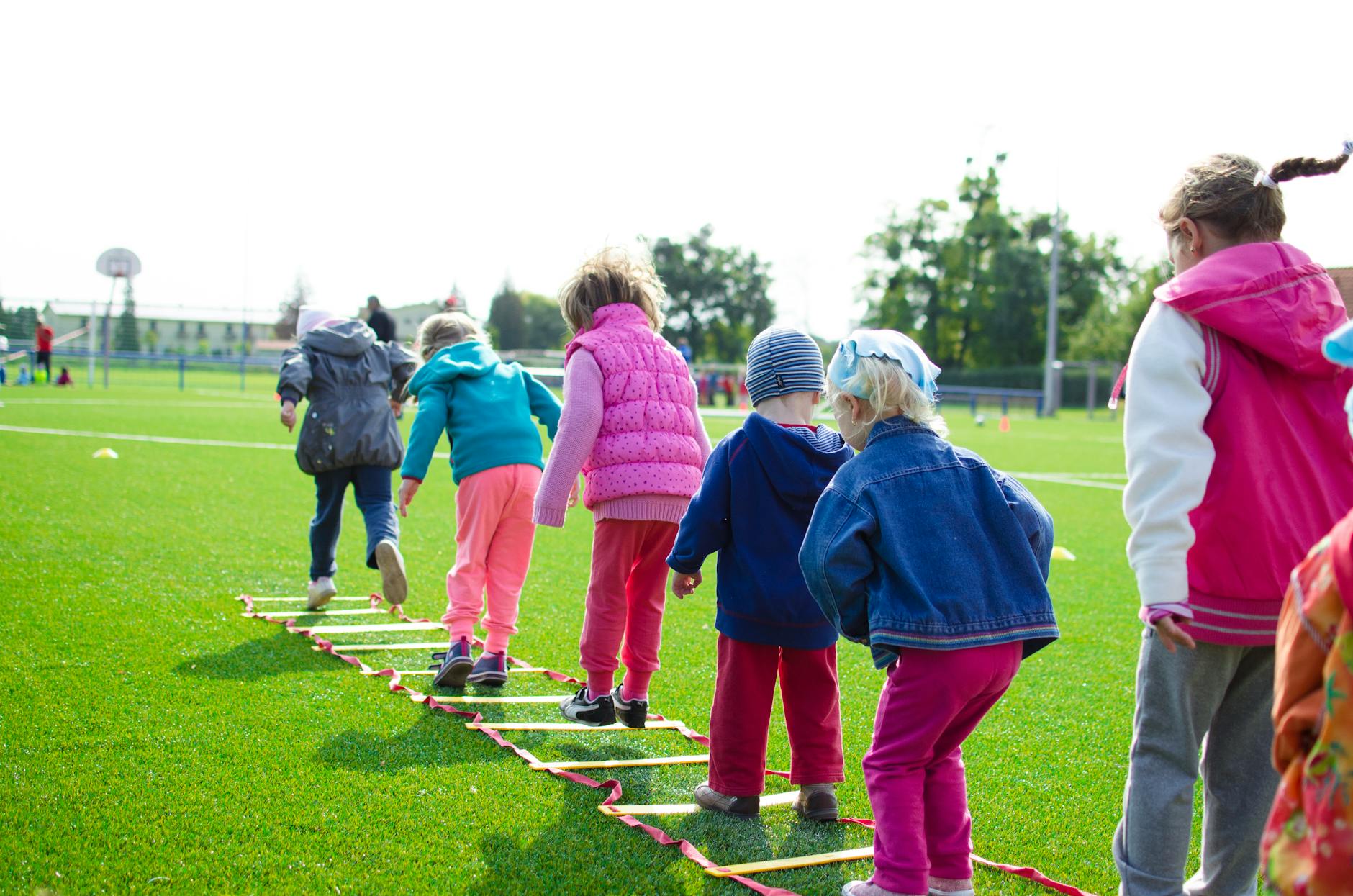
This is the most obvious one, right? Kids need to move. Running, jumping, climbing, balancing – these aren't just fun activities; they are fundamental to developing gross motor skills. Think about the coordination required to navigate uneven terrain or the sheer strength built by scrambling up a small hill. This kind of physical exertion is crucial for healthy bones, muscles, and a robust cardiovascular system. It's the foundation for a lifetime of physical well-being.
Sharpening Sensory Skills
The world outside is a symphony of sensory input. The feel of rough bark, the smell of damp earth after rain, the sound of birdsong, the sight of sunlight filtering through leaves – these experiences are far more varied and complex than what most indoor environments can offer. This rich sensory diet helps children develop a more nuanced understanding of their surroundings and improves their ability to process information from all their senses.
Boosting Immunity Through Exposure
Here's a fascinating one that often surprises people. Regular exposure to the natural world, including the microbes found in soil and on plants, can actually help to strengthen a child's immune system. It’s like a natural vaccination, training their bodies to better recognize and fight off pathogens. This is a stark contrast to overly sterile indoor environments, which might inadvertently limit this crucial developmental process.
Beyond the Physical: Cognitive Leaps in the Open Air
It's easy to see the physical advantages, but the cognitive benefits of outdoor play are just as significant, if not more so. When kids are outdoors, their brains are working overtime in ways that structured learning sometimes misses.
Fostering Creativity and Problem-Solving
Nature doesn't come with instructions. A stick can be a sword, a wand, a digging tool, or a paintbrush. A pile of leaves can become a castle or a cozy den. This open-endedness is a playground for the imagination. Children are constantly faced with challenges: how to cross a stream, how to build a stable fort, how to reach a high branch. These aren't textbook problems; they are real-world puzzles that require innovative thinking and trial-and-error, building resilience and resourcefulness.
Enhancing Focus and Attention
You might be thinking, "How can unstructured play improve focus?" It's a concept known as Attention Restoration Theory. The natural environment, with its gentle stimuli, allows our brains to recover from the demands of directed attention. For kids who spend a lot of time concentrating on screens or schoolwork, time in nature can be incredibly restorative, actually improving their ability to focus when they need to. This is a vital component of child development spring, as we transition to more outdoor time after being cooped up.
Developing a Sense of Wonder and Curiosity
The sheer diversity of the natural world sparks an insatiable curiosity. Why do leaves change color? How do ants build their colonies? What makes the sky blue? These aren't just questions; they are the seeds of scientific inquiry and lifelong learning. This innate drive to understand the world is nurtured by exploration and discovery, which are at the heart of child outdoor play.

The Social Fabric of Outdoor Adventures
While solitary exploration is valuable, much of the magic of outdoor play happens in social interactions. The unstructured nature of these environments often fosters deeper connections and more authentic social skill development.
Learning Cooperation and Negotiation
When kids play together outdoors, they naturally have to negotiate. Who gets to be the leader of the imaginary expedition? How will they share the limited space around a favorite climbing tree? These aren't dictated rules; they are learned through experience. They learn to compromise, to take turns, and to work collaboratively to achieve a shared goal, whether it's building a dam or creating an elaborate game of tag. This is where genuine social skills development takes root.
Building Empathy and Respect for Others
Observing and interacting with peers in less structured settings can foster empathy. Children learn to read social cues, understand different perspectives, and respond to the needs of others. They also learn to respect the natural environment and the living things within it, developing a broader sense of care and responsibility.
Developing Communication Skills
Without the immediate feedback loops of digital communication, kids outdoors rely on their voices, gestures, and facial expressions to convey meaning. This promotes clearer and more direct communication. They learn to articulate their ideas, listen to others, and resolve conflicts verbally, which is a fundamental aspect of kids outdoor activities that benefits them long-term.

Mental and Emotional Well-being: The Calming Effect of Nature
In our increasingly fast-paced world, the mental health benefits of outdoor play are becoming more critical than ever. It offers a powerful antidote to stress and anxiety.
Reducing Stress and Anxiety
The calming presence of nature has a tangible effect on our physiology. Studies have shown that spending time outdoors can lower blood pressure, reduce heart rate, and decrease the levels of stress hormones like cortisol. For children, this means a more relaxed state, which is conducive to better emotional regulation. This is particularly relevant when thinking about preparing kids for spring transition, as it can help ease the shift from indoor routines.
Boosting Mood and Self-Esteem
Achieving a physical challenge outdoors, like climbing to a certain height or mastering a new skill like riding a bike on a trail, provides a powerful sense of accomplishment. This builds confidence and self-esteem. Furthermore, the sheer joy and freedom experienced during child outdoor play naturally elevate mood and combat feelings of sadness or lethargy.
Providing Screen Time Alternatives
This one is huge for so many families. The allure of screens is undeniable, but the passive consumption they offer pales in comparison to the active engagement of outdoor play. Offering compelling screen time alternatives that are engaging and fun is essential for healthy development. The benefits of outdoor play provide a natural and appealing alternative that nourishes the whole child.

Embracing the Outdoors: Practical Tips for Parents
So, how do we ensure our kids reap these incredible outdoor play benefits? It doesn't require elaborate plans or exotic locations. It's about making it a regular, integrated part of life.
Prioritize Regular Outdoor Time
Aim for at least an hour of unstructured outdoor play daily, if possible. This could be in a backyard, a local park, or even just a walk around the neighborhood. Consistency is key. Don't let a little rain or a chilly breeze deter you; with the right gear, spring outdoor play can be incredibly invigorating.
Create Opportunities for Exploration
Instead of directing every activity, allow children the freedom to explore and discover on their own terms. Provide simple tools like magnifying glasses, buckets, or nets, and let their imaginations take over. The nature play benefits are amplified when children are allowed to lead their own investigations.
Model the Behavior
Children learn by watching. If you show enthusiasm for spending time outdoors, whether it's gardening, going for a walk, or simply sitting and enjoying the fresh air, your children are more likely to adopt that behavior. Your own engagement is a powerful motivator.
Make it Accessible
Ensure your child has appropriate clothing for various weather conditions. Waterproof jackets, warm hats, and sturdy shoes can make a world of difference in extending outdoor play opportunities. Remember, there's no bad weather, only bad gear!
I'll be real with you, it's easy to fall into the trap of thinking that structured activities are always best. But sometimes, the most profound learning happens when we simply let our children be children, free to explore and engage with the world around them. The outdoor play benefits are undeniable, impacting everything from physical health to emotional resilience and cognitive growth. It's an investment in their future that pays dividends in countless ways. Let's make sure we're giving them the space and encouragement to thrive in nature's incredible classroom.