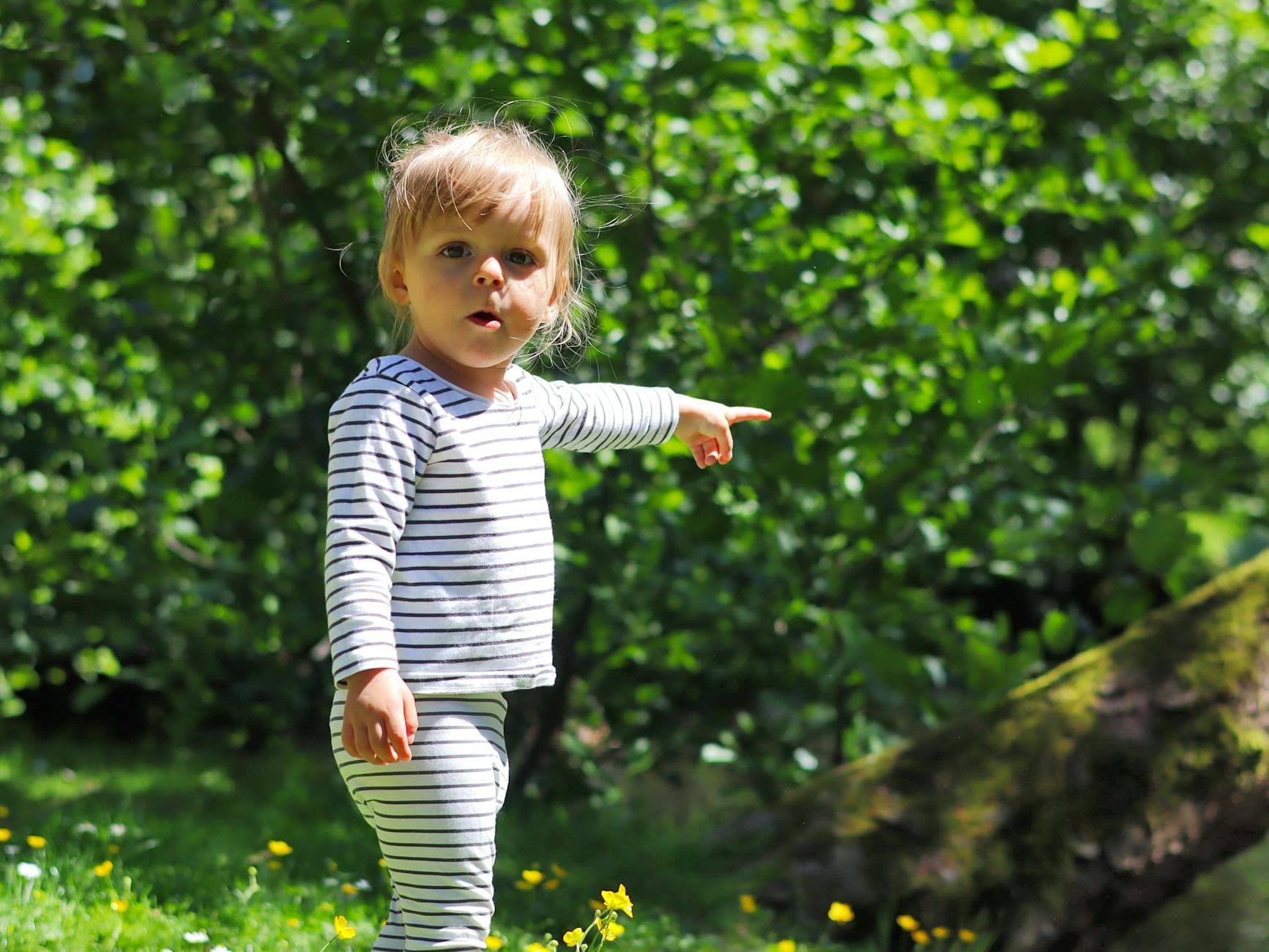
Toddler Spring Nature: More Than Just Mud Pies
Did you know that a staggering 80% of children under 5 spend less than an hour outdoors each day, even during the sunnier months? This is a trend that deeply concerns me, especially when we talk about the magic of toddler spring nature. It's easy to think of spring as just a transition, a time to shake off winter's chill. But for our little ones, it's a vibrant awakening, a sensory explosion waiting to happen. Engaging toddlers with the natural world in spring isn't just a nice-to-have; it's foundational for their development, fostering curiosity, language, and a deep, lifelong connection to the planet.
The Unfolding Wonders of Spring for Little Explorers
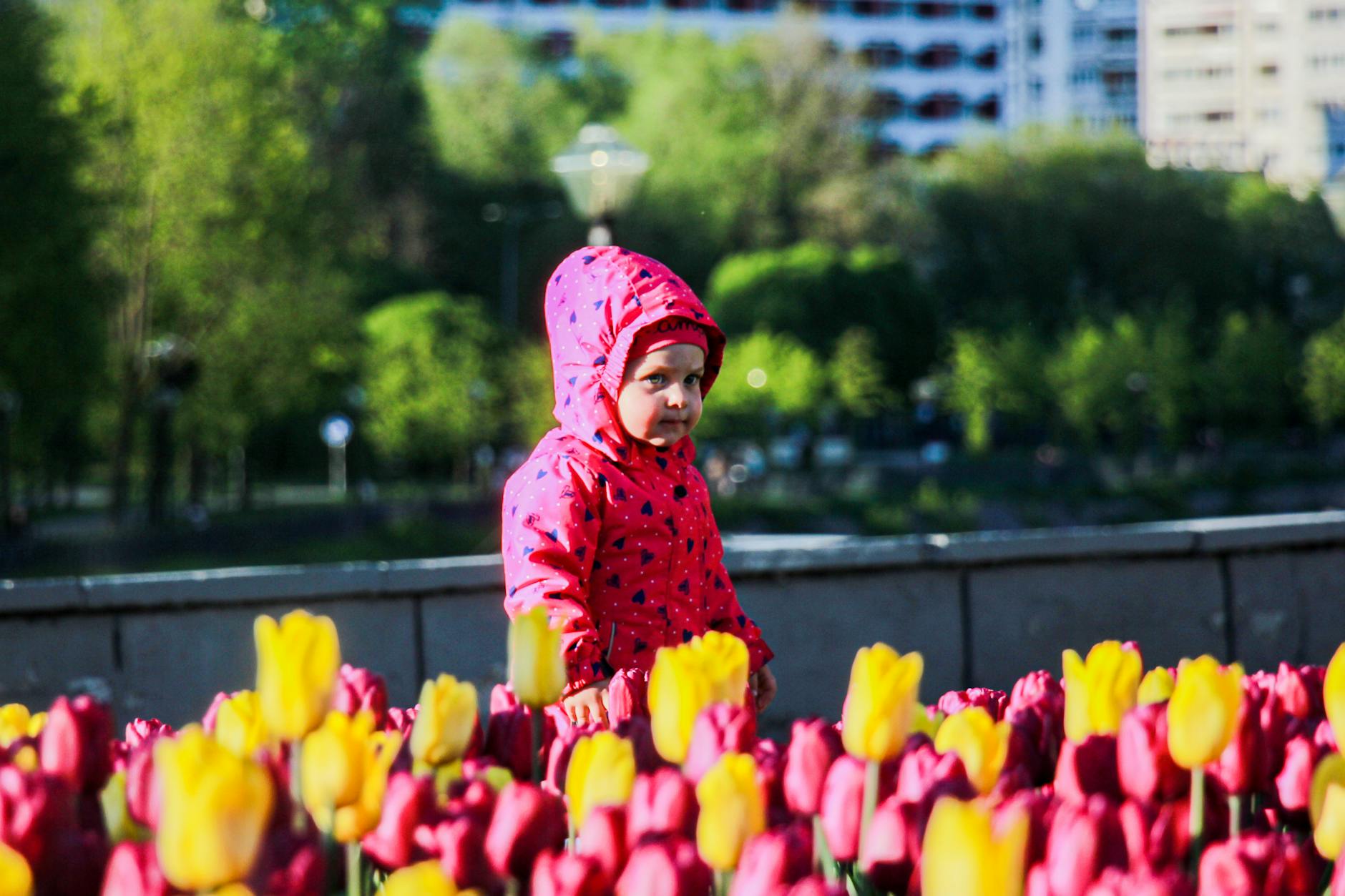
Spring is a season of profound change, and observing these shifts through a toddler's eyes is incredibly rewarding. The world literally comes back to life, offering a dynamic classroom far richer than any four walls.
Awakening Senses
Think about it: the air itself smells different. It’s damp, earthy, and carries the sweet perfume of blossoms. This is a prime time for spring sensory play. Toddlers can feel the cool, damp soil between their fingers, the delicate texture of a new leaf, or the surprising warmth of the sun on their skin. These tactile experiences are crucial for building neural pathways and developing a nuanced understanding of their environment. I remember watching my own daughter, Lily, as a toddler, mesmerized by the way a tiny sprout pushed through the soil. She didn't need a scientific explanation; the sheer wonder of it was enough.
The Symphony of Sounds
Winter is often quiet. Spring, however, erupts with sound. Birdsong returns with a vengeance, insects begin their buzzing hum, and the wind rustles through newly unfurling leaves. Encouraging your toddler to listen actively is a powerful tool for developing their auditory processing and language development toddlers outdoors. You can play simple listening games: "Can you hear the bird singing?" or "What sound does the wind make?" This simple practice deepens their engagement with their surroundings.
A Kaleidoscope of Colors
From the vibrant greens of new grass to the cheerful yellows of daffodils and the soft pinks of cherry blossoms, spring is a visual feast. Pointing out these colors and naming them helps with early vocabulary acquisition. It’s not just about identifying a color; it’s about associating it with a tangible object in the real world. This makes learning concrete and memorable for toddlers.
Nurturing Curiosity Through Nature Exploration Toddlers
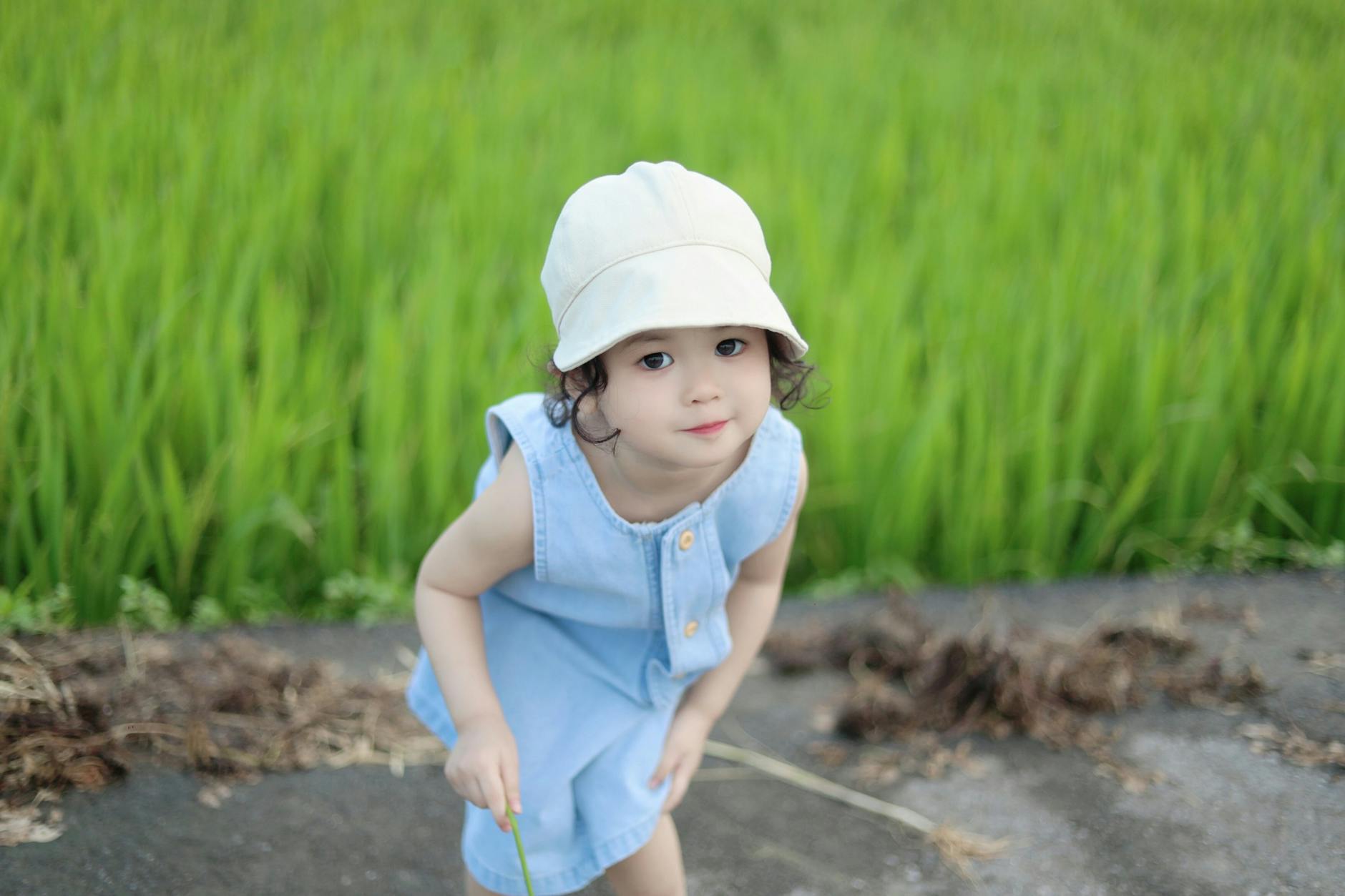
When you take your toddler outside, you’re not just going for a walk; you’re facilitating genuine nature exploration toddlers. This exploration is the bedrock of early learning.
The Power of the Toddler Nature Walk
A toddler nature walk doesn't need to be a strenuous hike. It can be a slow, meandering journey around your backyard or a local park. The key is to let your toddler lead. Follow their gaze, their interests. If they stop to examine a ladybug, pause with them. If they're fascinated by a puddle, embrace the splash. This child-led approach respects their natural curiosity and fosters a sense of autonomy. This is where you truly see the principles of early childhood nature education come alive.
Asking Open-Ended Questions
Instead of just stating facts, try asking questions that encourage thinking. "What do you think this flower needs to grow?" or "Why do you think the worm is moving so fast?" These questions stimulate critical thinking and encourage your toddler to observe more closely. It’s amazing how much their little minds can process when given the opportunity. You're teaching them to be observers, not just passive recipients of information.
The Importance of Letting Go (A Little!)
Here's the thing: nature can be messy. Toddlers will get dirty. They might fall. This is where embracing the chaos becomes essential. Resist the urge to constantly say "don't touch" or "be careful." Of course, safety is paramount, and you'll want to be aware of hazards. But allowing them to engage with the textures and elements of nature, even if it means muddy knees and sticky hands, is vital for their sensory development and overall well-being. This is also where you might face some challenges; you've probably noticed that meltdowns can happen outdoors too. Dealing with toddler tantrums outdoors is a skill every parent needs, and often, a good dose of nature can be a calming influence if managed well.

Spring Activities for Toddlers: Beyond the Basics
You don't need elaborate setups to create meaningful experiences. Simple, accessible activities can be incredibly impactful for toddler spring nature engagement.
The Humble Puddle Jump
This is a classic for a reason. A good puddle offers endless possibilities for exploration. Toddlers can splash, observe ripples, and even try to catch raindrops. It’s a fantastic way to practice gross motor skills and explore cause-and-effect. Make sure to have a towel and a change of clothes ready, and embrace the joy! It’s a simple yet profound form of spring sensory play.
Nature Scavenger Hunts (Toddler Style)
Keep it super simple. Give your toddler a small basket and ask them to find specific items: "Can you find a smooth stone?" "Let's find a green leaf." "How many flowers can we find?" You can even use picture cards for non-verbal toddlers. This encourages focus and observation, turning a walk into a purposeful adventure. This is a wonderful way to foster independent play toddler skills within a structured activity.
Building with Natural Materials
Gather sticks, leaves, pebbles, and acorns. Let your toddler arrange them, build with them, and create their own little worlds. This encourages creativity, problem-solving, and fine motor skills. They might build a "house" for a bug or a "road" for a toy car. The possibilities are as vast as their imagination.
The Deeper Impact: Child Development and Nature
It’s easy to see these activities as just fun, but the benefits for child development nature connection run deep. Research consistently shows the positive impact of outdoor time on young children.
Boosting Language and Communication
When you're surrounded by the sights and sounds of nature, there are countless opportunities for conversation. Pointing to a busy ant colony, discussing the different shapes of leaves, or listening to the chirping of birds all provide rich context for vocabulary building and sentence formation. This is a crucial aspect of language development toddlers outdoors. You're not just teaching them words; you're teaching them how to describe their world and express their thoughts and feelings.
Enhancing Cognitive Skills
Observing natural phenomena – like a caterpillar transforming into a butterfly or the way water flows downhill – sparks curiosity and encourages problem-solving. Toddlers learn about patterns, sequences, and cause-and-effect in a tangible, engaging way. This hands-on learning is far more effective than abstract explanations. Studies by organizations like the American Psychological Association research on toddler spring nature have highlighted how these experiences can positively impact cognitive flexibility.
Emotional and Social Growth
Spending time in nature can be incredibly calming and regulating for toddlers. It offers a sense of peace and wonder that can help manage stress and anxiety. Furthermore, engaging in parent toddler outdoor activities together strengthens your bond. Sharing these discoveries and experiences creates positive memories and fosters a sense of connection. It can also help build resilience as they navigate new sensory experiences and physical challenges. The National Alliance on Mental Illness research on toddler spring nature often points to the therapeutic benefits of connecting with the natural world.
Making Toddler Spring Nature a Priority
I'll be real with you; life gets busy. It's easy to let these opportunities slip by. But making time for toddler spring nature experiences is an investment in your child's future.
Scheduling Nature Time
Treat outdoor time like any other important appointment. Whether it’s a dedicated afternoon at a park, a morning spent gardening, or even just 30 minutes exploring your local green space, put it on the calendar. You might find that incorporating nature fits well into a balanced Preschool Spring Schedule: Fun & Learning Balance, providing essential downtime and stimulation. Remember, consistent exposure is key.
Creating a Nature-Friendly Home Environment
Bring the outdoors in! Collect interesting leaves, smooth stones, or fallen branches to use for play and learning. Plant a small herb garden on a windowsill. These small touches keep the connection alive even when you can't be outside. This can also be a gentle way to discuss Preschool Spring Changes: Gentle Talks for Kids, helping them understand the cyclical nature of life.
Embrace Imperfection
Don't strive for Pinterest-perfect nature outings. The goal is connection, not perfection. A wiggly, giggly, slightly muddy toddler discovering a worm is far more valuable than a perfectly posed photo. Focus on the shared moments of discovery and the joy of exploration. This is about fostering a genuine appreciation for the world around them, a value that The Gottman Institute, for example, often emphasizes in their work on family relationships and well-being, suggesting that shared experiences in nature can strengthen family bonds. You might be wondering if this is too much effort, but the rewards for your child's development are immense, and it often leads to surprisingly peaceful moments. The impact of teaching toddlers about nature goes far beyond the immediate fun; it cultivates a sense of wonder and respect for the living world that lasts a lifetime.
This spring, I encourage you to step outside with your toddler, not as an educator with a lesson plan, but as a fellow explorer. Let their innate curiosity guide you. Observe, wonder, and connect. The lessons learned in the gentle embrace of toddler spring nature will shape them in ways you can only begin to imagine, fostering a foundation for lifelong learning and well-being. It’s truly one of the greatest gifts you can give them.