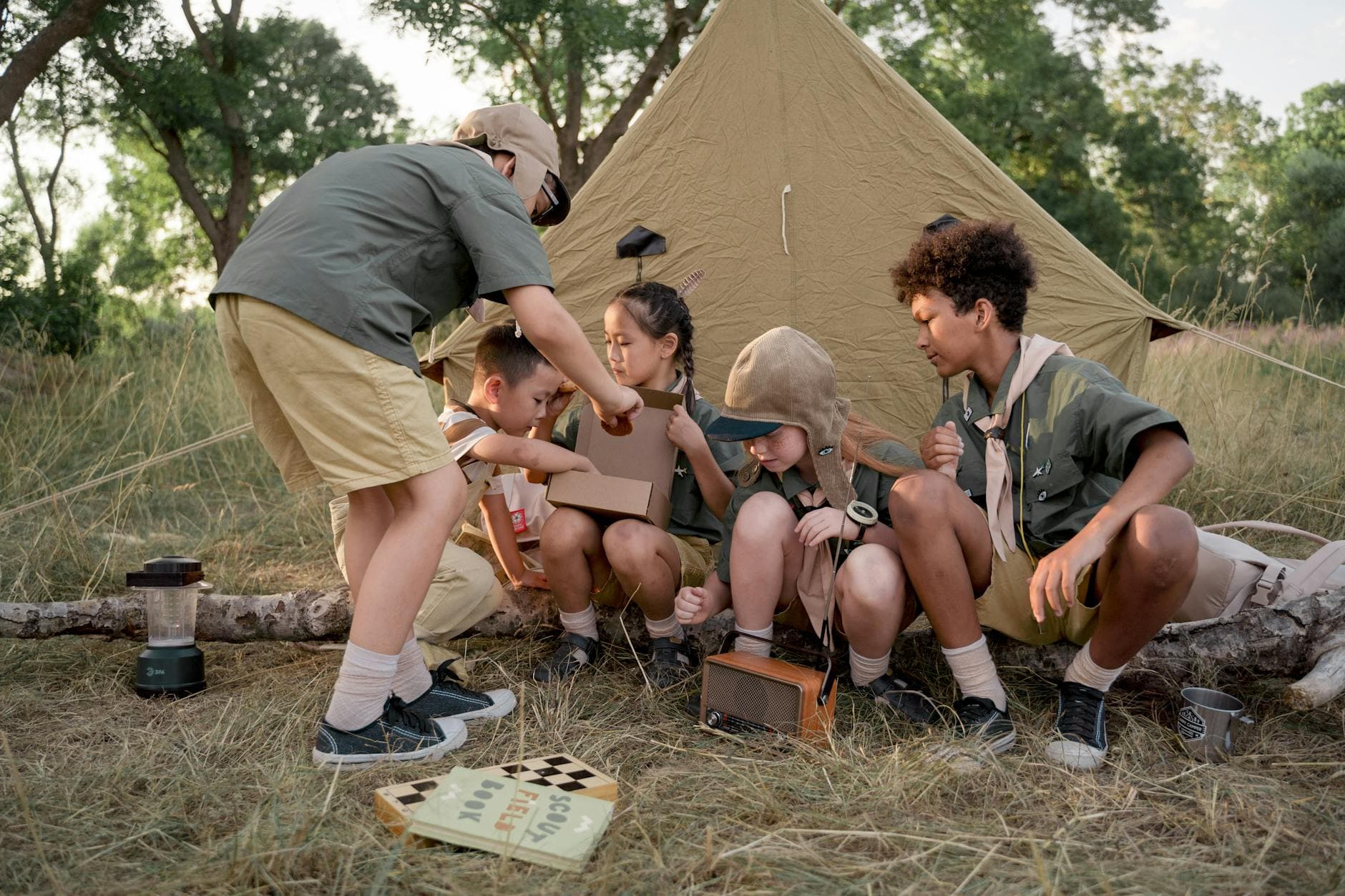
There's a common idea out there that kids' social skills are best honed in structured playgroups or classrooms, with adults orchestrating every interaction. Honestly, that couldn't be further from the truth when it comes to developing robust outdoor social skills. While adult guidance has its place, the wild, unpredictable arena of the outdoors is where true social learning often takes root and flourishes.
The Untamed Classroom: Why Outdoors Matters Most
Beyond the Four Walls
Think about it. Indoors, especially in a controlled environment, things tend to be predictable. Toys are limited, rules are explicit, and adult intervention is usually swift. Outdoors, however, is a dynamic, ever-changing landscape. This inherent unpredictability is precisely what sparks genuine social problem-solving and adaptation in children. It’s where they learn to negotiate, share spontaneously, and navigate the messy, beautiful world of peer relationships without a safety net.
Nature's Social Laboratory
When kids are outside, they're not just burning energy; they're engaging in a rich form of child social development outdoors. They encounter new textures, sounds, and possibilities for play that simply don't exist inside. A fallen log becomes a pirate ship. A pile of leaves transforms into a secret fort. These imaginative leaps require collaboration. They need to agree on the ship's destination or the fort's rules. This organic process fosters a deeper understanding of others' perspectives and desires, forming the bedrock of nature social skills.
The Power of Unstructured Play
This is where the magic really happens. Unstructured play outdoor social skills allows children to initiate, lead, and respond in ways that structured activities often don't permit. They might invent a game on the spot, requiring them to explain the rules, assign roles, and manage disagreements. This isn't just fun; it's vital childhood social learning. It’s in these moments that they practice taking turns, asserting their needs respectfully, and understanding the give-and-take essential for healthy peer interactions.
Navigating the Social Landscape Outside
Sharing and Negotiation in Action
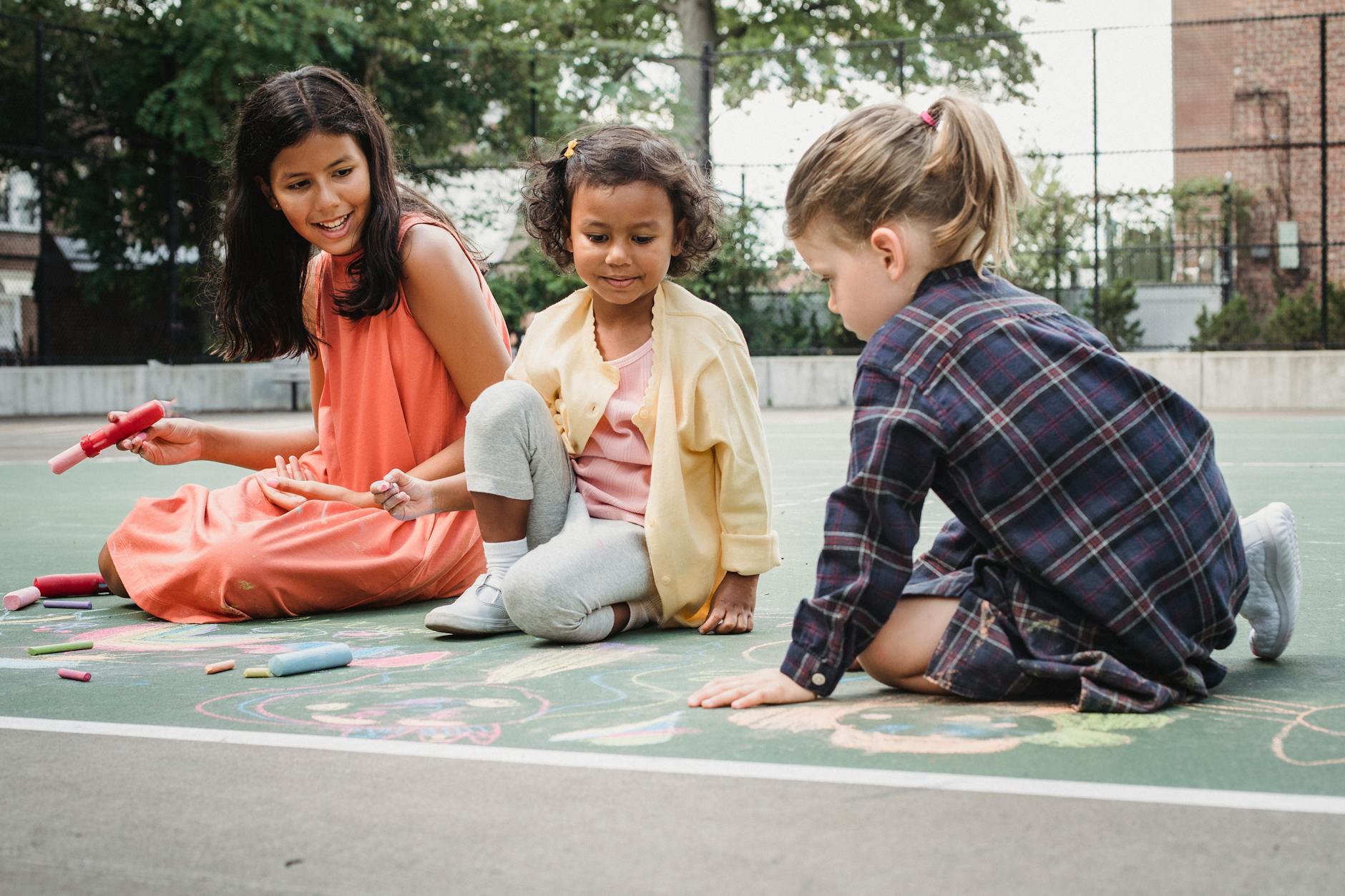
One of the most immediate lessons learned outdoors is sharing. There might be only one perfect climbing tree or a limited supply of smooth stones for skipping. Children learn to negotiate who goes next, how long someone can use a particular resource, and how to compromise when desires clash. This isn't about being told to share; it's about experiencing the natural consequences of not sharing (like no one wanting to play with them) versus the rewards of cooperation. This is a fundamental aspect of developing social interaction.
Empathy Through Shared Experience
When one child scrapes a knee on the pavement or gets frustrated because their elaborate sandcastle is crumbling, others have the opportunity to show empathy. They can offer a comforting word, help rebuild, or simply understand the shared disappointment. These moments of shared experience, both positive and negative, build emotional intelligence and strengthen bonds. It’s a powerful way of improving peer relationships. This kind of learning is often cited in American Psychological Association research on outdoor social skills.
Building Confidence Through Competence
Mastering a new physical challenge outdoors—climbing a bit higher, balancing on a beam, or successfully navigating a muddy patch—builds immense confidence. This confidence then spills over into their social interactions. A child who feels capable and secure in their physical abilities is often more willing to take social risks, initiate conversations, and engage with new peers. It’s a fantastic way of building confidence in children.
Overcoming Hurdles: Common Challenges and Solutions
When Shyness Takes Hold
You've probably noticed that some children are naturally more reserved. For them, stepping into a busy park can feel overwhelming. The key here isn't to force them, but to gently encourage. Start with shorter, less crowded outings. Perhaps explore a quieter nature trail first. Familiarity breeds comfort. You can also model social behaviors yourself, showing them how to approach other families or initiate a simple greeting. This is crucial for social skills for toddlers outdoors, where they are just beginning to understand social cues.
Managing Conflict Resolution
Conflict is inevitable when children play together, and the outdoors is no exception. Instead of immediately stepping in to solve every squabble, give them a moment to try and work it out themselves. Observe from a distance. If it escalates, guide them through the process. Ask questions like, "What happened?" and "What do you think would be a fair way to solve this?" This teaches them valuable conflict resolution skills, a core component of childhood play and social growth. I'll be real with you, this is harder than it sounds, but so rewarding when they start figuring it out.
The Role of Parental Involvement
While unstructured play is vital, parenting outdoor activities doesn't mean abandoning your child to fend for themselves. Your role is to facilitate, not dictate. You can introduce them to other children, suggest a collaborative activity, or simply be a safe base they can return to if they feel anxious. Your presence can provide the security needed for them to explore social boundaries. It's about finding that balance between independence and support.
Here's the Truth: Nature's Unique Contribution
The Sensory Richness of the Outdoors
What nobody tells you is how the sheer sensory input of the outdoors impacts social learning. The rustling leaves, the scent of pine, the feel of cool water—these rich sensory experiences can create shared moments of wonder that transcend verbal communication. Children might point out a brightly colored bird together or marvel at a unique mushroom. These shared observations foster a sense of connection and mutual engagement that is deeply social. This is a key aspect of child social development outdoors.
Reduced Pressure, Increased Freedom
Honestly, the pressure to perform socially is often much lower in an outdoor setting. There are fewer eyes judging their every move compared to a structured classroom. This freedom allows children to be more authentic, to experiment with different social roles, and to make mistakes without feeling overly self-conscious. This is a critical factor in developing social interaction and fostering genuine connections.
The Long-Term Impact of Nature Play
The benefits of nature play benefits extend far beyond immediate social interactions. Children who regularly engage with nature often develop a greater sense of curiosity, resilience, and problem-solving abilities. These traits are intrinsically linked to social competence. They learn to adapt to changing circumstances, both in the environment and in their social dynamics. This is a finding consistently supported by Psychology Today research on outdoor social skills.
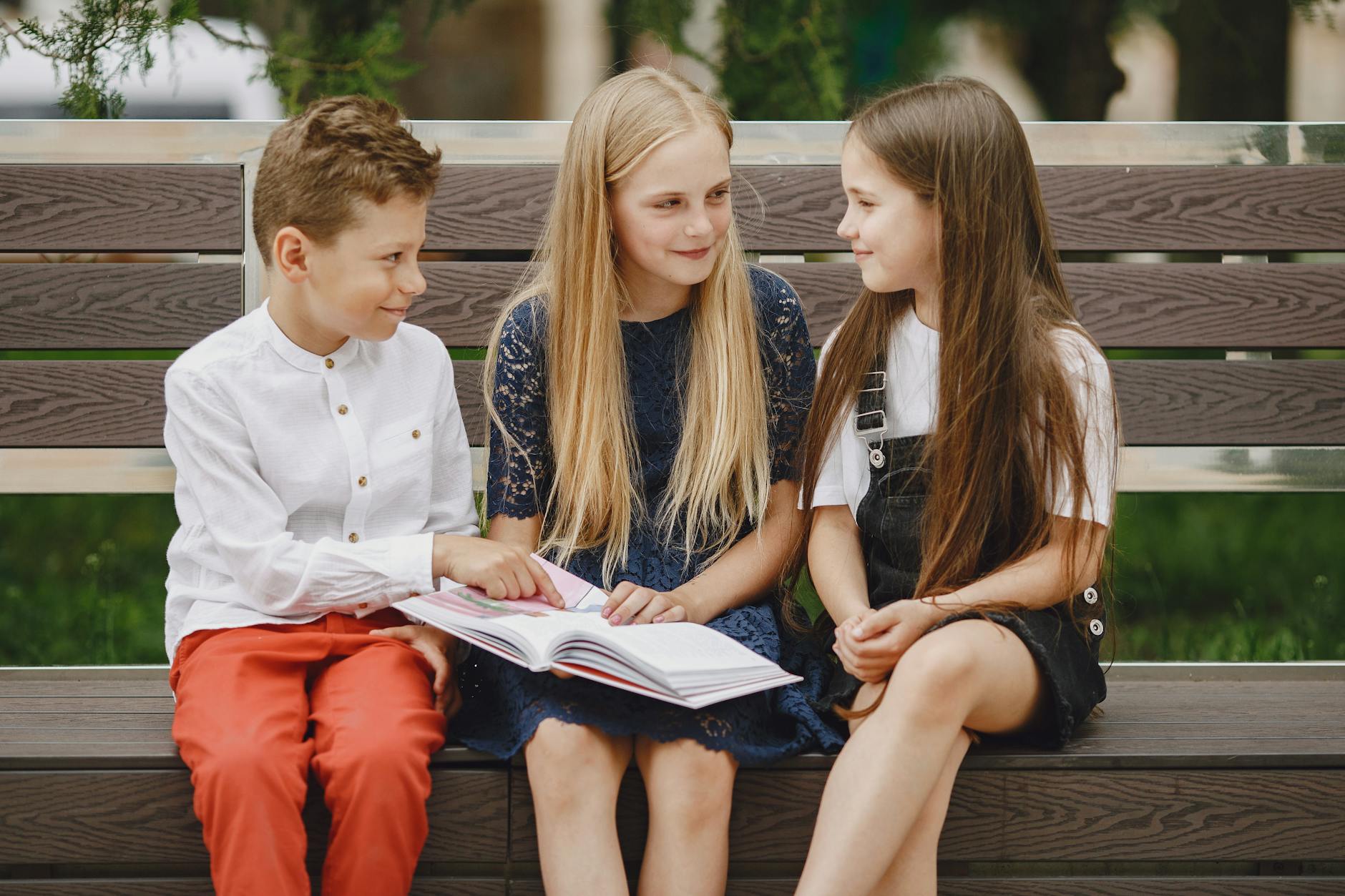
Practical Tips for Fostering Outdoor Social Skills
Plan Regular Outdoor Adventures
Make time for the park, the woods, or even just your backyard a regular part of your routine. Consistency is key. Even a short 30-minute outing can provide valuable social learning opportunities. Think about exploring local trails, visiting a playground, or even just having a picnic in a new spot. This aligns with great parenting outdoor activities for all ages.
Encourage Cooperative Games
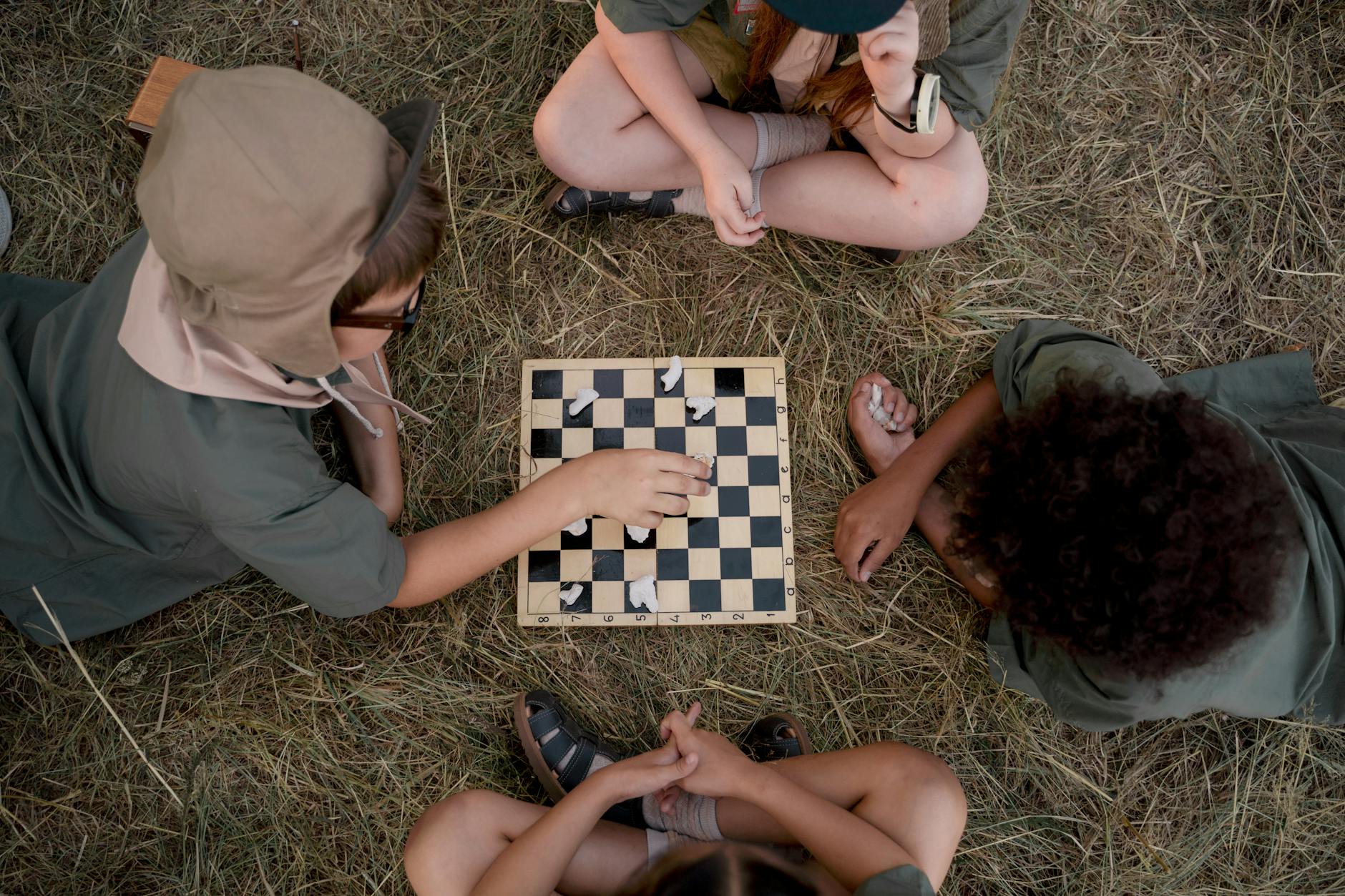
While unstructured play is paramount, sometimes a gentle nudge towards cooperative games can be beneficial. Think scavenger hunts, building a fort together, or playing a simple game of tag where everyone is included. These activities naturally encourage teamwork and communication. For younger children, you might introduce them to the joys of toddler spring nature exploration, where simple shared discoveries can spark connection.
Model and Narrate Social Behavior
Children learn by watching. When you're interacting with others outdoors, let your child see you being friendly, polite, and cooperative. You can also narrate your own social thinking: "I'm going to ask that family if we can share the picnic table. It looks like they're almost done." This provides them with a verbal blueprint for social engagement. This is especially helpful when considering social skills for toddlers outdoors.
Embrace the Mess and the Imperfection
Outdoors is rarely pristine. Muddy clothes, scraped knees, and occasional tears are all part of the experience. Embrace it! These are the moments where resilience is built, and where children learn to cope with minor setbacks. This is also where they learn valuable lessons about hygiene and self-care, which are also subtle social cues. This mirrors the idea of navigating child emotional changes, where understanding and managing feelings is key.
The Lasting Legacy of Outdoor Social Growth
Ultimately, fostering strong outdoor social skills is about giving children the space and opportunity to learn, grow, and connect authentically. It's about recognizing that the natural world is an unparalleled classroom for developing empathy, cooperation, and confidence. While indoor activities have their merits, the freedom and dynamic nature of the outdoors provide a unique and powerful environment for child social development outdoors. You're not just creating playmates; you're helping to shape resilient, adaptable, and compassionate individuals ready to engage with the world around them. The lessons learned on a forest trail or at a bustling playground will serve them far longer than any worksheet ever could. This is why prioritizing nature social skills is so profoundly important for their overall well-being, as supported by extensive National Institutes of Health research on outdoor social skills.