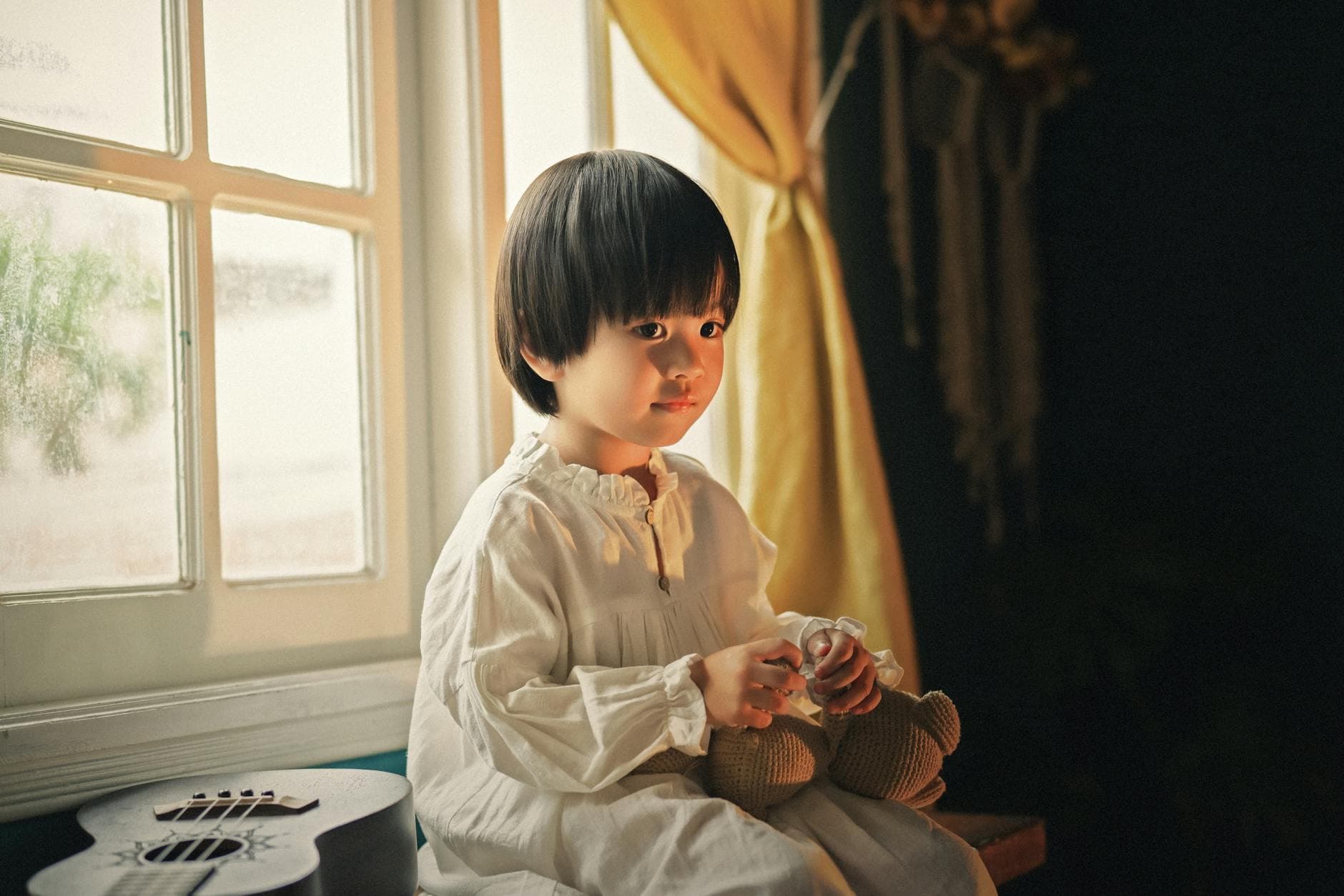
Did you know that a child's emotional landscape can shift more dramatically in a single year than an adult's might in a decade? It’s true. The journey of understanding and navigating child emotional changes is one of the most profound, and sometimes baffling, aspects of parenting. We often expect our children to be stable, predictable beings, but the reality is far more dynamic. Their emotions are like a rapidly changing weather system – one moment sunshine, the next a sudden storm. This constant flux is not a sign of misbehavior or a flaw in their development; it's the very engine of their growth.
The Ever-Shifting World of Child Emotions
The Unfolding of Emotional Capacity
From the earliest coos to the dramatic pronouncements of a teenager, children are constantly developing their capacity to feel, express, and understand emotions. This isn't a linear path; it's a winding road with unexpected turns. What seems like a step backward can often be a necessary pause before a leap forward. I’ve seen countless parents feel overwhelmed by what appear to be drastic child mood swings, only to realize they are witnessing critical milestones in emotional development.
Why "Spring Emotions" Matter
Just as nature undergoes a significant transformation in spring, so too do children. This period can bring about a surge of new experiences, increased social interaction, and a general shift in energy. Think about the Preschool Spring Schedule: Fun & Learning Balance – more outdoor time, new activities, and different social dynamics. These external changes naturally ripple into a child's internal emotional world, leading to what some might call "spring emotions." It’s a time of awakening, and with awakening comes a spectrum of feelings, from excitement and joy to frustration and overwhelm.
Understanding the "Why" Behind the Tears (or Tantrums)
It’s easy to get caught up in the "what" – the crying, the yelling, the sudden withdrawal. But the real work lies in understanding the "why." Every emotional outburst, every quiet withdrawal, is a communication. It’s a child’s way of telling us they are struggling, they are overloaded, or they are trying to make sense of something complex. This is where the real magic of parental guidance emotions comes into play – not just managing the behavior, but understanding the underlying feeling.

Talking About Feelings: Your Most Powerful Tool
Creating a Safe Space for Expression
The foundation of healthy emotional development is the ability to talk about feelings. But how do we create an environment where kids feel safe to do so? It starts with us. When we react to their emotions with judgment or dismissal, we teach them to hide those emotions. Conversely, when we approach their feelings with curiosity and acceptance, we empower them. I remember a parent telling me their daughter, usually quite reserved, burst into tears after a playdate. Instead of asking "What's wrong with you?", the parent gently asked, "It looks like you're feeling really sad right now. Can you tell me about it?" That simple shift opened the door.
Beyond "Are You Okay?": Deeper Conversations
Asking "Are you okay?" is a good start, but it often elicits a simple "yes" or "no." We need to move beyond these surface-level questions. When you notice a change in your child's demeanor, try more specific prompts. "I noticed you seemed a little quiet after school today. Were you feeling a bit tired, or was something else on your mind?" This kind of open-ended inquiry encourages them to elaborate. Learning how to talk to kids about feelings involves patience and a willingness to listen without immediately jumping to solutions.
Vocabulary is Key: Labeling Emotions
Children can't express what they don't have words for. Helping kids build an emotional vocabulary is crucial for understanding child emotions. Instead of just saying "You're being naughty," try "It looks like you're feeling very angry right now. It's okay to feel angry, but it's not okay to hit." This distinction is vital. Resources from places like Psychology Today research on child emotional changes often highlight the importance of this emotional literacy.

Navigating Child Emotional Regulation
What is Emotional Regulation, Really?
Child emotional regulation isn't about suppressing feelings; it's about learning to manage them in healthy and constructive ways. It’s the ability to calm oneself down when upset, to think before acting on impulses, and to bounce back from disappointment. This skill develops over time, and it’s a significant part of child psychology emotions. Think of it like learning to ride a bike – there are wobbles, falls, and moments of frustration before achieving balance and control.
The Role of the Parent as Co-Regulator
Especially for younger children, parents are their external regulators. When a toddler is having a meltdown, your calm presence and gentle guidance help them learn to soothe themselves. This is a critical aspect of parenting emotional kids. You are their anchor in the storm. This isn't about letting them get their way; it's about showing them that their big feelings are manageable and that you are there to help them through it.
Strategies for Helping Kids Manage Emotions
There are practical strategies you can employ. Deep breathing exercises, for instance, can be incredibly effective for both children and adults. Creating a "calm-down corner" with soft pillows and sensory toys can provide a safe space for a child to decompress. For older children, journaling or drawing their feelings can be a powerful outlet. Remember, this is a skill that requires practice, and there will be setbacks. What’s important is consistency and support. Research from Healthline research on child emotional changes offers many such practical tips.

The Impact of External Factors on Emotional Well-being
The Influence of Routine and Environment
A child's emotional state is deeply intertwined with their daily routines and environment. Disruptions to sleep, changes in diet, or even shifts in the weather can impact their mood. Think about the transition from winter to spring. The increased sunlight, longer days, and opportunities for outdoor play, as highlighted in articles on Toddler Spring Nature: Boost Skills Outdoors!, can lead to increased energy and a brighter outlook. Conversely, a sudden change in routine, like a shift in childcare or a move, can trigger significant emotional responses.
Social Interactions and Peer Relationships
As children grow, their social world expands, and so do the emotional complexities they encounter. Navigating friendships, understanding social cues, and dealing with peer pressure are all significant challenges that can lead to child emotional changes. A seemingly minor disagreement with a friend can feel like the end of the world to a young child. Learning to resolve conflicts and build healthy relationships is a lifelong skill that begins in early childhood.
When to Seek Professional Guidance
While child mood swings and emotional ups and downs are normal, there are times when persistent or extreme emotional distress warrants professional attention. If your child's emotions are significantly impacting their daily life, their ability to function at school, or their relationships, it's a good idea to consult with a pediatrician or a child psychologist. Organizations like the American Psychological Association research on child emotional changes provide resources and guidance on when and how to seek help.

Supporting Your Child Through Emotional Growth Spurts
Recognizing Developmental Leaps
Sometimes, what feels like a sudden regression in behavior or an intensification of emotions is actually a sign of a developmental leap, similar to a Child Growth Spurt: Nutrition & Support for Your Child. These periods of rapid development, often referred to as "growth spurts" in cognitive and emotional terms, can be challenging but are ultimately signs of progress. Your child is integrating new skills and understanding, which can be overwhelming.
The Power of Play and Independent Exploration
Play is not just a pastime; it's a crucial vehicle for emotional processing and learning. Through imaginative play, children can explore different roles, work through complex scenarios, and practice social skills. Encouraging independent play, as discussed in Independent Play Toddler: Spring Fun & Skills, allows children to build confidence, problem-solve, and develop their own coping mechanisms. It’s a safe space for them to experiment with their emotions.
Your Own Emotional Well-being Matters
Parenting emotional kids can be emotionally taxing. It’s vital to remember that you cannot pour from an empty cup. Prioritizing your own well-being, managing your own stress, and seeking support when you need it are not selfish acts; they are essential for being the best parent you can be. When you are emotionally regulated, you are better equipped to help your child navigate their own emotional storms. This one surprised me early on in my career – I thought it was all about the child, but the parent's state is foundational.
The journey of child emotional changes is ongoing, a testament to the vibrant, dynamic nature of our children. It’s a journey filled with moments of frustration, yes, but also profound connection and immense growth. By fostering open communication, practicing empathy, and providing consistent support, you are equipping your child with the tools they need not just to survive, but to thrive in their emotional world. Embrace the flux, celebrate the small victories, and remember that your presence is the most powerful stabilizing force they have.