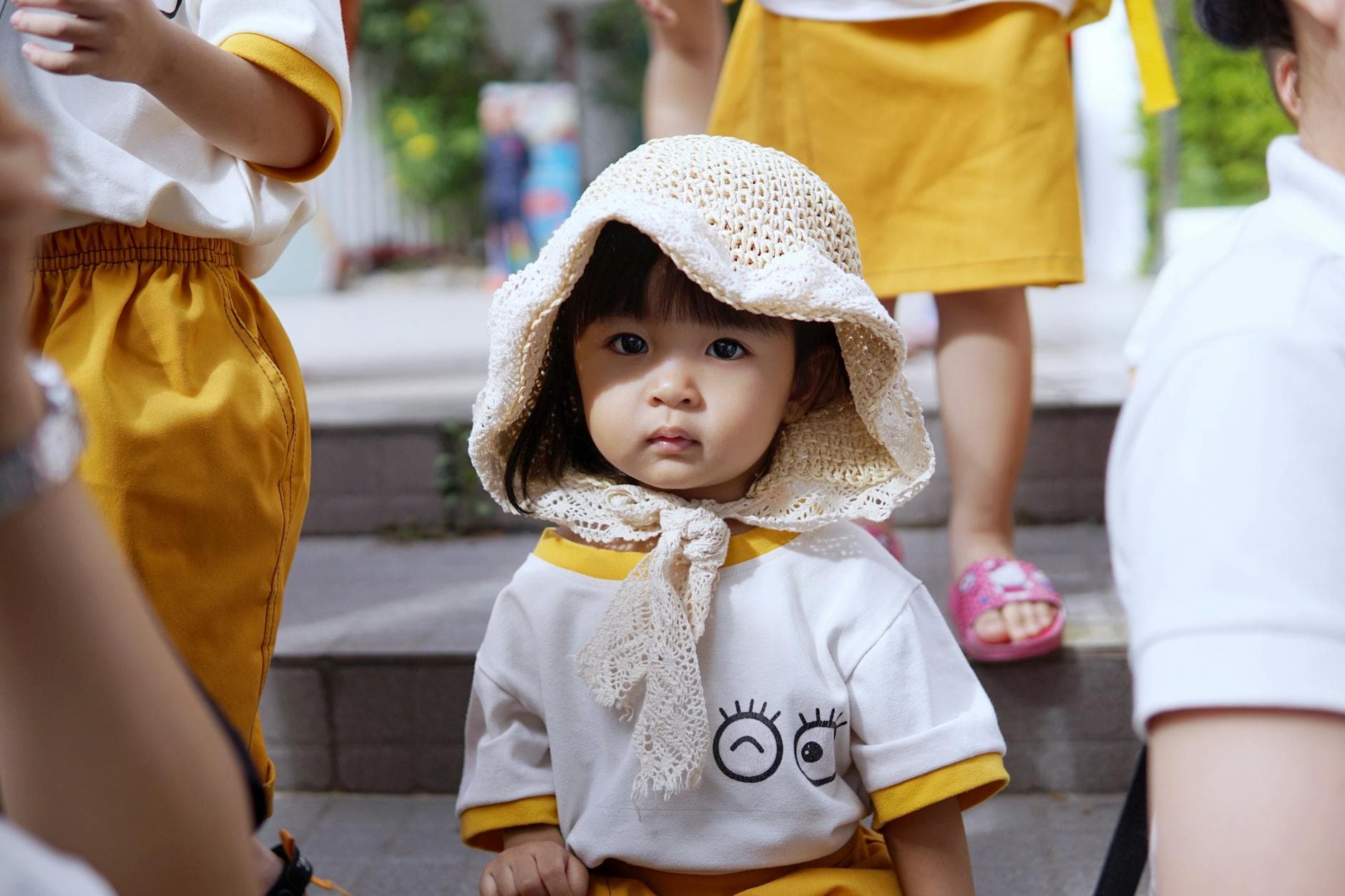
Have you ever watched a group of preschoolers navigate a playground, a birthday party, or even just a shared toy bin and felt a pang of… something? Maybe admiration for their uninhibited interactions, or perhaps a quiet worry about how they're learning to connect? Understanding and fostering preschool social skills is a journey we all embark on with our little ones, and it's one of the most rewarding aspects of early childhood development.
It's easy to think that social skills just "happen," but I'll be real with you, they don't. They are built, brick by brick, through consistent guidance, opportunities, and a whole lot of patience. As a parent and a long-time observer of child development, I've seen firsthand how crucial these early interactions are for setting a positive trajectory for a child's life. We're not just talking about learning to share toys; we're talking about laying the foundation for empathy, effective communication, and healthy relationships that will last a lifetime.
The Cornerstone of Childhood: Developing Social Skills
When we talk about develop social skills preschoolers need, we're really talking about equipping them with the tools to understand themselves and others. This is more than just knowing "please" and "thank you." It's about recognizing emotions, managing frustration, initiating play, and resolving conflicts – all complex tasks for tiny humans!
Understanding the Building Blocks
Think about the last time you saw a toddler try to grab a toy from another child. It’s not malicious; it’s a direct expression of desire. Teaching them to ask, to wait their turn, or to find a different toy are the first, fundamental lessons in social interaction. These are the early glimmers of emotional regulation and impulse control.
The Role of Play-Based Learning
Here's the thing: play is a preschooler's work, and it's also their primary classroom for social learning. Through imaginative scenarios, role-playing, and cooperative games, children naturally practice negotiation, compromise, and taking on different perspectives. This is why play based learning is so incredibly effective for building robust preschool social skills.
Nurturing Empathy and Understanding
Empathy is a skill that needs to be cultivated. When a child sees another child crying, prompting them to ask "Are you okay?" or to offer a comforting gesture, they are practicing empathy. This deepens their understanding of emotional states and fosters a more compassionate outlook.
The Unparalleled Power of Outdoor Play
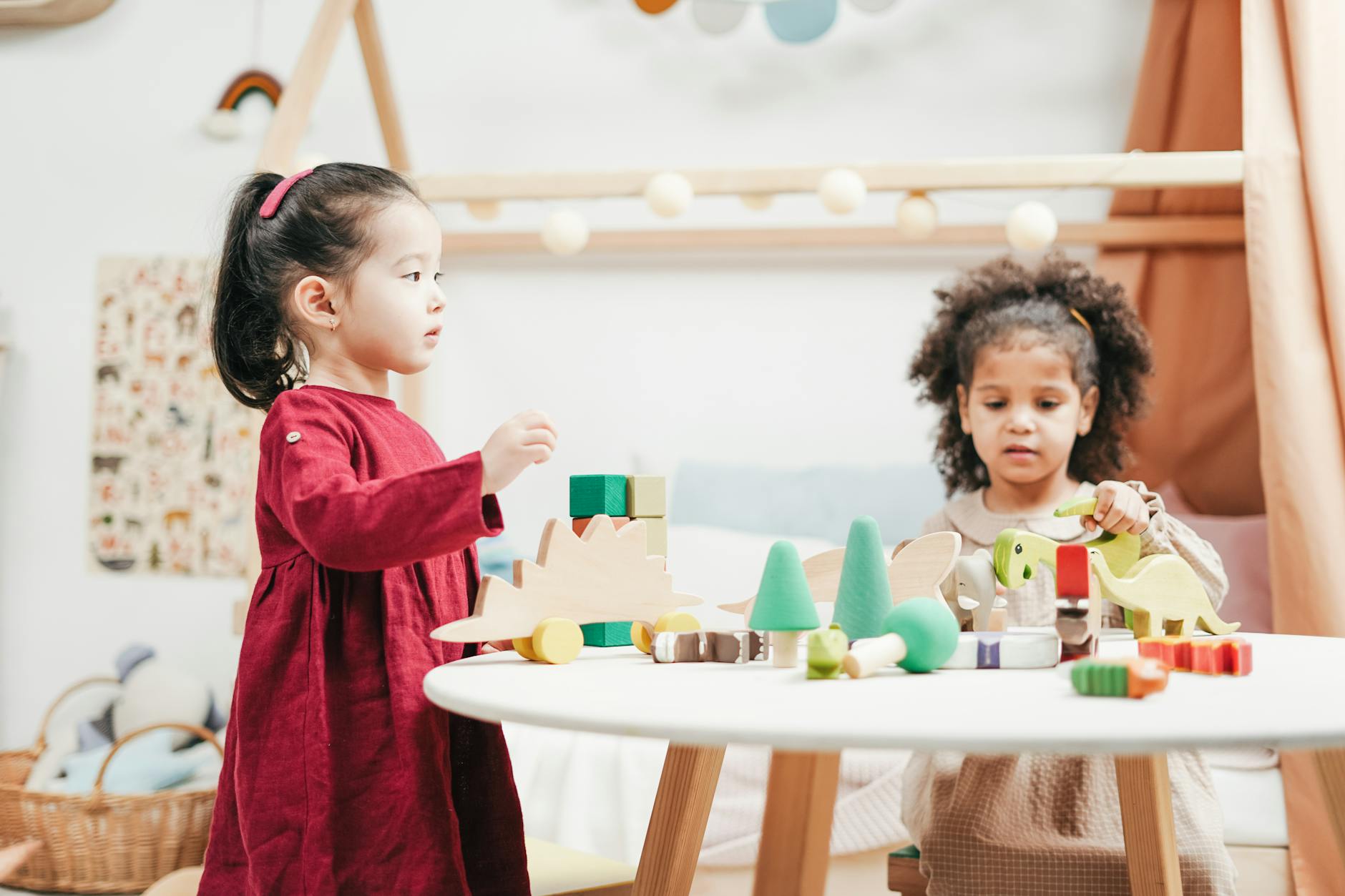
If there's one area where I've seen the most organic and impactful social development, it's outdoors. The freedom, the space, and the sheer variety of experiences available in an outdoor setting provide a rich environment for social growth. Outdoor play social skills are often developed more naturally because the stakes feel lower and the distractions of indoor life are removed.
Freedom to Explore and Interact
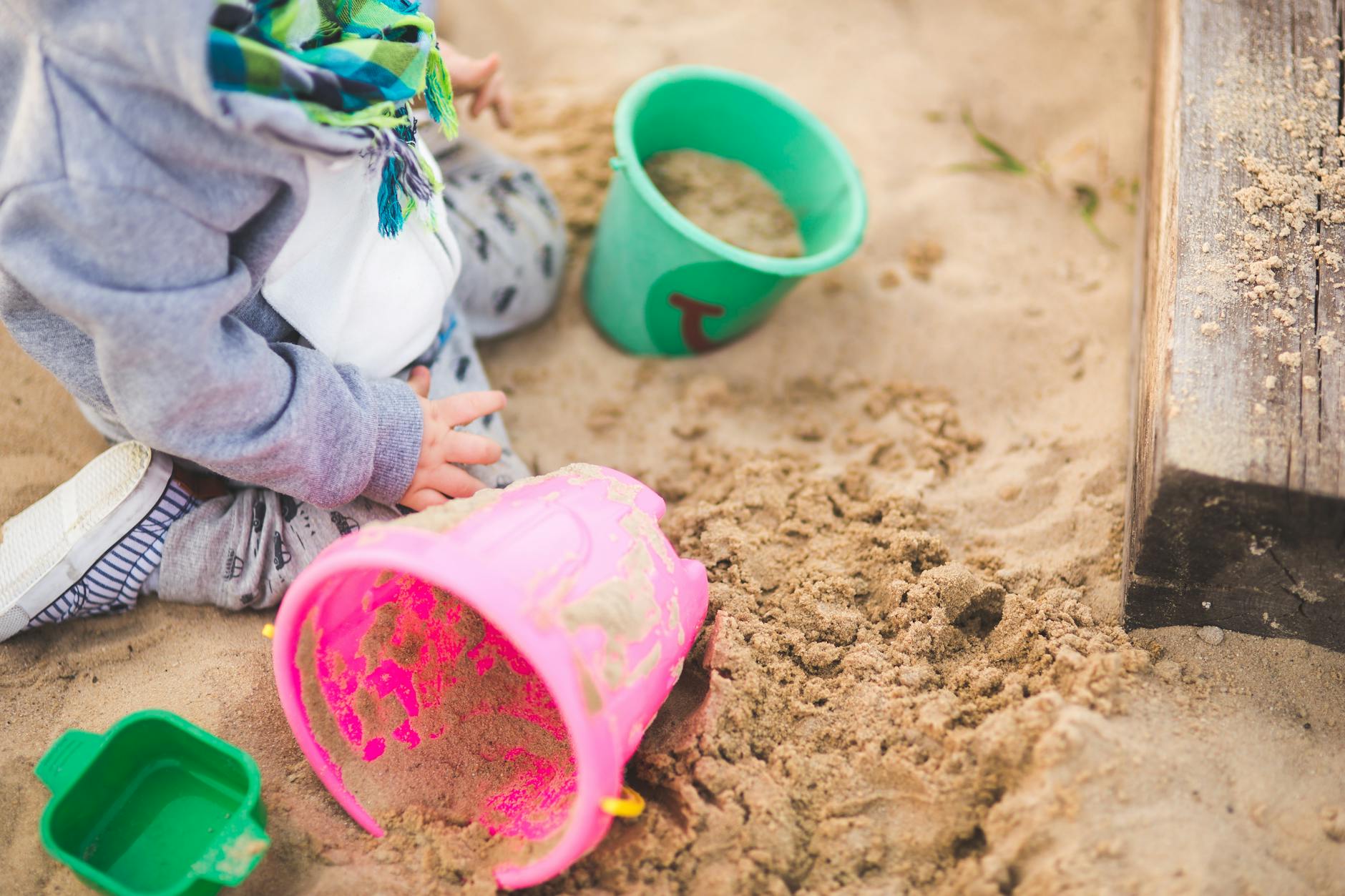
When children are outside, they have more room to move, to run, to chase. This physical freedom often translates into a greater willingness to engage with peers. Imagine a group of children building a fort together or digging in the sand. These activities inherently require teamwork, communication, and problem-solving. It’s a fantastic way to develop social skills preschoolers can carry with them.
Learning Through Shared Adventures
The shared adventure of exploring a park, collecting leaves, or even just splashing in puddles creates a common ground for interaction. Children learn to share discoveries, to collaborate on tasks, and to navigate the natural challenges that arise, like deciding who gets to use the bright red shovel first. This is where child development outdoors truly shines.
Developing Independence in Social Settings
The great outdoors also fosters a sense of independence, which is crucial for building confidence in social situations. When children are encouraged to explore and play with less direct supervision, they learn to initiate interactions, solve minor conflicts on their own, and feel more self-assured when approaching new social scenarios. This is particularly true for developing preschooler independence through outdoor fun.
Strategies for Encouraging Social Skills
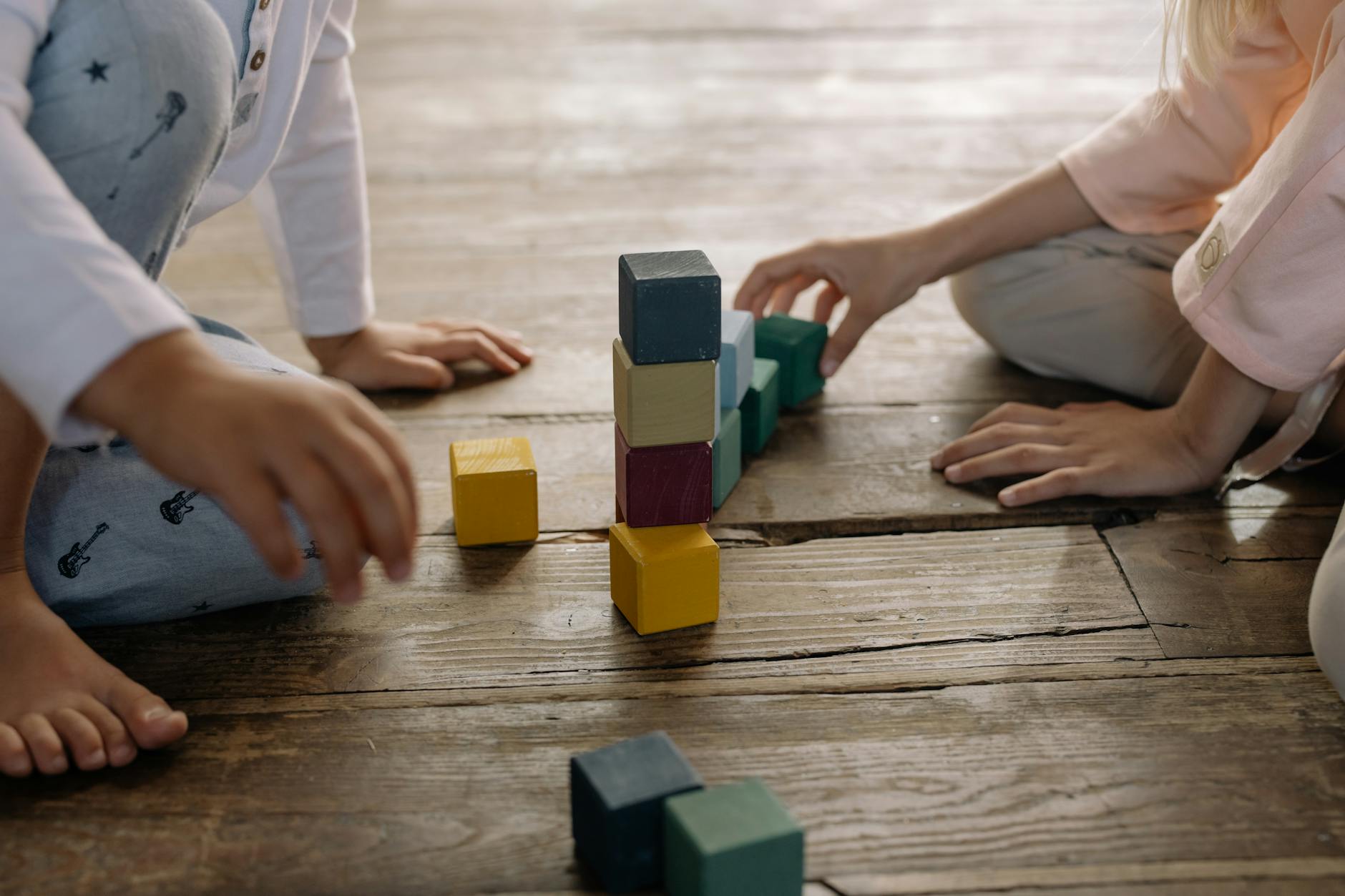
As parents and caregivers, we play an active role in shaping these crucial abilities. It's not about forcing interactions, but about creating supportive environments and offering gentle guidance. Encouraging social skills is an ongoing, rewarding process.
Facilitating Playdates and Group Activities
Organized playdates or joining a preschool class are excellent opportunities for structured preschool social interaction. Start with short, focused playdates with one or two familiar children. This allows your child to practice their skills in a less overwhelming setting. As they grow more comfortable, you can gradually increase the group size and duration.
Modeling Positive Social Behavior
Children are sponges, and they learn by watching us. Model good listening, clear communication, and respectful interactions in your own relationships. When you’re talking to your child, make eye contact, use a calm tone, and show genuine interest. This sets a powerful example for how they should interact with others.
Teaching Conflict Resolution Skills
Conflicts are inevitable, but how we handle them is what matters. When a dispute arises, resist the urge to immediately jump in and fix it. Instead, help your child understand the other child's perspective and guide them towards a solution. Phrases like, "He looks sad because you took his truck. Can you ask him if you can have a turn when he's done?" are invaluable.
Using Books and Stories
Books are wonderful tools for exploring social concepts. Read stories that feature characters navigating friendships, resolving disagreements, or showing kindness. Discuss the characters' feelings and actions. This provides a safe space to talk about complex social dynamics and reinforces the importance of sharing and cooperation.
Communication: The Bedrock of Social Connection
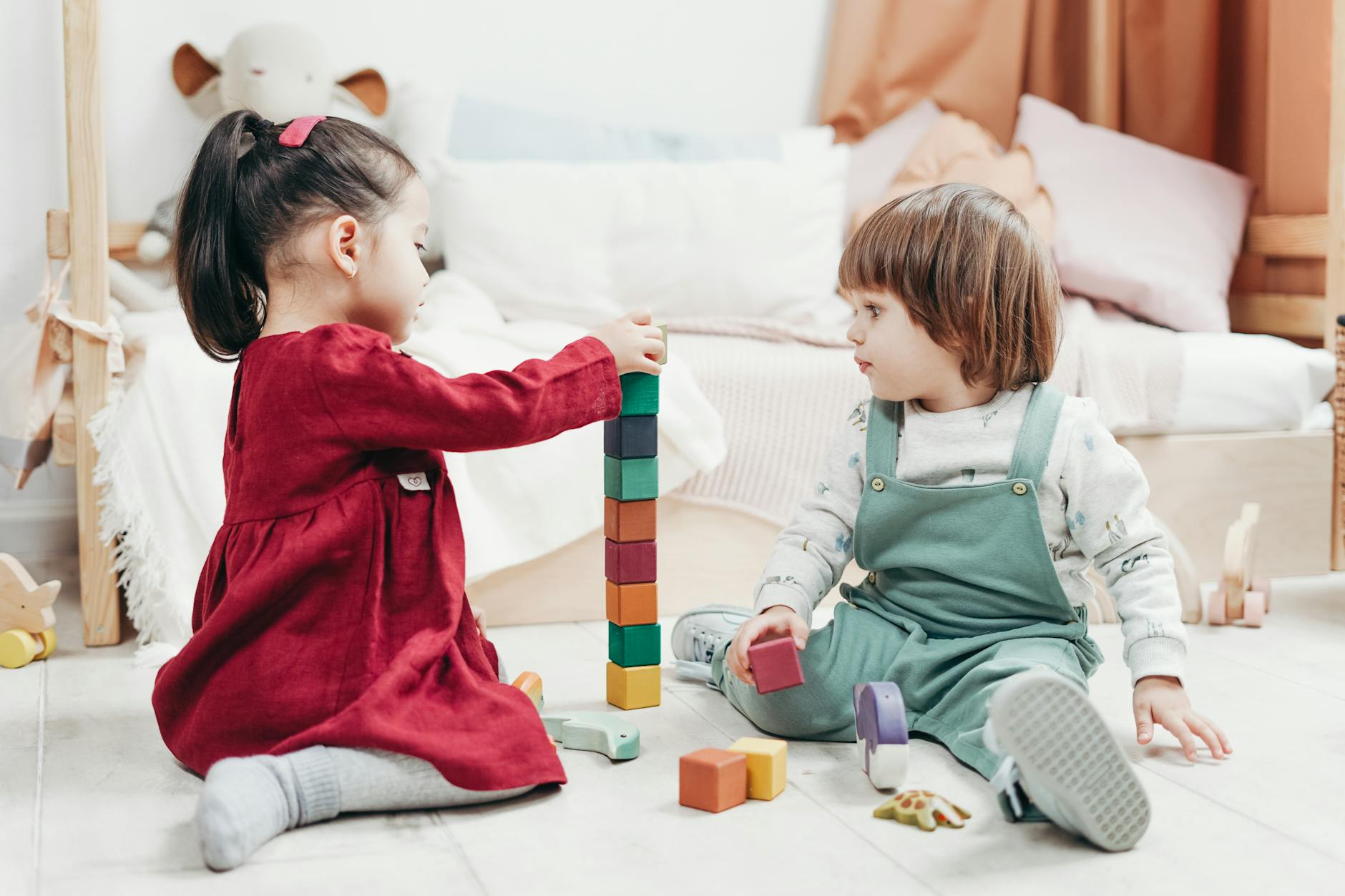
At the heart of all successful social interactions is effective communication. For preschoolers, this means more than just speaking; it involves listening, understanding non-verbal cues, and expressing needs clearly. Developing strong communication skills for kids is fundamental to their social development.
Active Listening and Turn-Taking
When your child is talking, encourage them to look at you and listen to what you're saying. Practice taking turns in conversations. This can be as simple as playing a game where each person gets to speak for a minute before the other responds. This teaches patience and respect in dialogue.
Expressing Feelings Appropriately
Preschoolers often struggle to articulate their emotions, leading to meltdowns or aggressive behavior. Help them identify and label their feelings – "You seem angry because your tower fell down," or "Are you feeling frustrated because you can't reach that toy?" Providing them with the vocabulary to express themselves is a huge step towards healthier interactions.
Non-Verbal Communication Awareness
Beyond words, children need to learn to read body language and facial expressions. Point out these cues during everyday interactions. "Look at how sad Sarah's face is. I think she might be feeling left out." This helps them become more attuned to the emotional states of others, a key component of social emotional development.
Building Friendships in the Preschool Years
The desire for friendship blossoms in the preschool years, and learning how to initiate and maintain these connections is a vital part of building friendships preschool children will cherish. It's a delicate dance of approaching others, sharing interests, and learning to be a good friend.
Initiating Interactions
Some children are naturally outgoing, while others are more hesitant. For shy children, you can help them by suggesting simple opening lines like, "Can I play too?" or "That looks like fun!" You might even initiate an interaction yourself by saying to another child, "My child loves building with blocks. Would you like to build together?"
Understanding Reciprocity
Friendship is a two-way street. Children learn that to have friends, they also need to be friendly. This involves sharing, taking turns, and showing interest in what the other person is doing. It’s about give and take, and it’s a crucial aspect of preschool social skills.
Navigating Group Dynamics
As children get older, they move from one-on-one play to larger group interactions. This can be more complex, involving understanding group rules, following the flow of play, and knowing when to assert oneself and when to go with the flow. Supporting them through these more intricate social landscapes is essential.
The Long-Term Impact of Strong Social Skills
Investing time and effort into fostering preschool social skills is one of the most impactful things we can do for our children's future. The lessons learned on the playground, during shared activities, and in navigating early conflicts ripple outward, shaping their academic success, their mental well-being, and their ability to form lasting, meaningful relationships.
Academic Success and School Readiness
Children with strong social skills are often better prepared for school. They can follow instructions, work cooperatively in a classroom setting, and manage their emotions, all of which contribute to a more positive learning experience. This is backed by extensive The Gottman Institute research on preschool social skills.
Emotional Well-being and Resilience
The ability to connect with others, to understand and manage emotions, and to resolve conflicts are cornerstones of good mental health. Children who develop these skills early tend to be more resilient in the face of challenges and have a greater sense of belonging. You can find more on this through Healthline research on preschool social skills.
Building a Foundation for Healthy Relationships
Ultimately, the capacity to form and maintain healthy relationships is one of life's greatest achievements. The early lessons in empathy, communication, and cooperation learned during the preschool years provide the essential foundation for these lifelong connections. This is a theme consistently explored in Psychology Today research on preschool social skills.
So, the next time you see your little one in a social situation, remember that they are actively learning, growing, and building the essential skills that will serve them throughout their lives. Be present, be patient, and celebrate every small victory. It’s a beautiful, messy, and profoundly important journey.