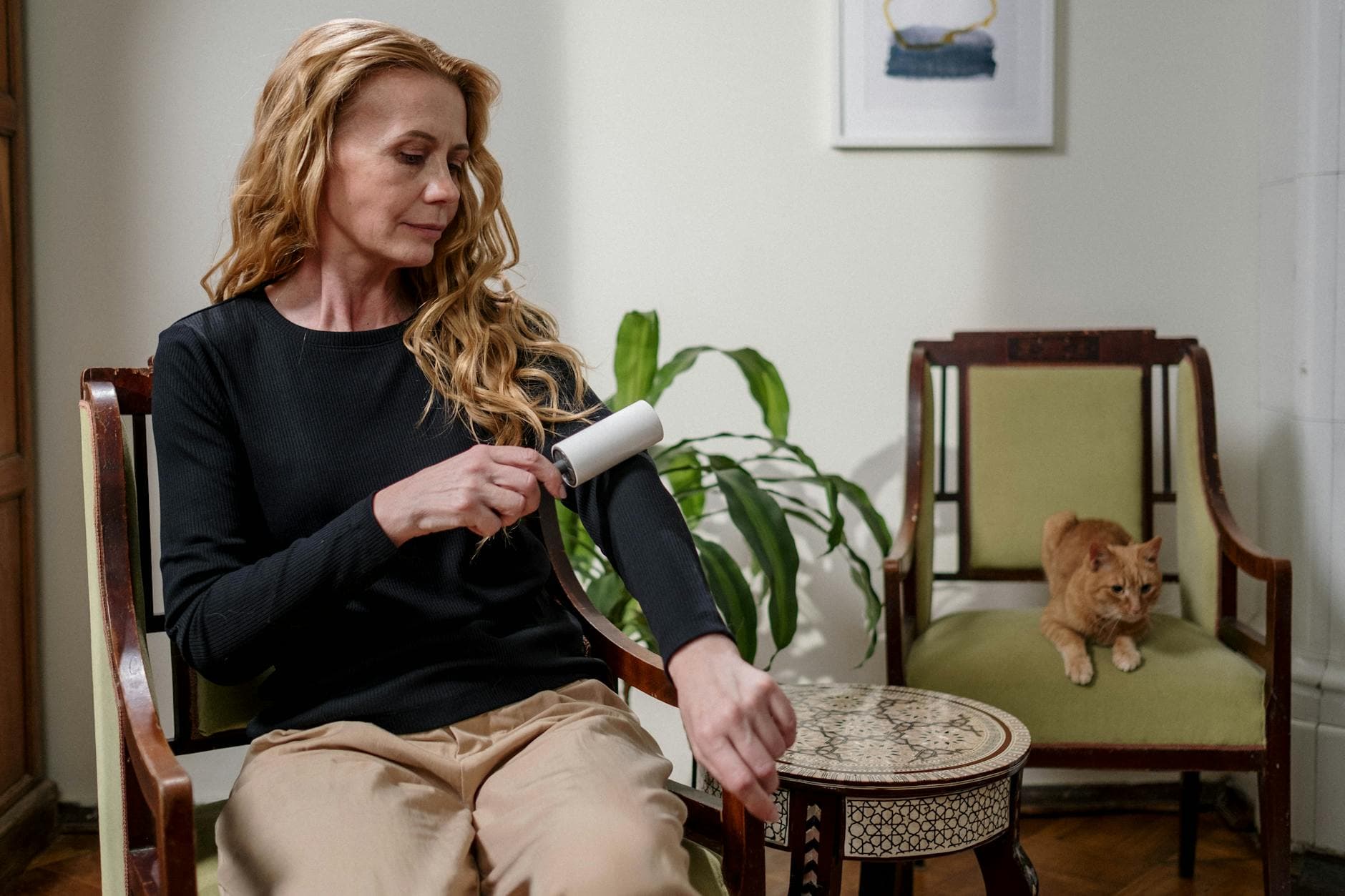
Spring Allergy Parenting: Navigating the Sniffles and Mood Swings
I'll be real with you: for years, I used to chalk up my youngest's springtime grumpiness to just being a "difficult kid." The sneezing, the watery eyes, the sudden outbursts – I thought it was just his personality flaring up with the dandelions. Then, one particularly rough April, after a sleepless night and a public tantrum over a misplaced sock, I finally had a lightbulb moment. It wasn't just him being "difficult." It was spring allergies. This realization was a game-changer for our family, and it’s why I’m so passionate about helping other parents understand the complexities of **spring allergy parenting**.
The Sneaky Saboteur: How Allergies Affect Kids
Spring is supposed to be a season of renewal, of sunshine and outdoor play. But for many children, it's also the season of misery. The pollen count soars, the grass greens up, and suddenly, your usually cheerful kiddo transforms into a cranky, uncomfortable mess. This isn't a coincidence; it's the direct impact of seasonal allergies.
Beyond the Sneeze: Recognizing the Signs
You know the obvious signs: itchy eyes, runny nose, sneezing fits that can rival any cough. But spring allergy symptoms in children go much deeper. Think about the constant irritation, the scratchy throat, the feeling of being congested all the time. It's like having a perpetual head cold, but without the fever.
The Unseen Impact: Allergy Mood Swings Child
This is where things get tricky. A child who is physically uncomfortable and struggling to breathe easily is bound to be irritable. It’s hard to be happy when your nose is clogged and your eyes are burning. This often manifests as **allergy mood swings child**. You might see increased clinginess, short tempers, difficulty concentrating, or even a general feeling of being unwell that spills over into their behavior. Honestly, it can be exhausting for everyone involved.

The Invisible Battle: What Parents Need to Know
It's easy to dismiss these changes as just a phase or typical childhood behavior, but when they coincide with allergy season, it's worth a closer look. The frustration of dealing with **kids spring allergies** can be immense, both for the child experiencing them and for the parents trying to manage the fallout.
The Connection Between Physical Discomfort and Behavior
Think about the last time you had a really bad headache or felt stuffed up for days. Did you feel like being patient and cheerful? Probably not. Children are no different, but they often lack the vocabulary to express their discomfort beyond tears and tantrums. This is a crucial aspect of **parenting seasonal allergies** – understanding that their behavior is often a symptom, not a choice.
Why Diagnosis Matters
If you suspect your child is suffering from spring allergies, getting a proper diagnosis is key. An allergist can pinpoint the specific triggers and recommend the best course of action. This isn't just about relief; it's about understanding the root cause of their discomfort and behavioral changes. It’s about getting them back to feeling like themselves again.
When to Seek Professional Help
Don't hesitate to consult your pediatrician or an allergist if you see persistent symptoms. They can help rule out other conditions and provide tailored advice. Early intervention can prevent a season of misery.
Strategies for Managing Spring Allergies in Kids
Once you've identified allergies as the culprit, you can start implementing strategies to help your child navigate this challenging season. It's about creating a supportive environment and providing effective relief.
Creating an Allergy-Friendly Home Environment
This is your first line of defense. Keep windows and doors closed as much as possible during peak pollen times. Use air purifiers with HEPA filters in bedrooms and common areas. Regular vacuuming and dusting can also make a significant difference.
Medication and Relief Options
There are many safe and effective allergy medications available for children, from antihistamines to nasal sprays. Always consult with your doctor or pharmacist before giving any medication to your child. They can guide you on the right dosage and type of medication for your child's specific needs.
Empowering Your Child with Knowledge
As they get older, involve your child in understanding their allergies. Teach them about their triggers and what they can do to minimize exposure. This sense of agency can be incredibly empowering and reduce anxiety around allergy season.

The Emotional Toll: Parenting During Allergy Season
Let's be honest, **parenting during allergy season** can feel like you're constantly walking on eggshells. The unpredictable nature of allergy symptoms and the resulting behavioral changes can be incredibly draining. You might feel frustrated, guilty, or simply overwhelmed.
Understanding the Emotional Impact of Allergies
The discomfort and lack of sleep associated with allergies can lead to a cycle of irritability and meltdowns. This isn't just about physical symptoms; it's about how those symptoms affect a child's overall well-being and their ability to regulate their emotions. The **emotional impact of allergies** on children is often underestimated.
Supporting Your Child's Emotional Needs
When your child is struggling, your calm presence is their anchor. Offer extra comfort, cuddles, and understanding. Validate their feelings, even if they seem disproportionate to the situation. Sometimes, just being heard can make a world of difference. You might find resources from National Alliance on Mental Illness research on spring allergy parenting helpful for understanding emotional regulation.
Self-Care for the Allergy-Fighting Parent
This is non-negotiable. You cannot pour from an empty cup. Find small moments for yourself, whether it's a quiet cup of tea, a short walk, or a few minutes of deep breathing. Prioritizing your own well-being will enable you to be a more patient and effective parent. The Gottman Institute research on The Gottman Institute research on spring allergy parenting often highlights the importance of parental self-care for overall family harmony.

When Spring Triggers More Than Just Sneezes
I used to think that once the physical symptoms were managed, everything would go back to normal. But here's the truth: allergies can contribute to bigger behavioral issues if not addressed. This is especially true for younger children. For instance, a child experiencing constant ear discomfort from allergies might seem more prone to the kind of outbursts we talk about in Toddler Spring Tantrums: Stop New Triggers Now!
The Link to Childhood Meltdowns
When a child is already feeling unwell, their threshold for frustration is much lower. A minor setback that they might normally shrug off can easily escalate into a full-blown meltdown. Understanding this connection is vital for effective **spring allergy parenting**. It helps you anticipate triggers and intervene before things get out of hand. This is a concept explored in detail in articles on Childhood Meltdowns: Spring Triggers & Expert Solutions.
Boosting Mood and Energy Naturally
Beyond medication, focus on activities that can naturally boost your child's mood and energy. Encouraging gentle outdoor play on lower pollen days, ensuring adequate hydration, and providing nutritious meals can all contribute to their overall well-being. You can find great ideas for this in posts about Boost Spring Child Energy: Play & Develop This Season.
The Importance of Routine
Just like after holidays, maintaining a consistent routine can provide a sense of stability during allergy season. This includes regular sleep schedules and predictable mealtimes. A solid routine can be particularly helpful for younger children, similar to how we approach Post Winter Break Routine: Smooth Transitions for Kids.
Embracing the Season, Allergy and All
Navigating **spring allergy parenting** is a marathon, not a sprint. There will be good days and challenging days. The key is to approach it with knowledge, patience, and a willingness to adapt. You're not alone in this, and by understanding the multifaceted impact of allergies on your child, you can provide them with the support they need to not just survive, but thrive, this spring.
Celebrating Small Victories
A day with fewer sneezes, a peaceful bedtime, a moment of genuine laughter – these are all wins. Acknowledge and celebrate them. It reinforces the positive steps you're taking and reminds you that progress, however small, is still progress.
Looking Ahead to Summer
Remember that spring allergies are often temporary. As the seasons change, so too will your child's comfort levels. Focus on getting through this period with as much grace and resilience as possible, knowing that warmer, less allergenic days are on the horizon. You're doing great work, and your child feels your love and effort, even when they're at their grumpiest.
The Long-Term Benefits of Proactive Allergy Management
By addressing spring allergies proactively, you're not just alleviating immediate discomfort; you're setting your child up for better physical and emotional health in the long run. This holistic approach to **managing spring allergies family** well-being can lead to happier kids and a more harmonious home. According to Psychology Today research on spring allergy parenting, early and effective management can significantly reduce the long-term behavioral impacts.