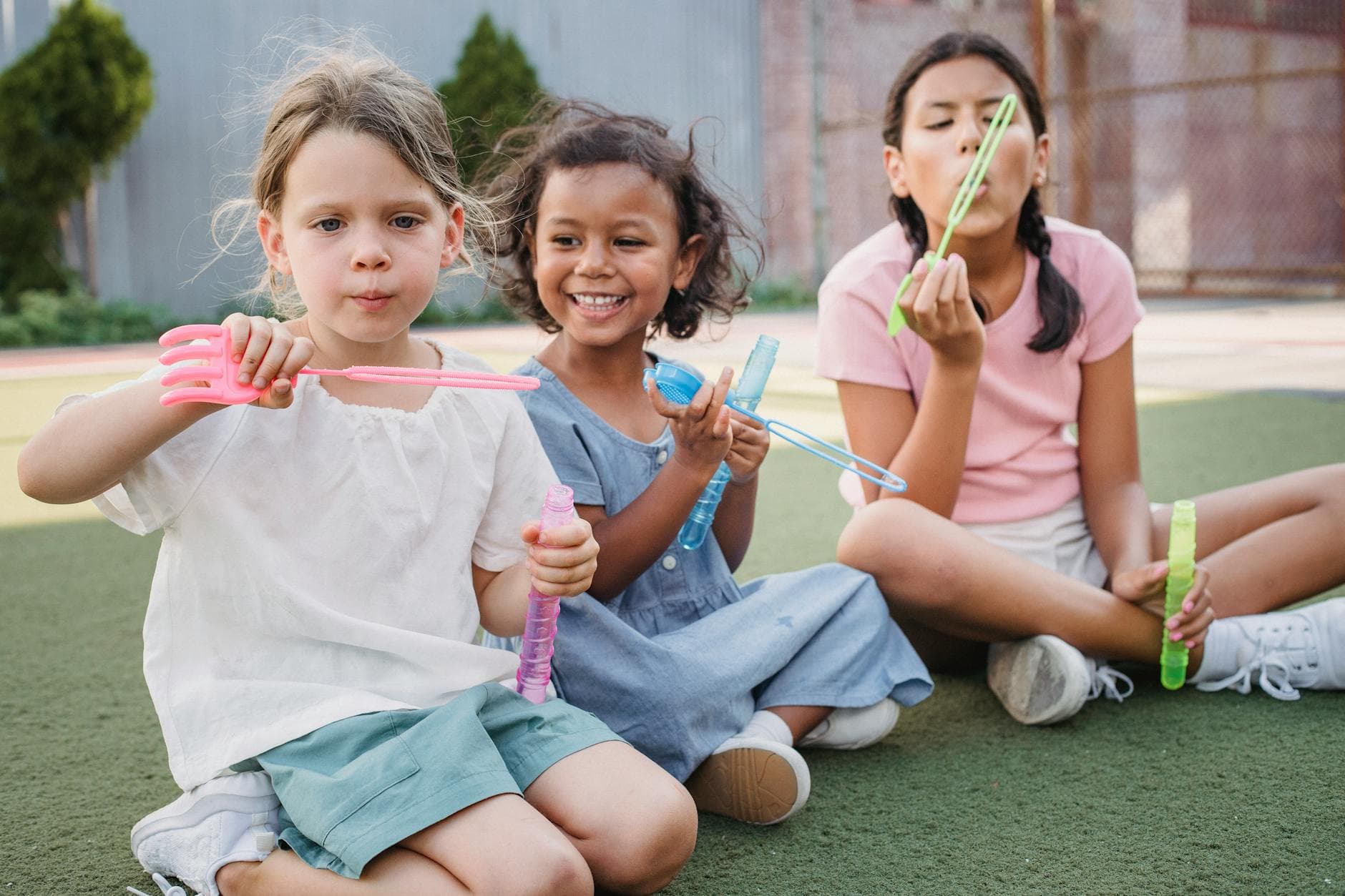
Think about the last time your child truly connected with another child, the kind of interaction that left them beaming and eager for more. What was happening in those moments? Often, it’s the magic of well-orchestrated social skills playdates that truly unlocks these opportunities for our kids.
Why Social Skills Playdates Matter
As parents, we all want our children to be happy, well-adjusted, and capable of forming meaningful connections. While it’s tempting to rely on school or structured activities to handle all of their social learning, the truth is that informal, child-led interactions are incredibly powerful. Social skills playdates are more than just fun get-togethers; they are crucial laboratories for practicing empathy, negotiation, and communication in a low-stakes environment.
The Building Blocks of Friendship
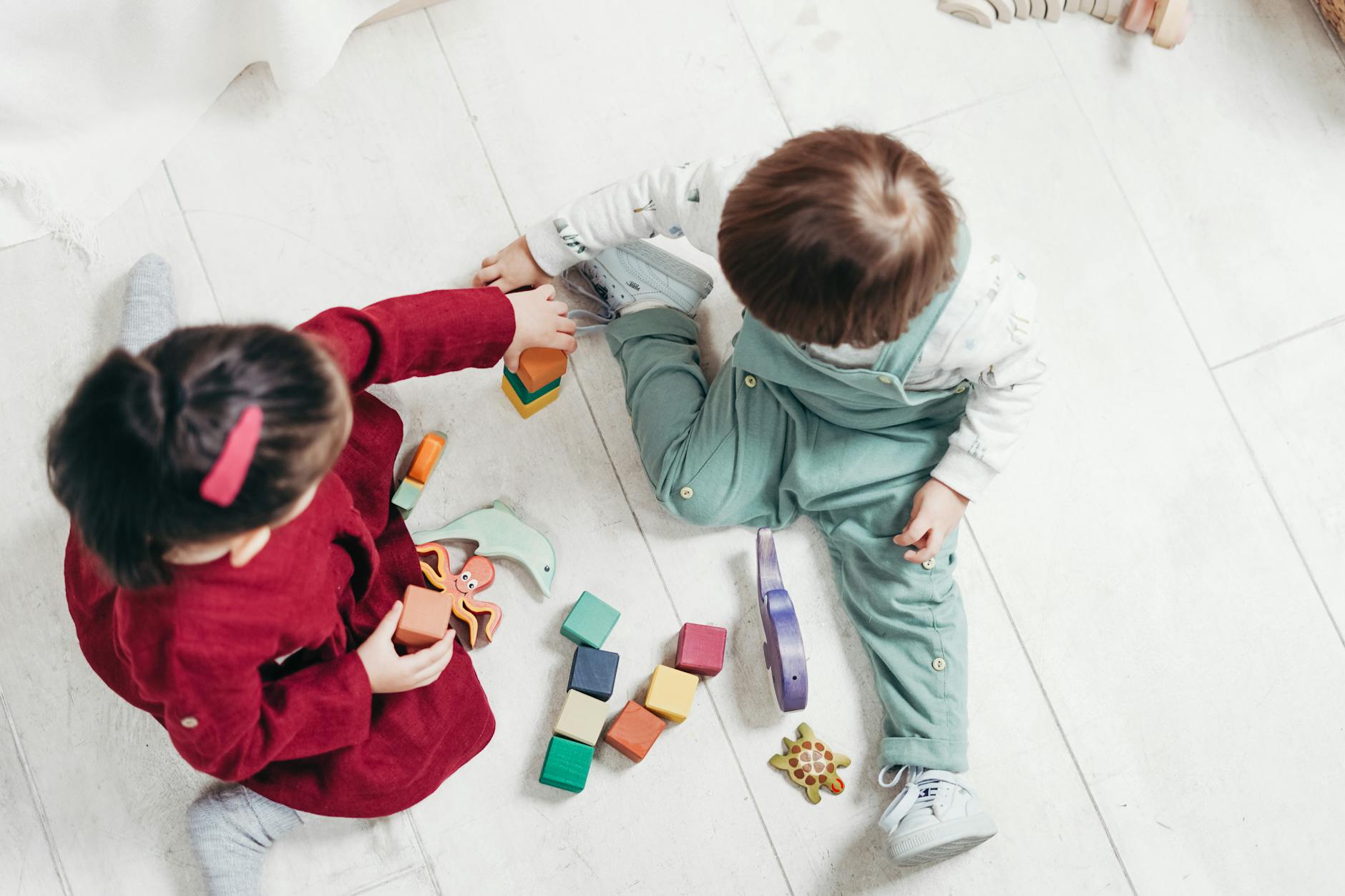
Child social development doesn't happen in a vacuum. It’s built through repeated practice, and playdates offer a unique chance for kids to hone these essential abilities. They learn to share toys, take turns, understand another child's perspective, and manage their own emotions when things don’t go their way. These aren't innate traits; they are skills that need to be nurtured and developed.
Beyond the Classroom
While school provides a structured social setting, the dynamics of a playdate are different. There’s less direct adult supervision guiding every interaction, allowing children more autonomy to figure things out for themselves. This independence is vital for building confidence and problem-solving skills. It’s where real-life lessons in compromise and cooperation are learned organically.
Nurturing Early Childhood Social Skills
For toddlers and preschoolers, playdates are foundational. Playdates for toddlers might look like parallel play with occasional shared glances, while playdates for preschoolers often involve more complex imaginative scenarios. Both stages are critical for developing early childhood social skills. We’re laying the groundwork for how they’ll navigate relationships throughout their lives.
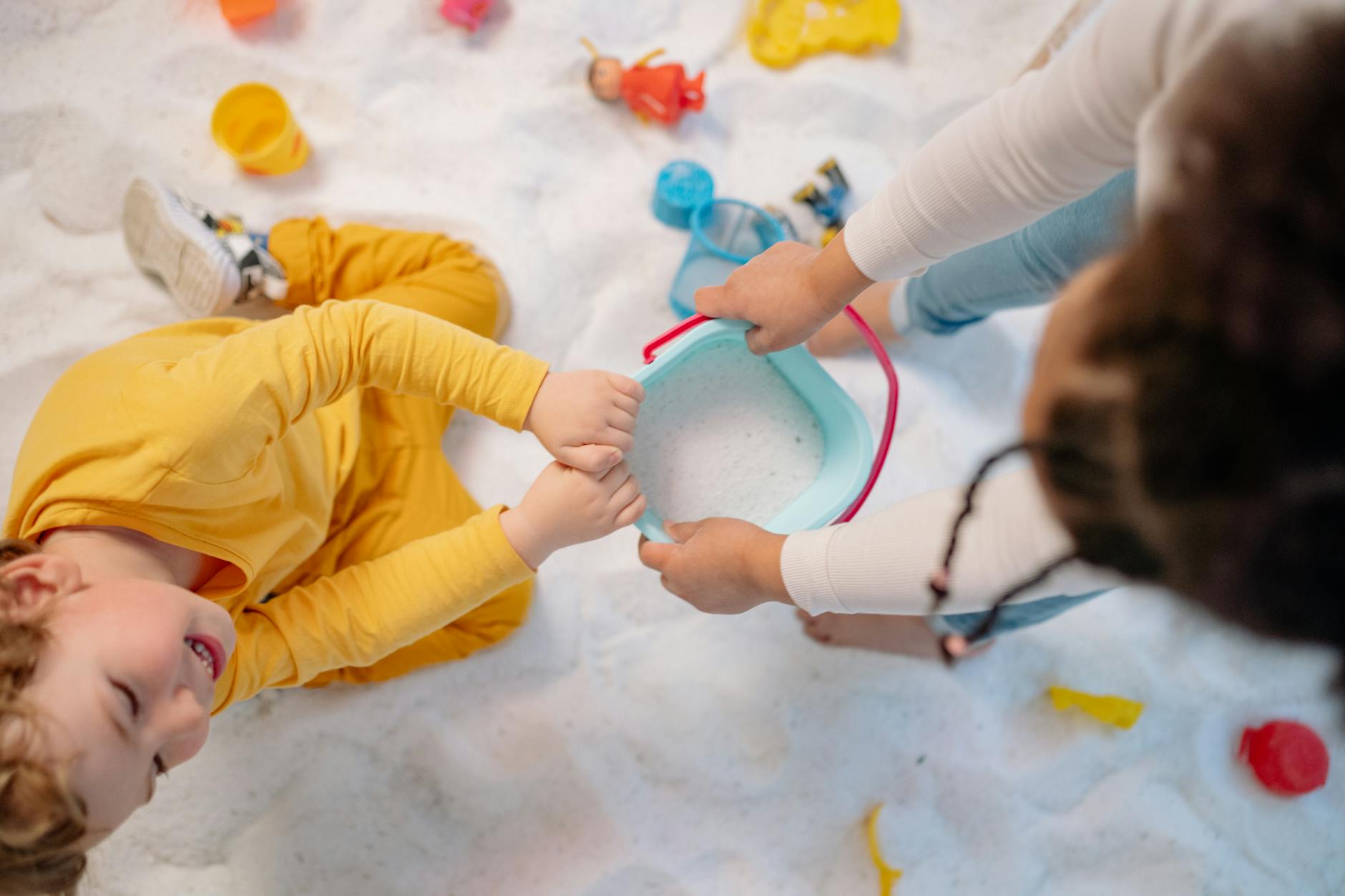
Planning for Playdate Success
The thought of organizing a playdate can sometimes feel daunting, especially if your child is shy or if you’re new to this. But here’s the thing: it doesn’t need to be complicated. With a little thought, you can set the stage for a positive and productive experience for everyone involved.
Setting the Right Tone
Before the playdate even begins, consider the environment. Is it a place where children can feel relaxed and free to explore? A familiar space, like your home or a local park, often works best. For spring, we often think of outdoor fun, and there are some fantastic spring social skills activities that can naturally foster interaction.
The Power of Preparation
You don't need a minute-by-minute schedule, but having a few ideas up your sleeve can be a lifesaver. Think about activities that encourage cooperation or shared imagination. Simple things like building blocks, drawing materials, or even a shared story can be great starting points. For younger ones, consider preschooler spring play ideas that are open-ended and allow for exploration.
Choosing the Right Companions
When selecting playdate partners, consider your child’s temperament and the potential dynamics. Are they drawn to energetic kids, or do they thrive with quieter companions? Sometimes, a one-on-one playdate is perfect for building deeper connections, especially if your child is still developing their comfort in larger groups.
Managing Expectations (Yours and Theirs!)
It’s important to remember that not every playdate will be a roaring success. There will be squabbles, tears, and moments of frustration. This is normal! Our role as parents isn't to eliminate these challenges but to guide our children through them. Supporting social skills means allowing them the space to learn from these less-than-perfect moments.
Navigating the Social Minefield
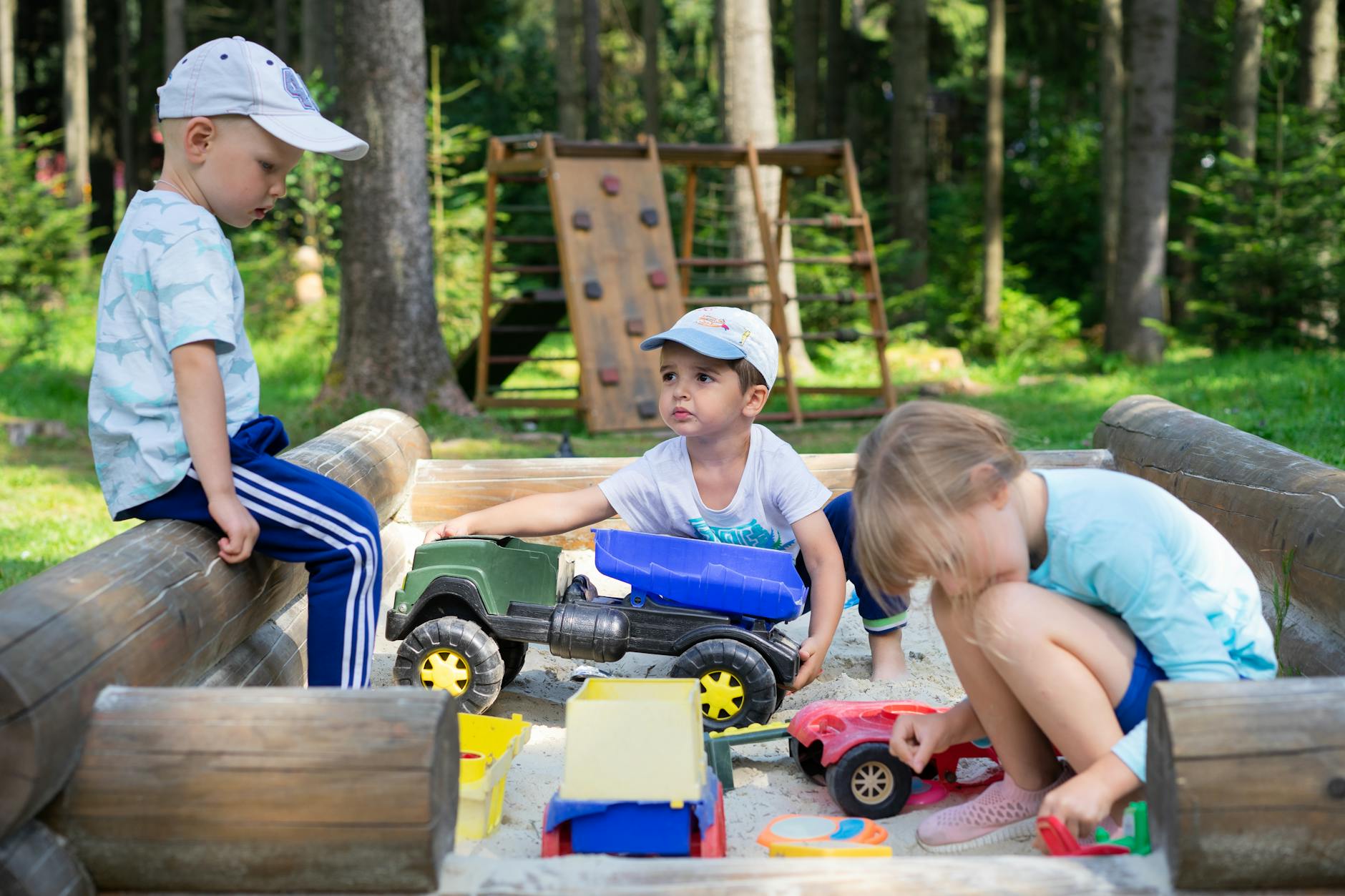
Even with the best intentions, playdates can sometimes feel like navigating a minefield. You might see your child struggling to share, or perhaps they’re being a bit too bossy. This is where active, yet gentle, parenting comes in.
Intervening Wisely
My personal philosophy is to observe first. Children are often more capable of resolving conflicts than we give them credit for. If a minor disagreement arises, I’ll often pause, giving them a chance to work it out. If things escalate, I’ll step in calmly. Instead of dictating a solution, I’ll ask questions: "What happened?" "How did that make you feel?" "What could you do differently next time?" This approach encourages problem-solving rather than simply enforcing rules.
Modeling Good Behavior
Remember, children are sponges. They watch and learn from our interactions. When you’re interacting with other parents, be friendly, polite, and a good listener. This modeling of positive social behavior is just as important as any planned activity. It reinforces the lessons you're hoping to impart.
Building Friendships Children Can Cherish
The ultimate goal of social skills playdates is to help children build genuine friendships. This involves more than just playing together; it’s about developing a sense of care and consideration for others. When children feel seen and understood, they are more likely to reciprocate those feelings, forming bonds that can last.
Creative Spring Playdate Ideas for Social Growth
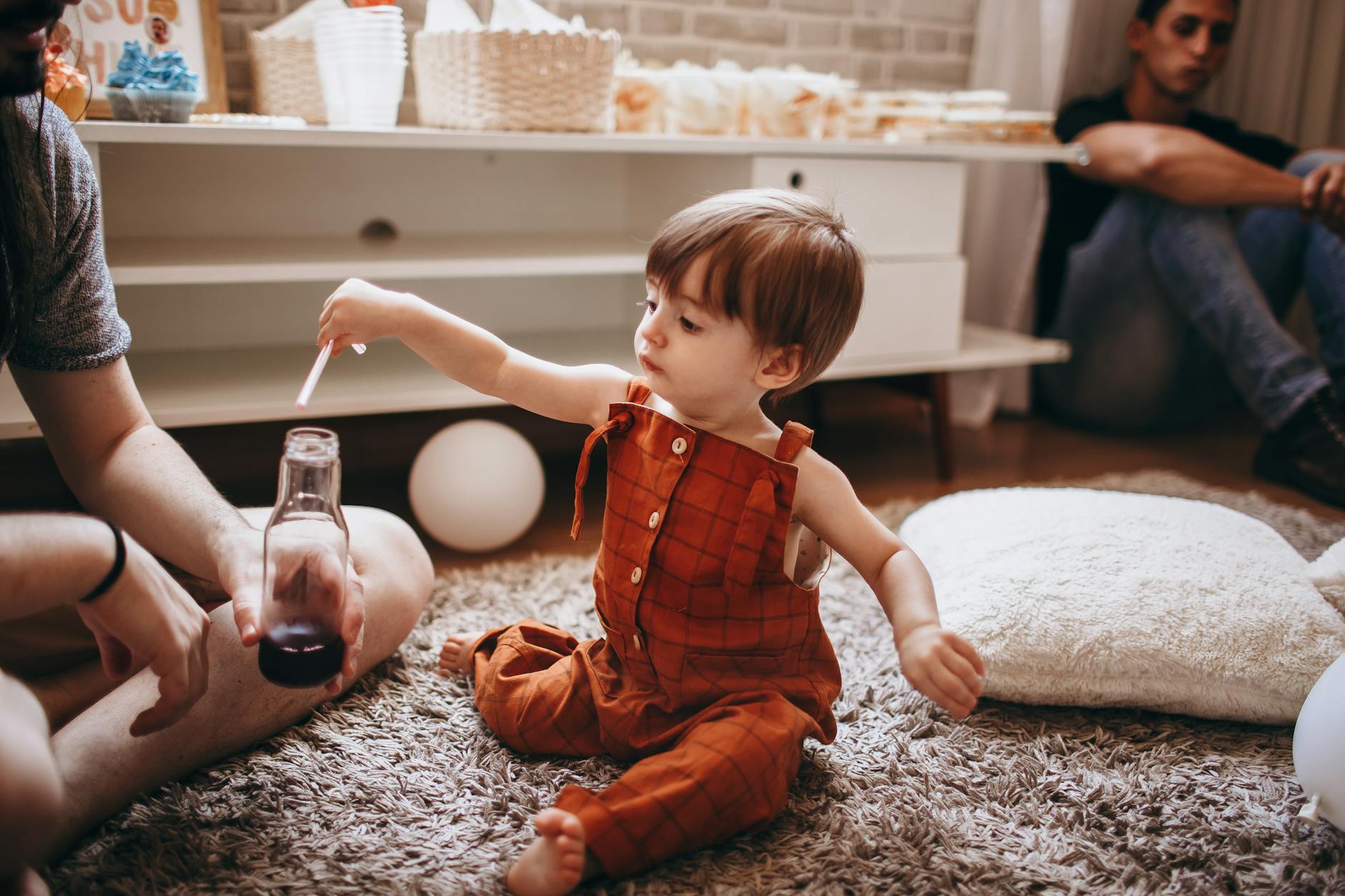
Spring is a fantastic time for playdates. The weather is often beautiful, and there are so many opportunities for outdoor exploration that naturally lend themselves to developing outdoor social skills. Let’s get creative!
Nature Scavenger Hunts
Organize a simple scavenger hunt in a local park or even your backyard. Give each child a list (with pictures for younger ones) of things to find: a smooth stone, a specific type of leaf, a feather. This encourages teamwork and shared discovery. You can find more great child development milestones that align with these types of activities.
Outdoor Art Projects
Gather some natural materials – leaves, twigs, flowers – and some art supplies. Let the children create collaborative collages or ephemeral sculptures outdoors. This is a wonderful way to boost creativity and practice sharing materials and ideas. It’s also a great way to enjoy the fresh air before child spring allergies become a concern for some.
Water Play Fun
If the weather is warm enough, setting up a sprinkler, a kiddie pool, or even just buckets and cups for water play can be incredibly engaging. This type of sensory play naturally lends itself to sharing and imaginative scenarios. It's a classic for a reason!
Picnic Power
A simple picnic can transform a regular park visit into a special event. Packing shared snacks and drinks encourages a sense of community and cooperation. It’s a relaxed way for children to interact and simply enjoy each other’s company.
When to Seek Extra Support
Most of the time, playdates are a wonderful, organic way for children to learn social skills. However, there are times when you might notice your child struggling more consistently, or perhaps they exhibit significant anxiety around social situations. In these cases, it’s important to pay attention.
Recognizing the Signs
If your child consistently avoids playdates, shows extreme distress before or during them, or has significant difficulty interacting with peers (e.g., constant conflict, inability to join in play), it might be worth exploring further. Research from organizations like the National Institutes of Health research on social skills playdates highlights the importance of early intervention for social-emotional challenges.
Consulting Professionals
Don’t hesitate to speak with your child’s pediatrician or a child development specialist if you have concerns. They can offer guidance, assess your child’s development, and suggest strategies or resources. Sometimes, a few sessions with a child therapist specializing in social skills can make a world of difference. Experts at Psychology Today research on social skills playdates often discuss the benefits of professional support for specific challenges.
Empowering Your Child
Ultimately, our goal is to equip our children with the confidence and skills to navigate the social world. Social skills playdates are a powerful tool in our parenting toolkit. They offer a space for learning, growth, and the beautiful, messy beginnings of lasting friendships. Remember to be patient, be present, and celebrate every small victory along the way.