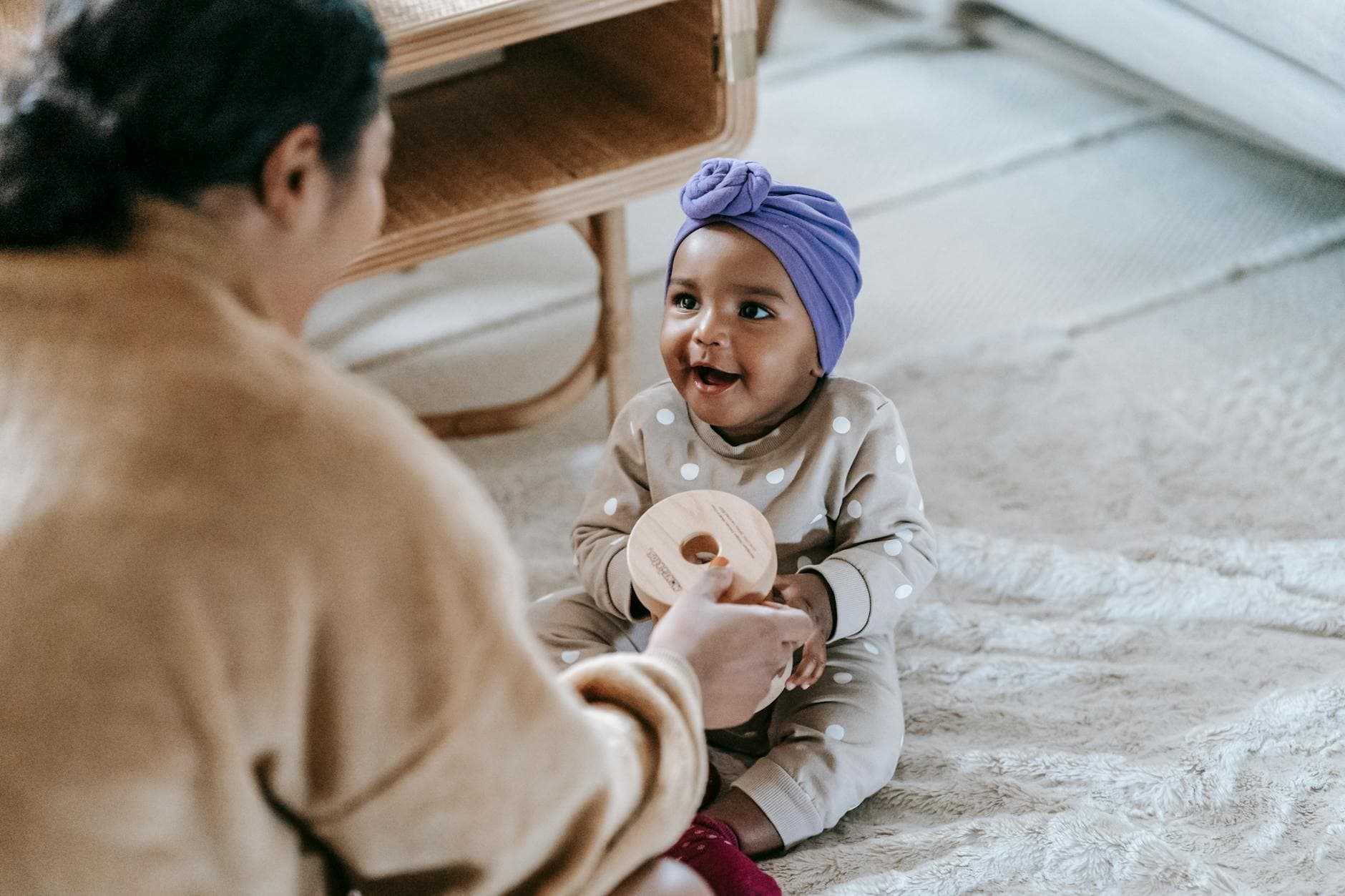
Have you ever watched a tiny human, barely a year old, suddenly stand up and take those wobbly first steps, or seen a toddler string together a sentence that completely floors you? It's pure magic, isn't it? That incredible, rapid unfolding of abilities—these are the child development milestones we're talking about, and honestly, they are one of the most fascinating spectacles of life.
The Marvel of Unfolding Abilities: Understanding Child Development Milestones
What Exactly Are We Tracking?
Child development milestones aren't just arbitrary markers on a calendar; they're a roadmap of a child's journey from infancy through adolescence. They represent the skills and abilities most children achieve by a certain age. Think of them as crucial checkpoints, giving us insight into a child's physical development, cognitive development, emotional development, and social skills. It's not about rushing or comparing, but understanding the incredible progress happening.
Why These Milestones Matter
These milestones are vital for several reasons. For parents and caregivers, they provide a general guide to what to expect, helping to identify potential areas where a child might need extra support. They also offer a framework for understanding the incredible pace of learning and growth. When you see a child hit a new milestone, it's a testament to their innate drive and the nurturing environment they're in. It's a beautiful dance between nature and nurture, and these milestones are the steps.
Beyond the Checklist: A Holistic View
It's easy to get caught up in the "did they or didn't they" of a specific milestone. But here's the thing: every child is unique. Some might walk earlier, others might talk sooner. This individuality is not a deficit; it's a feature! The real goal is supporting child growth in a way that honors their pace and celebrates their individual strengths.
The Early Years: Building the Foundation
Infancy: The Astonishing Beginnings
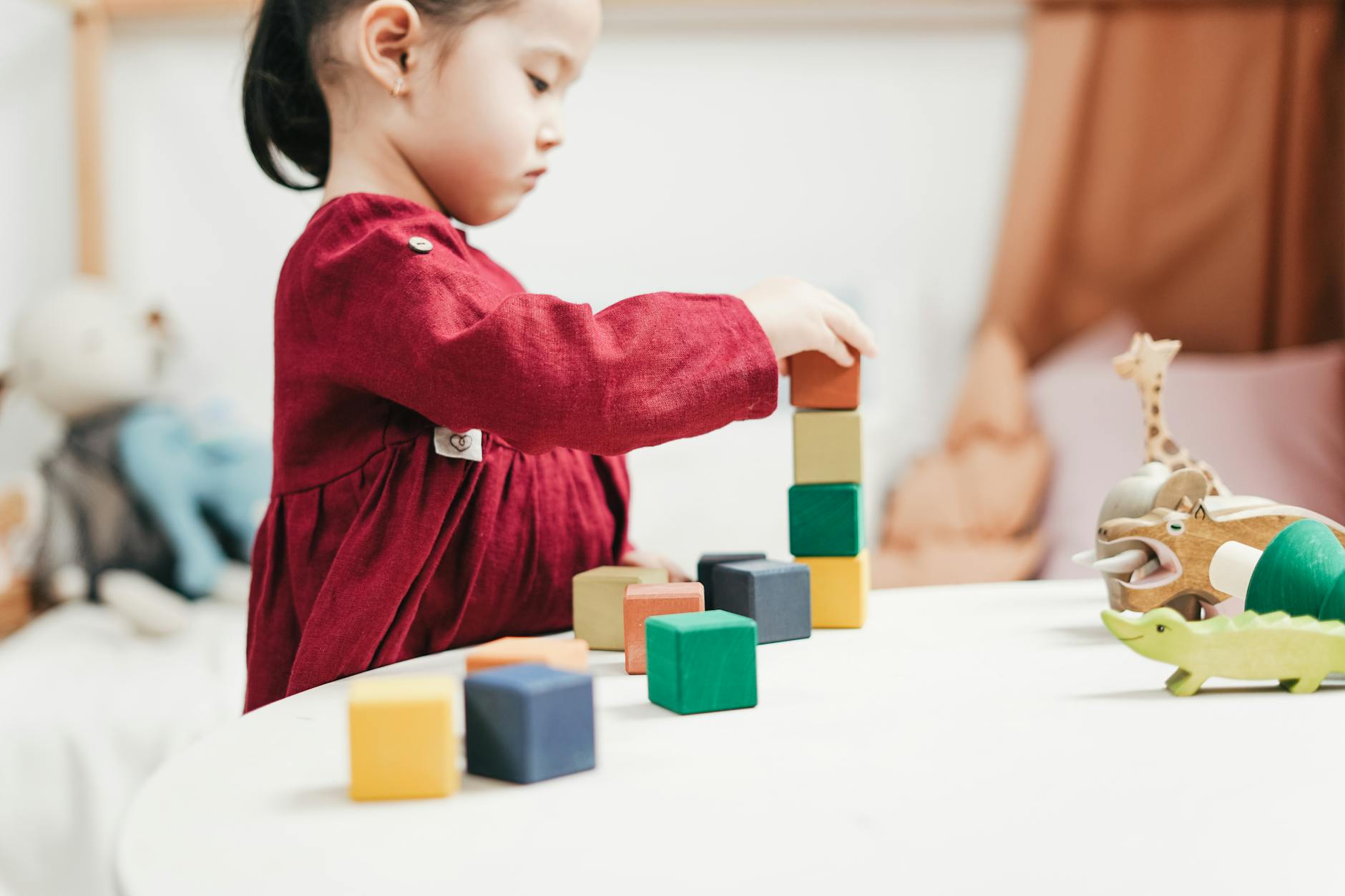
From the moment they’re born, babies are already on a trajectory of incredible development. Within the first year, they go from a helpless newborn to a curious explorer. They learn to lift their heads, roll over, sit up, and eventually crawl. Their senses are rapidly developing, and they begin to recognize faces and sounds. This period is packed with crucial early childhood education, even if it doesn't look like a classroom.
Sensory Exploration
Think about how much a baby explores with their mouth! This isn't just about teething; it's a primary way they learn about the world. The textures, the tastes, the sounds—it's all data for their developing brain.
Motor Skills Take Flight
The progression of gross motor skills, from that first head lift to those tentative first steps, is astounding. Each little movement is a building block for more complex actions later on.
Toddlerhood: The Age of Discovery
Ah, the toddler years! This is when things get really dynamic. Suddenly, your little one is on the move, exploring everything with boundless energy. Language explodes, and they start to form simple sentences. Their problem-solving skills begin to emerge, and they start to understand cause and effect. This is a prime time for fostering independence and encouraging learning through play.
Language Explosion
You might go from single words to short phrases seemingly overnight. This is a critical period for language acquisition, and encouraging conversation, reading, and singing makes a huge difference.
Developing Independence
Toddlers want to do things themselves! From feeding to dressing, allowing them opportunities to try, even if it’s messy or slow, builds confidence and supports their growing autonomy. This is where parenting tips for growth really come into play.
Emotional Rollercoasters
With new abilities comes new emotions. Toddlers experience big feelings, and learning to manage them is a significant developmental task. Patience and consistent guidance are key here.
Preschool Years: Expanding Horizons
The Curious Preschooler
As children enter the preschool years, their world expands dramatically. They become more social, more imaginative, and their cognitive abilities take a significant leap. They can follow more complex instructions, engage in pretend play, and begin to understand concepts like sharing and taking turns. This is a fantastic time for early childhood education that focuses on social-emotional learning and creative exploration.
Social Butterflies Take Flight
Interactions with peers become more important. They learn negotiation, cooperation, and how to navigate friendships. Outdoor social skills become particularly important during these years, offering a natural environment for practice.
Imagination Runs Wild
Pretend play is not just fun; it's a crucial part of cognitive and emotional development. It allows children to explore different roles, solve problems, and express their feelings in a safe space. Preschooler spring play, for instance, can be a wonderful catalyst for this.
The "Why" Phase
Constant questions are a sign of a developing mind! They are trying to understand the world around them, and answering their "whys" fosters their curiosity and encourages critical thinking.
Spring into Action: Seasonal Growth
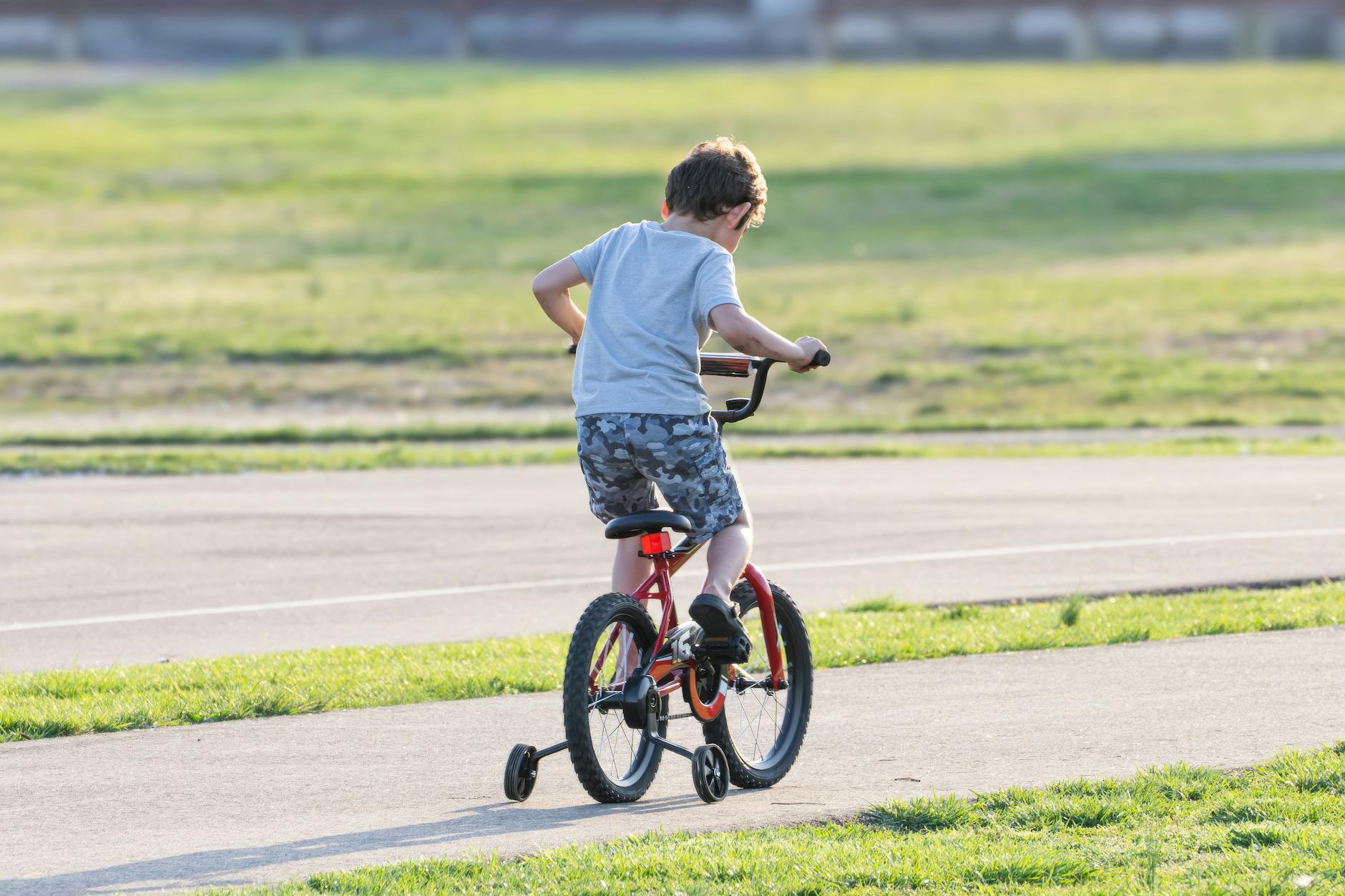
The arrival of spring often brings a renewed energy to children, and it's a perfect time to capitalize on this. The warmer weather and longer days invite more outdoor activity, which is fantastic for supporting child growth. Think about how much more active children become when they can run and play outside. This season is a natural boost for child development support.
Embracing Outdoor Play
Activities like those found in Preschooler Spring Play: Fun Outdoor Activities for Kids are invaluable. They promote physical development, coordination, and creativity. It’s amazing how much learning can happen when kids are simply allowed to explore the natural world.
Social Opportunities Bloom
Spring is an ideal time to focus on Boost Spring Social Skills: Outdoor Fun for Kids. Parks and playgrounds become hubs of social interaction, providing opportunities for children to practice sharing, communication, and conflict resolution. This aligns beautifully with the broader goals of supporting child growth.
Seasonal Considerations
Of course, spring also brings its own challenges, like Child Spring Allergies: Talk to Your Child. Being aware of these and managing them ensures that children can fully enjoy the benefits of the season and continue their development without unnecessary discomfort.
Navigating Child Growth Spurts and Support
Understanding Growth Spurts
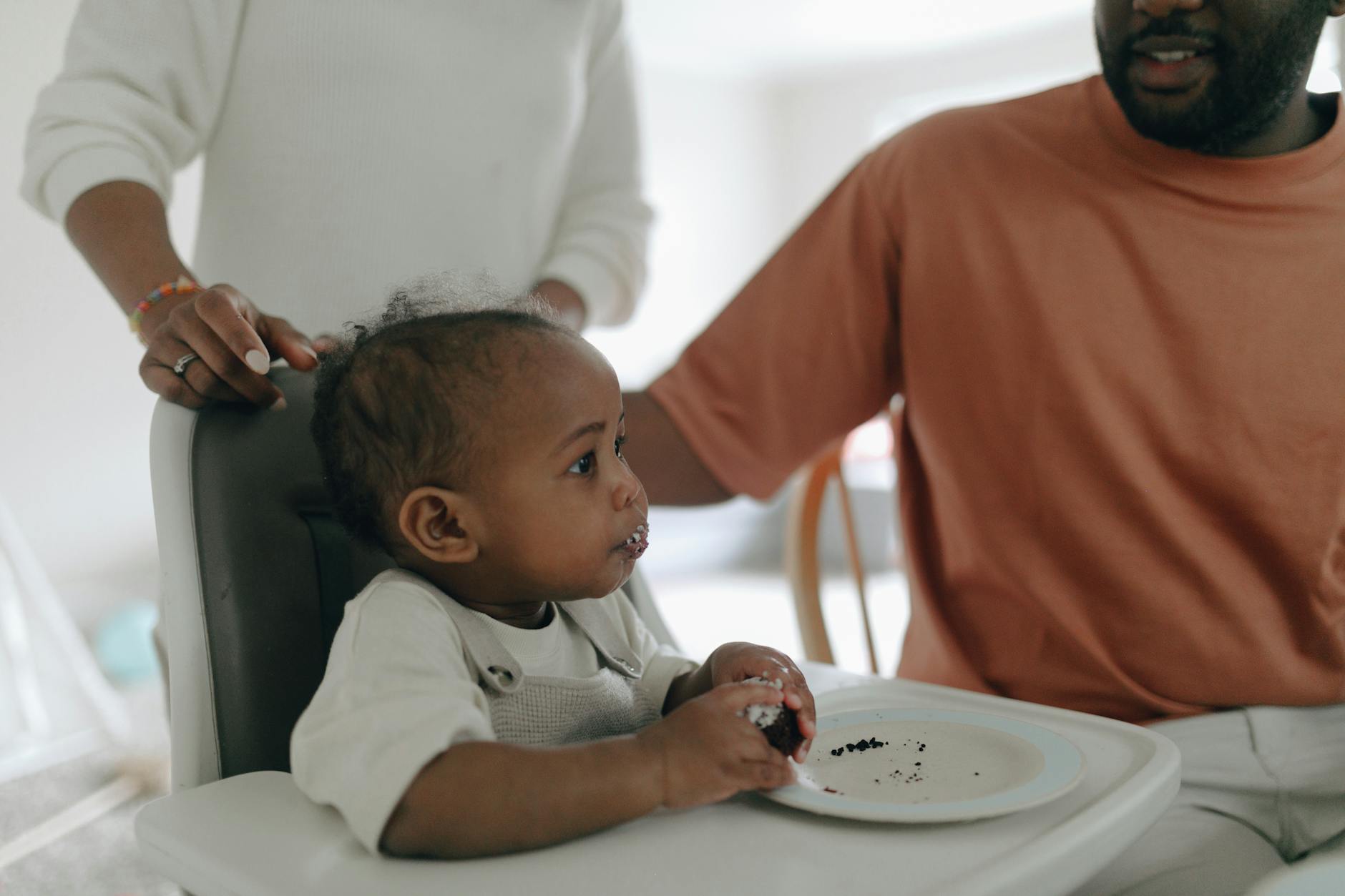
You’ve probably noticed it: periods where your child seems to eat constantly and then suddenly outgrow their clothes overnight. These are child growth spurts! They are natural, often rapid periods of physical growth that occur throughout childhood and adolescence. While primarily physical, they can sometimes be accompanied by shifts in behavior or appetite. Understanding Child Growth Spurt: Nutrition & Support for Your Child is essential during these times.
Nutrition is Key
During growth spurts, a child's nutritional needs increase. Ensuring they have a balanced diet rich in essential vitamins and minerals is paramount for healthy physical development. This is where consistent parenting tips for growth become so important.
Emotional and Behavioral Shifts
Sometimes, these spurts can coincide with moodiness or increased clinginess. It’s important to remember that this is often a temporary phase, and offering extra reassurance and patience can make a big difference.
Providing Consistent Child Development Support
Supporting a child's development is an ongoing process, not a one-time event. It involves creating a safe, nurturing environment where they feel loved and encouraged to explore. This means providing opportunities for learning, play, and social interaction. It also means being present and responsive to their needs. The American Psychological Association offers extensive resources on this, highlighting the importance of consistent, positive interactions for healthy child development milestones.
The Power of Play
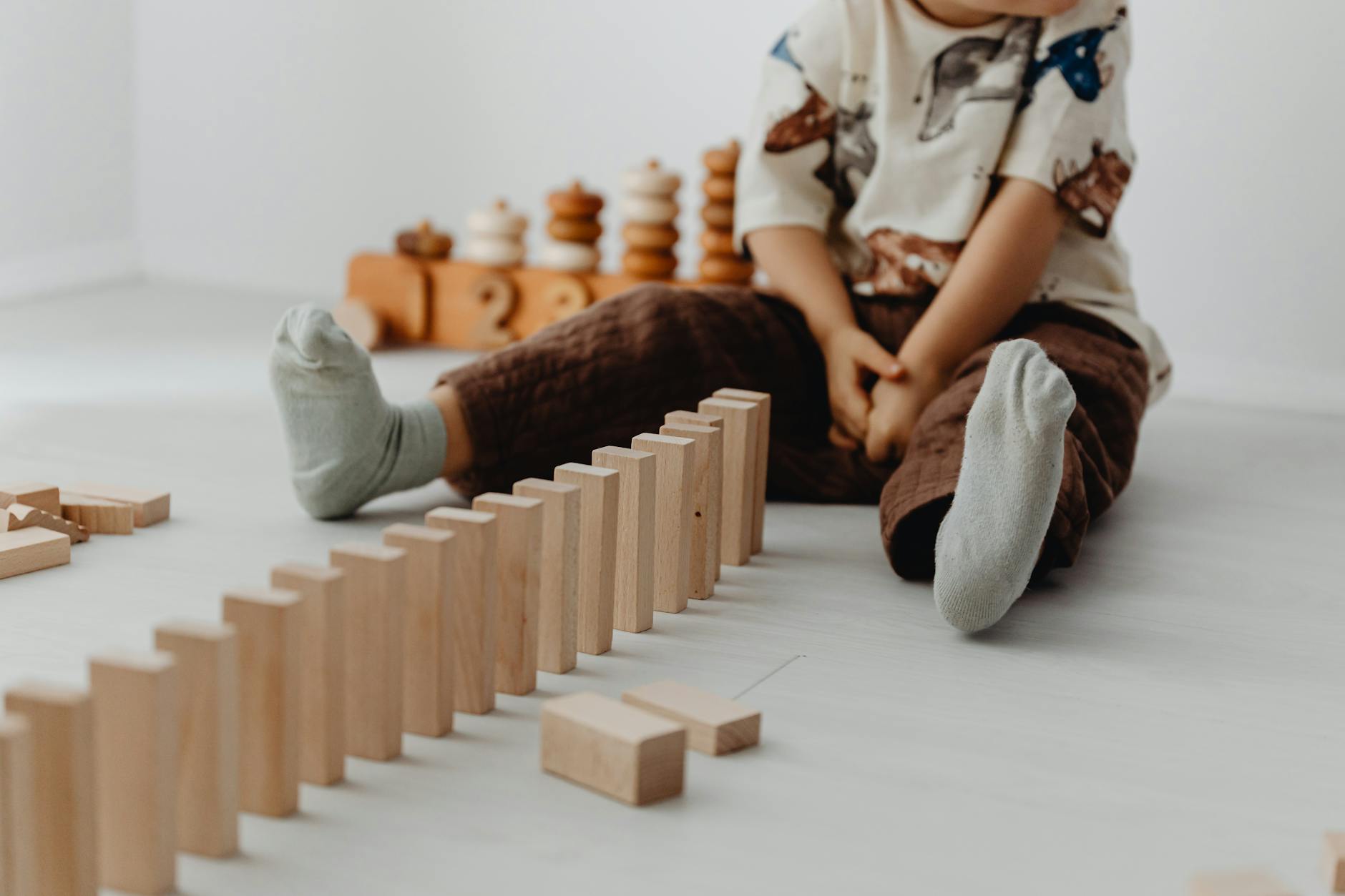
Play is a child's work. Through play, they learn about the world, develop problem-solving skills, and build social and emotional resilience. Age-appropriate activities are the building blocks of this learning.
Encouraging Independence
Allowing children to try things on their own, even if they make mistakes, fosters a sense of competence and self-reliance. This is crucial for their emotional development.
The Role of Observation
Being a keen observer of your child is one of the most powerful tools you have. Noticing their strengths, their challenges, and their unique way of interacting with the world allows you to provide tailored support. Research from the National Institutes of Health often emphasizes the importance of early identification and intervention, which starts with attentive observation.
A Final Thought on the Journey
Watching child development milestones unfold is one of life’s greatest privileges. It’s a journey filled with incredible moments of discovery, learning, and growth. Remember, these milestones are guides, not rigid rules. Your child’s individual path is what truly matters. By providing consistent child development support, celebrating their unique strengths, and embracing the adventure, you are giving them the very best foundation for a bright and fulfilling future. It’s a wild, beautiful ride, and you’re doing great.