
I remember one spring, it felt like my youngest, Leo, had a rocket strapped to his back. He’d wake up with the sun, practically vibrating with an energy I hadn’t seen all winter. The sheer volume of "Mommy, can we go outside?" was astounding. This surge, this undeniable spring child energy, is something so many parents witness, and it’s more than just a change in weather; it’s a fundamental shift in childhood development.
The Unmistakable Surge: Understanding Spring Child Energy
You've probably noticed it. The cabin fever breaks, and suddenly your little ones are a whirlwind of motion and curiosity. This isn't just a figment of your imagination or a desire to get them out of your hair. There's a biological and psychological basis for this seasonal shift. After months spent mostly indoors, the longer days, warmer temperatures, and increased sunlight act as powerful catalysts for increased activity and engagement.
Why Now? The Science Behind the Spring Burst
It’s fascinating how deeply our bodies are attuned to natural cycles. The increased exposure to sunlight in spring triggers the production of serotonin, a neurotransmitter that influences mood and energy levels. This biochemical reaction is a key driver behind the boost in seasonal energy children experience. It’s like nature’s way of saying, “It’s time to move!”
Beyond the Buzz: The Developmental Impact
This isn't just about more running around. This surge in energy fuels crucial aspects of childhood development milestones. It encourages exploration, strengthens gross motor skills, and fosters social interaction. When kids are more energetic, they are more likely to engage with their environment and with each other, leading to richer learning experiences.

Unleashing the Potential: Kids Spring Activities Galore
So, how do we channel this incredible surge of spring child energy? The answer lies in embracing it and providing opportunities for healthy, enriching activities. Think less about structured lessons and more about open-ended play that allows their natural exuberance to flourish.
Embracing the Outdoors: The Ultimate Playground
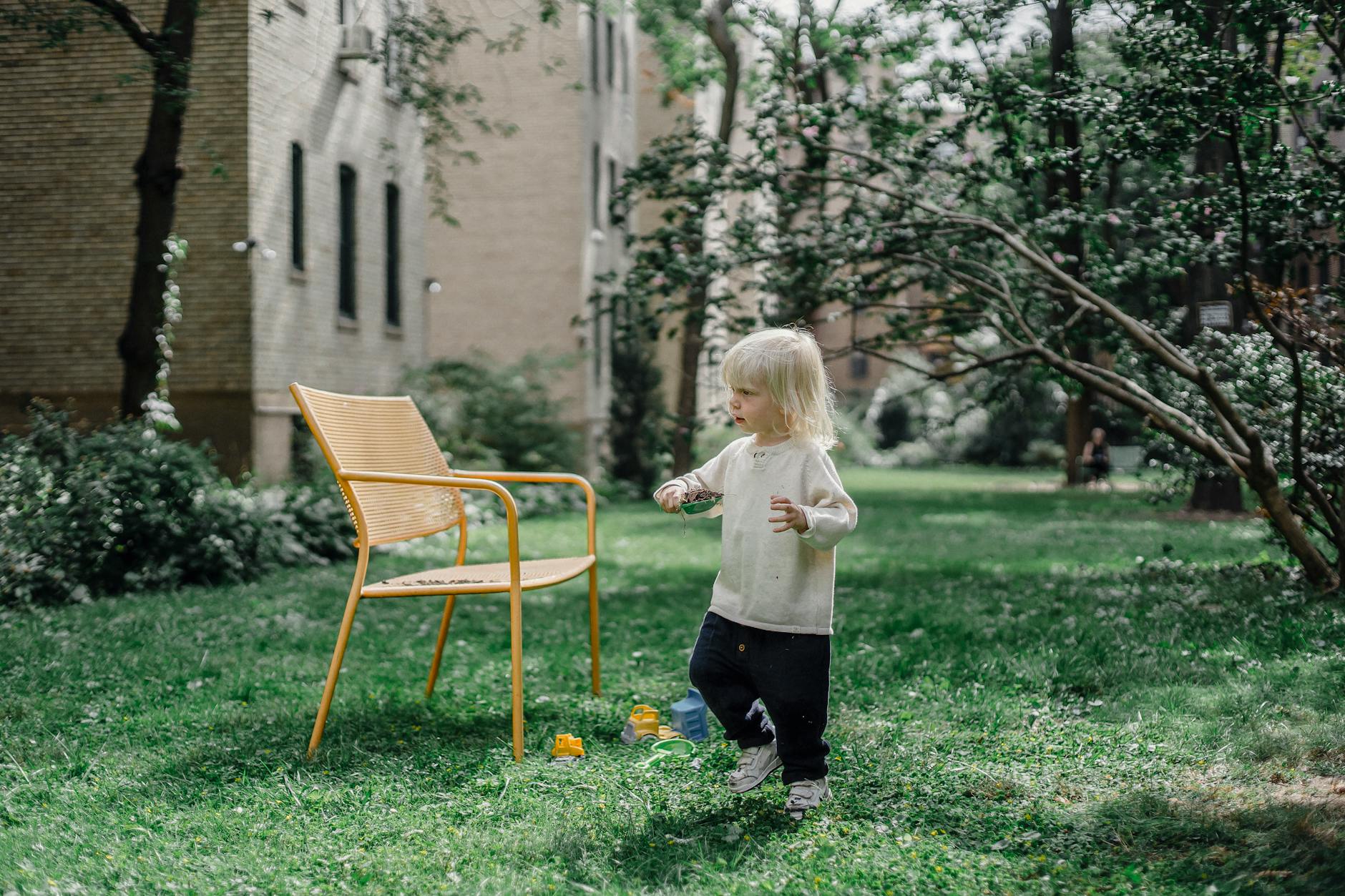
The most obvious and often the most effective way to manage this energy is by getting outside. Parks, backyards, nature trails – they all become canvases for childhood spring play. The benefits of outdoor play benefits are well-documented, from improved physical health to enhanced cognitive function and reduced stress.
Nature's Classroom
Simply allowing children to explore the natural world around them is incredibly valuable. Observing insects, collecting leaves, or building a fort are all activities that engage their senses and their minds. This is early childhood education spring style, and it's incredibly powerful.
Active Play Ideas for Energized Kids
When Leo was a toddler, his favorite thing was chasing bubbles. Now, he’s all about bike rides and impromptu soccer games. The key is variety and adapting to their evolving interests.
From Tag to Treasure Hunts
Classic games like tag, red light, green light, and hide-and-seek are fantastic for burning energy. Consider creating simple treasure hunts in the backyard or at a local park. These activities encourage problem-solving and physical movement simultaneously.
Water Play Wonders
As the weather warms, water play becomes an irresistible draw. Sprinklers, kiddie pools, or even just buckets and sponges can provide hours of fun and a great way to cool down while staying active. This is a fantastic way to encourage childhood physical activity.

Navigating the Shift: Parenting Tips for Spring
This burst of energy can sometimes feel overwhelming. It’s important to have strategies in place to support your child and yourself. These parenting tips spring are designed to help you thrive during this dynamic season.
Setting Healthy Boundaries (and Expectations)
While encouraging activity is vital, it’s also wise to establish some gentle boundaries. This might mean setting limits on screen time to ensure outdoor play takes precedence, or establishing quiet times even with all that energy. It’s about balance.
The Power of Routine
Even with increased energy, a consistent routine can provide a sense of security. This is especially true when transitioning from the more subdued pace of winter. Think about the last time you felt completely out of sorts without a routine – it’s much harder to manage.
Encouraging Independent Exploration
Children thrive when given opportunities to explore independently, within safe boundaries, of course. This fosters a sense of autonomy and self-reliance. It’s about letting them lead their own adventures sometimes.
Fostering Curiosity
Ask open-ended questions that encourage them to observe and think. “What do you notice about that flower?” or “Why do you think that bird is singing?” These simple prompts can ignite a deeper connection with their surroundings and encourage encouraging outdoor exploration.
Seasonal Mood Changes in Children: More Than Just Energy
It’s not just about the physical energy; the change of season can also impact a child’s emotional landscape. This is a topic that often gets overlooked, but understanding seasonal mood changes children experience is key to supportive parenting.
The Sunshine Effect
Just as sunlight boosts physical energy, it can also significantly improve mood. Many children (and adults!) experience a lift in spirits as the days get brighter and longer. This can contribute to a generally more positive outlook and increased resilience.
Potential for Overwhelm
However, for some children, the sudden increase in stimulation and activity can be overwhelming. This can sometimes manifest as increased irritability or even toddler spring tantrums if they’re not given adequate time to process their experiences or if their need for downtime isn’t met.
Recognizing the Signs
Pay attention to your child’s cues. Are they becoming easily frustrated? Are they struggling to wind down in the evenings? These could be signs that they need a little extra support in managing the seasonal shift. The American Psychological Association research on spring child energy often touches on these mood-related aspects.
Supporting Your Child Through the Spring Surge
As parents, our role is to guide and support our children as they navigate these changes. It's a balancing act of encouraging their boundless energy while also ensuring they feel safe, understood, and regulated.
Prioritizing Physical Activity
Make movement a non-negotiable part of your day. Whether it's a dedicated park visit, a family bike ride, or simply kicking a ball around in the yard, consistent childhood physical activity is paramount. This helps channel that excess energy constructively.
Making it Fun
The more enjoyable the activity, the more likely your child is to engage. Turn physical activity into a game, a family challenge, or an adventure. This is where kids spring activities truly shine.
Fostering Connection and Communication
Amidst all the running and playing, don't forget the importance of connection. Take time to talk, listen, and share experiences. This is a wonderful time to boost your connections, especially during what can feel like a spring growth spurt communication period for many families. This is also a time when you might be thinking about how to manage transitions, much like a post winter break routine, but with a different energy.
Active Listening
When your child is buzzing with excitement, really listen to what they’re sharing about their discoveries. Their world opens up in spring, and your engaged listening validates their experiences. This is a crucial part of supporting their overall springtime child development.
The Role of Nutrition and Sleep
While energy levels are high, it’s essential to ensure they are fueled by nutritious foods and adequate sleep. A balanced diet provides the sustained energy they need, and proper rest is crucial for recovery and growth. Even with all the excitement, good sleep hygiene is vital. Think about how much easier it is to manage a tantrum when a child is well-rested, a lesson many parents learn when dealing with toddler spring tantrums.
Hydration is Key
With increased activity, especially outdoors, ensuring your child stays well-hydrated is critical. Water should be the primary beverage of choice.
This season of renewed energy is a beautiful gift. It’s a time for growth, exploration, and connection. By understanding the drivers behind spring child energy and by providing the right opportunities and support, we can help our children not just manage this surge, but truly thrive because of it. Embrace the chaos, cherish the discoveries, and enjoy the vibrant energy of spring with your little ones. It’s a fleeting, wonderful phase that shapes them in so many profound ways. The National Institutes of Health research on spring child energy consistently highlights the positive impacts of increased outdoor activity on well-being.