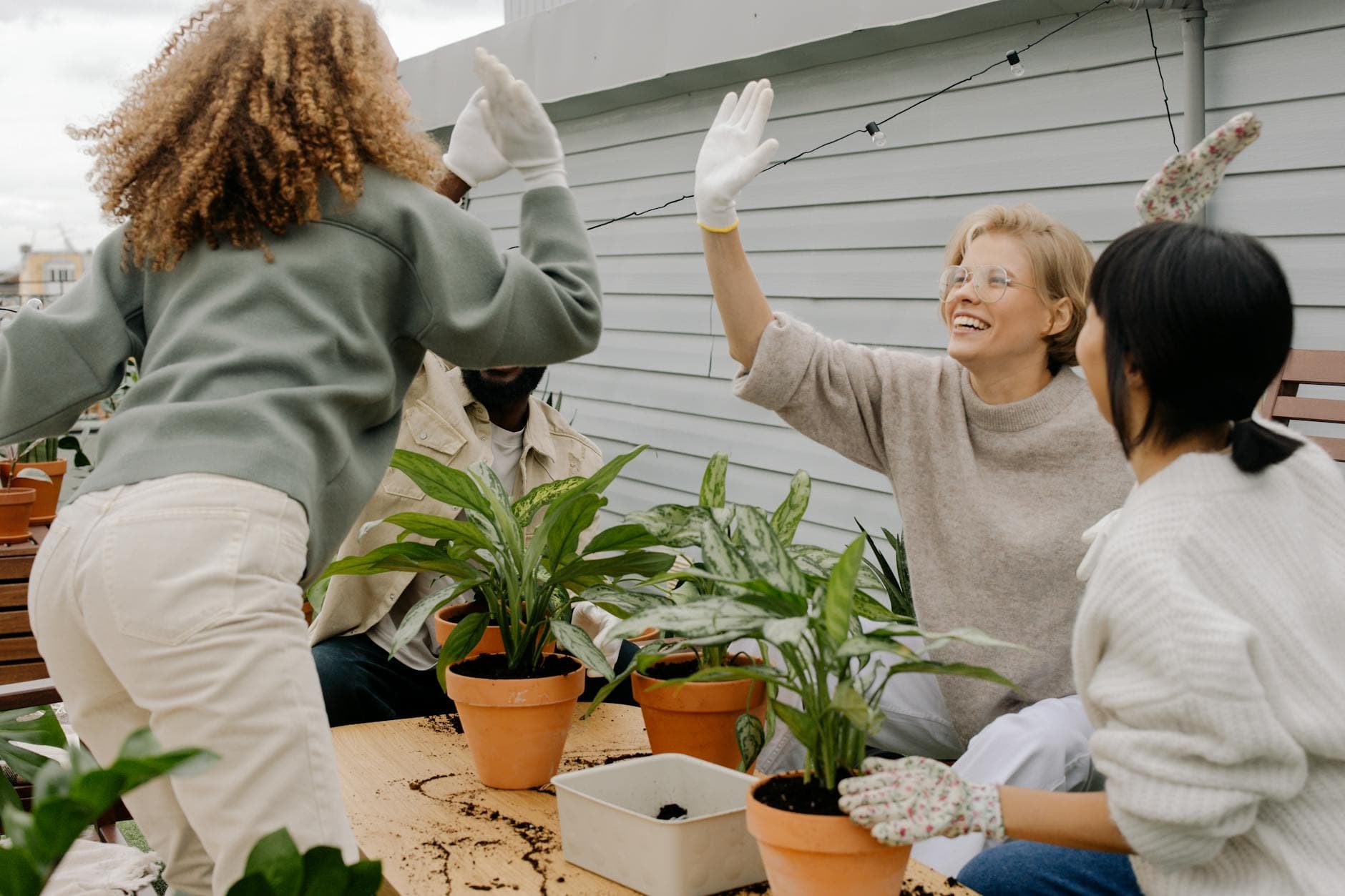
The Unfolding of Spring Social Skills: Lessons Learned in the Sun
Honestly, for years, I thought spring was just about brighter days and fewer coughs. I’d look forward to shedding winter layers, sure, but I didn’t truly grasp the profound impact this seasonal shift has on our children’s social development. I used to focus so much on structured play inside, on lessons and crafts, that I missed the subtle, powerful magic happening when kids spilled out into the sunshine. It’s in these moments, the unstructured, often messy, outdoor explorations, that true spring social skills begin to blossom. I learned this the hard way, watching my own kids, and the many I’ve worked with, naturally gravitate towards each other with a renewed energy that indoor confinement just couldn't replicate.
The Great Outdoors: A Social Greenhouse
When the weather finally breaks, it’s like a collective sigh of relief for families everywhere. Suddenly, playgrounds are buzzing, parks are alive, and backyards become vibrant hubs of activity. This shift isn't just about physical freedom; it’s a crucial catalyst for outdoor social development. The open space, the shared sensory experiences – a muddy puddle, a fluttering butterfly, the scent of freshly cut grass – these become the common ground for connection.
Breaking Down Winter Walls
Winter often forces us indoors, leading to more solitary play or highly structured interactions. Kids might become accustomed to their own routines, their own toys, and their own small circles. Spring offers a chance to break free from these confines.
The Allure of Shared Space
Think about it: a large park offers endless possibilities for imaginative play that’s harder to achieve in a living room. This shared expanse naturally invites collaboration and negotiation. Children learn to share not just toys, but space and ideas.
Sensory Engagement and Connection
The world awakens in spring. The sights, sounds, and smells are all new and exciting. This shared sensory input creates a powerful basis for conversation and shared discovery among children, fostering deeper connections than just talking about a game.
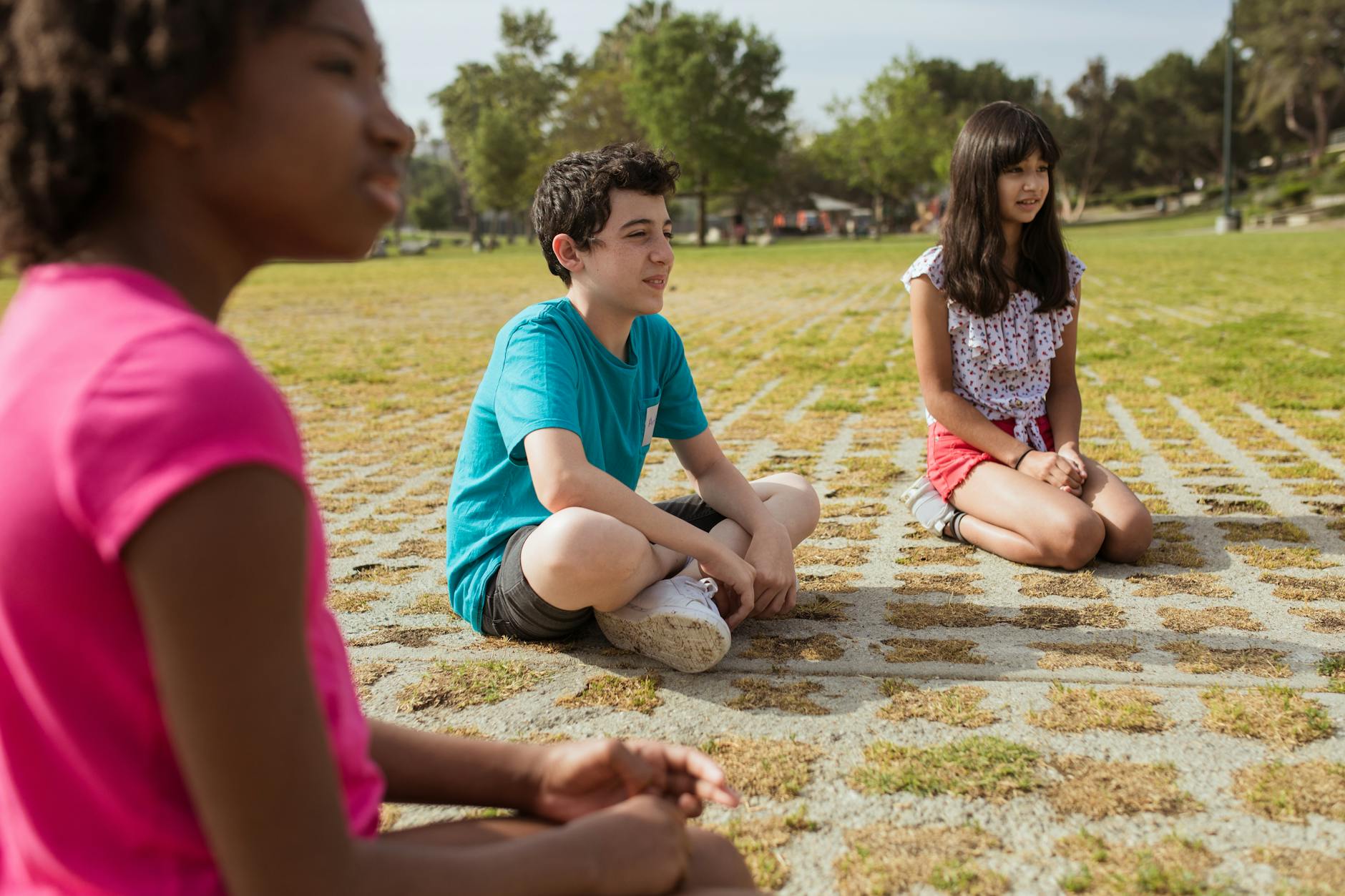
Beyond the Sandbox: Cultivating Spring Social Skills
The term "spring social skills" might sound a bit academic, but at its heart, it’s about observing and nurturing the natural ways children learn to interact when given the opportunity. It’s about understanding that the simple act of playing outside is a rich learning experience for social growth. This is where child spring activities become more than just fun; they are foundational.
The Art of Negotiation and Compromise
Outdoor play often involves larger groups and more complex scenarios. Imagine a group of kids deciding what game to play. One wants to play tag, another wants to build a fort, and a third wants to chase bubbles. This is where the real work of social learning happens, far beyond what any worksheet could teach.
Navigating Group Dynamics
These situations are ripe for learning how to express desires, listen to others, and find common ground. It’s a messy, organic process, but incredibly effective for developing empathy and conflict resolution skills. The social interaction children engage in here is invaluable.
Learning to Lead and Follow
In different scenarios, children will naturally take on leadership roles or learn to follow instructions from peers. This adaptability is a key component of healthy social development, and spring’s free-flowing play provides ample chances for this to occur.
Building Friendships: The Spring Edition
Spring is a prime time for forging new connections and strengthening existing ones. The relaxed atmosphere and abundance of shared activities create fertile ground for building friendships kids need. It’s less about organized playdates and more about spontaneous encounters.
The Power of Shared Adventures
Whether it’s exploring a new trail, digging for worms, or simply running around a field, these shared experiences create bonds. They become the stories children tell each other, the inside jokes, the memories that solidify friendships. This is the essence of social skills outdoors.
Overcoming Shyness in the Open
For children who might be shy, the vastness of outdoor spaces can sometimes feel less intimidating than a crowded room. There’s more space to observe, to join in gradually, or to find a quiet corner to participate in their own way. This is where overcoming shyness outdoors becomes a real possibility.
The Role of Play-Based Learning Outdoors
This isn't just about unstructured free-for-all. When we intentionally incorporate elements of play based learning outdoors, we can gently guide social interactions. Setting up a simple scavenger hunt or a nature-themed art project can provide a structured starting point for group engagement.
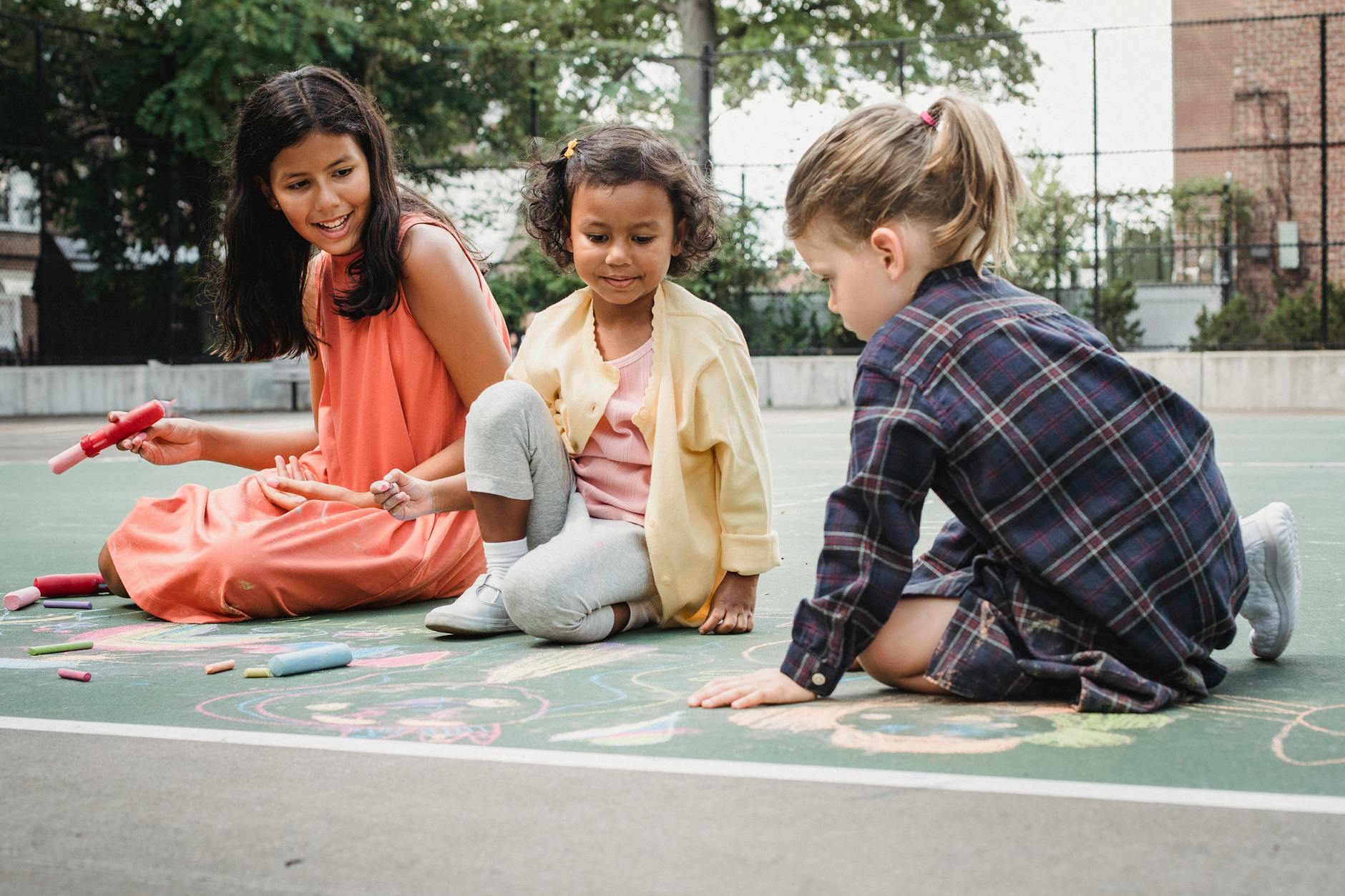
Parenting Spring Tips: Fostering Social Growth
As parents, we can feel like we need to orchestrate every social interaction. But here’s the thing: often, the best approach is to step back and create the opportunities, then trust the process. My own journey has taught me that sometimes, less intervention is more. These parenting spring tips are born from experience, not just theory.
Creating the Environment for Connection
Our role is to be facilitators, not directors. This means making sure our children have access to safe, stimulating outdoor environments where they can naturally connect with others.
The Humble Playground
Never underestimate the power of a local playground. It’s a microcosm of society. Children learn to wait their turn for the swings, share the slide, and navigate the complex social hierarchies that can emerge. It’s a fantastic place for developing child spring activities that promote interaction.
Neighborhood Adventures
Encouraging neighborhood walks, bike rides, or even just 'street play' can lead to spontaneous interactions with other local children. These informal encounters are often the most genuine and lead to lasting friendships.
Nature’s Classroom
Visiting parks, nature reserves, or even just your own backyard with a sense of exploration can be a social catalyst. Finding a cool bug, identifying a flower, or building a fort together creates shared purpose and conversation. The outdoor play benefits extend far beyond physical health.
Observing and Gently Guiding
While we want to let children lead, there are times when a gentle nudge can make all the difference, especially for children who struggle with social cues or anxiety.
The Art of the Introduction
If you see your child hovering on the sidelines, a simple, low-pressure introduction can be helpful. "Hi, this is Maya. She loves drawing too. Maybe you two could draw the flowers together?" Keep it light and give them an easy out if they’re not ready.
Modeling Social Behavior
Children learn by watching us. When you interact positively and respectfully with your neighbors and other parents, your children observe this. Your own child development spring journey is mirrored in how you engage with the world.
Addressing Conflict Constructively
When conflicts arise, resist the urge to immediately jump in and solve it for them. Instead, guide them through it. "I see you're both upset about the ball. What's happening?" Encourage them to use their words and listen to each other. This is key to their childhood social milestones.
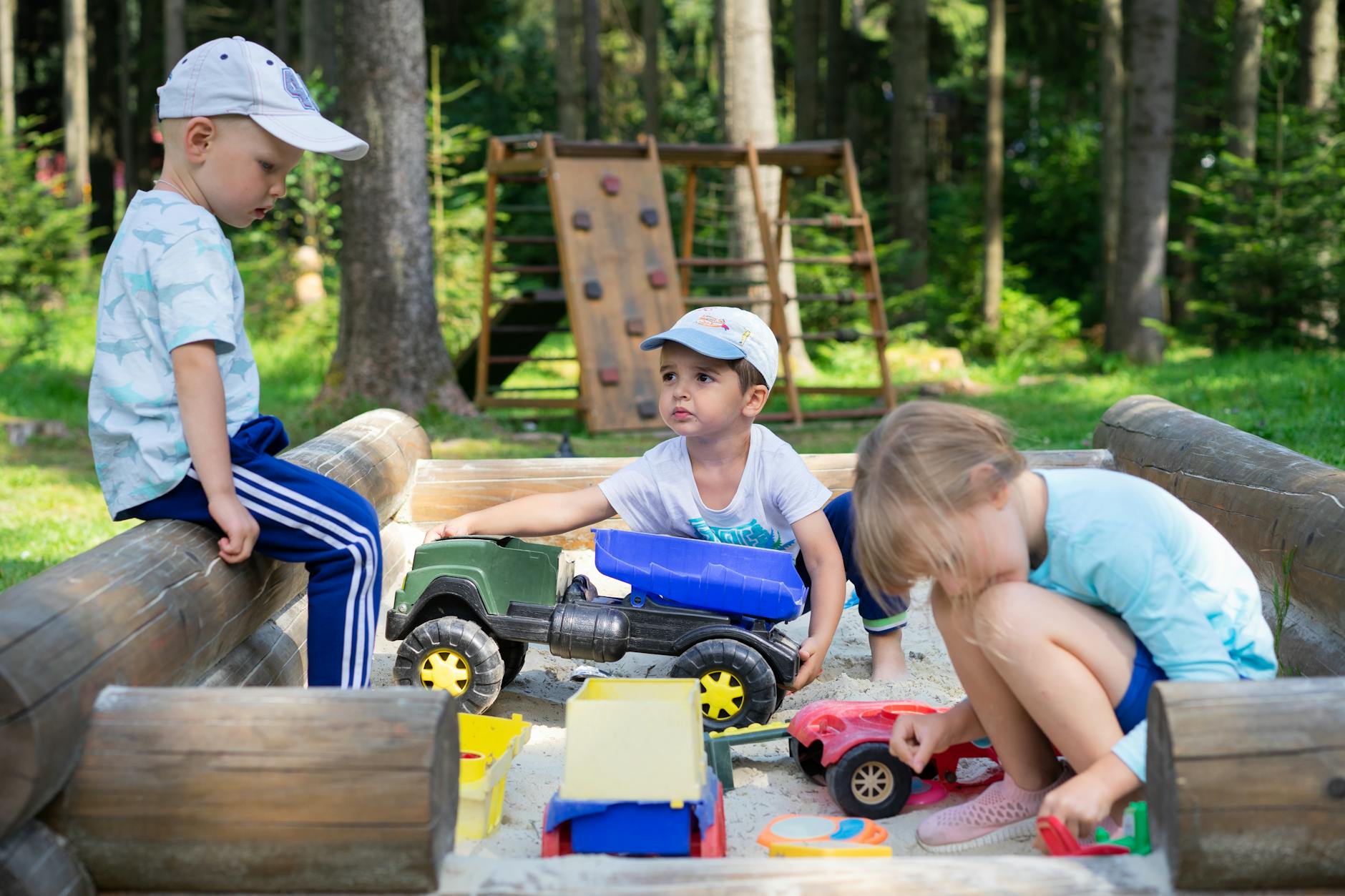
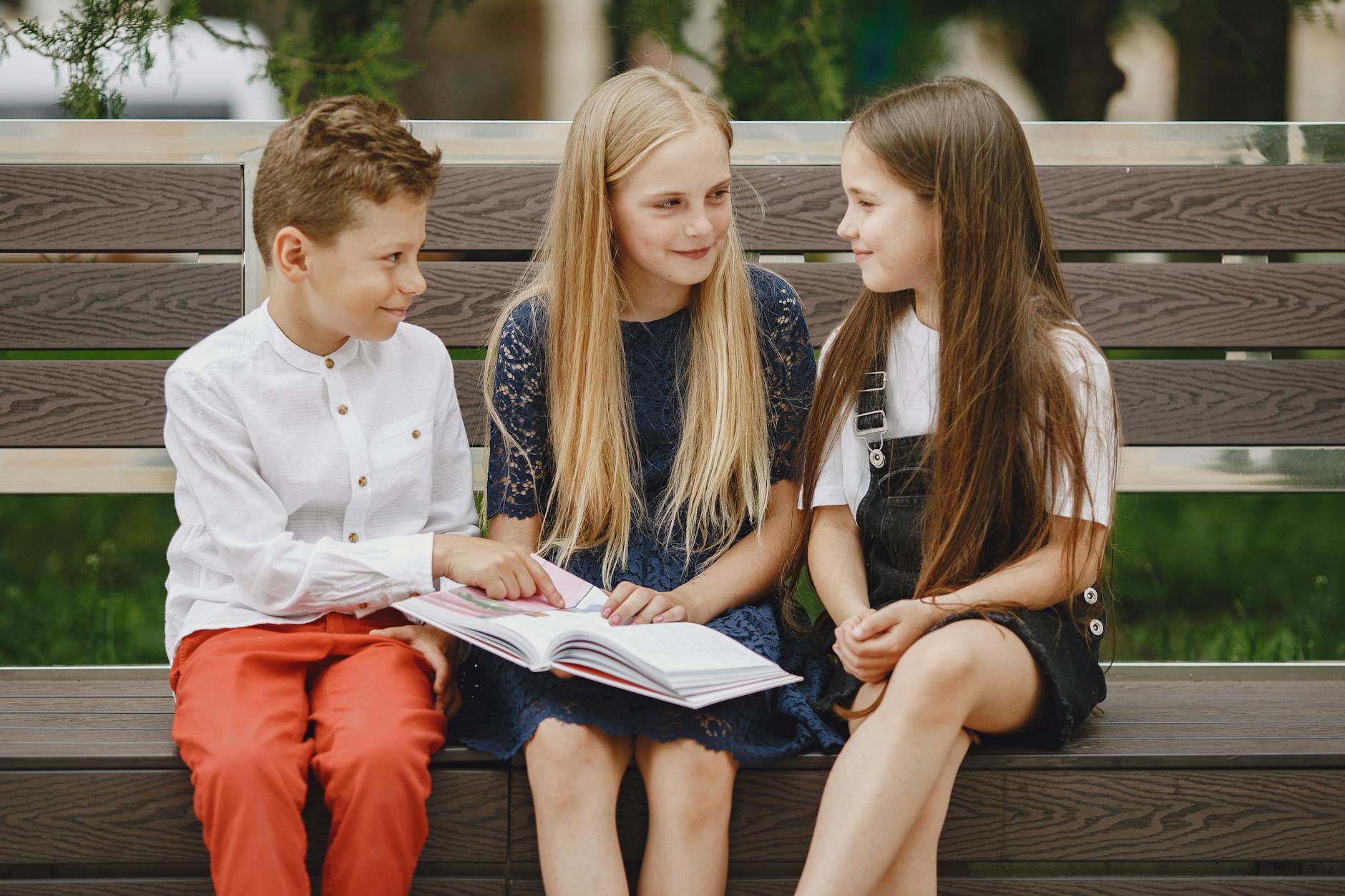
The Lasting Impact of Springtime Social Growth
The lessons learned during these sun-drenched months have a ripple effect that extends far beyond the season itself. The confidence built, the friendships forged, the conflict resolution skills practiced – these are the foundations for a well-adjusted, socially adept child. The research from places like the American Psychological Association research on spring social skills often highlights how seasonal changes can significantly impact mood and social engagement.
From Playdates to Lifelong Bonds
The seemingly simple act of playing together outdoors in spring can lay the groundwork for deeper connections. Children learn to understand each other's personalities, to appreciate differences, and to navigate the complexities of relationships. These early experiences are crucial for their ongoing child development spring.
Developing Emotional Intelligence
Through shared experiences and interactions, children develop empathy, learn to read social cues, and understand their own emotions and those of others. This is a fundamental aspect of their child emotional changes.
Building Resilience and Adaptability
Navigating the ups and downs of group play, dealing with disagreements, and adapting to new social situations builds resilience. Children learn that not every interaction will be perfect, and that’s okay. This is a vital part of their journey, and research from Psychology Today research on spring social skills often touches on these resilience factors.
A Call to Embrace the Outdoors
So, as the days grow longer and the world outside beckons, I urge you to embrace it fully. Let your children run, play, explore, and yes, even get a little messy. These are the moments where true learning happens, where spring social skills are not just taught, but lived. The benefits of this approach are profound, as noted by organizations like the National Institutes of Health research on spring social skills, which consistently points to the importance of social interaction for overall well-being.
Think about the last time you saw a group of children utterly absorbed in a game of tag, their laughter echoing through the park. That’s the pure essence of social growth in action. Don’t over-schedule or over-manage. Simply provide the space, the time, and the encouragement for them to connect. You might be surprised at the incredible social blossoming that occurs when we simply let them be children, under the warm spring sun. Remember, sometimes the most valuable lessons are learned not in a classroom, but in the great, wide-open world. And if your child is also dealing with child spring allergies, remember to be extra mindful and prepared so they can still enjoy these crucial outdoor social opportunities.