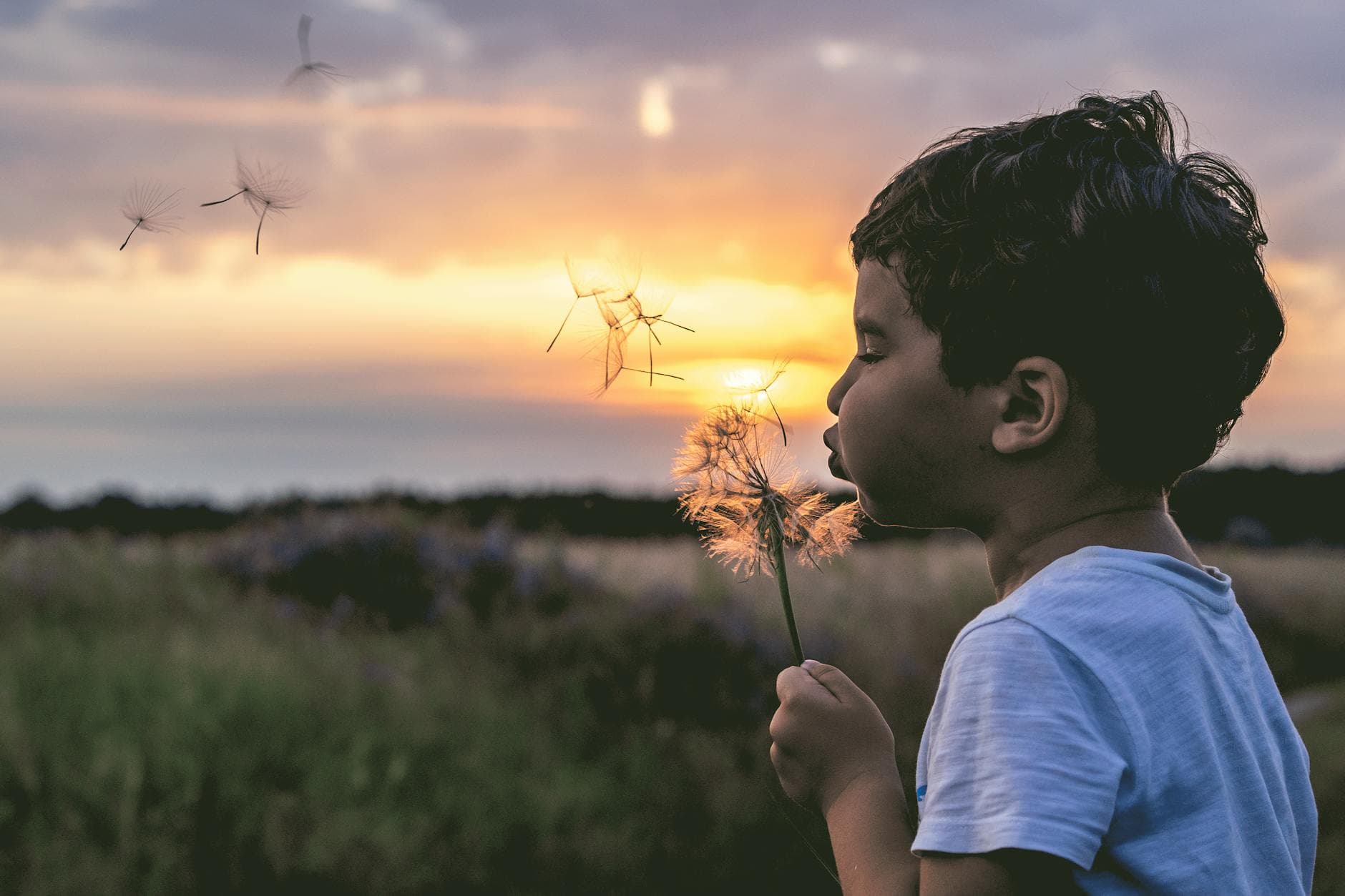
The first warm breeze of spring often carries with it the scent of blooming flowers and freshly cut grass. For many families, this is a welcome sign of renewal and outdoor adventures. But for some, that same breeze can trigger the sniffles, sneezes, and itchy eyes that signal the onset of child spring allergies. You've probably noticed your little one's discomfort, the way they rub their eyes incessantly or the tell-tale signs of a stuffy nose that isn't quite a cold. Dealing with these seasonal shifts can be a real challenge, impacting your child's comfort and your peace of mind.
Understanding the Spring Allergy Surge
Spring allergies in children are incredibly common. It's not just a minor inconvenience; it can significantly affect their daily lives. The primary culprits are airborne allergens like pollen from trees, grasses, and weeds, which become abundant as the weather warms up. These tiny particles, when inhaled, can trigger an immune response in sensitive children, leading to a cascade of symptoms.
The Pollen Parade: What's Triggering It?
Different plants release pollen at different times. Early spring often sees tree pollen, followed by grass pollen in late spring and early summer, and then weed pollen later in the season. Knowing which pollens are prevalent in your area can help you prepare. For instance, oak, birch, and maple trees are common spring offenders, while various grasses like Timothy and Bermuda grass are major culprits.
Beyond Pollen: Other Springtime Allergens
While pollen dominates the spring allergy scene, other allergens can also contribute to your child's discomfort. Mold spores, which thrive in damp environments, can become more active as things thaw and moisture levels rise. Dust mites, though present year-round, can be stirred up more easily in the spring as homes are opened up and cleaned.
The Immune System's Overreaction
At its core, an allergic reaction is the immune system mistaking a harmless substance (like pollen) for a dangerous invader. It then releases chemicals, such as histamine, which cause the familiar allergy symptoms. It's a protective mechanism gone slightly awry, and in children, this overreaction can manifest quite dramatically.
Recognizing the Signs: Child Spring Allergy Symptoms
Spotting the difference between a common cold and spring allergies can be tricky, but there are key indicators. Often, allergy symptoms persist for weeks, whereas a cold usually resolves within a week or two.
The Classic Trio: Sneezing, Itching, and Runny Nose
Your child might experience frequent sneezing fits, often in bursts. An itchy nose, throat, or roof of the mouth is another hallmark. A runny nose is also common, but the discharge is typically clear and watery, unlike the thicker, colored mucus often seen with a cold.
Beyond the Nose: Other tell-tale signs
Don't overlook the eyes. Watery, red, and itchy eyes are very common with spring allergies. Dark circles under the eyes, often called "allergic shiners," can also appear. Some children may also develop a persistent cough, especially at night, or even experience ear congestion.
When to Seek Professional Advice
If your child's symptoms are severe, interfere with their sleep or daily activities, or if you're unsure whether it's allergies or something else, it's always best to consult a pediatrician. They can help diagnose the issue and recommend the most effective treatment plan. This is also a good time to discuss potential allergy testing to pinpoint specific triggers.
Navigating the Treatment Landscape for Kids Seasonal Allergies
Fortunately, there are many effective ways to manage spring allergies in children, allowing them to enjoy the season. The goal is often to reduce exposure to allergens and to manage symptoms when they do occur.
Minimizing Allergen Exposure at Home
Keeping your child's environment as allergen-free as possible is a crucial first step. This means keeping windows and doors closed during peak pollen times, especially on windy days. Using air purifiers with HEPA filters can also significantly improve indoor air quality. Regularly cleaning your child's room, including bedding and stuffed animals, can help reduce dust mite and pollen accumulation.
Over-the-Counter and Prescription Medications
There's a range of allergy medications available. Antihistamines, available in liquid and chewable forms, are often the first line of defense for relieving itching, sneezing, and runny nose. Nasal steroid sprays can be very effective for reducing nasal inflammation and congestion, but they often take a few days to reach full effect. Your doctor might also recommend decongestants for short-term relief, though these should be used cautiously in children.
When Talking Allergies Child is Key: Empowering Your Child
It's vital to involve your child in managing their allergies, especially as they get older. Explaining what allergies are in simple terms can reduce their anxiety and help them understand why they might need to take medication or avoid certain activities. You can use age-appropriate language to describe how their body is reacting and what steps you're taking to help them feel better. This is a great opportunity for gentle talks about spring changes and how their body responds.
The Emotional and Mental Impact of Allergies on Children
It's easy to focus on the physical symptoms of allergies, but we mustn't forget how they can affect a child's emotional well-being. Persistent discomfort, lack of sleep, and feeling unwell can lead to irritability, fatigue, and a general sense of being "off."
When Allergies Disrupt Play and Learning
Imagine a child wanting to play outside but being unable to due to itchy eyes and constant sneezing. This can lead to frustration and a feeling of missing out on important childhood experiences. For older children, allergy symptoms can impact their concentration in school, making it harder to learn and engage. This is where boosting outdoor social skills becomes even more important, but it's a challenge when allergies are flaring.
The Link Between Physical and Mental Health
There's a clear connection between physical health and mental health. For children, chronic discomfort from allergies can contribute to anxiety or a general feeling of low mood. According to American Psychological Association research, managing chronic health conditions in children often requires a holistic approach that addresses both physical and emotional needs. This is why talking to kids about health, in general, is so important, and allergies are a prime example.
Supporting Your Child's Emotional Health During Allergy Season
Open communication is essential. Let your child express how they're feeling. Validate their discomfort and reassure them that you're working to help them feel better. Ensure they're getting enough rest, as fatigue can exacerbate emotional distress. Sometimes, simply acknowledging their feelings and offering extra cuddles can make a world of difference. This is part of the broader picture of child emotional changes you'll navigate as a parent.
Tips for a Comfortable Spring: Allergy Advice for Parents
As a parent who has navigated this many times, I'll be real with you: managing child spring allergies requires a proactive and informed approach. It's not just about reacting to symptoms; it's about creating an environment and a routine that minimizes their impact.
Creating an Allergy-Friendly Home Environment
Here's the thing: your home should be a sanctuary. Regularly vacuuming with a HEPA filter, dusting with a damp cloth, and washing bedding in hot water can make a significant difference. Consider keeping pets out of your child's bedroom if they are a known allergen.
Timing is Everything: Outdoor Activities and Pollen Counts
Pay attention to local pollen counts, which are often reported by weather stations. Try to schedule outdoor activities for times when pollen levels are lower, typically in the late afternoon or after rain. When your child does play outdoors, have them wash their hands and face and change their clothes immediately upon returning inside to remove pollen. This is excellent advice for maximizing the benefits of toddler spring nature exploration.
The Role of Nutrition and Hydration
While not a cure, a balanced diet rich in fruits and vegetables can support your child's overall immune system. Staying well-hydrated is also important, as it can help thin mucus, making it easier to clear. Don't forget that child growth spurts require consistent, good nutrition, and allergies shouldn't derail that.
When to Consider Allergy Testing
If your child's allergies are persistent or particularly bothersome, allergy testing can be invaluable. This can be done through skin prick tests or blood tests. Identifying specific allergens allows for more targeted avoidance strategies and can inform treatment decisions. The National Institutes of Health research on child spring allergies highlights the importance of accurate diagnosis.
Looking Beyond the Symptoms: Long-Term Allergy Management
Dealing with child spring allergies is often a marathon, not a sprint. Building a comprehensive understanding and a solid management plan can make a world of difference not just for this spring, but for many to come.
The Importance of Consistent Management
Consistency is key. Sticking to a medication schedule, maintaining an allergen-free home, and employing avoidance strategies diligently will yield the best results. This is where Healthline research on child spring allergies often emphasizes the impact of consistent care.
Educating Your Child and Family
The more everyone understands about allergies, the better equipped you'll be to manage them. Educate siblings, grandparents, and caregivers about your child's triggers and what to do in case of a severe reaction. This shared knowledge fosters a supportive environment.
Empowering Your Child for a Healthier Future
Ultimately, the goal is to empower your child to live a full and active life, even with allergies. By providing them with the tools, knowledge, and support they need, you're not just managing symptoms; you're building resilience and fostering a lifelong understanding of their own health. This approach to child emotional changes and physical health is paramount.