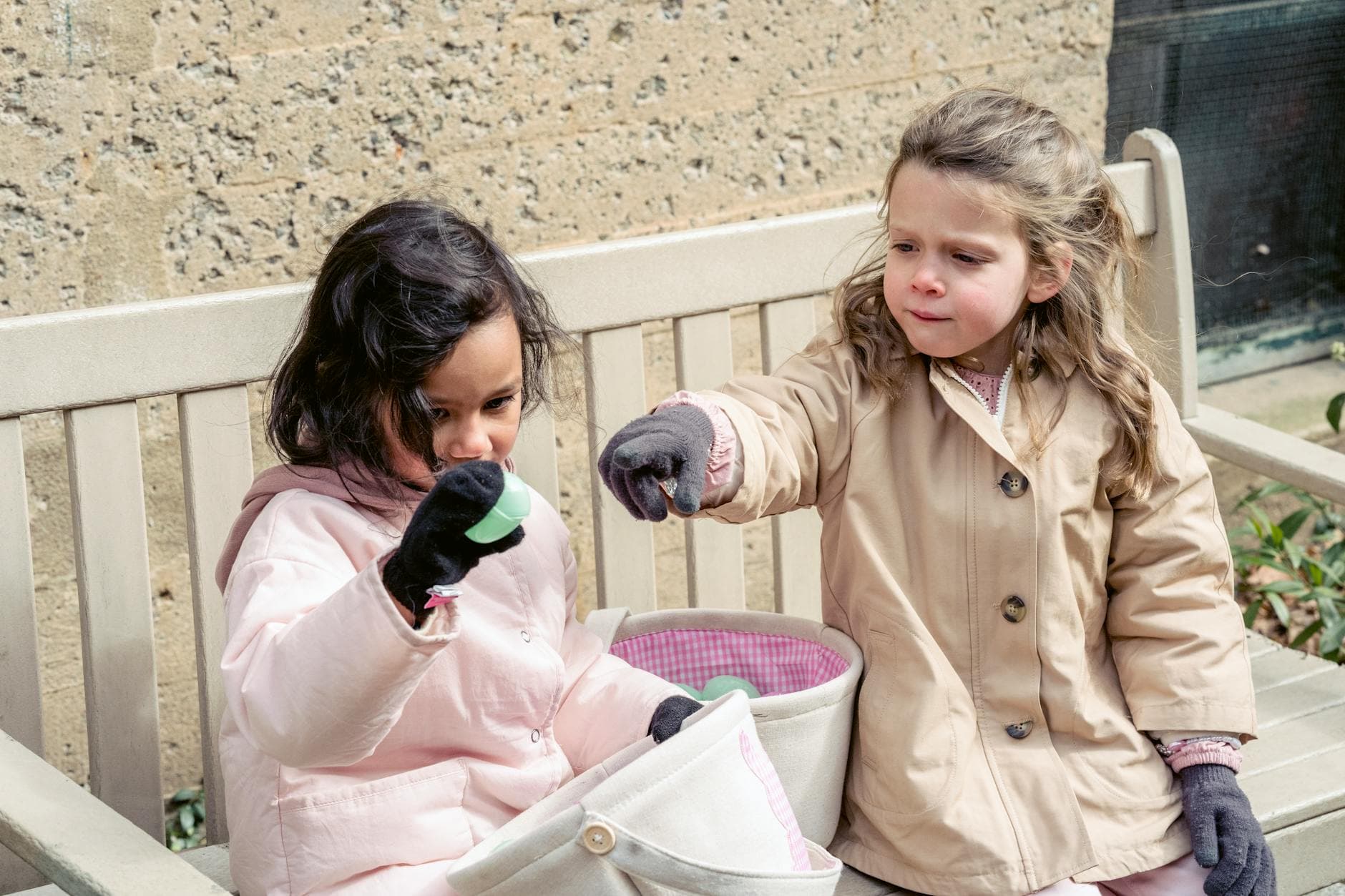
Remember those long winter days, feeling a bit cooped up, yearning for sunshine and the smell of damp earth? You know, the kind of feeling that makes you want to throw open the windows and let the world in? Well, for our little ones, that transition into spring is a seismic shift, and it's absolutely crucial for their development. This is where the magic of a preschooler spring play really shines.
The Uncontainable Energy of Spring: Why Preschoolers Thrive Outdoors
When spring finally decides to show up, it’s like a permission slip for preschoolers to unleash all that pent-up energy. The world outside transforms into a giant, exciting playground, and honestly, it’s the best classroom they could ask for. We're talking about a massive boost in their physical, cognitive, and social development, all thanks to simply being outside.
Gross Motor Skills Bloom
Think about it: after months of indoor play, often limited by space, suddenly there are puddles to splash in, hills to climb, and open fields for running. This outdoor exploration is a goldmine for developing gross motor skills. They’re not just playing; they’re building strength, coordination, and balance.
Running, jumping, skipping, climbing – these aren't just fun activities. For a preschooler, they're fundamental building blocks. They learn to gauge distances, understand their body's capabilities, and develop the confidence that comes with mastering physical challenges. This type of active engagement is far more beneficial than any structured indoor exercise program.
Sensory Exploration Explodes
Springtime offers an unparalleled sensory feast. The world is bursting with new sights, sounds, smells, and textures. From the feel of soft moss under their fingertips to the buzzing of a bee (from a safe distance, of course!), the opportunities for sensory play are endless. This is so vital for brain development, helping them make sense of the world around them.
This isn't just about touching things, though. It's about the entire sensory experience. The smell of freshly cut grass, the warmth of the sun on their skin, the sound of birds chirping, the taste of a wild strawberry (if you're lucky and know what's safe!). These experiences create rich neural pathways, helping them learn and remember.
Cognitive Leaps Through Nature Play
When preschoolers engage in outdoor play, their minds are just as active as their bodies. They become little scientists, observing, questioning, and experimenting. Nature play for kids is incredibly stimulating, fostering curiosity and problem-solving skills.
Observing a ladybug crawling on a leaf, trying to figure out how to build a dam in a small stream, or collecting different types of pebbles – these simple acts are complex cognitive tasks. They learn about cause and effect, develop critical thinking, and gain a deeper understanding of the natural world. This kind of hands-on learning is what truly sticks.
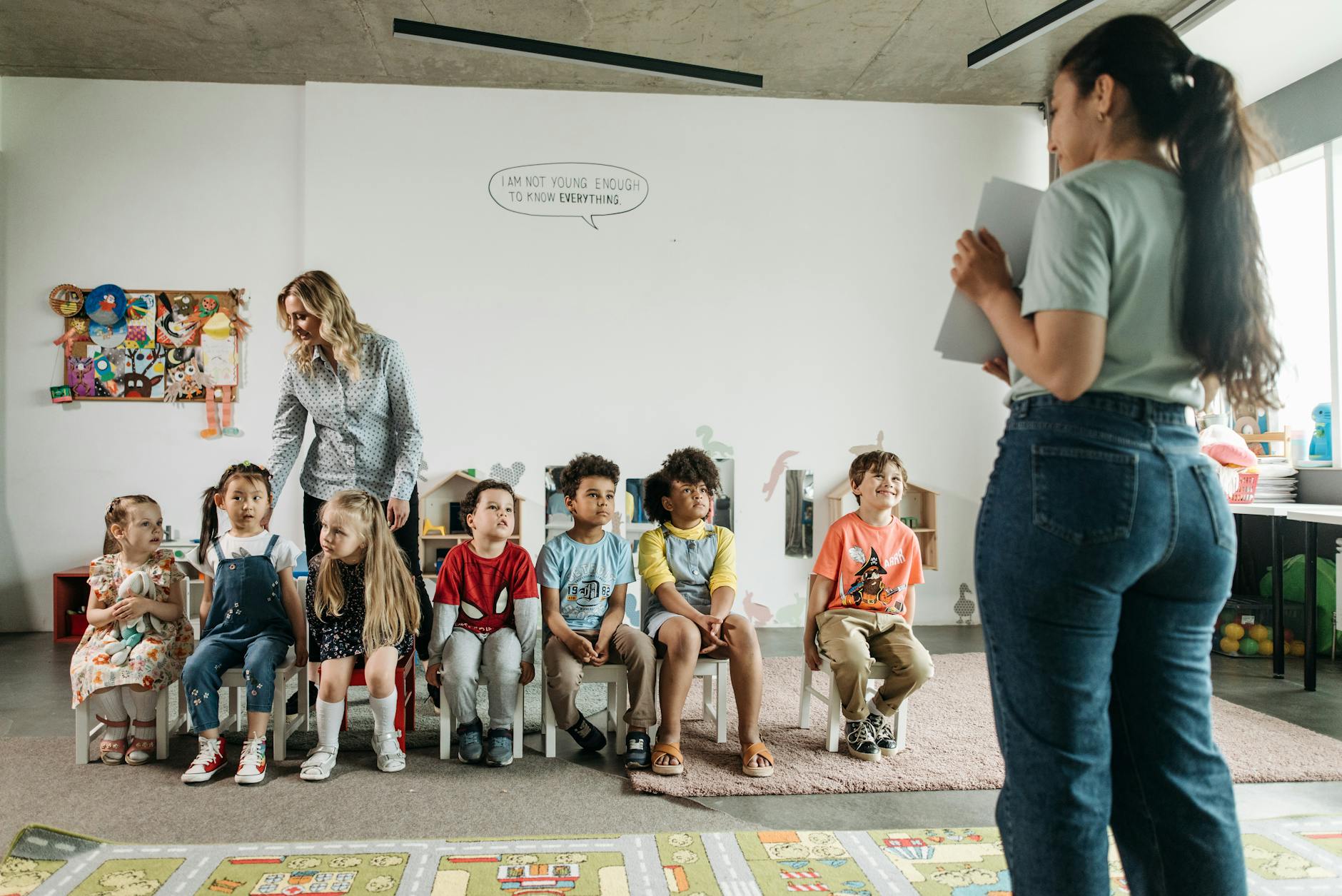
The Preschooler Spring Play Advantage: More Than Just Fun
It's easy to see outdoor play as just "letting off steam," but the benefits run so much deeper, especially when we’re talking about a preschooler spring play that’s intentional and engaging. This isn't just about keeping them busy; it's about nurturing their holistic development.
Boosting Social Skills Through Shared Adventures
When kids play together outdoors, they’re naturally practicing and honing their social skills. Sharing a shovel, negotiating who gets to be the "gardener," or working together to build a fort – these are all valuable lessons in cooperation, communication, and conflict resolution. Outdoor social skills are often more organic and less pressured than indoor interactions.
Think about a group of preschoolers discovering a patch of dandelions. One might want to blow the seeds, another might want to pick them for a bouquet, and a third might want to examine the roots. They have to talk to each other, compromise, and share the experience. These are the foundations of healthy relationships.
Emotional Resilience and Regulation
The unpredictability of nature – a sudden gust of wind, a brief rain shower, or the discovery of an interesting bug – can present small challenges. Learning to navigate these situations, adapt, and manage their emotions is crucial for building resilience. This is a key part of child development spring brings.
When a child’s carefully constructed mud castle gets washed away by a sudden rain shower, how they react and how they are guided through that disappointment is a powerful learning moment. They learn that things change, that sometimes plans go awry, and that they can cope. This is far more effective than any lecture on emotional regulation.
Screen Time Alternatives That Truly Engage
In our digital age, finding genuine screen time alternatives can feel like a Herculean task. But spring offers a natural, captivating alternative that’s right outside our doors. A preschooler spring play environment can easily eclipse the allure of a tablet.
Instead of passively consuming content, children are actively creating, exploring, and interacting. They are problem-solving in real-time, engaging all their senses, and developing a deep connection with the physical world. This type of engagement is essential for healthy childhood development milestones.
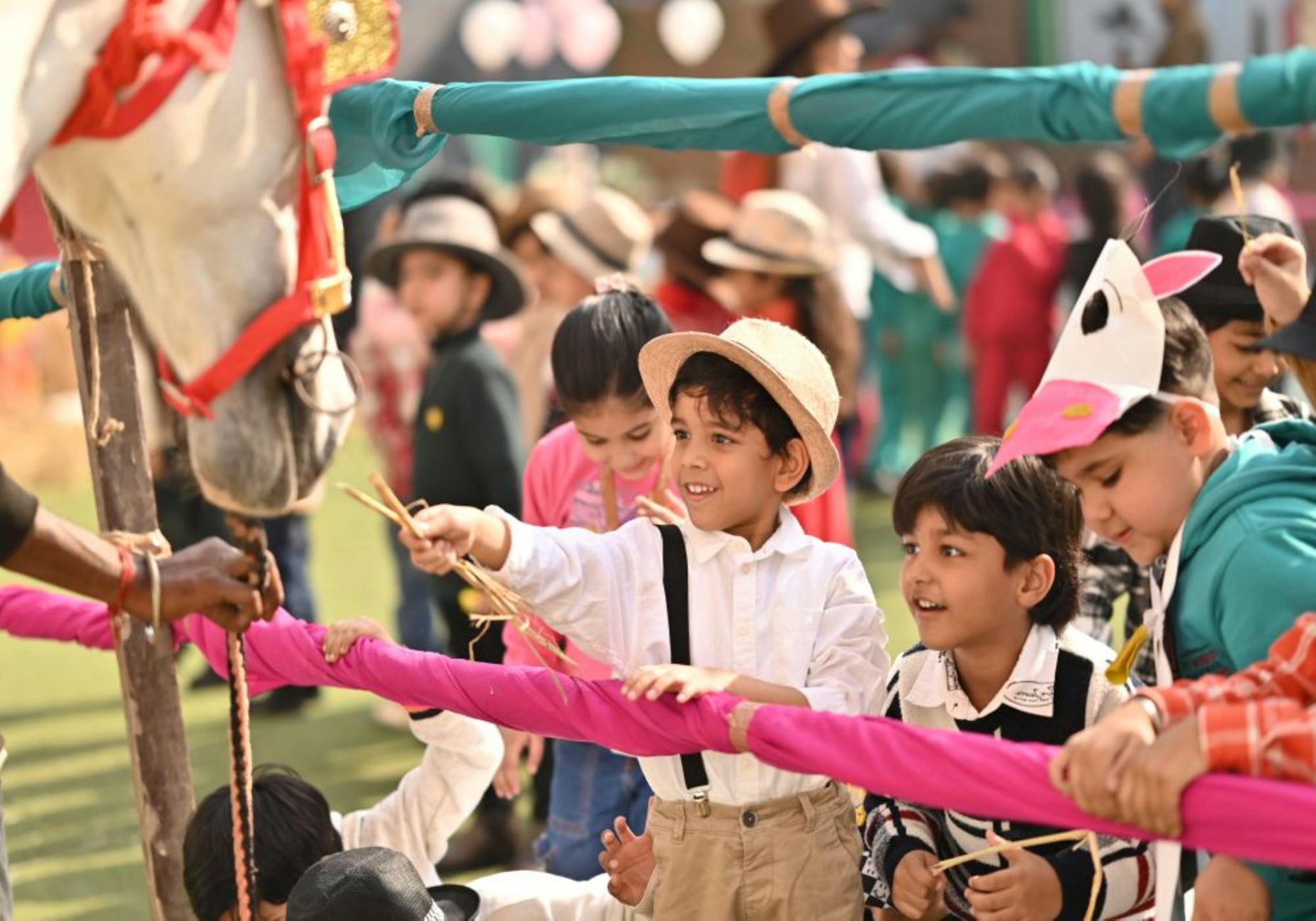
Making the Most of Your Preschooler's Spring Adventures
So, how do we, as parents and caregivers, facilitate this amazing spring play? It’s not about elaborate setups; it’s about embracing the simplicity and the opportunities that nature provides. You've probably noticed how much more engaged your child is when they have freedom to explore. That's the key.
Embrace the Mess: The Beauty of Sensory Play
I'll be real with you, letting kids get dirty can be a challenge for some of us. But mud pies, digging in the dirt, and splashing in puddles are pure gold for preschoolers. These activities provide incredible sensory play opportunities that are fundamental for their development. Don't be afraid to let them get messy; that's where the real learning happens.
Think about the texture of wet soil, the coolness of a muddy puddle, the squish of a worm between their fingers (if they’re brave!). These tactile experiences are incredibly rich and help children develop a deeper understanding of the physical properties of their environment. Clothes can be washed, but these sensory experiences shape young minds.
Nature Scavenger Hunts and Exploration
Simple nature scavenger hunts can be incredibly engaging. Create a list of things to find – a smooth stone, a feather, a specific type of leaf, something yellow. This encourages observation skills and a deeper appreciation for the details in nature. It’s a fantastic way to combine learning with fun.
We used to go on "color hunts" in our backyard. "Find me three things that are green!" or "Can you find something that smells sweet?" It turned a regular walk into an exciting adventure and really sharpened their observational skills. This is a simple, yet effective way to encourage preschooler outdoor learning.
Building and Creating with Natural Materials
Give preschoolers access to sticks, leaves, stones, and mud, and watch their creativity soar. They can build fairy houses, dams, or abstract sculptures. This kind of open-ended play fosters imagination, problem-solving, and fine motor skills as they manipulate different materials.
This one surprised me when I first started really paying attention. A few sticks, some leaves, and a bit of mud can become a magnificent castle, a cozy den, or even a vehicle for imaginary journeys. The sheer ingenuity they display is astounding, and it’s all powered by their own internal drive to create.
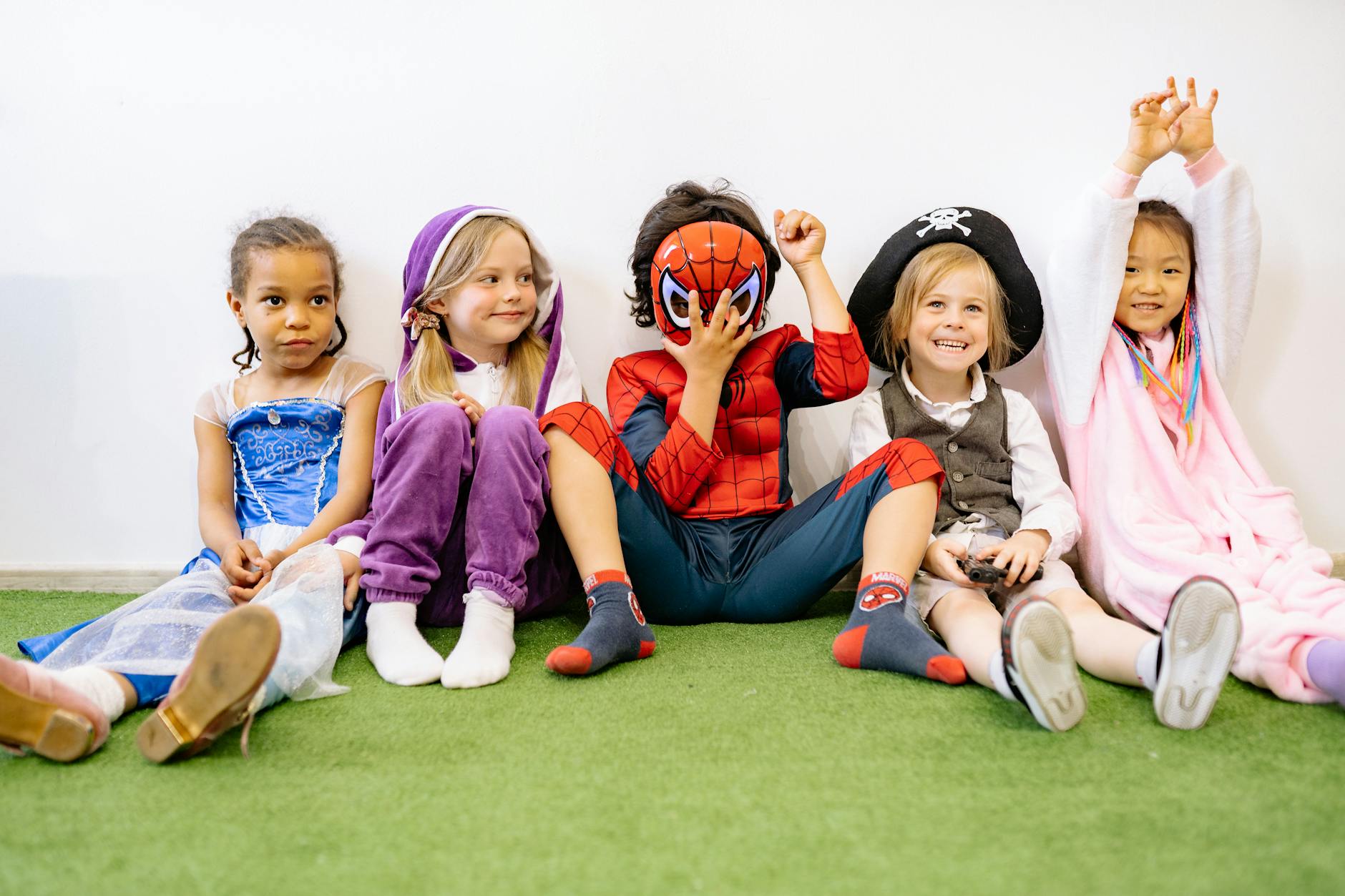
The Long-Term Impact: Why This Matters
The joy and learning that happen during preschooler spring play aren't just fleeting moments. These experiences lay the groundwork for a lifetime of healthy habits, a love of learning, and strong emotional well-being. The National Institutes of Health research on preschooler spring play consistently highlights the profound impact of early outdoor experiences.
Developing a Lifelong Love for Nature
Children who have positive experiences with nature at a young age are more likely to grow into adults who care about the environment. This connection to the natural world fosters a sense of wonder and respect that can last a lifetime. It’s about more than just playing; it's about nurturing stewards of the planet.
Building a Foundation for Healthy Habits
Regular outdoor play in spring encourages physical activity, which is crucial for combating childhood obesity and developing strong bodies. It also helps regulate sleep patterns and reduces stress, contributing to overall well-being. The benefits are far-reaching, impacting everything from physical health to mental clarity. The National Alliance on Mental Illness research on preschooler spring play often points to the stress-reducing effects of nature exposure.
Supporting Crucial Child Development Milestones
Every aspect of development – cognitive, social, emotional, and physical – is enhanced through spring play. The problem-solving encountered, the social negotiations, the physical challenges, and the sensory input all contribute to reaching important childhood development milestones. It's a comprehensive developmental experience that's hard to replicate indoors. Psychology Today research on preschooler spring play often emphasizes the holistic developmental gains.
Here's the truth: your preschooler doesn't need fancy toys or structured programs to thrive this spring. They need sunshine, fresh air, and the freedom to explore. Embrace the mud, the bugs, and the boundless energy. This season is a golden opportunity to support their growth in ways that are both profoundly impactful and wonderfully simple. So, go ahead, open that door, and let the spring play begin!