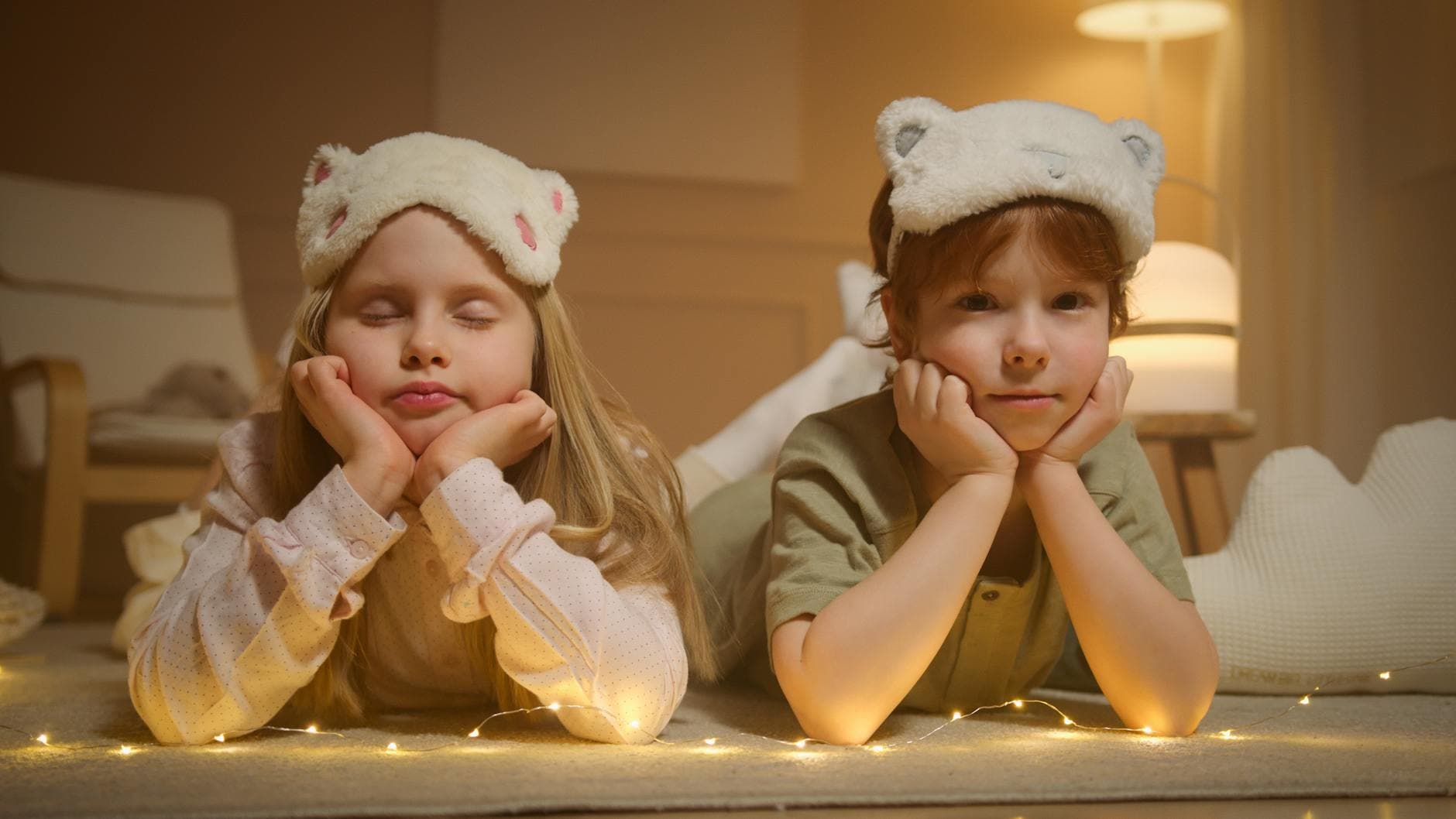
You know, it’s that time of year again. The sun dips below the horizon way too early, and suddenly your once-energetic kiddo seems to have morphed into a sleepy, grumpy gremlin. My own youngest, Leo, went from bouncing off the walls at 5 PM to practically needing a forklift to get him out of bed in the morning. It’s a classic case of winter sleep children behaving differently, and honestly, it can be baffling for parents.
The Science Behind Winter Sleep Changes in Kids
Why Shorter Days Mess With Our Little Ones
It's not just you. The change in daylight hours during winter has a real, biological effect on children. Our internal body clocks, also known as circadian rhythms, are heavily influenced by light. When the days get shorter, less light reaches our eyes, signaling to our brains that it's time to wind down. For kids, this can mean an earlier onset of sleepiness, but also a more disrupted sleep pattern overall. Think about how you feel when it suddenly gets dark at 4:30 PM – a bit sluggish, right? Kids are even more sensitive to these cues.
Melatonin: The Winter Hormone?
This is where melatonin, the sleep hormone, comes into play. Our bodies produce more melatonin in the dark. In winter, with fewer daylight hours, our melatonin production can start earlier in the evening, making our children feel genuinely tired sooner. But here's the tricky part: while they might feel sleepy earlier, the quality of that sleep can suffer. They might wake up more frequently or have trouble settling back down, leading to those dreaded morning meltdowns. It's a complex interplay of light and hormones that can really throw a wrench in things.
The Impact of Daylight Saving Time
And don't even get me started on daylight saving time! That abrupt shift, whether falling back or springing forward, is like a mini jet lag for kids. When we "fall back" in the autumn, it seems like a win, right? More light in the afternoon! But it can still disrupt their established sleep-wake cycles. The American Psychological Association research on winter sleep children highlights how consistent routines are key, and these time changes are anything but consistent. You've probably noticed a few nights of chaos after the clocks change; that's your child's body recalibrating.
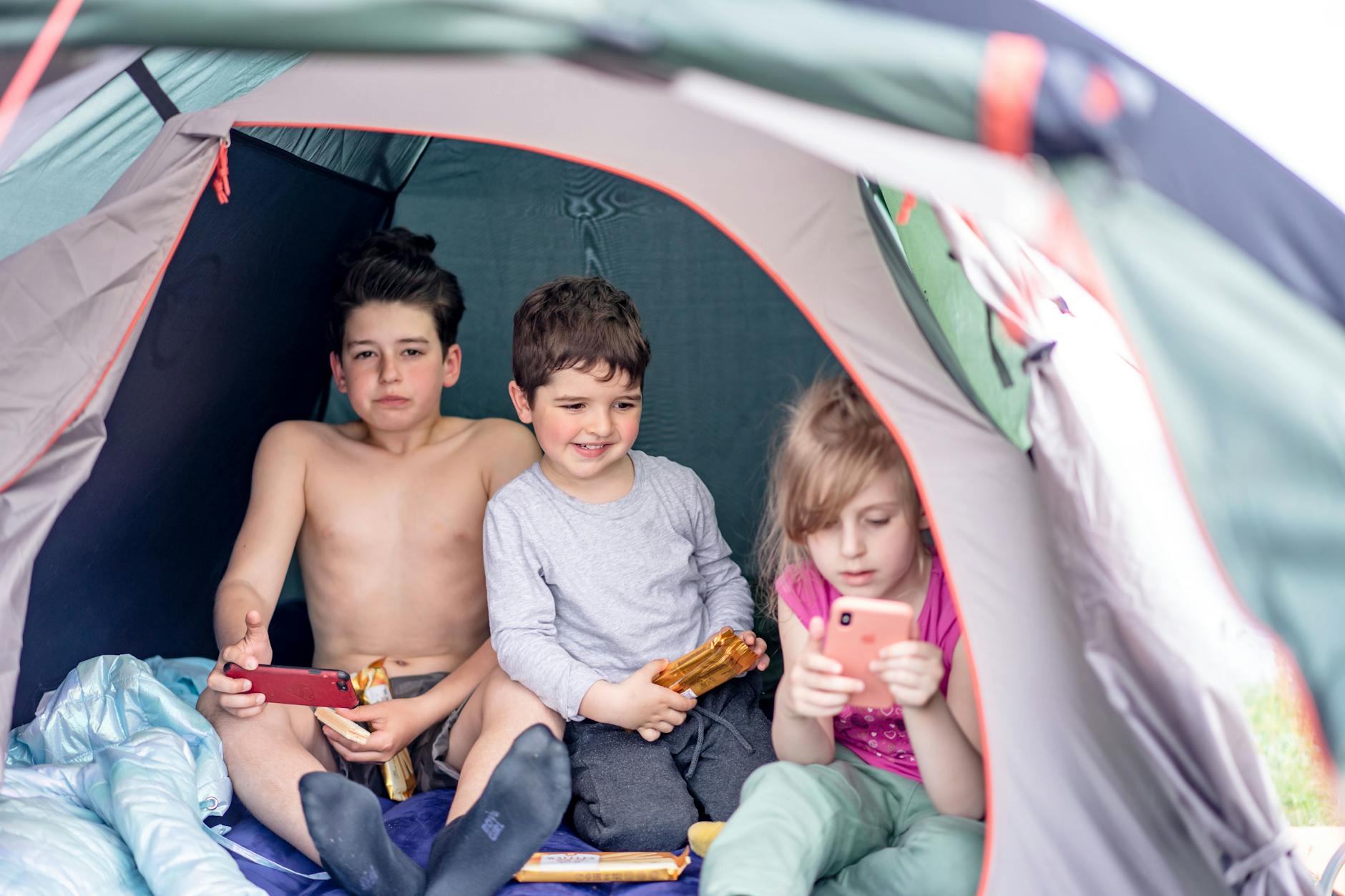
Common Winter Sleep Disruption for Kids
The "Too Much, Too Soon" Sleepiness
One of the most common issues I see is kids becoming overly sleepy very early in the evening. They might be fighting naps more during the day, only to crash hard by 6 PM. This can lead to bedtime battles because they're overtired but also wired from a day of disrupted sleep. It's a paradox that leaves parents scratching their heads. I used to think my kids were just being difficult, but understanding the biological shifts helps a lot.
Waking Up in the Dark
Another biggie is early morning wake-ups. With the sun rising later, it's still pitch black when many kids naturally wake up. This can be disorienting and lead to distress. They might wake up feeling like it's the middle of the night, even if their internal clock is telling them it's time to get up. This is a significant reason behind winter sleep disruption children experience, and it impacts the whole family’s sleep schedule.
The Winter Blues and Sleep
You might also notice a correlation between your child's mood and their sleep. Seasonal Affective Disorder (SAD), often called the "winter blues," can affect children too. While it's more commonly discussed in adults, kids can experience changes in mood, energy levels, and sleep patterns. Psychology Today research on winter sleep children often touches on this connection. If your child is unusually withdrawn, irritable, or lethargic, it’s worth considering if their sleep is playing a role, or if the winter blues are contributing to sleep problems.
Cold Weather's Role
And let's not forget the simple fact of cold weather. When it's chilly outside, kids might spend more time indoors, which can mean less exposure to natural light. This lack of outdoor time, coupled with the general darkness, can exacerbate sleep issues. Plus, if their bedrooms are too cold, it can make it harder for them to fall asleep and stay asleep comfortably. Finding that sweet spot between cozy and stifling is key.

Strategies for Better Winter Sleep for Children
Prioritizing a Consistent Routine
This is, hands down, the most important thing you can do. Even when it feels like the world is shifting with the shorter days, a stable bedtime routine acts as an anchor. Aim for the same bedtime and wake-up time every single day, even on weekends. This helps regulate their internal clock. A good routine might involve a warm bath, reading a story, and some quiet cuddles. Consistency is your superpower here.
Maximizing Daylight Exposure
Even though it’s cold, try to get your kids outside during daylight hours as much as possible. A midday walk, playing in the yard for a bit, or even just opening the curtains wide when they wake up can make a difference. Sunlight exposure, especially in the morning, is crucial for setting their circadian rhythm. If you can’t get outside, make sure their play areas indoors are well-lit. This is where the benefits of outdoor play really shine, even in winter.
Creating a Sleep-Friendly Environment
Ensure their bedroom is dark, quiet, and cool. Blackout curtains are a lifesaver for those early winter sunrises. A white noise machine can help mask any sudden noises that might wake them. And as I mentioned, a slightly cooler room is actually better for sleep. Think cozy blankets, but not overheated.
Managing Screen Time Wisely
This one is tough, I know. But excessive screen time, especially in the hours leading up to bed, can be a major sleep disruptor. The blue light emitted from devices suppresses melatonin production. Try to implement a "no screens" rule at least an hour before bedtime. It's a challenge, but finding winter indoor activities without screens can be a game-changer for sleep hygiene.
Healthy Sleep Hygiene for Kids in Winter
Beyond the routine and environment, think about overall sleep hygiene. This includes ensuring they’re getting enough physical activity during the day (which, again, can be tricky indoors). Avoid sugary snacks and caffeine late in the day. A warm, non-caffeinated drink before bed, like milk or herbal tea, can be a soothing ritual. Sometimes, parents get so focused on the bedtime itself that they forget these smaller pieces of the puzzle.

When to Seek Professional Help
Recognizing Persistent Sleep Problems
If you've tried everything and your child is still struggling with significant sleep problems winter children often face, it might be time to consult a professional. Persistent issues like chronic insomnia, extreme difficulty falling asleep, frequent night terrors, or significant daytime sleepiness that impacts their functioning could be signs of an underlying issue. The National Alliance on Mental Illness research on winter sleep children often points to the importance of addressing these issues proactively.
The Link Between Sleep and Mental Health
Sleep and mental health are incredibly intertwined. For children, poor sleep can manifest as behavioral problems, difficulty concentrating, and increased irritability. If you notice a significant change in your child's mood or behavior that coincides with their sleep struggles, it’s definitely worth exploring. Issues like anxiety or depression can also manifest as sleep disturbances, and it's important to get a comprehensive assessment.
Your Pediatrician is a Great Starting Point
Your pediatrician is your first port of call. They can rule out any medical conditions that might be affecting your child's sleep. They can also provide tailored advice based on your child's specific age and needs. Sometimes, a simple adjustment to their schedule or a referral to a sleep specialist is all that's needed. Don't hesitate to advocate for your child's well-being; good sleep is foundational.
It’s easy to feel overwhelmed when your child’s sleep is all over the place, especially during the long, dark months. But understanding the "why" behind winter sleep children experience can empower you to make positive changes. Remember, consistency, a good routine, and a sleep-friendly environment are your best allies. And if things don’t improve, professional support is readily available. Think about the last time you had a truly restful night; it makes all the difference, doesn't it? Let’s aim for that for our kids, even when the sun seems to be on vacation.