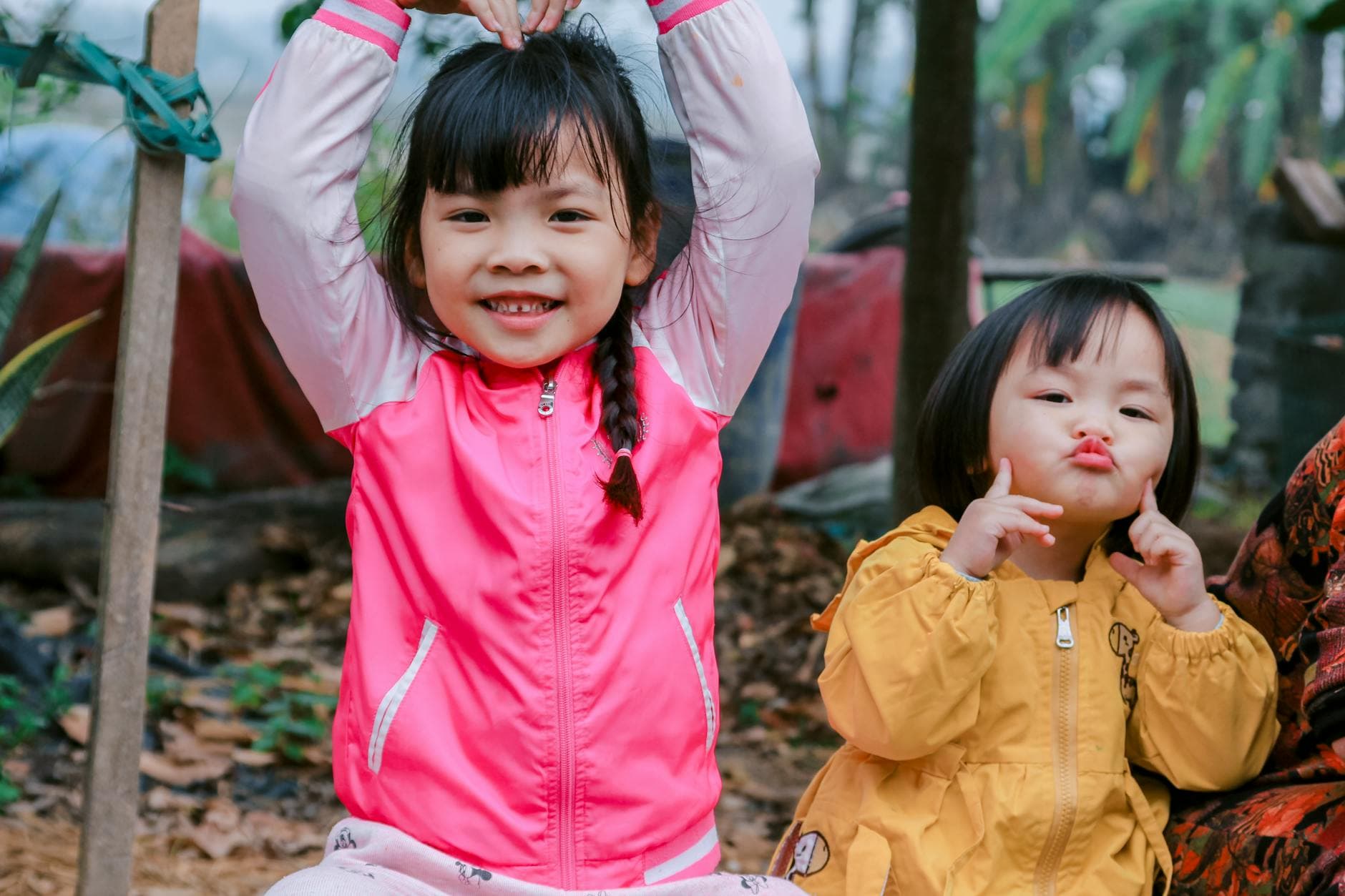
What if your little one suddenly seemed like a completely different child for a few weeks every spring? More clingy, more cranky, or just plain *off*? You might be grappling withpreschooler spring adjustment, a surprisingly common hurdle that catches many parents off guard. It's not just about the warmer weather or the blooming flowers; for our preschoolers, it's a significant shift that impacts their sleep, mood, and overall behavior. This isn't about a few bad days; it's a real developmental phase that requires understanding and a bit of strategic parenting.
The Spring Shift: More Than Just Longer Days
The arrival of spring often brings with it the much-anticipated shift in daylight saving time. While adults might relish the extra evening light, for preschoolers, this change can feel like a jarring disruption to their internal clocks. The preschooler spring adjustment isn't always a smooth sail, and understanding the underlying causes is the first step to navigating it successfully.
The Biological Clock Wobble
Our bodies, including those of our young children, operate on a circadian rhythm, an internal 24-hour clock that regulates sleep-wake cycles. When we spring forward, we're essentially telling that clock it's an hour earlier than it feels. This throws off the delicate balance of melatonin (the sleep hormone) and cortisol (the wakefulness hormone), making it harder for preschoolers to fall asleep and wake up at their usual times. This is a core reason behind preschooler sleep problems spring.
Beyond the Clock: Environmental Triggers
It's not solely the time change. Spring itself brings a cascade of environmental changes that can affect a preschooler. Longer daylight hours mean more opportunities for play and stimulation, which is fantastic, but it can also mean less time for winding down before bed. Brighter mornings can also disrupt sleep even before the official alarm rings. Think about how much more vibrant and active the world becomes – that energy is infectious, and it can be hard for a young child to switch off.
The Emotional Ripple Effect
When a child's sleep is disrupted, their emotional regulation often takes a hit. This is where you might see significant preschooler behavior changes spring. What might have been a minor frustration before can now lead to a full-blown tantrum. They might seem more sensitive, more prone to meltdowns, or even experience increased anxiety. This isn't them being "naughty"; it's their system struggling to cope with the internal and external shifts. Helping toddlers with time change requires patience and a recognition of these emotional consequences.

Rejigging the Preschool Spring Schedule
One of the most effective ways to manage preschooler spring adjustment is to proactively adjust their routine. A consistent preschool spring schedule provides a sense of security and predictability, which is crucial when their internal clocks are feeling a bit haywire.
The Gradual Sleep Shift
Instead of waiting for the time change to hit, start making small adjustments a few days beforehand. For the spring daylight saving change, this means shifting bedtime and wake-up times earlier by 15 minutes every couple of days leading up to the change. This gentle transition helps their bodies acclimatize more smoothly. For example, if your child typically goes to bed at 7:30 PM, start putting them down at 7:15 PM a few days before the clocks spring forward. This proactive approach is key to successful preschooler sleep schedule spring management.
Morning Light Management
Those brighter mornings can be a real sleep thief. Blackout curtains are your best friend here. They can help create a darker, more sleep-conducive environment, even when the sun is determined to rise earlier. Even a slightly darker room can make a significant difference in preventing early wake-ups. You've probably noticed how much harder it is to sleep when light streams in – it's the same for your little one.
Consistency is King (Even on Weekends)
While it's tempting to let routines slide on weekends, especially as the days get longer and more appealing, try to maintain some consistency with sleep and meal times. Major shifts on Saturday and Sunday can make the Monday morning return to routine even more challenging. This consistency is vital for helping kids adjust to longer days and for minimizing the overall stress of the transition.
Managing Preschooler Energy Levels in Spring
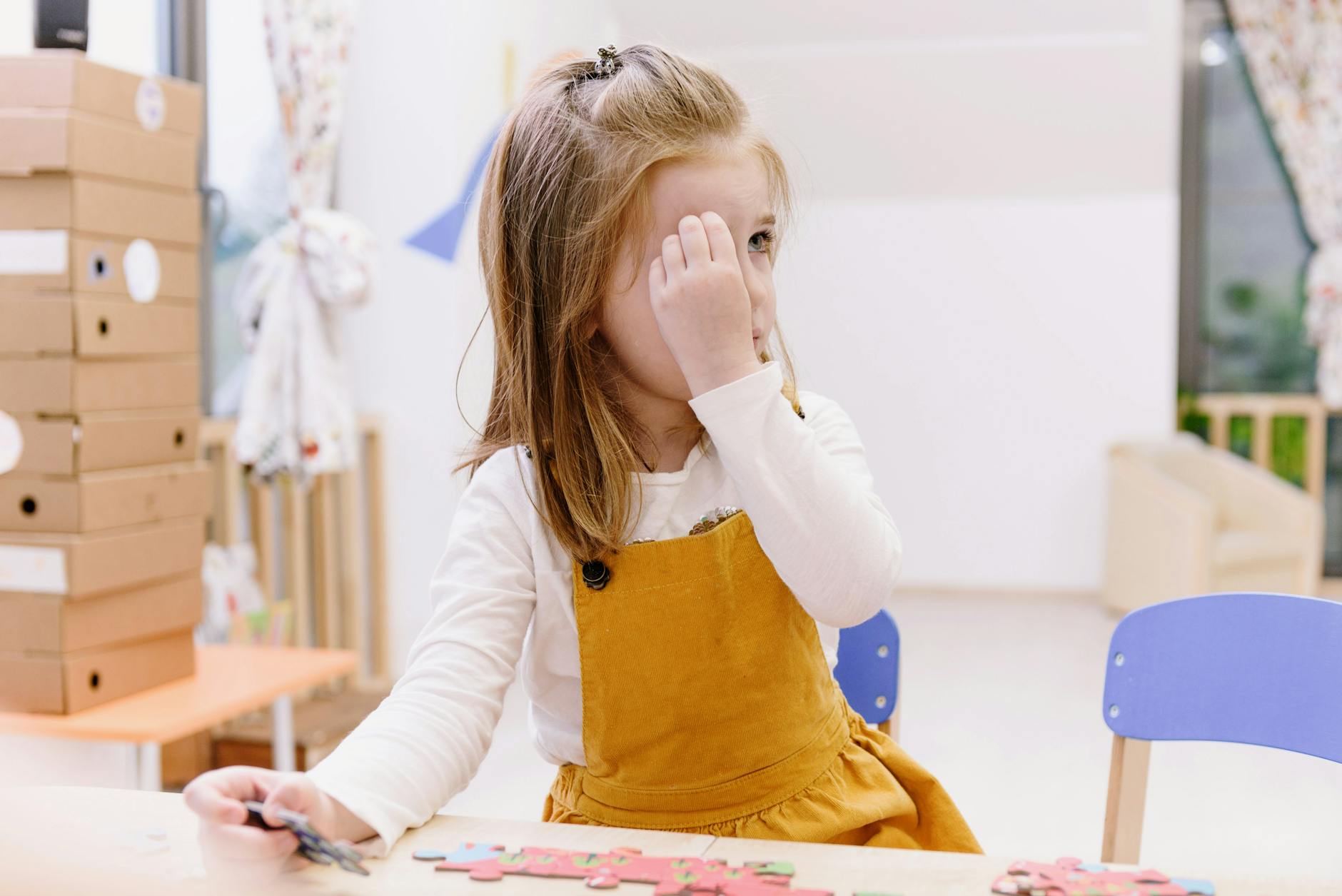
Spring often brings a surge of energy in preschoolers. The warmer weather, the longer days, and the sheer joy of being outdoors can lead to an explosion of activity. However, managing this increased energy is key to avoiding meltdowns and ensuring they can still settle down for sleep. This is a big part of the spring transition for preschoolers.
Harnessing the Outdoor Urge
Embrace the desire for outdoor play! Spring is the perfect time for Toddler Outdoor Exploration: Safe Spring Adventures and Toddler Outdoor Activities: Spring Fun for Development. More time spent running, jumping, and exploring outside can actually help them expend pent-up energy, making them more ready for rest later. Think about visiting local parks, going for walks, or even just playing in the backyard.
The Importance of Wind-Down Time
Even with all that outdoor energy, a proper wind-down routine is non-negotiable. This is where a solid preschool bedtime routine spring comes into play. It signals to their bodies and minds that it's time to transition from active play to rest. This might include a warm bath, reading stories, quiet playtime, or listening to calming music. The goal is to create a predictable sequence of events that helps them relax and prepare for sleep, even if the sun is still peeking through the window.
Screen Time Smarts
Be mindful of screen time, especially in the hours leading up to bedtime. The blue light emitted from screens can interfere with melatonin production and make it harder to fall asleep. If screens are part of your routine, try to limit them to earlier in the day and ensure there's a significant buffer before bedtime. This is a simple yet powerful way to support preschooler sleep schedule spring.
When the Adjustment Gets Tricky
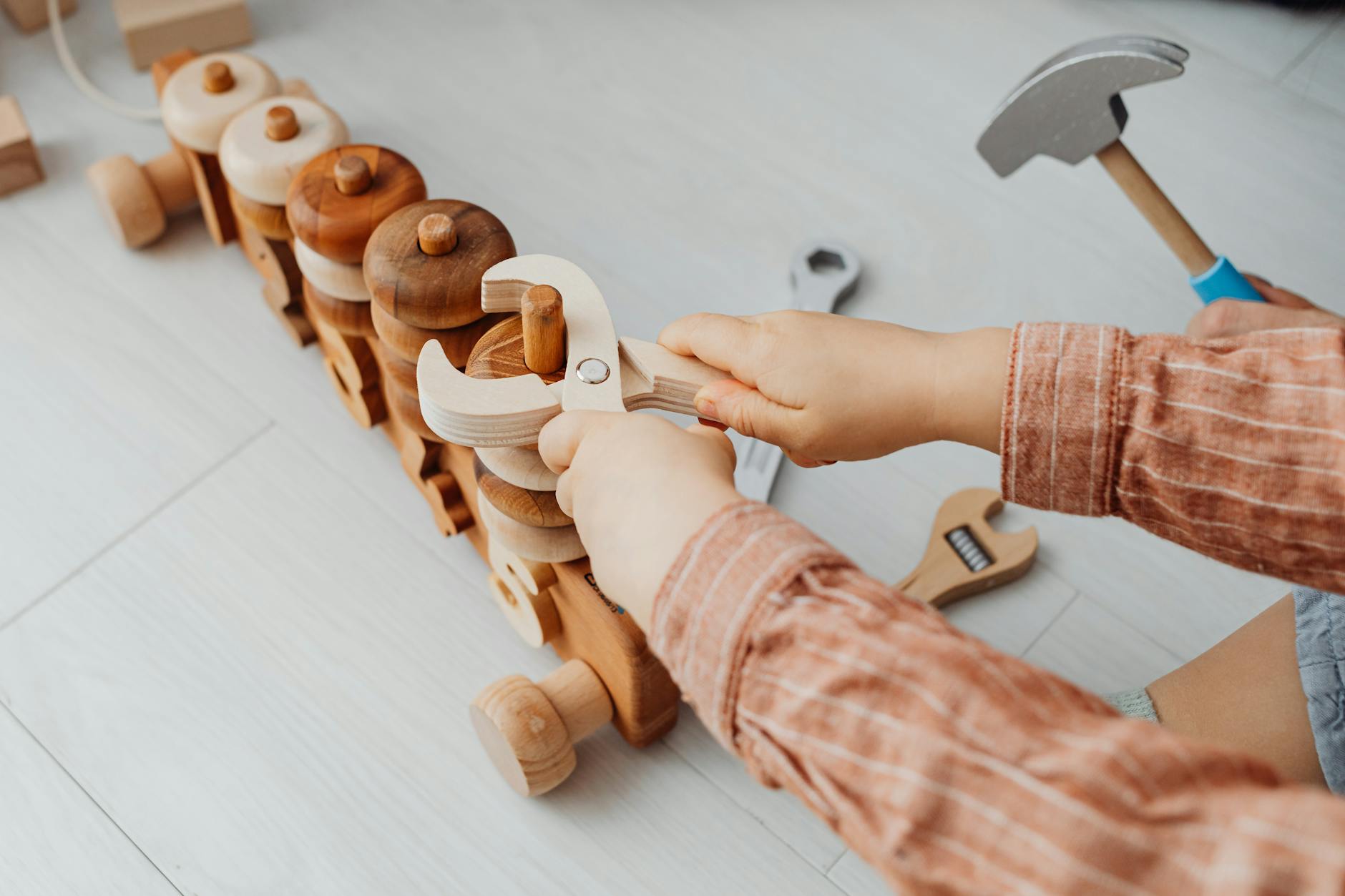
Most of the time, a little extra attention to routine and sleep hygiene will see your preschooler through the spring adjustment. However, sometimes, the challenges can persist, leading to significant preschooler sleep problems spring or more pronounced behavioral issues. Here's where a deeper dive into child development spring principles comes in handy.
Recognizing Persistent Sleep Issues
If your child is consistently struggling to fall asleep, waking frequently, or experiencing early morning awakenings for more than a week or two, it might be more than just the time change. Consider if there are other factors at play, such as overtiredness from too much daytime activity, anxiety, or even dietary changes. Psychology Today research on preschooler spring adjustment often highlights how intertwined sleep and behavior are.
The Role of Diet and Hydration
It sounds simple, but what and when your preschooler eats and drinks can significantly impact their sleep and energy levels. Ensure they're getting balanced meals and staying hydrated throughout the day. Avoid heavy or sugary snacks close to bedtime, as these can disrupt their sleep. Sometimes, a simple dietary tweak can make a surprising difference in managing preschooler behavior changes spring.
Seeking Professional Guidance
If you've tried various strategies and are still struggling, don't hesitate to reach out for professional help. Your pediatrician can rule out any underlying medical conditions. A child sleep consultant or a child psychologist can offer tailored strategies for persistent sleep issues or behavioral challenges. Remember, American Psychological Association research on preschooler spring adjustment shows that early intervention can be highly effective.
Embracing the Spring Growth Spurt
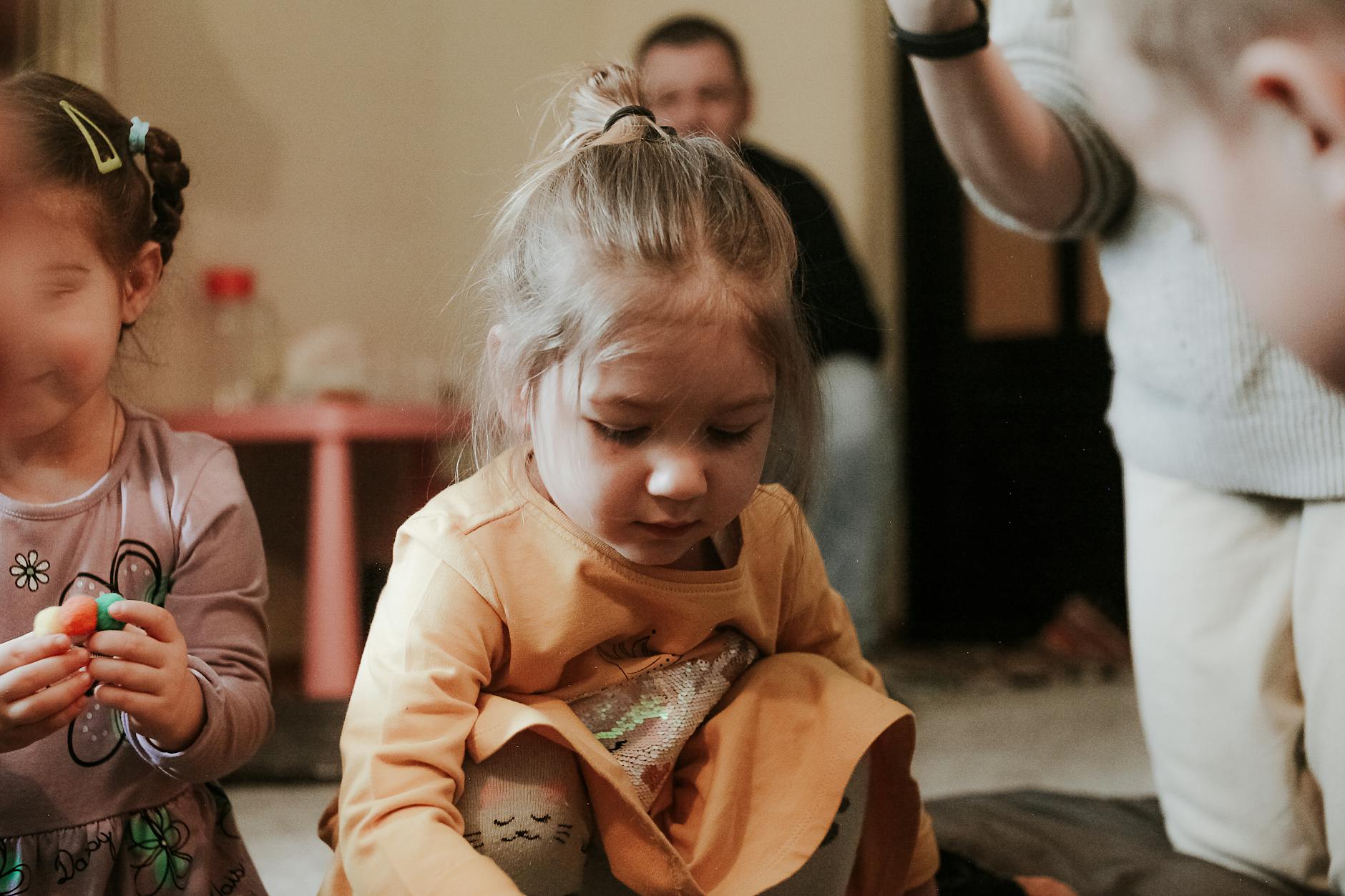
While the preschooler spring adjustment can present its challenges, it's also a fantastic opportunity for growth. This period can foster resilience, independence, and a deeper understanding of how our bodies respond to change. Think of it as a natural part of child development spring.
Nurturing Independence Through Routine
By establishing and sticking to a predictable preschool spring schedule, you're not just helping them adjust to the time change; you're reinforcing important life skills. This consistency helps build their sense of security and predictability. When they know what to expect, they can more confidently navigate new situations, a key aspect of Fostering Child Independence: Spring Growth Tips.
The Joy of New Discoveries
Spring is a season of exploration and discovery. The longer days and warmer weather invite more opportunities for learning and play. Encourage your preschooler to engage with the world around them, whether it's through Preschool Spring Activities: Explore Growth & Change, observing nature, or trying new things. This engagement can lead to improved mood and better sleep. I'll be real with you, seeing their excitement about a budding flower or a busy ant is pure magic.
Patience and Positivity: Your Superpowers
Ultimately, the most powerful tools you have as a parent are patience and a positive attitude. Your own calm and understanding can be incredibly reassuring to your child. Acknowledge that it's a transition, celebrate the small victories, and remember that this phase, like all phases of childhood, will pass. This one surprised me initially, but the research from National Institutes of Health research on preschooler spring adjustment consistently points to parental calm as a significant factor in a child's ability to adapt.
So, as the days lengthen and the world awakens, take a deep breath. The preschooler spring adjustment is a common, manageable part of your child's journey. With a little planning, a lot of patience, and a focus on routine, you can help your little one not just survive but thrive through this spring transition, emerging even more vibrant and ready for the season ahead.