
What if the tickle in your throat, the watery eyes, and the relentless sneezing weren't just physical annoyances, but also hijacking your peace of mind? What if the same pollen that triggers your hay fever is also fueling a simmering anxiety? It’s a reality for many, and finding genuine allergy anxiety relief is more than just wishful thinking; it’s a pathway to reclaiming your well-being when the world around you seems to be bursting with triggers.
Understanding the Allergy-Anxiety Connection
The link between physical symptoms and mental distress is often underestimated. When your body is under siege from allergens, it releases histamines and other inflammatory chemicals. These same chemicals can affect neurotransmitters in your brain, like serotonin and dopamine, which play crucial roles in mood regulation and stress response. This can create a vicious cycle: allergy symptoms cause discomfort, which leads to worry, which can then amplify the perception of those symptoms, and even manifest new physical sensations that feel like anxiety.
The Physiological Pathway
Your immune system’s overreaction to harmless substances like pollen or pet dander isn't a silent process. It kicks off a cascade of inflammatory responses. This inflammation doesn't just stay localized in your sinuses; it can become systemic, impacting your entire body, including your brain. Researchers are increasingly exploring how cytokines, signaling molecules of the immune system, can influence mood and contribute to feelings of fatigue and irritability, common companions to anxiety.
Psychological Triggers
Beyond the direct biological effects, there's the mental toll. You might start dreading spring or fall, the very seasons often associated with renewal and beauty, simply because you know what’s coming. This anticipation itself can be a significant source of anxiety. The fear of an impending allergy flare-up, the worry about how it will impact your work, social life, or even just your ability to enjoy a simple walk outside, can create a persistent undercurrent of unease.

Coping with Allergy Anxiety Relief Strategies
The good news is that you don't have to just passively endure this connection. There are practical, actionable steps you can take to manage both your allergies and the anxiety they bring. It’s about building a robust toolkit for allergy anxiety relief.
Proactive Allergy Management
This is foundational. If you can reduce the physical burden of allergies, you naturally lessen the fuel for your anxiety. This means working with a healthcare provider to identify your specific allergens and explore effective treatment options. Don't just grin and bear it; seek out solutions.
Medication and Treatments
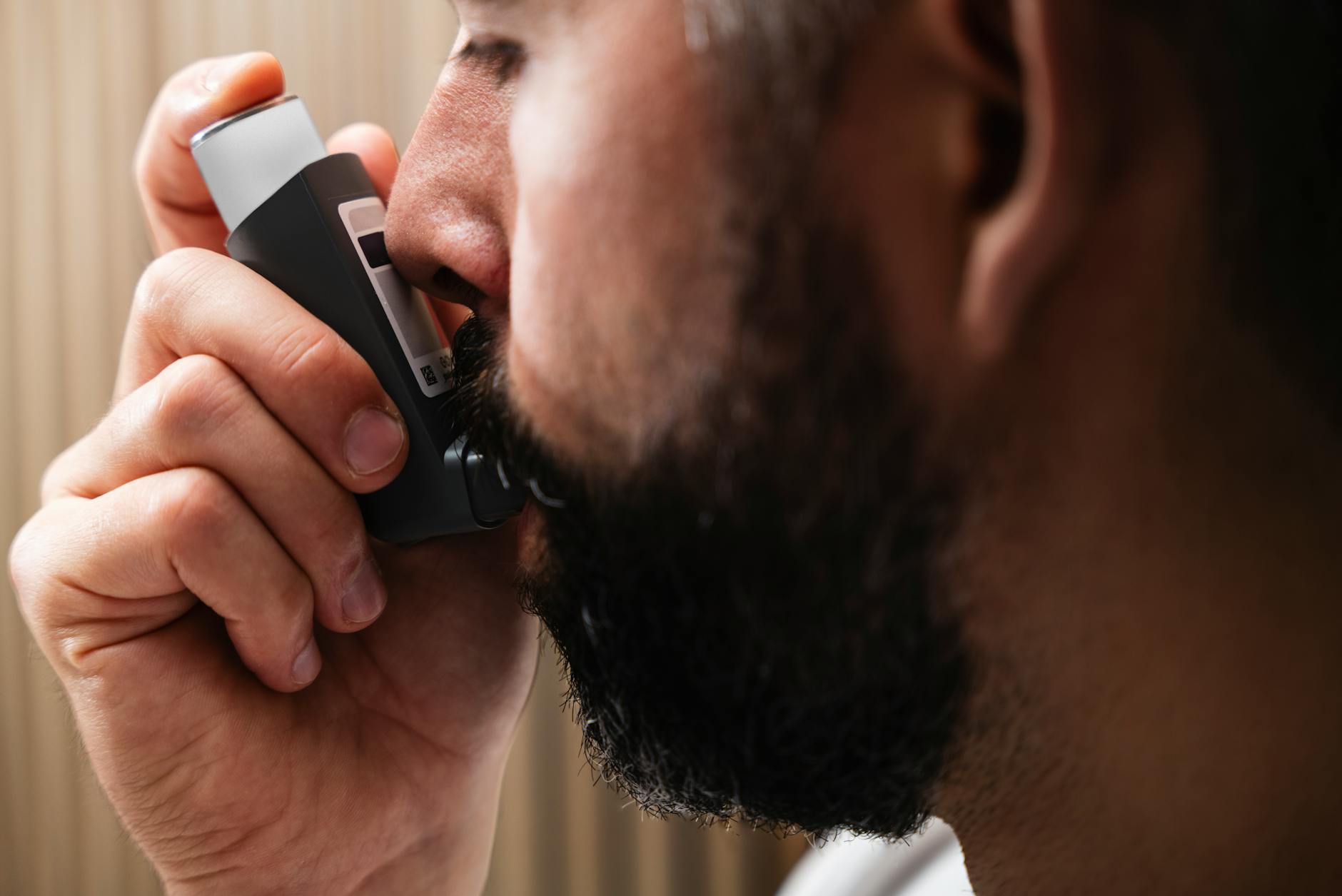
From over-the-counter antihistamines and nasal sprays to prescription medications and immunotherapy (allergy shots), there are many avenues to explore. A doctor can help you find what works best for your individual needs. Managing your allergy treatment options effectively is the first line of defense.
Environmental Controls
Simple changes at home can make a world of difference. Keeping windows closed during peak pollen times, using air purifiers with HEPA filters, and showering after spending time outdoors can significantly reduce your exposure. I used to think these were minor details, but honestly, the impact on my sleep and general well-being was profound.
Mindfulness and Relaxation Techniques
When your body is on high alert, your mind often follows suit. Learning to calm your nervous system is key to allergy anxiety relief. These techniques help you detach from anxious thoughts and ground yourself in the present moment. This is where the real magic happens for many.
Breathing Exercises for Anxiety
Simple, yet incredibly powerful. Deep diaphragmatic breathing can activate your body's natural relaxation response. Try this: inhale slowly through your nose, letting your belly expand, hold for a moment, and then exhale slowly through your mouth. Repeating this for a few minutes can significantly lower your heart rate and calm your mind.
Mindfulness for Allergies
This involves paying attention to the present moment without judgment. When you feel an allergy symptom or an anxious thought arise, acknowledge it. Instead of fighting it, observe it. Think about the last time you felt that itchy throat; can you notice it without immediately spiraling into worry? This practice, even for a few minutes daily, can build resilience.

Addressing Spring Allergies Anxiety
Spring, while beautiful, is often the peak season for allergens. The explosion of blossoms and green growth can feel like a personal attack when you suffer from seasonal allergies. This is when understanding specific spring allergies anxiety triggers and having targeted strategies is crucial.
Understanding Seasonal Triggers
Pollen counts tend to rise with warmer weather and wind, meaning outdoor activities can become minefields. Knowing when pollen counts are highest in your area and planning your outdoor time accordingly can make a big difference. For example, early mornings and late afternoons are often when pollen is most prevalent.
Pollen Counts and Your Mood
It's not just about sneezing; high pollen counts have been linked to increased feelings of depression and anxiety. Some research, like that discussed on Psychology Today research on allergy anxiety relief, suggests a direct correlation between pollen exposure and mood disturbances. This is why proactive management is so vital.
Social and Environmental Factors
Beyond pollen, spring often brings increased social events, more time spent outdoors, and changes in routine, all of which can be stressors. Navigating these shifts while also managing physical allergy symptoms can be overwhelming. You might be wondering how to attend that outdoor wedding when you know your eyes will water uncontrollably.
Specific Strategies for Seasonal Anxiety
When the season itself feels like an antagonist, you need strategies that acknowledge this specific challenge. Think of it as preparing for a marathon, not a sprint.
Creating a Safe Haven
Make your home a sanctuary. Ensure your indoor air is clean and allergen-free. This provides a reliable space where you can retreat and recharge, knowing you're not being bombarded by triggers. This can be as simple as consistently running your air purifier.
Gentle Movement and Outdoor Time
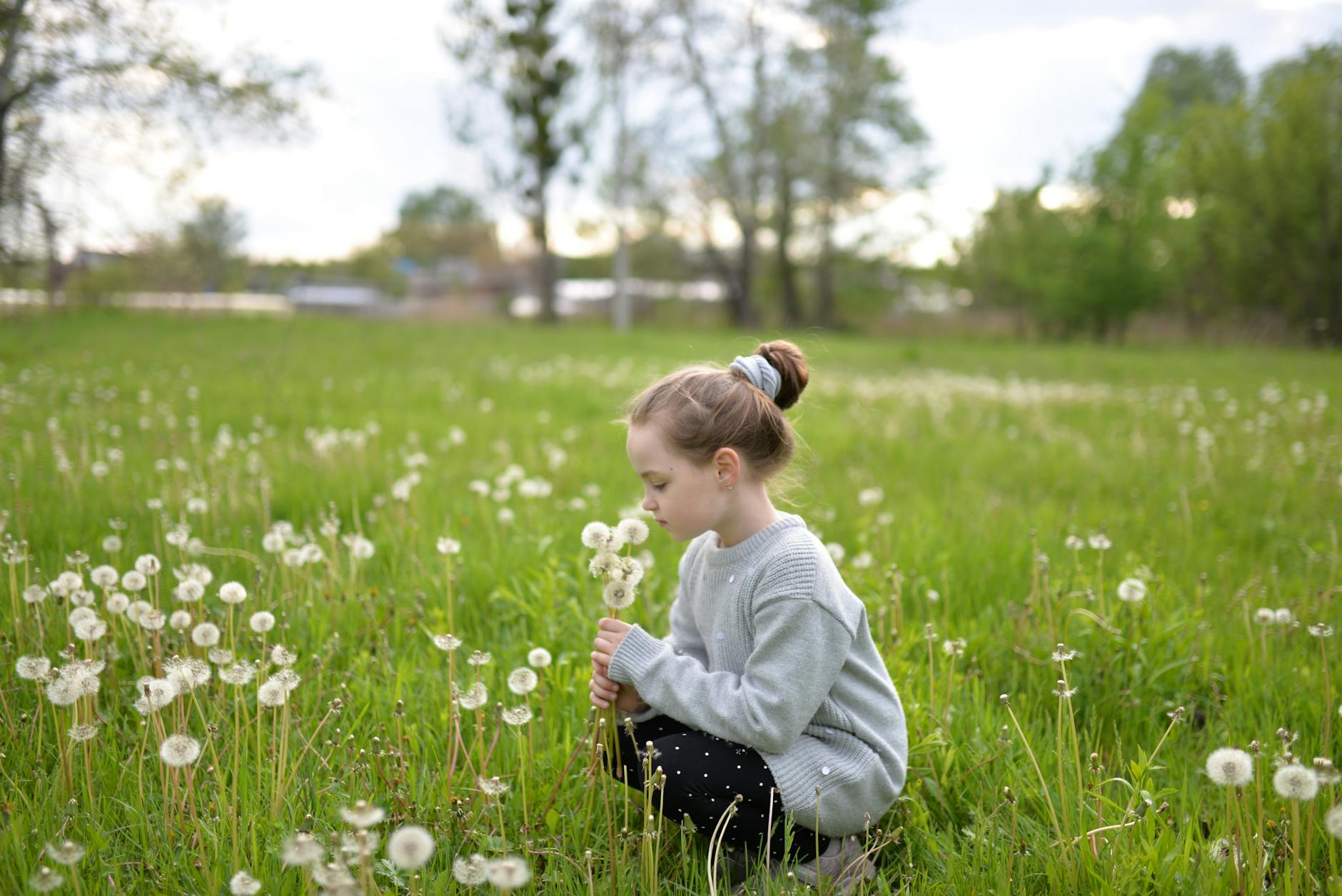
Don't completely isolate yourself. Find ways to enjoy the outdoors safely. Opt for times when pollen counts are lower, or choose locations like the beach where the sea breeze can help clear the air. Even a short, mindful walk can be incredibly beneficial. This is where therapeutic gardening can be a wonderful option, allowing controlled exposure and a sense of accomplishment.
Natural Anxiety Remedies and Lifestyle Adjustments
Sometimes, the most effective solutions are the ones nature provides or that are woven into our daily lives. These approaches complement medical treatments and provide holistic allergy anxiety relief.
Diet and Nutrition
What you eat can profoundly impact inflammation and mood. Certain foods can either exacerbate or help calm your body's responses.
Anti-inflammatory Foods
Incorporating foods rich in omega-3 fatty acids (like fatty fish, flaxseeds), antioxidants (berries, leafy greens), and probiotics (yogurt, kimchi) can help reduce overall inflammation in the body, potentially easing both allergy symptoms and anxiety. This is a long-term game, not a quick fix, but the benefits are substantial.
Foods to Limit
Conversely, processed foods, excessive sugar, and unhealthy fats can promote inflammation. Reducing these can create a more balanced internal environment.
Sleep and Stress Management
These two are inextricably linked. Poor sleep amplifies stress, and high stress disrupts sleep. Breaking this cycle is crucial for managing both allergy symptoms and anxiety.
Prioritizing Sleep Hygiene
Aim for 7-9 hours of quality sleep per night. This means establishing a regular sleep schedule, creating a relaxing bedtime routine, and ensuring your bedroom is dark, quiet, and cool. When you're well-rested, you're better equipped to handle stressors, including allergy flare-ups.
Stress Management Techniques
Beyond mindfulness and breathing, consider activities that genuinely help you unwind. This could be journaling, listening to calming music, spending time with loved ones, or engaging in a hobby you enjoy. Finding what works for you is key to effective seasonal mood swings management.
When to Seek Professional Help
While self-management strategies are powerful, there are times when professional support is essential. If your allergy anxiety is significantly impacting your daily life, don't hesitate to reach out.
Recognizing the Signs
Persistent worry, panic attacks, avoidance of situations due to allergy fears, or a constant feeling of being on edge are all indicators that you might need more support. It's important to remember that seeking help is a sign of strength, not weakness.
Consulting Healthcare Professionals
Your primary care physician or an allergist can help manage the physical aspects of your allergies. For the anxiety component, a therapist or counselor specializing in anxiety disorders or health-related anxiety can provide tailored strategies and support. The National Institutes of Health research on allergy anxiety relief highlights the importance of integrated care.
Therapy and Counseling Options
Cognitive Behavioral Therapy (CBT) is particularly effective for anxiety, helping you identify and challenge negative thought patterns associated with your allergies. For those experiencing the broader impact of seasonal changes on their mood, exploring resources like Allergy Mood Therapy: Boost Your Spring Mood Now can offer additional avenues for support.
The interplay between our physical health and mental state is complex, especially during allergy season. But by understanding the connections and implementing a multi-faceted approach, you can find significant allergy anxiety relief. It’s about taking back control, one breath, one mindful moment, and one well-managed symptom at a time. You deserve to enjoy the seasons, not just endure them.