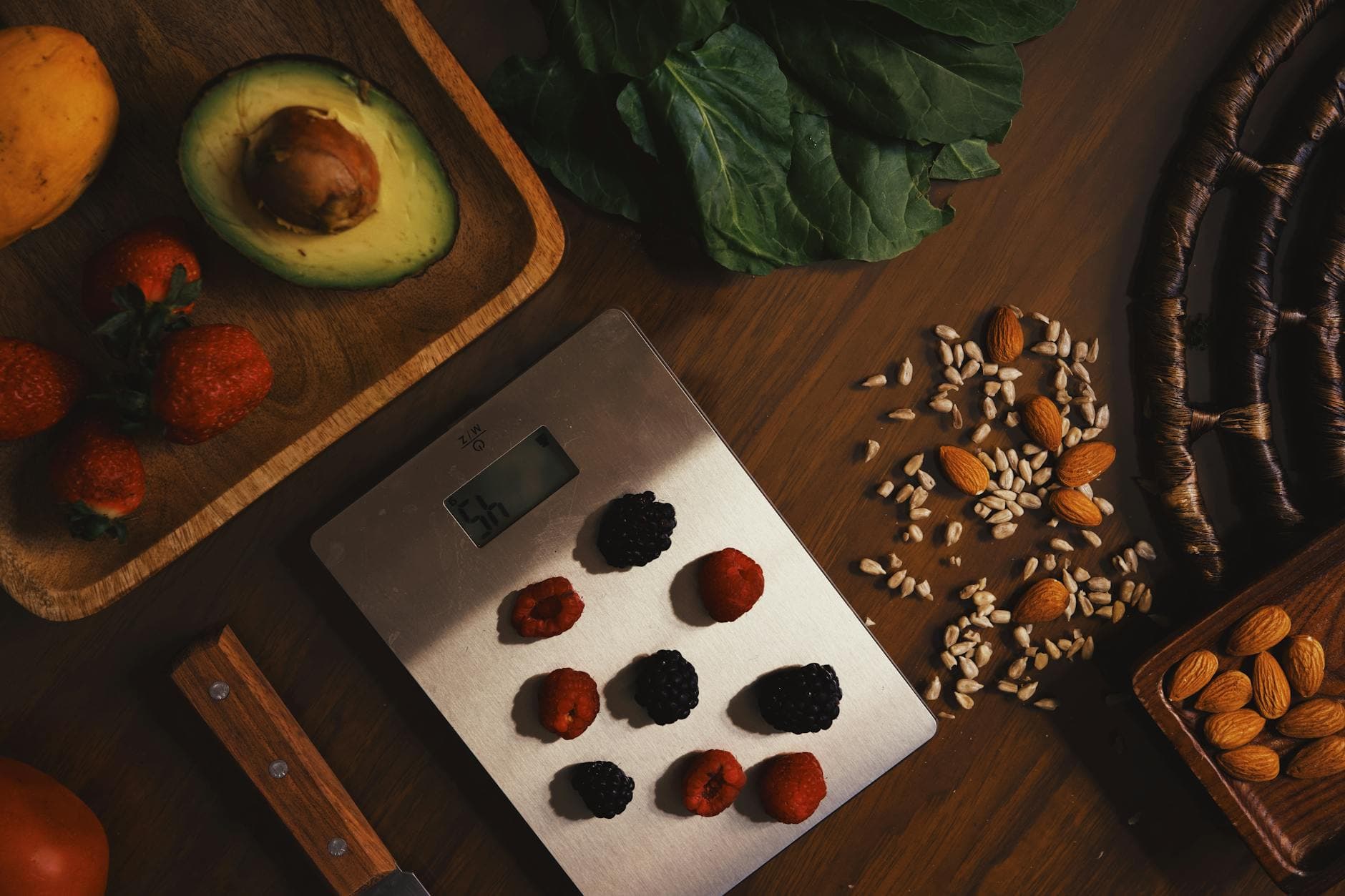
I used to think that mental clarity was just about getting enough sleep and drinking enough water. Honestly, I was so focused on the surface-level stuff that I completely overlooked a massive piece of the puzzle: my diet. For years, I battled what felt like perpetual brain fog, a kind of hazy, sluggish thinking that made even simple tasks feel Herculean. I blamed stress, lack of sleep, you name it. It wasn't until I started digging deep into the connection between what we eat and how we think that I realized how profoundly my food choices were impacting my cognitive function. This journey to understanding a true diet for mental clarity has been transformative, and I want to share what I've learned with you.
The Brain-Food Connection: More Than Just Fuel
Your brain, that incredible three-pound organ, is an energy hog. It uses about 20% of your body's total energy, even when you're resting. So, it makes absolute sense that the quality of that energy – the food you consume – would directly influence how well it performs. We're not just talking about fueling up; we're talking about providing the precise building blocks and protective agents your brain needs to function optimally. Think of it like building a house. You wouldn't use shoddy materials for the foundation and expect the whole structure to stand strong, would you? Your brain deserves the very best.
Why What You Eat Matters for Your Mind
The nutrients from your food are essential for everything from neurotransmitter production – the chemical messengers that control mood, focus, and memory – to protecting brain cells from damage. When you consistently feed your brain with nutrient-dense foods, you're essentially giving it the tools it needs to repair, grow, and communicate effectively. This is the core of a mental clarity diet. It’s about creating an internal environment that supports sharp thinking and emotional balance.
Beyond Calories: Nutrient Density is Key
It's not just about the number of calories you consume, but the quality of those calories. A diet high in processed foods, refined sugars, and unhealthy fats can actively hinder brain function, contributing to inflammation and oxidative stress. Conversely, a diet rich in whole, unprocessed foods provides the vitamins, minerals, antioxidants, and healthy fats that are crucial for optimal cognitive performance. This is where we start to build a real foundation for food for brain health.

Building Your Diet for Mental Clarity: The Pillars
So, what does this look like in practice? It’s about shifting your focus from restriction to abundance – embracing the foods that nourish your brain. This isn't about a temporary "spring cleaning diet" fad; it's about cultivating healthy eating habits that serve you long-term. Imagine waking up feeling sharp, focused, and ready to tackle your day, rather than groggy and mentally adrift. That's the power of a well-designed diet for mental clarity.
Embrace the Healthy Fats: Your Brain's Best Friend
When I first started researching, I was surprised at how much emphasis was placed on fats. But not just any fats. We're talking about the good kind: omega-3 fatty acids. These are crucial for building brain cell membranes and have anti-inflammatory properties. Think fatty fish like salmon, mackerel, and sardines. If fish isn't your thing, don't worry. Flaxseeds, chia seeds, and walnuts are excellent plant-based sources. These are true brain boosting foods.
The Power of Antioxidants: Your Brain's Shield
Oxidative stress is a major contributor to cognitive decline. Antioxidants act like tiny superheroes, neutralizing harmful free radicals that can damage brain cells. Berries are absolute powerhouses – blueberries, strawberries, raspberries. Dark leafy greens like spinach and kale are also packed with them. Vibrant colors in your food often signal the presence of these protective compounds. Don't underestimate the impact of a colorful plate for your nutrition for focus.
Whole Grains and Complex Carbohydrates: Sustained Energy
Forget the sugar crashes. Complex carbohydrates from whole grains provide a steady release of glucose, your brain's primary energy source. This sustained energy is vital for maintaining focus and preventing those mid-afternoon slumps. Oats, quinoa, brown rice, and whole wheat bread are your allies here. They help regulate blood sugar, which is incredibly important for stable mood and concentration. This is a cornerstone of any effective mental clarity diet.
Lean Proteins: Building Blocks for Brain Chemicals
Proteins are made up of amino acids, which are the building blocks for neurotransmitters like dopamine and serotonin. These chemicals play a massive role in mood, motivation, and focus. Good sources include lean meats, poultry, fish, eggs, beans, lentils, and tofu. Ensuring you get enough protein throughout the day helps keep your brain signaling pathways firing on all cylinders. This is a critical component for food for brain health.

Foods That Cloud the Mind: What to Limit
Just as certain foods can enhance your cognitive function, others can actively hinder it. Recognizing these culprits is just as important as knowing what to eat. This isn't about perfection; it's about awareness and making conscious choices. Sometimes, even small shifts can lead to significant improvements in how you feel and think.
The Sugar Trap: A Recipe for Brain Fog
Refined sugars and artificial sweeteners can wreak havoc on your brain. They cause rapid spikes and crashes in blood sugar, leading to irritability, fatigue, and impaired concentration. That fleeting sugar rush is often followed by a profound dip, leaving you feeling worse than before. Reducing your intake of sugary drinks, candies, and processed snacks is one of the most impactful steps you can take for nutrition for focus.
Processed Foods: The Hidden Saboteurs
Many processed foods are loaded with unhealthy fats, refined carbohydrates, and artificial additives that can contribute to inflammation and oxidative stress in the brain. They often lack the essential nutrients your brain needs. Think about the last time you felt sluggish after a fast-food meal; your brain was likely feeling it too. Making an effort to cook more meals at home from whole ingredients is a powerful move toward better cognitive function.
Excessive Caffeine and Alcohol: A Double-Edged Sword
While a morning coffee can provide a temporary boost, relying too heavily on caffeine can disrupt sleep patterns and lead to anxiety. Similarly, while alcohol might seem to relax you initially, it’s a neurotoxin that can impair cognitive function and contribute to mental fog. Moderation is key here. Finding a balance that supports your well-being, rather than detracting from it, is the goal for a sustainable diet for mental clarity.

The Gut-Brain Axis: A Surprising Connection
This is a fascinating area that has really captured my attention. You've probably heard about the gut-brain axis, the bidirectional communication pathway between your digestive system and your brain. It turns out, the health of your gut microbiome can have a significant impact on your mood, stress levels, and even your cognitive abilities. This is a crucial, often overlooked, aspect of a diet for mental clarity.
Fermented Foods: Cultivating a Healthy Gut
Introducing fermented foods like yogurt (with live cultures), kefir, sauerkraut, kimchi, and kombucha can help introduce beneficial bacteria to your gut. These probiotics can help restore balance to your microbiome, which in turn can positively influence your brain health. This is where seasonal eating for wellness can come into play, with many fermented foods being readily available year-round or easily preserved.
Fiber-Rich Foods: Feeding the Good Bacteria
Prebiotic fibers are the food for your beneficial gut bacteria. Found in fruits, vegetables, and whole grains, these fibers are essential for keeping your gut microbiome healthy and thriving. Think of foods like onions, garlic, leeks, asparagus, apples, and bananas. A diet rich in fiber is not only good for your digestion but also for your brain.

Mindful Eating and Lifestyle Factors
A diet for mental clarity isn't solely about what's on your plate; it's also about how you approach your food and your overall lifestyle. These elements work in concert to support your cognitive well-being.
The Benefits of Mindful Eating
Mindful eating involves paying attention to your food – its taste, texture, and smell – without judgment. It means slowing down, savoring each bite, and recognizing your body's hunger and fullness cues. This practice can improve digestion, reduce overeating, and foster a more positive relationship with food. It also allows you to better discern how different foods make you feel, aiding in the refinement of your mental clarity diet.
Sleep and Stress: Essential Companions to Diet
Even the most perfect diet can be undermined by chronic stress and poor sleep. These factors directly impact your brain's ability to function. Prioritizing 7-9 hours of quality sleep per night and developing healthy stress management techniques, such as meditation or spending time in nature (perhaps even therapeutic gardening), are non-negotiable components of achieving and maintaining mental clarity. You might be wondering if these are truly linked, and the science says a resounding yes!
Hydration: The Unsung Hero
Dehydration, even mild, can significantly impair cognitive function, leading to fatigue, difficulty concentrating, and headaches. Make sure you're drinking enough water throughout the day. Aim for clear or pale yellow urine as a good indicator of adequate hydration. This simple step is often overlooked but is fundamental to supporting your brain's performance, contributing to your overall nutrition for focus.
Putting It All Together: A Practical Approach
Transitioning to a diet that supports mental clarity doesn't have to be an overnight overhaul. It’s a process of making gradual, sustainable changes. I’ll be real with you, I didn’t change everything at once. It was a series of small steps that added up.
Start Small, Be Consistent
Pick one or two areas to focus on first. Maybe it's adding more vegetables to your breakfast or swapping out sugary snacks for nuts and seeds. Consistency is more important than perfection. Even small, consistent efforts will yield results over time, helping you build lasting healthy eating habits.
Listen to Your Body
Pay attention to how different foods make you feel. Do you feel energized after eating a particular meal, or sluggish? Keeping a food journal can be incredibly helpful in identifying patterns and understanding what works best for your unique physiology. This self-awareness is a powerful tool for optimizing your diet for mental clarity.
Seek Support When Needed
If you're struggling to make changes or have underlying health concerns, don't hesitate to reach out to a registered dietitian or a healthcare professional. They can provide personalized guidance and support. The National Alliance on Mental Illness research on diet for mental clarity and the American Psychological Association research on diet for mental clarity both highlight the importance of professional guidance. Remember, this is a journey, and it's okay to ask for help.
Cultivating a diet for mental clarity is one of the most empowering steps you can take for your overall well-being. It's about nourishing your brain, enhancing your focus, and building a resilient mind. It’s a profound investment in yourself, and the rewards – a sharper mind, a clearer perspective, and a more vibrant life – are truly immeasurable. Think of it not as a diet, but as a lifestyle choice that prioritizes your cognitive health. Your future self will thank you.