
I’ll be real with you: for years, I thought I had winter eating figured out. My strategy? Embrace the comfort, load up on carbs, and hibernate. I told myself it was "self-care," a necessary indulgence to get through the dark, cold months. Honestly, I’d often emerge from winter feeling sluggish, heavy, and more mentally foggy than when I started. It wasn't until I truly embraced the principles of mindful eating winter wellness that I understood how much I'd been getting wrong. It wasn't about deprivation or strict diets; it was about connection, intention, and a deeper understanding of what my body and mind actually needed.
My old approach left me feeling disconnected from my body’s true signals, often leading to a cycle of overeating, guilt, and then more emotional eating winter to cope with the guilt. This year, I want to share a different path, one that can transform your winter experience from a battle against cravings into a journey of nourishment and genuine well-being.
Winter's Grip: Why Our Eating Habits Go Sideways
The Seasonal Shift and Our Biology
Think about it: the days get shorter, the light fades, and our bodies, deep down, remember a time when winter meant scarcity. This primal wiring, coupled with modern conveniences, creates a unique challenge. We're drawn to rich, calorie-dense foods, and sometimes, it feels like an undeniable pull. This isn't just a lack of willpower; it’s a complex interplay of hormones, light exposure, and evolutionary instincts.
Many of us experience a dip in mood and energy levels when the sun goes into hiding. This can manifest as what some call the winter blues, or for others, more profoundly, as seasonal affective disorder. The food choices we make can either exacerbate these feelings or become powerful tools in our American Psychological Association research on mindful eating winter wellness arsenal against them. It’s not just about calories; it’s about how food impacts our brain chemistry and emotional state.
When Comfort Becomes a Crutch
Here's the thing: comfort food isn't inherently bad. A warm bowl of stew on a freezing day can be incredibly soothing. The problem arises when comfort eating becomes our primary coping mechanism for difficult emotions or the general malaise of winter. We reach for that extra cookie or a second helping not because we're physically hungry, but because we're seeking a momentary escape from boredom, stress, or sadness. This is where seasonal cravings mindfulness really comes into play.
I've seen it time and again, both in myself and in conversations with others: the quick fix of sugar or fat provides a fleeting dopamine hit, but it rarely addresses the underlying need. In fact, it often leaves us feeling worse in the long run, trapped in a cycle that leaves us more tired and less resilient. We're essentially trying to fill an emotional void with physical sustenance, and that never quite works.

The Foundation of Mindful Eating Winter Wellness
Beyond Just "Eating Slowly"
When people hear "mindful eating," they often picture someone slowly chewing a single raisin for five minutes. While presence is key, it's so much more than just the pace. Mindful eating is about bringing full awareness to your eating experience – before, during, and after. It means tuning into your body's signals of hunger and fullness, noticing the sensory experience of food, and recognizing the emotions and thoughts that arise around eating.
It's about asking yourself, "Why am I eating this right now?" Is it true hunger, or is it habit, emotion, or external cues like the clock or the sight of food? This simple question can be revolutionary, especially when you're trying to combat winter food cravings that seem to come out of nowhere. It's not about judgment, but about curiosity and understanding.
Cultivating Inner Wisdom, Not External Rules
One of the biggest shifts for me was letting go of rigid diet rules and learning to trust my own body. For years, I was chasing the latest trend, always looking for an external authority to tell me what, when, and how much to eat. But here’s the truth: your body holds incredible wisdom. Mindful eating is about reconnecting with that innate intelligence, allowing it to guide your choices rather than a calorie tracker or a restrictive meal plan.
This approach is particularly powerful for self-compassion after failed resolutions and for developing intuitive eating winter habits. It acknowledges that sometimes you truly need a hearty, warm meal, and other times a lighter option is best. The wisdom comes from within, not from a book or a guru. You learn to discern between physical hunger and emotional hunger, and that’s a game-changer.

Practical Winter Mindful Eating Tips for Cold Days
Engaging All Your Senses
This is where the magic happens. When you sit down to eat, truly engage with your food. Before you even take a bite, look at it. Notice the colors, the textures, the way the steam rises from a warm dish. Smell it deeply – what aromas can you detect? Then, as you take a bite, pay attention to the initial taste, how it changes as you chew, and the textures in your mouth.
You might be wondering, "Does this really make a difference?" Honestly, it makes all the difference. When I started doing this, I found myself satisfied with smaller portions, and the experience itself became so much richer. It transforms eating from a mindless act into a deeply pleasurable and nourishing one, which is key for eating mindfully in winter. Take a moment to appreciate the journey your food took to get to your plate.
Slow Down and Savor
This is probably the most commonly recognized aspect of mindful eating, and for good reason. When we eat quickly, our brains don't have enough time to register fullness signals. Try putting your fork down between bites. Chew your food thoroughly. Notice the feeling of the food going down. This simple act gives your body a chance to catch up and communicate its needs effectively. You might be surprised at how much less you need to feel truly satisfied.
Pre-Meal Check-Ins: Your Winter Wellness Radar
Before you even pick up your spoon, take a moment. Pause. Ask yourself a few questions. This is your personal winter mindful eating tips radar.
First, "Am I actually hungry?" Rate your hunger on a scale of 1 to 10. A 1 might be ravenous, a 10 might be stuffed. Aim to eat when you're around a 3 or 4, a comfortable hunger, and stop when you're around a 7, comfortably full, but not overstuffed. This practice alone can drastically reduce instances of overeating.
Second, "What kind of hunger is this?" Is it a growling stomach (physical hunger) or a desire for a specific taste or feeling (emotional hunger)? If it's emotional, can you explore what emotion is present? Sometimes just acknowledging the feeling is enough to shift your craving. This is a powerful tool for mindfulness for emotional eating.
Mindful Portioning
When serving yourself, especially with those hearty winter dishes, pause. Ask yourself, "Is this a reasonable portion for my hunger level right now?" It's not about restriction, but about honest assessment. Often, we serve ourselves out of habit or societal norms rather than actual need. You can always go back for more if you're still truly hungry, but starting with a moderate portion allows you to tune into your body's signals more effectively.
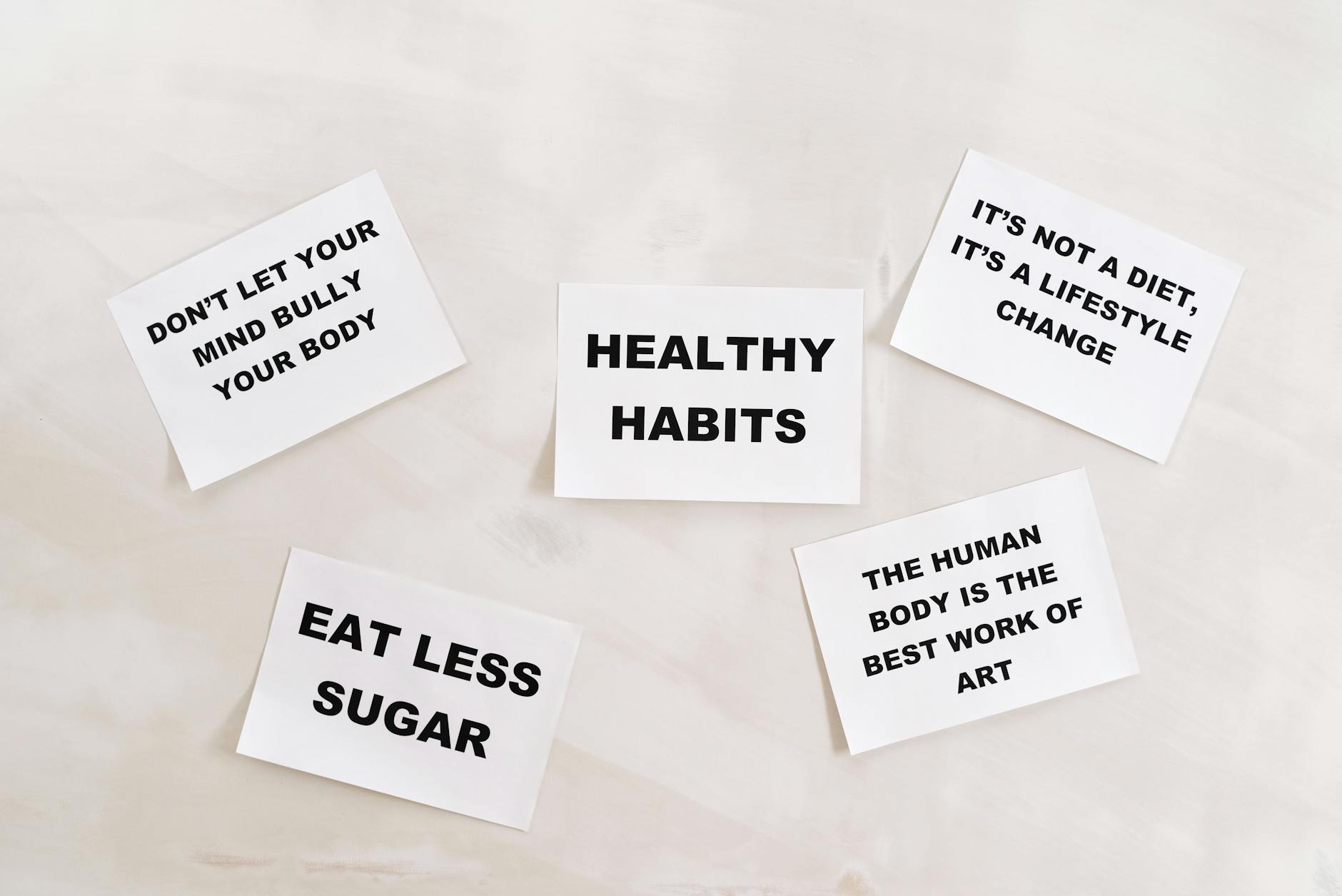
Mindful Eating for Energy and Mood in the Cold
Fueling Your Body, Boosting Your Spirit
The foods we choose, particularly in winter, have a profound impact on our energy levels and mood. When the days are short and our natural inclination is to slow down, eating mindfully for energy becomes even more critical. Think about incorporating foods that offer sustained energy rather than quick sugar spikes, which inevitably lead to crashes. Complex carbohydrates, lean proteins, and healthy fats are your allies here.
For example, instead of a sugary pastry for breakfast, try oatmeal with berries and nuts. This provides fiber for sustained energy, antioxidants for cellular health, and healthy fats to keep you full. Small shifts like this can make a huge difference in combating winter fatigue food and giving you a much-needed boost mood winter food.
I'll be real with you, I used to think a big sugary coffee was the answer to winter morning sluggishness. This one surprised me: a balanced breakfast, eaten mindfully, actually provides a more consistent and lasting energy that helps me focus and feel better all day long, without the jitters or the crash. It's a key part of my personal Psychology Today research on mindful eating winter wellness approach.
The Gut-Brain Connection: A Winter Wellness Secret
Here's the thing about the gut: it's often called our "second brain" for good reason. A healthy gut microbiome is intimately linked to our mental well-being, influencing everything from mood to anxiety levels. In winter, when we might be more prone to processed foods, focusing on gut-friendly options becomes even more vital for a robust seasonal affective disorder diet.
Fermented foods like sauerkraut, kimchi, and yogurt, along with plenty of fiber-rich fruits, vegetables, and whole grains, can support a thriving gut. This, in turn, can contribute to better mood regulation and overall resilience against the winter blues diet. It’s a holistic approach that acknowledges the interconnectedness of our physical and mental health. This connection is something the National Alliance on Mental Illness research on mindful eating winter wellness often highlights.
Hydration and Winter Fatigue
It's easy to forget to drink enough water when it's cold outside. We don't feel as thirsty, and hot beverages often take center stage. However, dehydration can significantly contribute to winter fatigue and brain fog. Make a conscious effort to sip on water throughout the day, or opt for warming herbal teas. Staying well-hydrated is a simple yet powerful component of healthy winter eating habits and supports overall energy.

Navigating Winter Cravings with Compassion
Understanding Your Cravings
Cravings aren't inherently bad; they're messages from your body or mind. The mindful approach isn't about suppressing them, but about understanding them. When a strong winter food craving hits, pause. Ask yourself: "What am I truly craving?" Is it the taste of chocolate, the texture of something crunchy, or the feeling of warmth and comfort? Sometimes, what we think is a craving for a specific food is actually a craving for an emotion or an experience.
I've learned to sit with my cravings for a few minutes before acting on them. Often, the intensity diminishes, or I realize I'm actually thirsty, tired, or just need a break. If the craving persists, that's okay. You can still choose to indulge, but do so mindfully, savoring every bite, rather than mindlessly devouring it. This is a gentle approach to combat winter food cravings.
If you're finding yourself really struggling with recurring intense cravings or shifts in mood, remember that it's okay to seek support. Sometimes these feelings can be signs of types of anxiety disorders or other mental health challenges that benefit from professional guidance.
The Power of Mindful Indulgence
Mindful eating doesn't mean you can never enjoy a decadent winter treat. Far from it! It means enjoying it fully, without guilt. If you decide to have that piece of rich chocolate cake, choose to do so intentionally. Sit down, put it on a nice plate, and savor every single bite. Notice the sweetness, the texture, how it feels in your mouth. This mindful indulgence is a world away from sneaking bites in front of the fridge or eating while distracted.
When you truly taste and experience your food, you often find that a smaller amount is incredibly satisfying. This approach fosters a healthier relationship with food, moving away from the "good food/bad food" mentality towards one of balance and enjoyment. It’s a wonderful way to practice self-compassion, particularly if you're prone to feeling guilty about food choices during the winter months.
Creating a Cozy Eating Environment
In winter, the environment in which we eat can significantly impact our experience. Dim the lights, light a candle, put on some soothing music. Make your eating space feel warm and inviting. When you create a pleasant atmosphere, you naturally slow down and pay more attention to your meal. This isn't just about aesthetics; it's about making eating a cherished ritual, not just a utilitarian act.
Beyond the Plate: Holistic Winter Wellness
Movement and Mindfulness
Mindful eating winter wellness isn't just about what you put in your mouth; it's about your entire approach to winter. Incorporating movement, even gentle movement, is crucial for both physical and mental health during the colder months. A brisk walk outside, if possible, can expose you to natural light, which is vital for mood regulation. If outdoor activity isn't feasible, consider indoor yoga, stretching, or dancing. Any movement that connects you to your body can enhance your overall sense of well-being.
Think of movement as another form of mindfulness. Pay attention to how your body feels, the rhythm of your breath, and the sensations of movement. This can be a powerful antidote to the sluggishness that often accompanies winter and supports a more holistic approach to health, much like how coping with spring anxiety often involves mindful movement.
Rest and Recharge: A Winter Necessity
Our bodies naturally crave more rest in winter. Fighting against this urge can lead to burnout and increased stress, which can then fuel unhealthy eating patterns. Prioritize sleep. Create a relaxing bedtime routine. Allow yourself to slow down and embrace the quieter energy of the season. This isn't laziness; it's a profound act of self-care and a vital component of robust winter wellness.
Just as we mindfully eat, we can mindfully rest. Pay attention to your body's signals of fatigue. Give yourself permission to nap, to spend a cozy evening at home, or to simply do less. This intentional rest can significantly impact your mood, energy levels, and your ability to make conscious, nourishing food choices. It can also help prevent issues like spring fatigue causes by building up your reserves during winter.
Ultimately, mindful eating winter wellness is about cultivating a loving, attentive relationship with yourself and your body, especially when the world outside feels cold and dark. It's about listening to your deepest needs, honoring your hunger, and finding true nourishment in every sense of the word. This winter, instead of just getting through it, I challenge you to truly experience it, one mindful bite at a time. You might just discover a profound sense of peace and vitality you never knew was possible, preparing you beautifully for the arrival of spring mindfulness practices.