
I remember one spring, the sun was finally breaking through the clouds with a real warmth, birds were chirping like they’d had too much coffee, and everyone around me seemed to be blooming. They were planning picnics, dusting off bicycles, and generally radiating a joy I just couldn't tap into. Instead, a heavy blanket of loneliness settled over me, thicker than any winter chill. It was confusing, even a little shameful. Why, when the world felt like it was waking up, did I feel so profoundly alone? This paradoxical feeling, this "spring loneliness," is something I've seen and helped countless individuals navigate.
The Unexpected Sting of Spring Loneliness
It sounds counterintuitive, doesn't it? Spring is often painted as a season of renewal, of connection, of shedding the winter blues. Yet, for many, the shift in seasons can amplify feelings of isolation. The very energy and outward-looking nature of spring can highlight what feels absent in our own lives.
Why Spring Can Feel So Lonely
The visual cues are everywhere: couples holding hands in parks, friends meeting up at outdoor cafes, families enjoying the longer daylight hours. When you're struggling, these scenes can feel like a spotlight on your own lack of connection. It's not that you don't want to be part of it; it's that the path to joining in feels impossibly steep.
This isn't some fringe experience; there's a growing body of anecdotal evidence and emerging research, like that discussed by the Psychology Today research on spring loneliness, that points to this phenomenon. It’s a complex interplay of social pressure, increased visibility, and the contrast between external activity and internal stillness.
The Contrast Effect
Think about the last time you felt a pang of envy. Often, it’s not about wanting what someone else has, but about noticing the gap between their experience and yours. Spring, with its vibrant social tapestry, can inadvertently create this stark contrast for those experiencing loneliness. The bright colors of blooming flowers can make the shadows in our own lives feel even darker.
Seasonal Affective Disorder in Reverse?
While Seasonal Affective Disorder (SAD) is typically associated with winter, some individuals experience a dip in mood as seasons change. For some, the onset of longer days and warmer weather can trigger a form of "reverse SAD," where the increased social activity and pressure to be outdoors can be overwhelming, leading to feelings of inadequacy and isolation. If you're struggling with mood changes related to the seasons, exploring options like Beat Spring Seasonal Depression: Top Treatments Revealed can offer valuable insights.

Understanding the Roots of Loneliness in Spring
It’s crucial to understand that "spring loneliness" isn't a sign of personal failing. It’s a complex emotional response often stemming from a combination of factors, some external and some internal.
The Pressure to Reconnect
Winter often provides a socially sanctioned period of relative quiet. We hunker down, and it's generally accepted. But spring signals a collective re-emergence. Suddenly, there’s an implicit expectation to be more social, to pick up where you left off, or to forge new connections. This pressure can feel immense if you’re already feeling disconnected.
The Illusion of Universal Joy
Social media, in particular, can paint a picture of universal springtime bliss. We see curated images of perfect outings and vibrant social lives. This can create an illusion that everyone else is thriving and connecting, while you're the only one left behind. It’s important to remember that what’s presented online is rarely the full, messy reality of human experience.
Past Experiences and Expectations
Our past experiences shape how we approach new seasons. If previous springs have been marked by loneliness or difficult social situations, it’s natural to feel a sense of apprehension. We might unconsciously brace ourselves for a repeat, making it harder to embrace new opportunities for connection. This is where Cultivating Resilience: Bloom After Winter's Chill can be so profoundly helpful.

Combating Isolation: Actionable Steps for Warmer Weather Loneliness
Here's the truth: while it can feel overwhelming, you absolutely can shift this experience. It takes intentionality and self-compassion, but it’s entirely within reach. I’ve seen it happen time and again.
Start Small, Start Kind
The idea of suddenly becoming the life of the party is daunting. Instead, focus on small, manageable interactions. A genuine smile and nod to a neighbor. A brief chat with the barista. These micro-connections, while seemingly insignificant, build a foundation and remind you of your ability to interact with others. It's about consistent, gentle effort.
Leverage Your Interests
What do you genuinely enjoy? Books? Gardening? A particular craft? Look for local groups or online communities centered around these interests. This provides a natural, low-pressure way to meet people who already share something in common with you. Think about joining a local book club or a community gardening project. Making friends in spring doesn't have to feel like a high-stakes social event.
Embrace the "Why Not?" Mindset
When an invitation comes your way, even if your first instinct is to decline, try to pause. Ask yourself, "Why not?" Even if it's just for an hour, even if you don't know many people there, giving it a try can open doors. This "why not?" approach can be surprisingly effective for overcoming inertia and combating isolation.
Nurture Existing Connections
Sometimes, the solution isn't about finding new people but about deepening the bonds you already have. Reach out to an old friend you haven't spoken to in a while. Suggest a casual coffee or a walk in the park. Investing in existing relationships can provide a strong sense of belonging and support. Remember, even busy people appreciate being thought of.
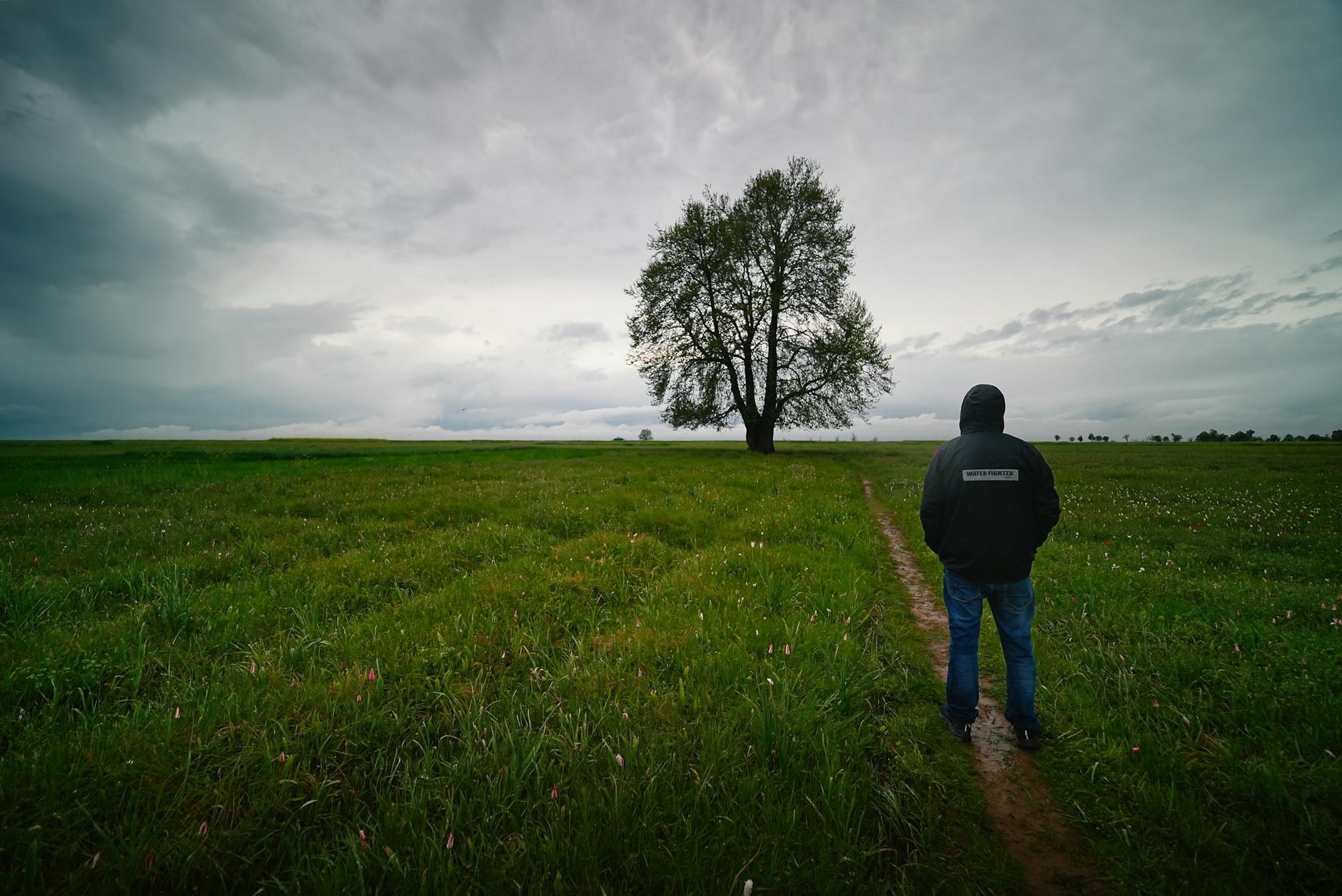
Building Connections: Practical Social Connection Tips
Making genuine connections takes practice, and spring offers a wonderful backdrop for this. It's not about being someone you're not; it's about showing up as authentically as you can.
Initiate, Don't Just Wait
This one surprised me early in my career. So many people wait to be invited. While it's lovely to be asked, proactive initiation is a powerful tool. Don't be afraid to suggest a low-key outing. "Hey, I was thinking of checking out that new farmer's market on Saturday, want to join?" It puts you in the driver's seat and shows others you're interested in connecting.
Be a Good Listener
People are often more receptive to those who show genuine interest in them. When you're talking to someone, focus on truly listening. Ask follow-up questions. Remember details they share. This makes them feel valued and seen, which is the bedrock of any strong connection. It’s not just about talking; it’s about creating a space for shared experience.
Volunteer Your Time
Contributing to a cause you care about is a fantastic way to meet like-minded individuals. It offers a shared purpose and a natural environment for interaction. Whether it’s helping at an animal shelter or assisting with a local community event, volunteering can foster meaningful relationships. This is a great avenue for dating in spring, too, as you're meeting people with shared values.
Practice Self-Care Spring Style
It might sound contradictory, but taking care of yourself is paramount to having the energy and emotional capacity to connect with others. This means prioritizing sleep, eating nourishing foods, and engaging in activities that bring you joy. Think of it as filling your own cup so you have something to pour out. For new parents, this is especially critical; consider resources like New Parent Exhaustion? Spring Self-Care Tips for Survival or New Parent Self Care: Spring into Well-being & Rejuvenation.

When Loneliness Lingers: Seeking Support
Sometimes, despite your best efforts, the feeling of loneliness persists. This is not a sign of failure, but a signal that you might benefit from professional support.
The Role of Mental Health Professionals
Therapists and counselors are trained to help you understand the roots of your loneliness and develop effective coping strategies. They can provide a safe, non-judgmental space to explore your feelings and build the skills needed for meaningful connection. The American Psychological Association research on spring loneliness often highlights the effectiveness of therapeutic interventions.
Support Groups Can Be Lifesavers
Connecting with others who share similar experiences can be incredibly validating. Look for support groups focused on loneliness, social anxiety, or specific life transitions. Knowing you're not alone in your struggles can be a powerful antidote to isolation. These groups offer a sense of community that can be hard to find elsewhere.
Consider Your Environment
Are you in an environment that fosters connection, or one that inadvertently contributes to isolation? Sometimes, a change of scenery or a shift in your daily routine can make a significant difference. Even small adjustments, like choosing to work from a coffee shop instead of home occasionally, can expose you to more social interaction.
Spring loneliness is a real, often unspoken, challenge. It’s the quiet ache that can accompany the season of outward joy. But by understanding its origins, practicing self-compassion, and taking intentional steps to connect, you can transform this season from one of isolation to one of genuine, blooming connection. Remember, the most vibrant blooms often emerge after the longest winters, and your own spring of connection is absolutely possible.