
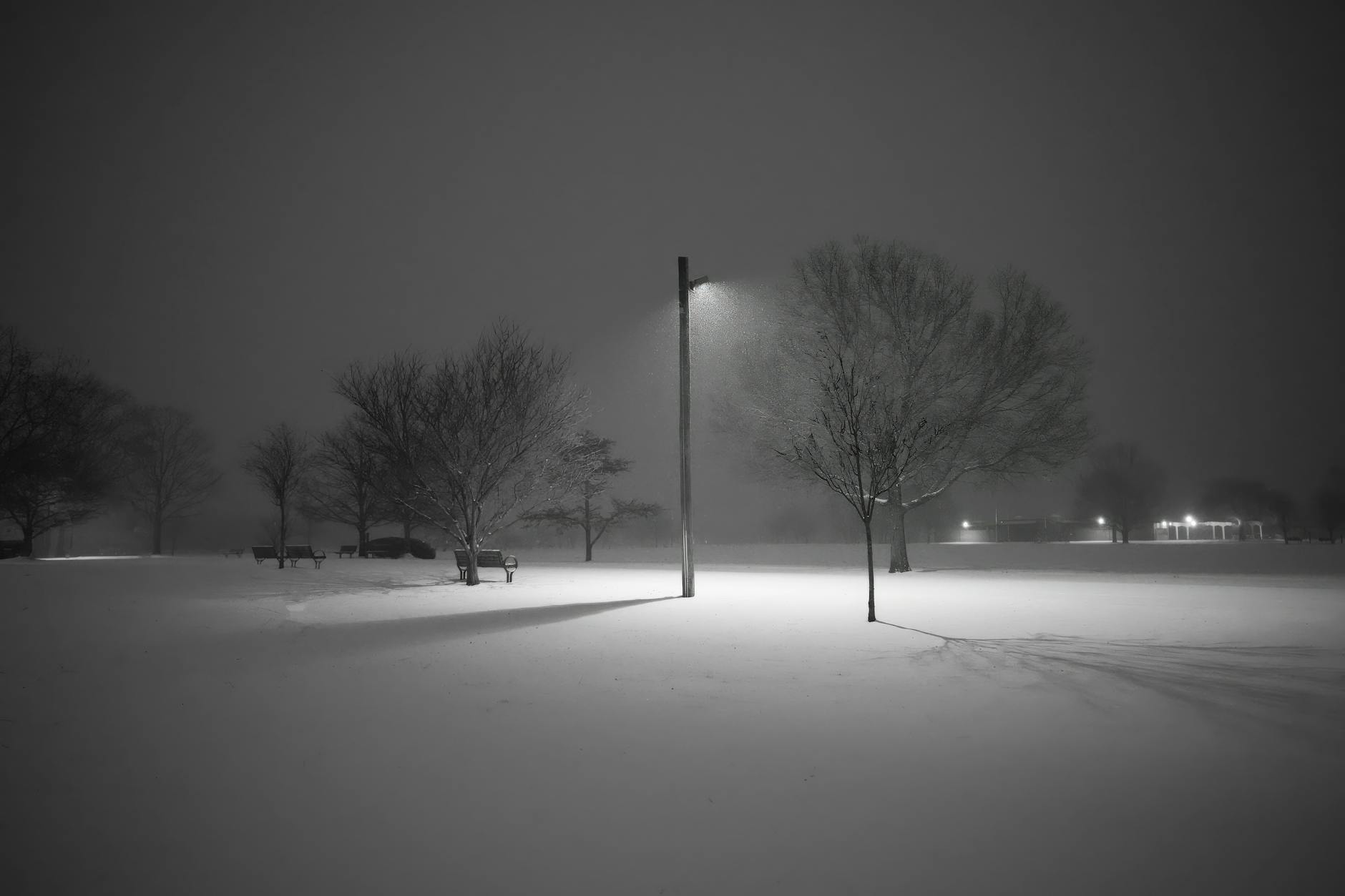
The world outside is a hushed canvas of muted grays and whites. Snowflakes, once a beautiful spectacle, now seem to mock the warmth that feels a million miles away. You’re curled up on the sofa, the glow of the TV a weak substitute for genuine connection. This is the season when the quiet can become deafening, and the desire for companionship feels like a gnawing ache. It’s a familiar feeling for many, this pervasive sense of isolation that can descend with the winter chill. Learning to overcome loneliness winter isn't just about enduring the season; it's about actively cultivating warmth and connection from within and without.
Battling the Winter Blues and Loneliness
Winter has a way of amplifying our vulnerabilities. Shorter days, less sunlight, and the general slowdown of life can leave us feeling disconnected and melancholic. This isn't just a minor inconvenience; for some, it can border on seasonal affective disorder (SAD), a type of depression that's linked to the change in seasons. But even without a clinical diagnosis, that heavy cloak of loneliness can feel overwhelming. I’ll be real with you, I’ve been there. Staring out at a frozen world and feeling just as frozen inside. It takes conscious effort to push back against it.
Understanding the Roots of Winter Loneliness
So, why does winter hit us so hard in the connection department? It's a confluence of factors. Our natural inclination is to seek out warmth and light, and winter forces us indoors. Social gatherings might become less frequent, spontaneous encounters dwindle, and the sheer effort required to venture out in the cold can feel monumental. This physical withdrawal often leads to an emotional one. We start to feel unseen, unheard, and ultimately, alone.
The Impact on Mental Well-being
The consequences of prolonged isolation are significant. It can sap our energy, diminish our motivation, and even impact our physical health. When we're lonely, our brains can go into a sort of protective mode, making us more sensitive to social rejection and less likely to reach out. It becomes a vicious cycle. This is why addressing winter loneliness isn't a luxury; it's a crucial component of maintaining good mental health during winter.

Proactive Strategies to Overcome Loneliness Winter
The good news is that we are not powerless against this winter chill. There are concrete steps we can take, and believe me, some of them surprised me with their effectiveness. It’s about being intentional and creating your own pockets of warmth and connection, even when the world outside feels frigid.
Cultivating Cozy Winter Activities
When I think about combating winter loneliness, my mind immediately goes to creating a sense of sanctuary. This isn't about grand gestures, but small, consistent acts of self-nurturing and engagement. Think about the last time you felt truly content. What were the elements involved? Often, it's a combination of comfort and gentle stimulation.
Embracing Hygge (The Danish Way of Cozy]
This Scandinavian concept is more than just candles and blankets, though those are certainly part of it. Hygge is about creating a feeling of contentment and well-being through simple pleasures. It’s about slowing down, savoring moments, and fostering a sense of togetherness, even if it's just with yourself. Imagine a quiet evening with a good book, a warm mug of tea, and soft lighting. That’s hygge, and it’s a powerful antidote to loneliness.
Engaging Your Senses
Loneliness can often feel like a dulled experience. Bringing vibrancy back involves engaging your senses. This could mean baking something that fills your home with a delicious aroma, listening to uplifting music, or even indulging in a luxurious bath with scented oils. These sensory experiences can ground you in the present moment and create a feeling of being alive and present.
Building and Maintaining Connections
This is perhaps the most direct way to overcome loneliness winter. It requires effort, but the rewards are immense. We are wired for connection, and even during the colder months, these bonds need tending.
The Power of Scheduled Socializing
Spontaneity can be a casualty of winter. That’s why scheduled social interactions become so important. Don't wait for an invitation; extend one. Reach out to a friend for a virtual coffee date, suggest a movie night via video call, or even plan a socially distanced walk if the weather permits. Even a quick text message checking in can make a world of difference. The American Psychological Association research on overcome loneliness winter highlights the importance of these consistent touchpoints.
Virtual Therapy as a Lifeline
Sometimes, the weight of loneliness feels too heavy to carry alone. This is where professional support can be invaluable. Virtual Therapy Benefits: Stay Warm & Get Support offers a convenient and accessible way to connect with a therapist from the comfort of your home. It provides a safe space to explore your feelings, develop coping strategies, and feel heard. It’s a proactive step in managing your mental health during winter.
Rekindling Old Friendships
Think about the people you’ve lost touch with over the years. Winter can be the perfect time to reconnect. A simple email or social media message can open the door to rekindling those valuable relationships. You might be surprised by how eager others are to hear from you too.

The Unexpected Angle: Finding Solace in Solitude
This might sound counterintuitive when we’re talking about overcoming loneliness, but there’s a crucial distinction between being alone and feeling lonely. It’s possible to be surrounded by people and still feel profoundly alone, and conversely, to find genuine peace and contentment when you are by yourself. This is where the real magic of self-discovery can happen.
Redefining Your Relationship with Alone Time
Instead of viewing solitude as a sign of isolation, can we reframe it as an opportunity? An opportunity for introspection, for pursuing hobbies you might not have time for otherwise, or simply for rest and rejuvenation. I used to dread being alone, seeing it as a confirmation of my social shortcomings. But over time, I learned to cherish it.
Self-Care Winter Edition
This is where self-care winter practices become paramount. It’s about actively choosing activities that nourish your soul when you are on your own. This could involve dedicating time to a creative pursuit like painting or writing, diving deep into a subject that fascinates you, or even practicing mindfulness and meditation. The National Institutes of Health research on overcome loneliness winter suggests that these practices can significantly improve mood and reduce feelings of isolation.
The Joy of Solo Adventures
Don't underestimate the power of a solo outing, even in winter. Visit a museum, explore a quiet park (bundled up, of course!), or treat yourself to a meal at a cozy cafe. These experiences, undertaken on your own terms, can be incredibly empowering and can help you feel more connected to the world around you, even when you're the only one experiencing it.

Combating Winter Loneliness with Resilience
Ultimately, overcoming loneliness winter is about building a robust sense of self and a strong support network. It’s about developing the inner resources to navigate the darker months with grace and a sense of agency. This is deeply intertwined with building resilience.
The Role of Self-Compassion
When you’re feeling lonely, it’s easy to fall into a cycle of self-criticism. You might tell yourself you’re not interesting enough, or that no one wants to spend time with you. This is where self-compassion is your greatest ally. Treat yourself with the same kindness and understanding you would offer a dear friend who is struggling. Psychology Today research on overcome loneliness winter often points to the power of internal validation.
Practicing Self-Compassion
This involves recognizing that suffering and imperfection are part of the human experience. When you’re feeling down, acknowledge it without judgment. Remind yourself that you are doing your best. Engaging in Self Compassion Practices for a Spring Mental Health Tune-Up, even during winter, can shift your internal dialogue from one of criticism to one of support.
Proactive Mental Health Strategies
Winter is a time when proactive mental health strategies are not just helpful, they're essential. Think of it like preparing your home for a storm – you want to ensure you have everything you need to stay safe and comfortable. This is where strategies to Build Resilience: Spring Mental Health Strategies for Ren... can actually start in winter, laying the groundwork for a stronger you.
Mindfulness and Gratitude
These practices are incredibly powerful tools. Regularly practicing mindfulness helps you stay present and less caught up in anxious thoughts about the past or future. Cultivating gratitude, even for the smallest things – a warm bed, a good meal, a ray of sunshine through the clouds – can shift your perspective and highlight the abundance in your life, even when you feel a lack of connection.
Setting Realistic Expectations
It’s important to acknowledge that not every winter day will be filled with joy and connection. There will be tough days. Setting realistic expectations for yourself and for social interactions can prevent disappointment. Some days, a brief phone call might be all you can manage, and that’s perfectly okay. This is part of managing isolation effectively.
Winter doesn't have to be a season of encroaching loneliness. By actively engaging in self-care, nurturing existing relationships, and being open to new connections, you can transform this time of year. It's about embracing the quiet, finding beauty in the stillness, and most importantly, remembering that you are never truly alone when you cultivate warmth within yourself and reach out to others. The path to Spring Anxiety Adults: Conquer New Worries This Season starts with the steps you take right now to care for your mental health during the winter months. Remember, the longest nights always give way to the dawn.