
Have you ever felt it? That subtle, yet undeniable shift in the air when winter finally loosens its grip? The world around you seems to exhale, a collective sigh of relief, and something deep inside you stirs, too. For me, it’s like a quiet revolution happening right under my nose, a signal that it’s time to embrace a specific kind of healing: the profound power of spring outdoor activities for mental health. I’ll be real with you, for years I just thought "getting outside" was a nice idea, a pleasant diversion. But the more I’ve delved into it, the more I’ve experienced it myself, the more I realize it’s not just nice; it’s absolutely vital.
This isn’t about some fleeting trend or a generic suggestion to "get more fresh air." This is about tapping into an ancient, primal connection that our modern lives often bury under layers of concrete and screens. Spring, with its vibrant reawakening, offers us a unique, potent window to truly transform our mental well-being.
The Irresistible Pull of Green: Why Spring Awakens Our Souls
The world bursts into life, and honestly, so should we. After months of shorter days and colder temperatures, our bodies and minds crave the vibrancy that spring so generously offers. This isn't just poetic license; there's real science at play here.
Shaking Off the Winter Slumber
Think about the last time you felt truly bogged down, perhaps wrestling with those familiar feelings of lethargy and low mood that often accompany the colder months. Many of us experience what’s often called the "winter blues," and for some, it’s the more serious seasonal affective disorder spring can often alleviate. The sheer lack of sunlight, the reduced opportunities for outdoor activities, and the general dreariness can really take a toll. It’s a real thing, and it can be incredibly tough to overcome winter blues when you're in the thick of it.
Winter forces us inward, both physically and emotionally, which has its own benefits, sure. But spring is about expansion, about breaking free. It's about remembering that the world outside is waiting, ready to offer a balm to tired spirits.
The Science of Sunlight and Serotonin
Here's the thing: sunlight is a powerhouse for our brains. When those longer, brighter days arrive, our bodies get a much-needed dose of natural light, which is crucial for regulating our circadian rhythm – our internal sleep-wake cycle. More importantly, sunlight exposure helps boost serotonin, that beautiful neurotransmitter often linked to feelings of happiness and well-being. You might have heard about Healthline research on spring outdoor activities mental health pointing to these very connections.
A good dose of sunshine also means more Vitamin D synthesis, which is far more than just a bone health nutrient. It plays a significant role in mood regulation, and a deficiency can absolutely impact your mental state. So, that feeling of lightness you get when the sun hits your face after a long winter? That’s your body thanking you for the mood boost.
A Fresh Start, A Clean Slate
There's something incredibly symbolic about spring, isn't there? It’s a season of renewal, of growth, of starting anew. This natural cycle mirrors our own psychological need for fresh beginnings. It allows us to shed the old, the heavy, the stagnant thoughts and feelings we might have carried through winter.
This isn't just about the physical environment changing; it’s about the mental landscape shifting, too. The vibrant greens, the budding flowers, the chirping birds – they all whisper a message of hope and possibility. It’s a powerful metaphor for personal growth and transformation.

Beyond the Basics: Unpacking Nature's Therapeutic Power
When I talk about outdoor activities mental well-being, I’m not just talking about a casual stroll. I’m talking about a conscious, intentional engagement with the natural world, a practice that has profound, documented benefits. This is where the magic truly happens.
Ecotherapy's Gentle Embrace
Look, the term "ecotherapy benefits" might sound a bit academic, but it’s really just a fancy way of saying that spending time in nature is good for your head and heart. It’s an approach that recognizes the deep, interconnected relationship between human health and the natural world. It encompasses everything from gardening to wilderness therapy, all aimed at fostering nature connection well-being.
This isn't just about feeling good; it's about active healing. Engaging with natural environments has been shown to reduce rumination, lower stress hormones like cortisol, and even decrease symptoms of anxiety and depression. It’s a powerful, often overlooked, prescription.
Forest Bathing: More Than Just a Walk
This one surprised me when I first heard of it. "Forest bathing mental health?" I thought, "Isn't that just... walking in the woods?" And while it *is* walking in the woods, it's also so much more. Originating in Japan as Shinrin-yoku, it’s about immersing yourself in the forest atmosphere, engaging all your senses, and truly being present.
It's not about covering distance or burning calories. It’s about slowing down, noticing the scent of damp earth, the rustle of leaves, the interplay of light and shadow. Studies cited by the American Psychological Association research on spring outdoor activities mental health suggest that forest bathing can significantly lower blood pressure, reduce stress, and improve mood. It’s a profound practice of mindfulness in nature.
The Power of Green Space Exposure
You don’t need a dense forest to experience these benefits. Even urban green spaces – a local park, a community garden, a tree-lined street – can make a massive difference. The mere presence of natural elements can trigger a relaxation response in our bodies.
I used to think you needed to escape to the wilderness for real nature therapy spring benefits. But honestly, even 15-20 minutes in a nearby park can shift your perspective. It’s about consistent exposure, about integrating nature into your daily rhythm, not just saving it for grand adventures. It’s a simple, accessible way to boost mood outdoors spring, regardless of where you live.

Actionable Steps: Your Spring Outdoor Mental Health Toolkit
So, how do we actually *do* this? How do we move from understanding the benefits to actively integrating spring outdoor activities mental health into our lives? Here are some practical, easy-to-start ideas.
Mindful Movement: Walking, Cycling, and More
The simplest and most accessible activity is often a walk. But here’s my challenge to you: make it a mindful walk. Instead of listening to a podcast or scrolling your phone, try to truly *notice* your surroundings. What colors do you see? What sounds do you hear? What does the air smell like? This practice of mindfulness in nature can be incredibly grounding.
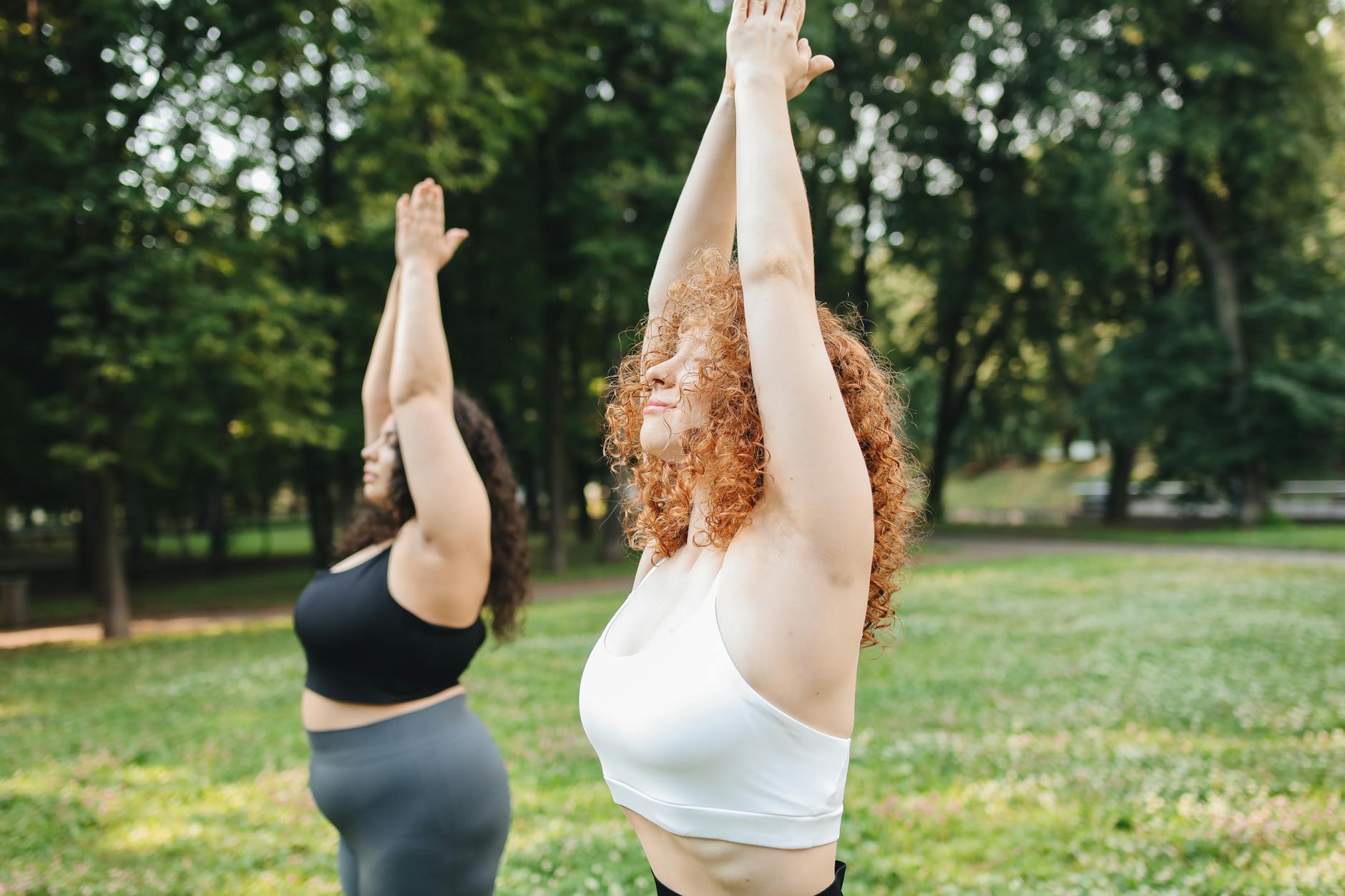
Consider cycling, too. The rhythm of pedaling, the wind on your face, the changing scenery – it’s a dynamic form of outdoor activity that combines physical exercise with mental refreshment. Even something as simple as stretching on your balcony or doing some gentle yoga in a park can connect you to the outdoors.
Cultivating Connection: Gardening and Community
Getting your hands dirty is incredibly therapeutic. Gardening, whether it's a small pot on a windowsill, a raised bed, or a community plot, offers a direct, tangible connection to the earth. The act of nurturing something, watching it grow, provides a deep sense of accomplishment and purpose. It’s a fantastic spring activity for mood.
Community gardens, in particular, offer the added benefit of social connection, which is another crucial pillar of mental well-being. Sharing tips, laughing with neighbors, and working towards a common goal can be incredibly uplifting.
The Unexpected Joy of "Micro-Adventures"
You don't need to block out an entire day for an outdoor adventure. Sometimes the most impactful experiences come from what I call "micro-adventures." These are short, intentional bursts of outdoor engagement. For example, my friend Sarah, who struggles with anxiety, started a ritual of taking a 15-minute walk around her block every day at 3 PM. Her specific task? To identify three new things she hadn't noticed before – a fresh bloom, a unique bird call, a new piece of street art. She told me that just this simple act of focused observation, repeated daily, brought down her baseline anxiety by a noticeable 15-20% within a month. She saw a tangible improvement in her ability to focus throughout the rest of her workday, something she hadn't anticipated. It’s about consistent, small doses of nature connection, which really add up.
The Unseen Benefits: Beyond Just Feeling Good
While feeling good is certainly a fantastic outcome, the benefits of embracing nature in spring extend far beyond a simple mood boost. There are deeper, more profound shifts happening within us.
Sharpening Your Focus and Creativity
Our modern lives are a constant bombardment of information, notifications, and demands on our attention. This relentless cognitive load leaves us mentally fatigued. Spending time in nature, especially in a relaxed, mindful way, allows our brains to rest and reset. This restorative process can actually enhance our ability to focus and problem-solve when we return to our tasks.
Think of it as hitting the refresh button on your brain. That gentle, undirected attention you give to the natural world allows your direct attention system, which is constantly overloaded by daily life, to recover. This can lead to surprising boosts in creativity and clarity of thought, a powerful form of stress relief outdoor activities provide.
Better Sleep, Brighter Days
One of the most profound benefits I’ve personally experienced, and one that countless people report, is improved sleep quality. Exposure to natural light during the day, especially in the morning, helps regulate our melatonin production, the hormone that signals to our bodies when it's time to sleep.
When our circadian rhythms are in sync, we fall asleep more easily, sleep more soundly, and wake up feeling more refreshed. This isn't just about feeling less tired; better sleep has a cascading positive effect on every aspect of our mental health, from mood stability to cognitive function. It truly makes for brighter days.
A Sense of Belonging and Purpose
Connecting with nature can foster a deeper sense of belonging – not just to a human community, but to something much larger. Understanding our place within the natural ecosystem, observing the cycles of life and death, can be incredibly humbling and awe-inspiring. This perspective can alleviate feelings of isolation and foster a sense of shared existence.
For many, engaging with nature also sparks a desire to protect it, creating a powerful sense of purpose. Whether it’s picking up litter on a trail or advocating for local green spaces, this connection can extend beyond personal well-being to a broader commitment to environmental stewardship.

My Personal Journey: A Confession and a Revelation
I’ll be real with you: I used to be a bit of a skeptic. I’d nod along when people talked about the benefits of getting outside, but I always prioritized my "productive" indoor work. I thought nature was something you earned after all your hard work, a reward, not a necessity.
From Skeptic to Believer
My turning point came during a particularly tough period a few years back. I was dealing with significant burnout and a pervasive sense of anxiety that just wouldn’t lift. My therapist, bless her, didn’t just recommend medication; she insisted I spend at least 30 minutes outside every single day, no matter what. "Just be," she said. "Don't try to fix anything, just observe."
It felt like another chore at first. But I committed. I started taking my coffee outside, walking aimlessly around my neighborhood, sitting on a bench in the local park. The change wasn’t immediate, but it was undeniable, like a slow, steady tide coming in.
The Day Everything Shifted
I remember one specific afternoon, about six weeks into my "nature prescription." I was sitting by a small pond in Richmond Park, feeling particularly overwhelmed. I just watched a duck preening itself, completely absorbed in the simplicity of the moment. For the first time in months, my incessant inner monologue quieted. It wasn't silent, but it was *quieter*. The tension in my shoulders eased. I felt a fleeting, but genuine, sense of peace.
That day, I realized this wasn't just a pleasant diversion; it was a fundamental pillar of my mental health strategy. My sleep improved dramatically, my anxiety episodes became less frequent and less intense, and I even started writing with more clarity. It wasn't a cure-all, but it was a profound shift that helped me find my footing again.
Sustaining the Spark
Since then, maintaining my connection to the outdoors, especially during spring, has become non-negotiable. It’s as important as healthy eating or good sleep. It’s not always about grand hikes; sometimes it’s just stepping onto my balcony to feel the rain, or taking a five-minute walk around the block between tasks. These small, consistent efforts are what truly sustain that spark of well-being.
Navigating the Nuances: Making it Work for YOU
You might be wondering, "That all sounds great, David, but my life is chaotic. How do I actually fit this in?" I get it. Life throws curveballs, and sometimes the idea of adding *one more thing* to your plate feels impossible. But here’s the secret: it doesn’t have to be perfect.
Overcoming the "Too Busy" Trap
The biggest barrier for most of us is time. We tell ourselves we’re too busy, too tired, too overwhelmed. But what if we reframed it? What if we saw outdoor time not as an *addition* to our busy schedules, but as a vital investment that makes us *more* effective and resilient in the long run? Even ten minutes of focused outdoor time can be a powerful reset.
Consider swapping out a few minutes of screen time for green time. A quick walk during your lunch break, an evening stroll with a loved one, or even just having your morning coffee on your patio can make a world of difference. It’s about intentionality, not necessarily duration. This helps manage the mental load that can lead to financial stress or other pressures.
Embracing Imperfection
Some days, the weather won’t cooperate. Some days, you simply won’t feel like it. That’s okay. The goal isn’t perfection; it’s consistency over time. If you miss a day, don’t beat yourself up. Just pick it up again tomorrow. The natural world is forgiving, and so should you be with yourself.
Remember, the benefits of spring outdoor activities mental health accumulate over time. Each little dose of nature is like putting money in your mental health bank account.
Listening to Your Own Rhythm
Ultimately, your journey with nature therapy spring is uniquely yours. Some people thrive on intense hikes; others find peace in quiet contemplation in a garden. Experiment, explore, and discover what truly resonates with you. What kind of outdoor activity leaves you feeling refreshed, invigorated, and connected?
The key is to listen to your body, your mind, and the subtle cues of the natural world. It’s about finding your own personal way to spring forward mental health and truly boost mood outdoors spring.
As the days lengthen and the world outside awakens, consider this an invitation. An invitation to step out, breathe deep, and allow the incredible, healing power of spring to work its magic on your mind and spirit. It’s not just a season; it’s a profound opportunity for renewal, for growth, and for rediscovering a vital part of yourself that thrives in the open air. Don’t just watch spring happen; immerse yourself in it. Your mental well-being will thank you.