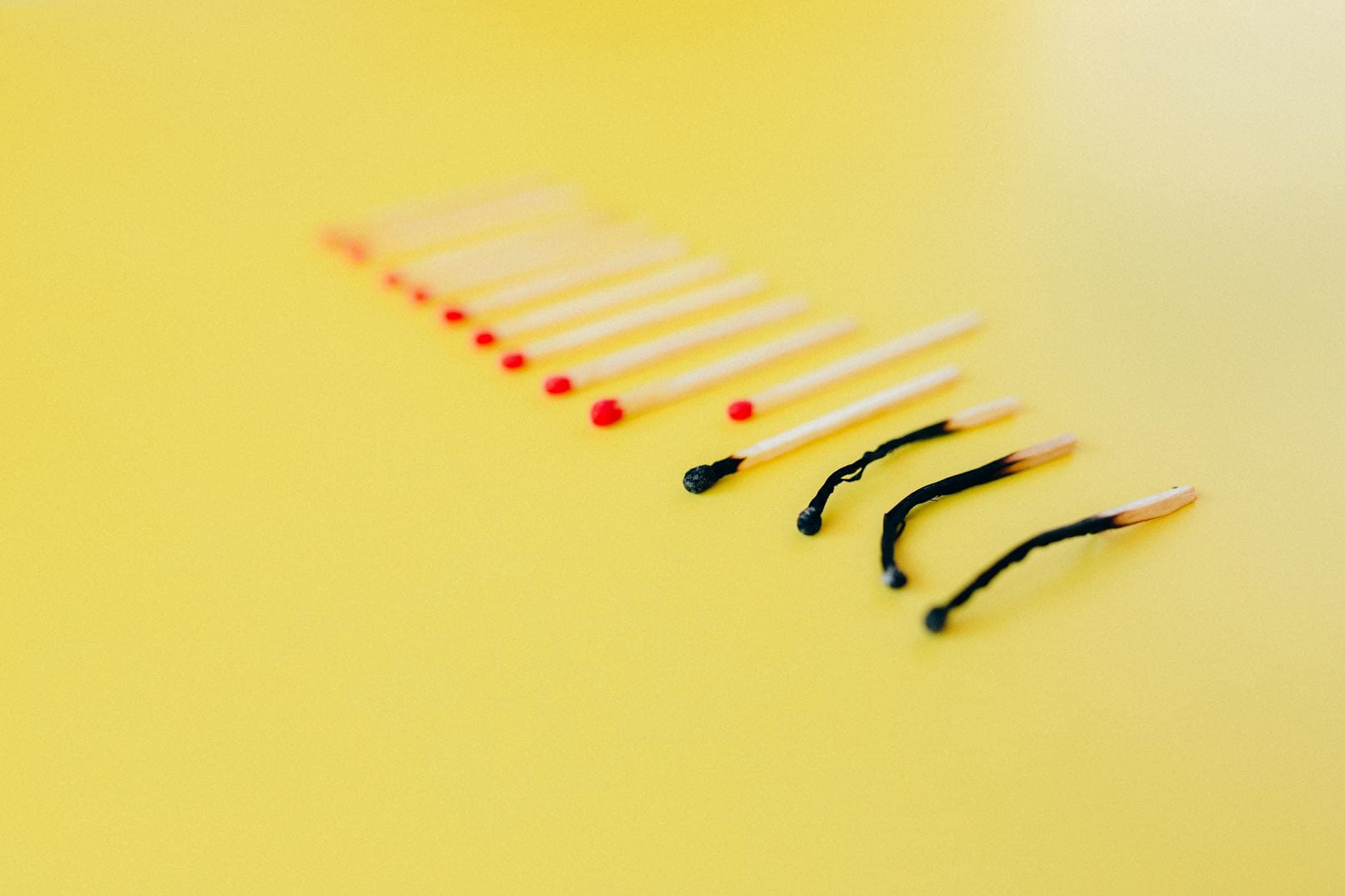
My Winter Burnout Wake-Up Call
I'll be honest, I used to think "winter burnout" was just a fancy term for being a bit lazy. I’d roll my eyes at people complaining about the shorter days and cold weather, figuring they just needed to toughen up. Then, it hit me – hard. I remember one particularly bleak January when I couldn't get out of bed, struggling with basic tasks, and feeling utterly devoid of energy. That's when I realized that ignoring the impact of the season on my mental health was a huge mistake. Now, I understand the importance of proactive winter burnout strategies.
Understanding the Winter Blues and Burnout
What's the Difference Between the Blues and Burnout?
It’s easy to lump everything under the umbrella of "feeling down" during winter, but there are subtle yet significant differences between the winter blues and burnout. The winter blues, often linked to Seasonal Affective Disorder (SAD), typically involve low mood, fatigue, and changes in sleep and appetite. Burnout, on the other hand, is a state of emotional, physical, and mental exhaustion caused by prolonged or excessive stress. While they can overlap, understanding the nuances is the first step in finding effective solutions. You might be experiencing a combination of both, which makes recognizing your personal triggers even more important.
The Science Behind Seasonal Affective Disorder (SAD)
Here's the science, in a nutshell: As daylight hours decrease, our bodies produce more melatonin, a hormone that regulates sleep, and less serotonin, a neurotransmitter that affects mood. This imbalance can lead to symptoms of depression, making it harder to cope with daily life. For some, this is a mild inconvenience; for others, it can be debilitating, impacting every aspect of their lives. It's not just a feeling; it’s a biological response to environmental changes.
Burnout Symptoms to Watch For
Recognizing the signs of burnout is crucial. Are you constantly exhausted, even after a full night's sleep? Do you find yourself feeling cynical or detached from your work or other activities you once enjoyed? Are you struggling with concentration or feeling irritable more often than not? These are all red flags. If you're experiencing several of these symptoms, it's time to take action and prioritize your mental health. Consider using an Anxiety Symptom Checklist: Spot the Signs & Find Relief to better understand your feelings.

Preventing Winter Burnout: Proactive Steps
Prioritizing Sunlight and Light Therapy
One of the most effective winter burnout strategies is to maximize your exposure to sunlight. This can be challenging during the winter months, but it's essential. Consider investing in a light therapy lamp, which mimics natural sunlight and can help regulate your body's circadian rhythm and boost your mood. Aim for at least 20-30 minutes of exposure each morning. Even on cloudy days, try to get outside, even if it's just for a short walk.
Optimizing Your Diet and Exercise
Your diet and exercise routine play a massive role in your mental well-being, especially during winter. Focus on eating nutrient-rich foods, including plenty of fruits, vegetables, and whole grains. Avoid excessive amounts of processed foods, sugar, and caffeine, which can worsen mood swings and fatigue. Regular physical activity, even something as simple as a brisk walk or some indoor exercises, can help combat the physical and mental effects of winter.
Creating a Consistent Sleep Schedule
Establishing a regular sleep schedule is vital for overall health and well-being, but it's especially important during winter. Aim for 7-9 hours of sleep each night, and try to go to bed and wake up at the same time every day, even on weekends. This helps regulate your body's natural sleep-wake cycle and can improve your mood and energy levels. If you're struggling with sleep, try creating a relaxing bedtime routine, such as taking a warm bath or reading a book.
Coping Strategies for When Burnout Hits
Mindfulness and Meditation Practices
When you're feeling overwhelmed, mindfulness and meditation can be incredibly helpful. Even a few minutes of daily practice can reduce stress and improve your ability to cope with difficult emotions. There are many guided meditation apps and resources available, making it easy to incorporate these practices into your routine. Focus on your breath, observe your thoughts without judgment, and gently bring your attention back to the present moment.
Setting Realistic Expectations and Boundaries
One of the biggest contributors to burnout is overcommitting yourself. During the winter, it's essential to set realistic expectations for yourself and others. Learn to say "no" to things that drain your energy and prioritize activities that bring you joy. Establish clear boundaries between work and personal life, and make sure to take regular breaks throughout the day.
Seeking Support and Connection
Feeling isolated is a common symptom of winter burnout. Make a conscious effort to connect with others, even when you don't feel like it. Reach out to friends and family, join a support group, or consider talking to a therapist or counselor. Sharing your experiences and feelings with others can provide a sense of validation and reduce feelings of loneliness. Consider Overcoming Winter Loneliness: Your Guide to Social Connec... if you are feeling isolated.

Here's the Truth About Winter Burnout That Nobody Tells You
The truth is, winter burnout strategies aren't always easy. You'll likely have days when you struggle, when you feel the weight of the season bearing down on you. It's okay. It’s normal. The important thing is to be kind to yourself, acknowledge your feelings, and keep trying. Don't expect perfection. Focus on progress, not perfection.
Building Resilience: Long-Term Strategies
Cultivating Self-Care Routines
Self-care isn't a luxury; it's a necessity, especially during the winter. Develop a routine that nurtures your physical, emotional, and mental well-being. This might include taking warm baths, reading, listening to music, spending time in nature (even if it's just a short walk in the park), or engaging in hobbies you enjoy. Make these activities a non-negotiable part of your schedule.
Developing Healthy Coping Mechanisms
Learning healthy coping mechanisms is crucial for managing stress and preventing burnout. Identify activities that help you relax and de-stress, such as exercise, spending time in nature, or listening to music. Avoid relying on unhealthy coping mechanisms, such as alcohol or substance abuse, which can worsen your symptoms. Consider seeking professional help to develop more effective coping strategies.
Seeking Professional Help
If your symptoms are severe or persistent, don't hesitate to seek professional help. A therapist or counselor can provide support, guidance, and evidence-based treatments, such as cognitive behavioral therapy (CBT), to help you manage your symptoms and develop coping strategies. A mental health professional can assess your specific needs and create a personalized treatment plan. The National Alliance on Mental Illness research on winter burnout strategies offers valuable resources.

Specific Winter Mood Boost Activities
Embracing the Cozy Season
Lean into the season. Instead of fighting the winter, embrace its cozy aspects. Light candles, snuggle up with a blanket, and enjoy a warm beverage. Plan indoor activities you love, such as reading, watching movies, or working on a hobby. Focus on creating a warm and inviting environment in your home.
Finding Joy in Winter Activities
Even though it's cold, find activities that you genuinely enjoy. This could be ice skating, skiing, or snowboarding if you enjoy outdoor activities. If you prefer staying indoors, consider taking up a new hobby or joining a class. This might be a great time to learn a new skill or pursue a creative outlet.
Planning for Spring
Looking ahead can provide a sense of hope and anticipation during the winter months. Start planning for spring activities, such as gardening, outdoor adventures, or travel. This can give you something to look forward to and help you stay motivated during the darker months.
A Word About Work-Life Balance
Setting Boundaries at Work
Work-life balance is crucial, especially when dealing with winter burnout. Learn to set clear boundaries between your work and personal life. Avoid checking emails or working outside of your designated work hours. Prioritize tasks and delegate when possible. If your work environment is contributing to your stress, consider talking to your supervisor or seeking a new job.
Creating Time for Rest and Relaxation
Make time for rest and relaxation a priority. Schedule regular breaks throughout the day, and make sure to take time off from work to recharge. Engage in activities that help you relax and de-stress, such as spending time in nature, reading, or listening to music. Remember, rest is essential for preventing burnout.
Prioritizing Social Connections
Maintaining social connections is a vital aspect of work-life balance and can significantly impact your mental health during the winter. Make an effort to connect with friends and family regularly. Schedule social activities, even if it's just a quick phone call or a virtual coffee date. Strong social connections can provide a sense of support and reduce feelings of isolation.

Final Thoughts: Embracing the Season and Yourself
Dealing with winter burnout is a journey, not a destination. It requires self-awareness, proactive strategies, and a willingness to adapt. Remember to be kind to yourself, practice self-compassion, and celebrate small victories. You are not alone in this experience. By implementing these winter burnout strategies, you can navigate the winter months with greater resilience and well-being. Think about the last time you felt truly present and joyful. What can you do to recapture that feeling this winter? Don’t wait for spring to feel better; start today.