
You know that feeling, right? That crisp, early morning when the alarm blares, and it’s still pitch black outside. Your body feels like it’s been glued to the mattress, heavy and reluctant, even though you technically got eight hours. You drag yourself up, maybe stumble to the kitchen for a coffee, and the thought that immediately pops into your head is, "I'm still so tired." This isn't just a bad night; for many of us, it’s the annual struggle with winter sleep problems, a frustrating cycle of restless nights and sluggish days that seems to set in as soon as the clocks change.
I get it. I’ve lived it. For years, I just assumed it was a normal part of winter, like bundling up or scraping ice off the car. But here’s the thing: it doesn't have to be. Our bodies are incredibly adaptable, yet the shift in seasons often throws a wrench into our natural rhythms, leading to all sorts of National Alliance on Mental Illness research on winter sleep problems showing how pervasive these seasonal sleep issues can be. Let's unpack what's really going on.
The Winter Sleep Trap: Why Our Bodies Go Haywire
It's fascinating how much our ancient biology still dictates our modern lives. When the days shorten and the sun makes only fleeting appearances, our bodies receive entirely different signals than they do in summer. This fundamental change messes with our internal clocks, causing a cascade of effects that impact our sleep quality.
The Sun's Sneaky Role: Light, Melatonin, and Circadian Rhythms
Our circadian rhythm disruption, our internal 24-hour clock, is primarily regulated by light. Specifically, natural light exposure, especially in the morning, tells our brain to suppress melatonin production – the hormone that makes us feel sleepy – and kickstart our daytime energy. As the sun sets, light diminishes, melatonin rises, and we drift off to sleep. In winter, with fewer daylight hours and often less time spent outdoors, this delicate balance gets completely out of whack.
Think about it: waking up before the sun, commuting in the dark, working indoors, and then heading home after sunset. Your brain barely registers proper daylight. This leads to a confused National Institutes of Health research on winter sleep problems on melatonin winter sleep, often resulting in either too much melatonin being produced during the day (making you feel constantly tired) or a delayed release at night (contributing to winter insomnia). It's a lose-lose situation that many people struggle to identify.
More Than Just Dark: Understanding Seasonal Affective Disorder (SAD)
While not everyone experiences full-blown Seasonal Affective Disorder (SAD), a significant number of people feel a distinct shift in mood and energy during the colder months. SAD is a type of depression that recurs seasonally, and its symptoms often include persistent fatigue, oversleeping (hypersomnia), difficulty waking, and a general lack of energy, all contributing to those pervasive winter sleep problems. It’s a serious condition, but even those without a SAD diagnosis can experience what's often called "the winter blues" or sub-syndromal SAD, where the symptoms are milder but still impactful.
The connection here is undeniable: the same factors that disrupt our sleep also influence our mood. Less sunlight means less serotonin, a neurotransmitter linked to feelings of well-being. When both sleep and mood take a hit, it creates a downward spiral that can be incredibly hard to break free from. It’s why understanding the underlying causes is so crucial.
The Double-Edged Sword of Hibernation Instincts
I used to think my increased desire to sleep and eat more in winter was just me being lazy. Honestly, I'd beat myself up about it. But there’s a biological component at play, a leftover instinct from our ancestors who would naturally slow down during periods of scarcity and cold. Our bodies still try to conserve energy, encouraging us to rest more and seek comfort in food.
This instinct, while natural, doesn't always serve us well in modern society where demands don't magically decrease with the temperature. We still have jobs, families, and responsibilities. The internal drive to slow down clashes with external pressures, leading to a constant state of low-grade stress and further exacerbating our ability to get quality rest. This is a key reason for winter fatigue causes that go beyond simple tiredness.
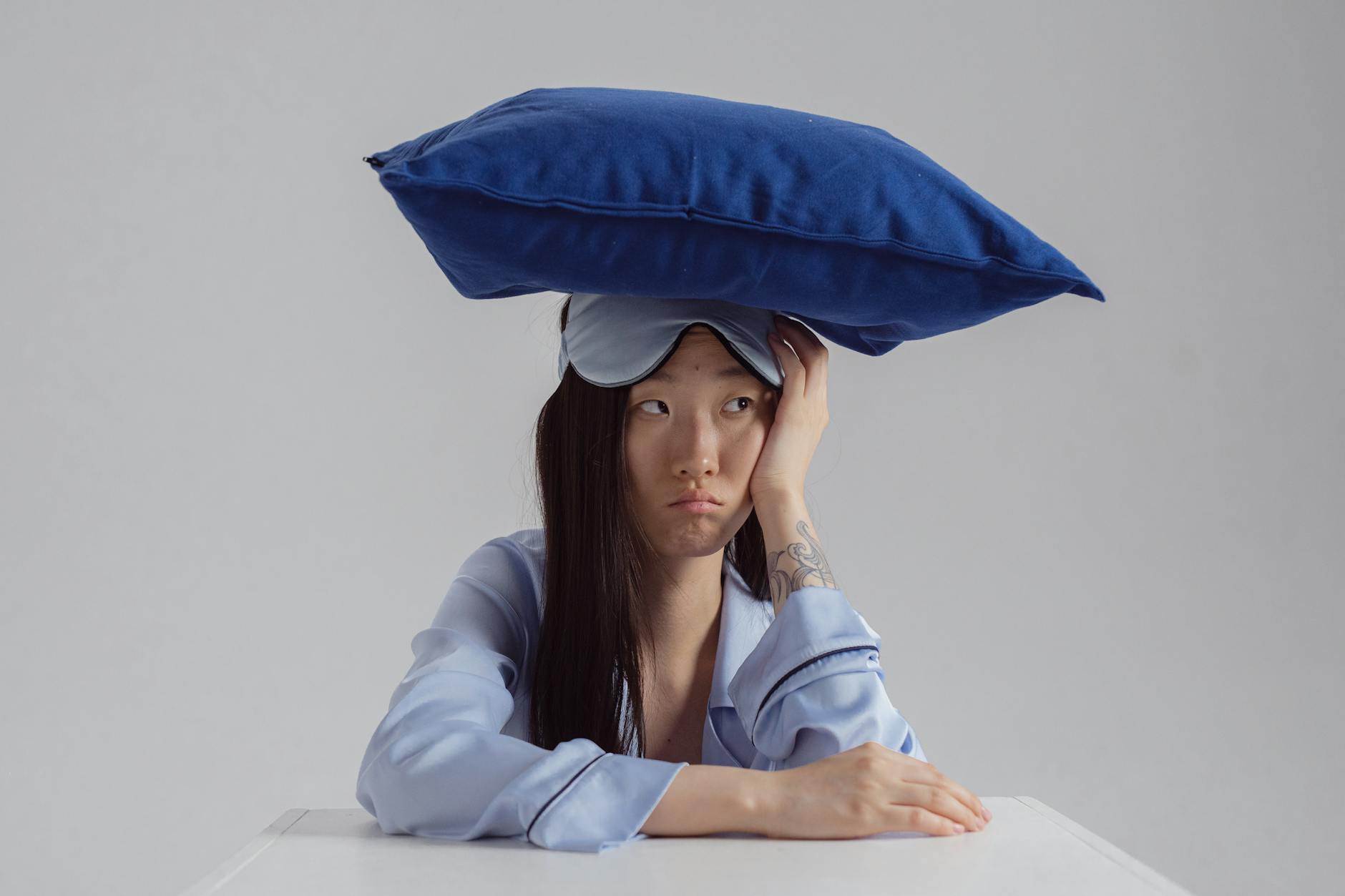
Feeling the Drag: The Real Cost of Winter Sleep Problems
It’s not just about feeling tired. Chronic poor sleep, especially the kind that persists for months, has a ripple effect on every area of our lives. You’ve probably noticed it yourself – that dullness around the edges, the shorter fuse, the inability to concentrate. This isn’t just inconvenient; it can be genuinely debilitating.
Beyond Tired: The Link to Mood and Mental Clarity
When you're struggling with winter sleep problems, your mental state takes a huge hit. That brain fog isn't just a metaphor; it's a real physiological response to inadequate rest. Decision-making becomes harder, creativity wanes, and even simple tasks feel like monumental efforts. It’s like trying to navigate a dense forest with a flickering flashlight.
Mood-wise, the connection is even stronger. Lack of sleep makes us more irritable, anxious, and vulnerable to negative thoughts. It’s a vicious cycle: poor sleep fuels anxiety, and anxiety, in turn, makes it harder to sleep. This is why addressing coping with winter blues often starts with tackling sleep head-on. You simply cannot expect to feel mentally resilient if your body isn't getting the restorative rest it desperately needs.
Physical Toll: From Cravings to Colds
The physical impact of winter burnout strategies and poor sleep is often overlooked. When we're sleep-deprived, our bodies crave quick energy, leading to increased cravings for sugary, high-carb foods. This isn't just about willpower; it's a hormonal response. Ghrelin, the hunger hormone, increases, while leptin, the satiety hormone, decreases. This can contribute to weight gain and make managing seasonal eating disorder triggers even more challenging.
Beyond that, our immune system suffers. Studies consistently show that people who don't get enough sleep are more susceptible to infections like the common cold and flu. Think about the last time you were really run down; wasn't it usually after a period of disrupted sleep? Our bodies need that downtime to repair, restore, and fight off pathogens. Without it, we're simply more vulnerable.
Productivity Plunge: Why "Winter Fatigue Causes" More Than Just Yawning
I’ll be real with you: my productivity takes a nosedive if my sleep isn’t right. It’s not just about feeling sleepy at your desk. It’s about the quality of your work, your ability to focus, and your overall efficiency. Tasks that would normally take an hour stretch into two or three, riddled with mistakes or requiring multiple re-reads. This is a common complaint when people ask, "why can't I sleep in winter?"
This isn't just anecdotal; research by the American Psychological Association research on winter sleep problems consistently links chronic sleep deprivation to decreased cognitive function, impaired memory, and reduced problem-solving skills. So, that feeling of being less sharp, less effective? It's very real, and it has tangible consequences for your career, studies, and even your personal projects. You're simply not operating at your best.

My Own Struggle: A Confession About Winter Insomnia
For years, winter was my nemesis. I'd dread the shorter days, not just for the cold, but for the predictable onslaught of fatigue and low mood that came with them. My own seasonal sleep issues were a constant source of frustration, leaving me feeling like a lesser version of myself.
The Dread of Dawn: My Personal Experience
I remember one particular winter, about five years ago, where my sleep was just a mess. I’d wake up every morning around 3 AM, my mind racing with everything from my to-do list to existential dread. Then I'd finally drift back to sleep an hour or two later, only to be jolted awake by my alarm feeling more exhausted than when I went to bed. This pattern repeated itself for weeks, turning me into a zombie. I was irritable, forgetful, and just generally miserable. My usually positive outlook was replaced by a persistent gray cloud.
The worst part was the shame I felt. I’d see others seemingly thriving in winter, and I just couldn't understand why I was so uniquely bad at it. It felt like a personal failing, not a physiological response to environmental changes. This period taught me a lot about the insidious nature of chronic sleep deprivation and how deeply it impacts one's identity and self-perception.
Learning the Hard Way: What I Thought Was Laziness
I honestly believed I was just lazy. My energy levels plummeted, and my motivation vanished. I'd cancel plans, avoid social gatherings, and spend evenings zoned out in front of the TV, too tired to engage with anything meaningful. It wasn't until a friend, noticing my significant dip, gently suggested I look into how winter light exposure affects mood and energy, that a lightbulb went off (pun intended).
This one surprised me. I had always dismissed things like "seasonal affective disorder" as something that happened to other people, not me. But once I started researching and understanding the science behind melatonin regulation and circadian rhythms, it all clicked. My struggle wasn't a character flaw; it was a biological response that I could actually do something about.
The Shift: Finding My Way Out of the Seasonal Sleep Issues
That realization was a turning point. It empowered me to stop blaming myself and start taking proactive steps. I began experimenting with different strategies, slowly but surely reclaiming my nights and my energy. It wasn't an overnight fix – nothing truly meaningful ever is – but the consistent effort eventually paid off. I started to understand my body's unique needs in winter, and how to best support it.
I learned that treating my winter sleep problems wasn't about fighting the season, but about working with my body to adapt. It meant being more intentional about my habits, my environment, and even my mindset. And honestly, it changed everything. I still prefer summer, but winter no longer fills me with dread; it’s just another season I know how to navigate.

Reclaiming Your Nights: Actionable Steps to Improve Winter Sleep
So, what can you actually do? This isn't about magical cures, but about consistent, intentional effort. These strategies have made a world of difference for me, and I believe they can for you too.
Light Up Your Life: Embracing Light Therapy for Sleep
If there's one thing I could scream from the rooftops, it's this: get more light. Since natural light is scarce, we need to create it. This is where light therapy for sleep comes in, often using a SAD lamp or light box.
Morning Brightness: The Non-Negotiable Start
My absolute game-changer was investing in a good SAD lamp. Every single morning, within 30 minutes of waking, I sit in front of it for 20-30 minutes while I have my coffee or check emails. This bright light signals to my brain that it's daytime, helping to suppress melatonin and reset my circadian rhythm. It’s a non-negotiable part of my winter routine, and the difference in my energy and mood is palpable. Look for a lamp that provides 10,000 lux of full-spectrum light.
Midday Exposure: Seizing the Scarcity
Even if it’s cloudy, try to get outside for a walk during your lunch break. Even diffused natural light is significantly more powerful than indoor lighting. A 15-20 minute stroll can make a surprising impact on your energy levels and help reinforce your daytime signals. It’s about seizing every bit of natural light you can get.
The Melatonin Balance: When and How to Supplement
Melatonin supplements can be helpful, but they're often misunderstood. More isn't always better, and timing is everything when you're dealing with melatonin winter sleep issues.
Timing is Everything: Less is Often More
If you're considering melatonin, start with a very low dose, like 0.5mg to 1mg, taken about 60-90 minutes before your desired bedtime. The goal isn't to knock yourself out, but to gently nudge your body towards sleep by mimicking its natural evening rise in melatonin. Higher doses can actually lead to grogginess the next day or even disrupt your natural production.
Doctor's Orders: Why You Should Consult
Before adding any supplement, especially if you're on other medications or have underlying health conditions, please talk to your doctor. They can help you determine if melatonin is appropriate for you and advise on the correct dosage and timing to help improve winter sleep.
Bulletproofing Your Bedroom: Essential Sleep Hygiene Tips for Winter
Good sleep hygiene is always important, but it becomes absolutely critical when battling sleep hygiene tips winter challenges. It’s about creating an environment and routine that signals to your body that it’s time to wind down.
Temperature Control: The Goldilocks Zone
Your bedroom should be cool, dark, and quiet. Aim for a temperature between 60-67°F (15-19°C). A cooler room helps your body naturally drop its core temperature, which is a key part of initiating sleep. This might mean turning down the thermostat slightly more than you’d expect.
Digital Detox: Powering Down for a Power Nap
This one is tough, I know. But the blue light emitted from screens (phones, tablets, computers, TVs) directly interferes with melatonin production. Try to implement a digital curfew at least an hour before bed, ideally two. Read a book, listen to music, meditate, or simply sit in quiet reflection. Give your brain a chance to slow down without artificial stimulation.
Movement and Nourishment: Fueling Better Rest
Our daily habits profoundly impact our sleep, and winter is no exception.
Gentle Exercise: Not a Marathon, But a Walk
Regular physical activity is a powerful sleep aid, but intense workouts too close to bedtime can be counterproductive. Aim for moderate exercise earlier in the day. Even a brisk 30-minute walk can significantly improve sleep quality. It helps regulate your circadian rhythm and reduces stress, both crucial for overcoming winter sleep problems.
Conscious Eating: Avoiding Seasonal Eating Disorder Triggers
What you eat, and when, matters. Avoid heavy, rich meals close to bedtime. Limit caffeine and alcohol, especially in the afternoon and evening. While alcohol might make you feel sleepy initially, it disrupts the deeper, more restorative stages of sleep later in the night. Focus on balanced meals throughout the day to keep your energy stable and avoid those sudden dips that can lead to cravings and further seasonal eating disorder triggers.

When It's More Than Just a Winter Slump: Recognizing Deeper Signals
While many of us experience some form of winter sleep issues, there's a point where it transitions from a seasonal inconvenience to something more serious. It's vital to recognize these deeper signals and know when to seek professional help.
Persistent Patterns: When to Worry About "Why Can't I Sleep in Winter"
If your sleep problems are consistently severe, leading to significant distress or impairment in your daily life, it’s time to pay closer attention. This includes chronic winter insomnia, excessive daytime sleepiness that doesn't resolve with lifestyle changes, feelings of hopelessness, or thoughts of self-harm. If you're consistently asking "why can't I sleep in winter?" despite trying various strategies, it’s a sign.
Also, if you notice significant changes in appetite, weight, or a complete loss of interest in activities you once enjoyed, these are red flags. These symptoms suggest something more profound than just a case of the winter blues and warrant professional evaluation.
The Professional Hand: Why Reaching Out Matters
Sometimes, despite our best efforts, we need a little extra support. A mental health professional, like a therapist or psychiatrist, can assess your symptoms, rule out other conditions, and provide tailored treatment plans. This might include cognitive behavioral therapy for insomnia (CBT-I), medication, or a combination of approaches. There is absolutely no shame in seeking help; it's a sign of strength and self-awareness.
Don't suffer in silence. These professionals are trained to help you navigate complex mental health challenges and can offer strategies that go beyond general advice. They can provide tools to improve your self esteem building exercises even when you feel at your lowest.
Building Your Support System: A Team Approach to Well-being
Beyond professional help, lean on your personal support system. Talk to trusted friends or family members about what you're experiencing. Sometimes just verbalizing your struggles can be incredibly cathartic. They might not have all the answers, but their understanding and empathy can make a huge difference.
Consider joining a support group, either online or in person. Connecting with others who understand what you're going through can reduce feelings of isolation and provide a sense of community. Remember, you don't have to face these winter sleep problems alone.
A Winter of Resilience: Looking Beyond the Season
Ultimately, dealing with winter sleep problems is about building resilience. It’s about understanding your body, anticipating the challenges, and proactively arming yourself with strategies to navigate the colder, darker months. This isn't just about surviving winter; it's about thriving through it.
Proactive Planning: Don't Wait for the Chill
The best time to address winter sleep issues isn't when you're already in the thick of them, but before they even start. As autumn approaches, begin implementing some of these strategies. Start using your light therapy lamp, adjust your sleep schedule gradually, and recommit to your sleep hygiene. Being proactive can significantly soften the blow of seasonal changes and prevent a full-blown struggle.
Think of it like preparing for a long journey; you wouldn't wait until you're halfway there to pack your bags. The same applies to your mental and physical well-being during winter. A little foresight goes a long way in managing your winter burnout strategies.
Embracing the Season: Finding Joy in the Dark
It’s easy to lament the loss of summer, but there’s also beauty and unique opportunities in winter. Embrace cozy evenings, warm drinks, and the quiet introspection the season invites. Find activities that bring you joy indoors, or bundle up and enjoy winter sports or walks in a snowy landscape. Shifting your mindset from dread to acceptance can be incredibly powerful.
This isn't about ignoring your struggles, but about finding moments of light and warmth within the season. It’s about building a repertoire of winter mood boost activities that genuinely uplift you, helping to balance the physiological challenges with psychological well-being.
The Ongoing Journey: A Commitment to Your Circadian Rhythm
Your sleep health is an ongoing journey, not a destination. What works one winter might need slight adjustments the next. Stay curious about your body, listen to its signals, and be willing to adapt your strategies. Understanding your circadian rhythm disruption and its profound impact on your entire being is the first step toward a more restful, energetic life, no matter the season.
Don't let winter steal your peace or your energy. You have the power to reclaim your nights and your days. It takes effort, consistency, and sometimes a willingness to ask for help, but trust me, the feeling of waking up refreshed, even when it’s still dark outside, is absolutely worth it.