
Many people assume social anxiety is a constant, unyielding beast, a year-round struggle that doesn't ebb and flow with the seasons. They think if you have it, you just have it, full stop. But here's the thing, and I'll be real with you: that's a misconception. The truth is, for a significant number of us, social anxiety takes on a particularly insidious, heavy cloak when the days grow short and the air bites with cold. We're talking about winter social anxiety, a distinct and often overlooked challenge that can make the colder months feel like an emotional deep freeze.
I’ve lived through enough winters to know this isn't just a coincidence or a bad mood. It's a real, palpable shift, and understanding it is the first step toward finding your way through it. You're not imagining it if your usual social anxieties feel amplified, or if new layers of dread emerge when the temperature drops. This seasonal impact is profound, affecting our energy, our mood, and our very capacity for connection.
The Chilling Reality of Winter Social Anxiety
It's easy to dismiss a dip in mood during winter as simply "the winter blues." We've all heard that phrase, right? But for those grappling with social anxiety, especially when the light fades and the world outside seems to slow, it’s far more complex than just feeling a bit down. The interplay of environmental factors and existing anxiety can create a perfect storm, making even routine social interactions feel like monumental tasks.
More Than Just the Winter Blues
Think about it: the winter blues often manifest as low energy, a general lack of motivation, and perhaps a craving for comfort foods. While these symptoms can certainly overlap, winter social anxiety pushes further, adding specific fears about social situations. You might find yourself cancelling plans with an urgency you don't typically feel, or dreading that office holiday party weeks in advance. It's not just a general malaise; it's a targeted attack on your desire or ability to connect with others, making overcoming winter isolation a truly uphill battle.
This isn't to say the "winter blues" aren't valid, but we need to recognize when that mild discomfort morphs into something more debilitating. When the thought of a simple coffee with a friend brings on a racing heart and an intense desire to retreat, that’s a clear signal that something deeper is at play. It's about recognizing the specific social anxiety disorder symptoms that become exacerbated during this time.
The Science Behind the Seasonal Shift
Why does winter seem to hit so hard? The science points to a few key factors. Reduced exposure to natural light during shorter days can disrupt our circadian rhythms and impact neurotransmitters like serotonin, which plays a crucial role in mood regulation. This disruption is a hallmark of seasonal affective disorder (SAD), a form of depression linked to seasonal changes.
The American Psychological Association research on winter social anxiety highlights how these biological changes can lower our overall resilience, making us more susceptible to anxiety. When our bodies are already struggling with less light and disrupted sleep patterns, our capacity to manage stress, including social stress, naturally diminishes. It’s like trying to run a marathon on an empty tank; you just don’t have the fuel.
Recognizing the Unique Symptoms
You might be wondering, how do I know if it’s specifically winter social anxiety and not just my regular anxiety? Look for the patterns. Do you notice your social avoidance behaviors intensifying specifically from November to March? Are your physical symptoms of anxiety (heart palpitations, sweating, trembling) more pronounced before social events in winter compared to summer? I've seen clients, and honestly, myself included, experience a notable increase in dread surrounding social obligations during these months.
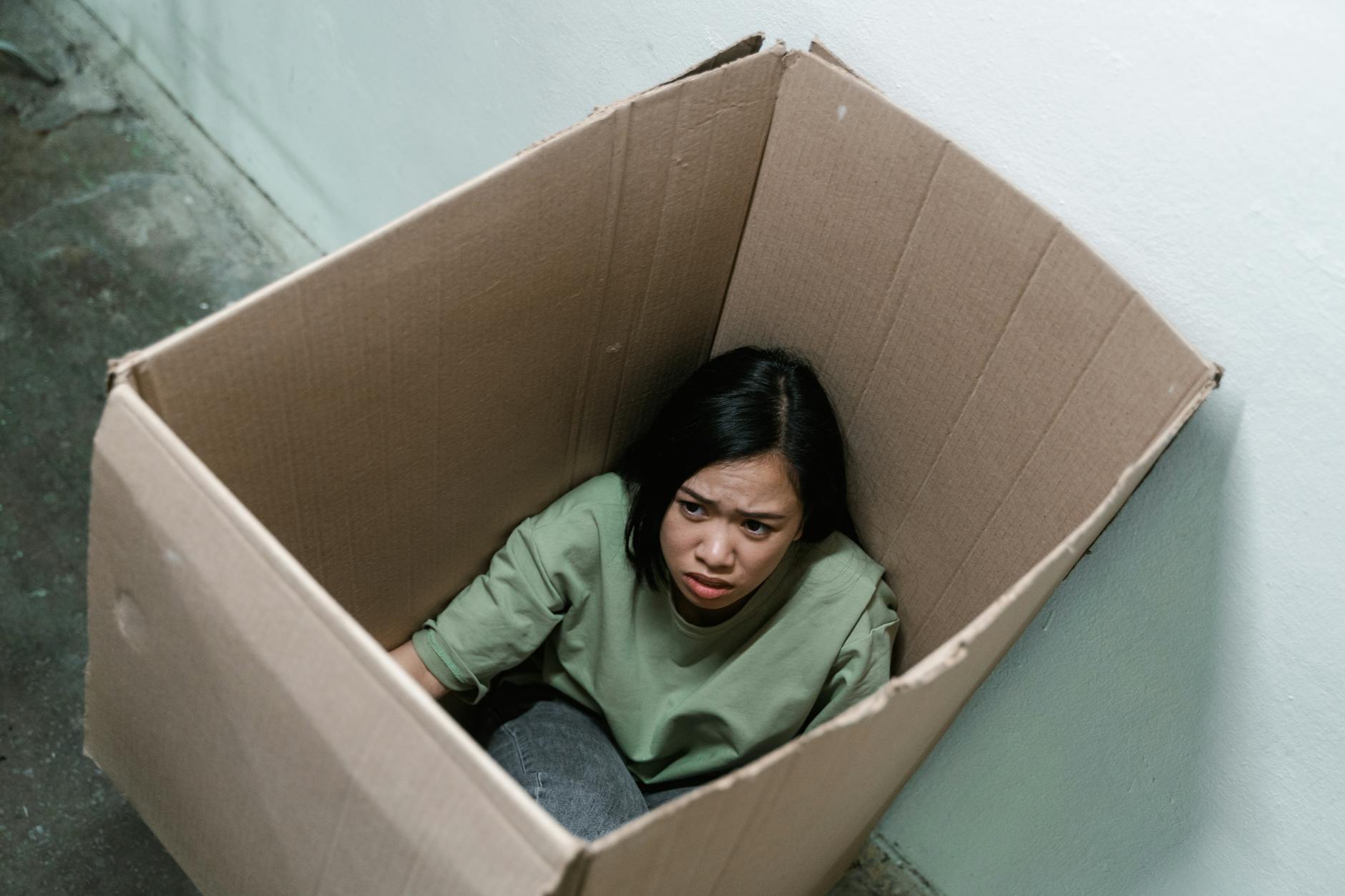
It’s not just about feeling shy; it’s about a profound sense of discomfort, fear of judgment, and an overwhelming desire to avoid social interaction altogether, even with people you genuinely care about. This intensification can be alarming, but recognizing it is the first step toward addressing it head-on.
Why Winter Takes a Different Toll
Beyond the biological shifts, winter presents a unique set of circumstantial challenges that can exacerbate social anxiety. It's not just the internal struggle; it's the external environment conspiring against our desire to connect.
Less Light, More Isolation
The shorter days and longer nights inherently promote isolation. When it’s dark by 4 PM, and the weather is miserable, our natural inclination is to stay indoors, to nest. This can be comforting for a while, but for someone prone to social anxiety, it can quickly become a trap. The less you go out, the less practice you get with social interaction, creating a vicious cycle where avoidance reinforces anxiety.
This increased time indoors, coupled with the absence of sunlight, can also lead to a general dip in mood and energy, making the effort required for social outings feel insurmountable. It’s a powerful driver of coping with grief in winter, as the season can amplify feelings of loss and loneliness, further isolating individuals.
The Pressure of Holiday Gatherings
Ah, the holidays. For many, they're a time of joy and connection. For those with social anxiety in winter, they can be a gauntlet of forced cheer and awkward small talk. Suddenly, there's an expectation to be "on," to attend multiple gatherings, to engage with extended family or colleagues you rarely see. This pressure cooker environment is a major trigger.
I used to dread holiday parties. The idea of navigating a room full of people, making conversation, and trying to appear "normal" felt utterly exhausting. The Gottman Institute research, while focused on relationships, subtly touches on how external pressures and lack of self-care during stressful periods can strain our capacity for genuine connection, a relevant point for anyone dealing with heightened social demands.
Physical Comfort vs. Social Engagement
Think about your ideal winter evening. For many, it involves cozy blankets, a warm drink, and a good book or movie. Compare that to bundling up, braving the cold, and making an effort to socialize. Our bodies naturally crave warmth and comfort when it's cold. This primal urge can conflict directly with the desire or need to be social, creating an internal battle. The effort required to simply get out the door can feel overwhelming, tipping the scales heavily towards staying home.
This isn't about laziness; it's about a genuine energetic drain. Our bodies are working harder to regulate temperature, our moods are often lower due to light deprivation, and our anxiety levels are elevated. It’s no wonder the sofa often wins over the social engagement.

Practical Strategies for Coping and Connection
So, what can we do when winter social anxiety tightens its grip? The good news is, you're not powerless. There are concrete steps you can take, strategies rooted in both psychological understanding and practical self-care.
Proactive Planning and Setting Boundaries
This is crucial. Don't wait for an invitation to pop up and then panic. Look ahead at your calendar. If you know there's a big family dinner or a work event coming, plan for it. Decide beforehand how long you'll stay, who you'll talk to, and what your exit strategy will be. Having a clear plan can significantly reduce anticipatory anxiety.
Setting boundaries is equally vital. It's okay to say no. It's okay to say, "I can only stay for an hour." Protecting your energy during this time is an act of self-preservation, not selfishness. I remember one winter, instead of cancelling five plans out of sheer dread, I committed to two and set a 90-minute limit for each. It made all the difference, transforming overwhelming obligations into manageable encounters.
Nurturing Your Inner World
When the outside world feels overwhelming, turn inward. This means prioritizing self-care for anxiety, especially when you're feeling the pinch of cold weather social anxiety. Practices like mindfulness can be incredibly grounding. Taking even ten minutes a day to focus on your breath, to observe your thoughts without judgment, can build resilience against anxious spirals. Consider exploring mindfulness for winter anxiety as a daily ritual.
Journaling is another powerful tool. Getting those swirling anxious thoughts out of your head and onto paper can provide clarity and a sense of release. It helps you process what’s happening internally without the pressure of having to articulate it to someone else immediately.
Small Steps Towards Social Engagement
The goal isn't to suddenly become the life of every party. It's about small, manageable exposures. Instead of avoiding all social contact, try to find low-pressure ways to connect. Maybe it's a quick video call with a close friend, or a walk with a trusted family member. These small wins build confidence without overwhelming your system.
Focus on quality over quantity. One meaningful conversation with someone you trust can be far more beneficial than enduring a large, stressful gathering. This approach helps to slowly desensitize you to social situations, making future interactions feel less daunting. This is a core principle in overcoming social anxiety, regardless of the season.

Building Your Winter Well-being Arsenal
Beyond direct coping strategies, there are foundational elements of winter well-being that can significantly impact your capacity to manage seasonal social anxiety. These are your non-negotiables for getting through the colder months with greater ease.
The Power of Light and Movement
Since reduced light is a major contributor to winter blues and SAD, actively seeking out light exposure is critical. Invest in a light therapy lamp (look for one that's 10,000 lux and UV-filtered) and use it for 20-30 minutes each morning. This one surprised me with its effectiveness; it genuinely helps regulate mood and energy. Combine this with regular movement. Even a brisk 20-minute walk outside, especially in the morning, can make a huge difference, exposing you to natural light and releasing mood-boosting endorphins. These are essential winter mood boosting tips.
Movement doesn't have to be intense. It could be dancing in your living room, stretching, or a gentle yoga session. The key is consistency. Our bodies are designed to move, and when we neglect that, our mental health often pays the price.
Fueling Your Mind and Body
What you eat plays a bigger role than you might think in your mental state. During winter, it’s easy to reach for comfort foods that are high in sugar and refined carbs, which can lead to energy crashes and mood swings. Focus on nutrient-dense foods: lean proteins, complex carbohydrates, and plenty of fruits and vegetables. Consider how winter mental health gut health is interconnected; a healthy gut biome can positively influence your mood and anxiety levels.
Hydration is also often overlooked. Even mild dehydration can impact your mood and cognitive function. Make sure you're drinking enough water throughout the day. These are simple but powerful winter anxiety tips that lay the groundwork for better resilience.
Seeking Professional Guidance
Sometimes, despite our best efforts, winter social anxiety can feel overwhelming. And that's okay. There is no shame in seeking professional support. Therapy for social anxiety, particularly Cognitive Behavioral Therapy (CBT), can provide you with invaluable tools and strategies to challenge anxious thoughts and gradually engage in social situations. A therapist can help you identify triggers, develop coping mechanisms, and process underlying fears.
Organizations like the National Alliance on Mental Illness (NAMI) offer resources and support groups that can provide a sense of community and understanding. You don't have to navigate this alone. Reaching out is a sign of strength, not weakness.

Reframing Winter: An Opportunity for Growth
While winter can certainly amplify struggles, I genuinely believe it also offers a unique opportunity for growth. It forces us to slow down, to look inward, and to be more intentional about how we spend our time and energy.
Embracing the Season's Unique Rhythm
Instead of fighting against winter's natural inclination towards introspection, try to lean into it. Use this time to delve into hobbies you enjoy, to read, to reflect. It's a chance to recharge, to build a stronger foundation for your mental well-being. This doesn't mean becoming a hermit, but it does mean honoring your body's need for rest and quiet.
Think of it as a period of cultivation. Just as nature rests and gathers strength for spring, we too can use these months to nurture our inner selves, preparing for periods of greater social engagement with renewed energy and resilience.
Cultivating Deeper, More Meaningful Connections
Because social energy might be lower, winter can be an excellent time to focus on the quality of your connections rather than the quantity. Instead of large, overwhelming gatherings, prioritize one-on-one time with close friends or family. These deeper, more intimate interactions can be incredibly nourishing and less anxiety-provoking.
This focus on meaningful connection can actually strengthen your social bonds, providing a solid support system that will serve you well, regardless of the season. It’s about building genuine intimacy, the kind that truly sustains us.
Ultimately, navigating winter social anxiety is about recognizing its unique challenges and arming yourself with compassion and practical strategies. It's about giving yourself permission to feel what you feel, while also taking proactive steps to support your mental health. This winter, let's commit to not just enduring the cold, but to thriving within it, finding warmth in our resilience and the connections we choose to cultivate.