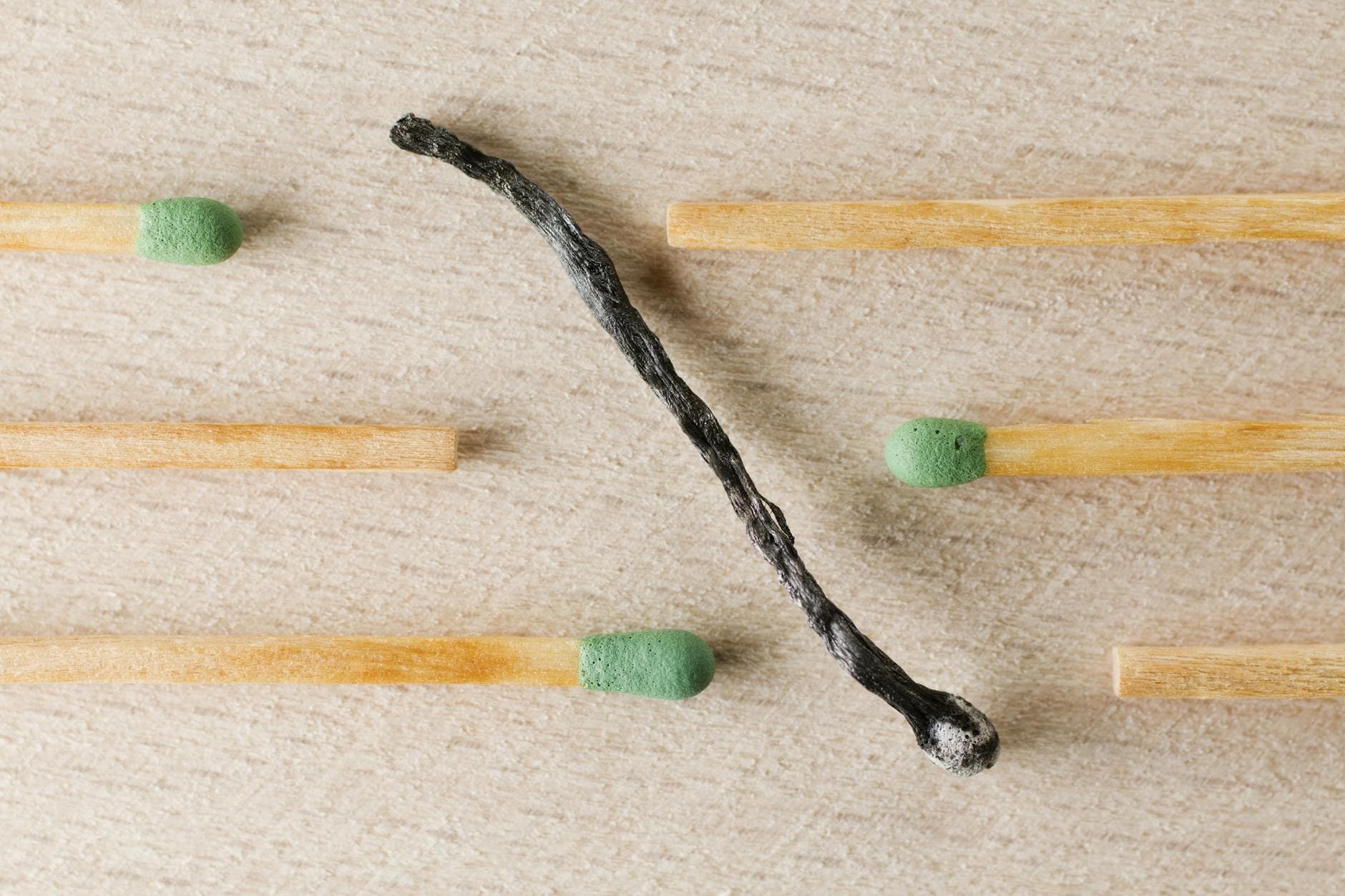
Here's a challenging thought: most people believe winter isolation is a personal failing, a sign they're just not "social enough." Honestly, I used to think that too. But the truth, backed by American Psychological Association research on overcome winter isolation, is far more complex. It's a widespread, often unacknowledged struggle, a seasonal shift that drags many of us into a quiet, lonely corner. This isn't about being an introvert or an extrovert; it's about the profound human need for connection clashing with the season's inherent pull towards hibernation. You might be wondering how to effectively overcome winter isolation when everything in you just wants to pull the covers higher and disappear until spring. Well, I'm here to tell you it's not only possible, but it’s an essential act of self-preservation.
The Silent Epidemic of Winter Isolation
The days get shorter, the air bites colder, and suddenly, the vibrant social life of summer feels like a distant dream. This isn't just a minor inconvenience; for many, it's a genuine mental health challenge. The retreat from the world can start subtly, maybe by skipping one coffee date, then another, until weeks have passed without meaningful interaction. It's a slippery slope, and it deserves our serious attention.
More Than Just "The Blues"
We often dismiss that low, heavy feeling as "the winter blues." But here's the thing: for a significant portion of the population, it's something more substantial. We're talking about seasonal affective disorder (SAD), a type of depression directly linked to the changing seasons. It's not just feeling a bit down; it can manifest as profound fatigue, difficulty concentrating, changes in appetite, and a deep, pervasive sense of hopelessness. Understanding this distinction is crucial because it validates what you might be feeling. It's not your fault; it's a real, clinically recognized condition that impacts your social wellness and makes it incredibly hard to connect, amplifying loneliness in winter tips you might have heard.
Why Winter Hits Differently
Think about the last time you felt truly energized in the dead of winter. It's rare, isn't it? Our bodies are hardwired to respond to light. Less daylight disrupts our circadian rhythms, affecting our sleep patterns and the production of serotonin, a neurotransmitter that influences mood. This biological shift makes us naturally want to slow down, conserve energy, and retreat. Combine this biological imperative with the practical challenges of colder weather, icy roads, and fewer outdoor activities, and you've got a perfect storm for social withdrawal. It's a natural inclination, yes, but one we need to consciously counteract for our mental health.
The Real Cost of Retreating
I'll be real with you: pulling away from others, even when it feels like the easiest thing to do, comes at a cost. Prolonged isolation isn't just about feeling lonely in the moment; it has long-term implications for our physical and mental well-being. Studies have shown that chronic loneliness can be as detrimental to your health as smoking 15 cigarettes a day, impacting everything from cardiovascular health to cognitive function. It erodes our sense of purpose and belonging, making us more susceptible to anxiety and depression. That's why actively working to overcome winter isolation isn't just a suggestion; it's a necessity for a healthy, balanced life, offering vital Winter Mood Boosting Tips for Dark Days & Low Energy.

Reclaiming Connection: Practical Steps to Overcome Winter Isolation
So, what can we actually do about it? The answer isn't a magic bullet, but a series of intentional, consistent actions. It requires effort, especially when your motivation feels like it's frozen solid. But trust me, the payoff is immense.
Intentional Social Planning
This one surprised me when I first started practicing it. We often wait for social invitations to come to us, especially when we're feeling low. But to truly overcome winter isolation, you have to be proactive. That means making social connection a non-negotiable part of your routine. Don't wait; initiate. Even small connections matter.
The "Micro-Connection" Strategy
You don't need to plan a huge dinner party every week. Sometimes, the most powerful antidote to loneliness is a series of "micro-connections." This could be a quick five-minute video call with a friend, sending a thoughtful text to someone you haven't spoken to in a while, or even just striking up a conversation with your barista. These tiny, low-stakes interactions add up, reminding you that you're part of a larger social fabric. They're excellent loneliness in winter tips because they don't require massive energy outputs.
Scheduling Your Social Life
Look, if you don't schedule it, it probably won't happen. Treat your social engagements like doctor's appointments or important work meetings. Put them in your calendar. Whether it's a weekly virtual game night with friends, a standing coffee date, or a monthly book club, committing to these activities helps you maintain friendships and gives you something to look forward to. This is how to stay connected in winter, by making it a priority, not an afterthought.
Embrace the Outdoors (Even When You Don't Want To)
I know, I know. It's cold. But getting outside, even for a short walk, offers a powerful combination of benefits. Exposure to natural light, even on cloudy days, can help regulate your circadian rhythm and boost your mood. The fresh air itself is invigorating, and the physical activity releases endorphins. Think of it as a natural remedy for cabin fever remedies. Dress warmly, grab a friend if you can, and just go for 15-20 minutes. You'll almost always feel better for it.
Virtual Bridges and Digital Hangouts
While nothing fully replaces in-person connection, technology is an incredible tool for maintaining bonds when physical proximity is difficult. Don't underestimate the power of a video call. Seeing someone's face, hearing their tone of voice, makes a huge difference compared to just texting. Virtual movie nights, online gaming sessions, or even just a shared screen while you both work on separate tasks can create a sense of togetherness. This is particularly useful for Overcoming Winter Loneliness: Your Guide to Social Connec... when you can't physically meet.

Nurturing Your Inner World: Self-Care Beyond the Social Sphere
While social connection is vital, beating winter isolation also requires a robust commitment to self-care. You can't pour from an empty cup, and winter often leaves our cups feeling pretty depleted. This means tending to your body and mind with deliberate intention.
Prioritizing Rest and Rhythm
It's tempting to stay up late, binging TV shows when the nights are long, but disrupting your sleep schedule can exacerbate feelings of lethargy and low mood. Focus on consistent sleep hygiene. Go to bed and wake up around the same time each day, even on weekends. Create a calming pre-sleep routine. If you're struggling with Winter Sleep Problems: Understand & Solve Your Seasonal S..., consider light therapy lamps, which can mimic natural sunlight and help regulate your internal clock. Prioritizing rest is fundamental to winter self care.
Mindful Movement and Light Therapy
Physical activity is a potent antidepressant. You don't need to run a marathon; even gentle movement like yoga, stretching, or dancing to your favorite music at home can make a difference. The goal is to get your blood flowing and release those feel-good chemicals. For those truly struggling with the lack of light, a SAD lamp (light therapy lamp) can be a game-changer. Using it for 20-30 minutes each morning can significantly impact your mood and energy levels, offering a powerful way to beat winter blues. There are many Winter Mood Boost Activities: Beat the Winter Blues! you can explore, from indoor climbing to simply walking around a brightly lit mall.
Fueling Your Body and Mind
What you eat plays a huge role in how you feel, both physically and mentally. It's easy to crave comfort foods in winter, but too much sugar and processed food can lead to energy crashes and worsen mood. Focus on nutrient-dense foods: lean proteins, whole grains, and plenty of fruits and vegetables. Hydration is also key; don't let the cold trick you into thinking you don't need water. Consider supplements like Vitamin D, especially if you live in a region with limited sunlight, but always consult a healthcare professional first. This holistic approach is a core part of effective mental health tips winter.

Building Your Winter Community: Beyond Close Friends
Sometimes our usual social circles aren't enough, or they're simply too busy. Expanding your community can provide new avenues for connection and help you discover new winter social activities.
Joining New Groups and Classes
This is one of the most effective ways to meet new people with shared interests. Think about a hobby you've always wanted to try: pottery, cooking, a language class, a book club, or even a local hiking group. Committing to a class or group provides a built-in schedule for social interaction and a natural topic of conversation. It's a fantastic way to engage in community building and proactively fight isolation. I've seen people transform their winters by simply signing up for a weekly art class.
Volunteering: The Double Benefit
Giving back to your community offers a powerful dual benefit. Not only do you connect with others who share a similar passion for helping, but the act of altruism itself boosts your mood and sense of purpose. Whether it's at an animal shelter, a soup kitchen, or a local library, volunteering can provide structure to your week, meaningful interactions, and a profound sense of contribution. It’s a wonderful strategy to overcome winter isolation because it shifts your focus outwards.
Reaching Out: The Power of a Simple Check-In
Maintaining friendships requires effort from both sides. Don't wait for your friends to always initiate. Send a text, make a call, suggest a quick meet-up. A simple "thinking of you" or "how are you doing these days?" can go a long way. You might be surprised to find that your friends are feeling similarly isolated and would welcome the connection. Being the one to reach out can strengthen your bonds and remind everyone that they're cared for. This proactive approach is essential for maintaining friendships through the colder months.

When to Seek Professional Help
While these strategies are incredibly helpful, it's vital to recognize when your feelings of isolation and low mood are becoming overwhelming or persistent. Sometimes, what we're experiencing goes beyond typical winter blues and requires professional support. Knowing when to reach out is a sign of strength, not weakness.
Recognizing Persistent Symptoms
If you're experiencing symptoms like profound sadness, loss of interest in activities you once enjoyed, significant changes in sleep or appetite, feelings of worthlessness, or thoughts of self-harm for more than two weeks, it's time to seek help. These aren't just "bad days"; they are indicators that something deeper might be at play. The National Institutes of Health (NIH) provides extensive National Institutes of Health research on overcome winter isolation and mental health resources, emphasizing early intervention.
Talking to a Doctor or Therapist
Your primary care physician can rule out any underlying physical conditions and discuss initial treatment options. They might suggest therapy, medication, or a combination of both. A mental health professional, like a therapist or counselor, can provide tools and strategies to manage depression, anxiety, and isolation. Remember, you don't have to navigate this alone. There are trained professionals ready to support you through the difficult patches.
Winter isolation doesn't have to define your cold months. It's a challenge, yes, but one we can meet with intention, self-compassion, and a commitment to connection. It's about recognizing that this is a season, not a sentence, and that every small step you take towards reaching out, towards self-care, towards light, is a victory. Don't wait for spring to bloom; cultivate your own warmth right now.