
The Underrated Power of Gratitude in Marriage
There's a common myth that a strong marriage is built solely on grand gestures and constant excitement. Honestly, that couldn't be further from the truth. The real bedrock of a lasting, happy partnership is something far more subtle, yet infinitely more powerful: gratitude in marriage. It’s not about never having arguments; it’s about how you navigate those arguments and, more importantly, how you acknowledge the good, day in and day out. Think about it: when was the last time you truly stopped to appreciate the small things your spouse does? That's where the magic happens.

Why We Often Forget to Say Thanks
Life gets busy. Really busy. Between work, kids, errands, and just trying to keep the house from looking like a disaster zone, it's easy to fall into a routine where certain actions become expected rather than appreciated. We start to take for granted the fact that someone always makes coffee in the morning, or that the bills are paid on time, or that there's always a listening ear after a tough day.
The Familiarity Trap
This is the danger of being too comfortable. When you've been with someone for a while, their positive actions can start to blend into the background. It’s like living next to a beautiful park; you know it’s there, but you don’t always stop to admire the trees. This familiarity, while comforting in many ways, can breed a subtle form of blindness to the everyday kindnesses.
The Focus on What's Missing
Here's the thing: our brains are wired to notice problems. It's a survival mechanism. Unfortunately, this means we often focus on what's wrong in our relationship rather than what's right. We might dwell on the one chore they forgot to do instead of acknowledging the ten they completed. This skewed perspective makes expressing gratitude marriage feel like an uphill battle sometimes.
The Transformative Impact of Expressing Gratitude
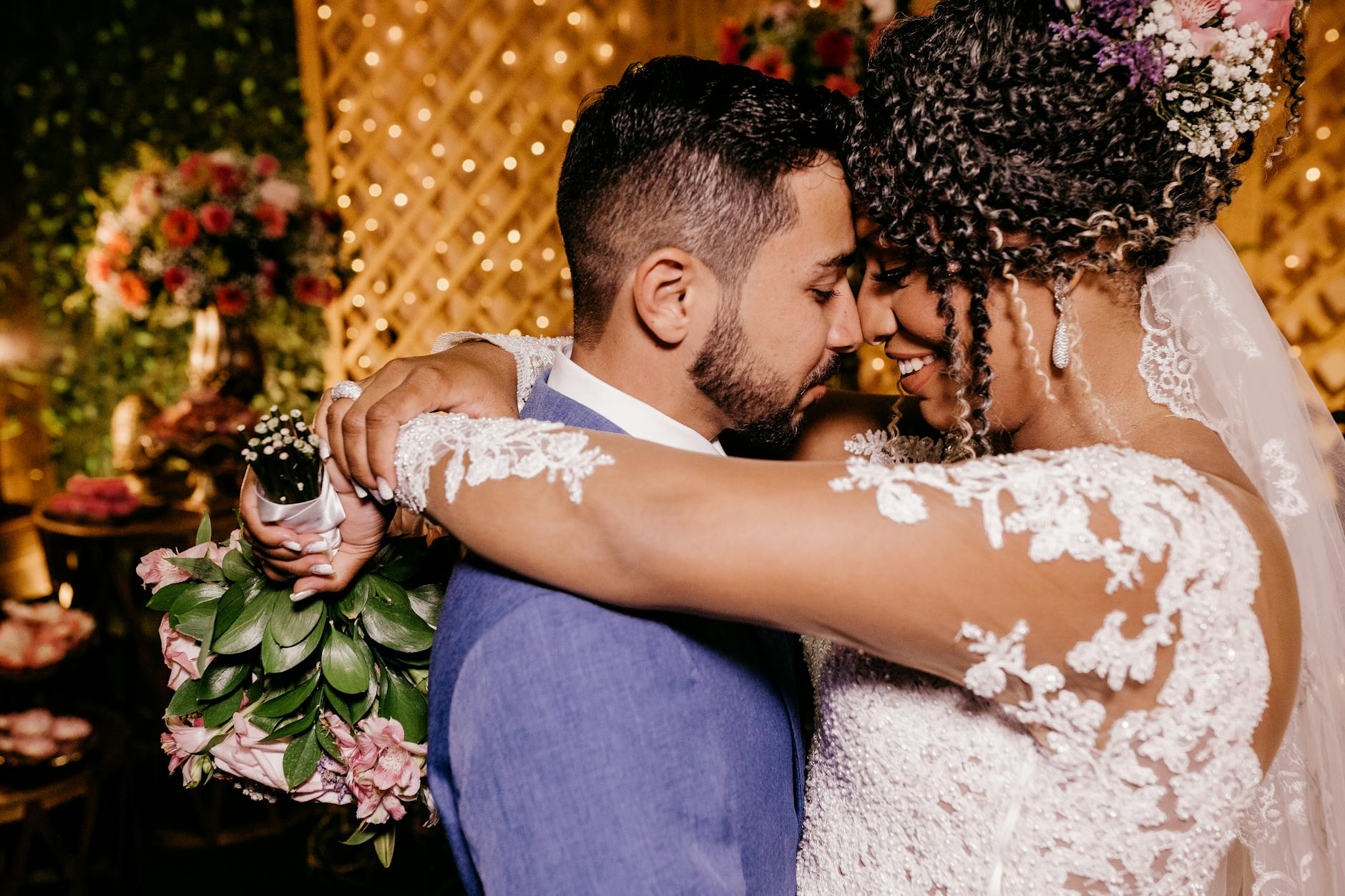
When you actively practice expressing gratitude marriage, you're not just being polite; you're fundamentally shifting the emotional climate of your relationship. It’s like adding sunshine to a perpetually cloudy day.
Boosting Connection and Intimacy
Feeling seen and appreciated is a core human need. When your spouse expresses gratitude towards you, it creates a powerful sense of validation. This positive reinforcement strengthens your bond and makes you feel more connected. It’s a direct pathway to deeper intimacy, fostering a sense of belonging and safety within the partnership.
Creating a Positive Feedback Loop
Think about how good it feels when someone genuinely thanks you for something. It makes you want to do more of that thing, right? The same applies in marriage. When you show appreciation, your spouse is more likely to continue those behaviors that you value. This creates a virtuous cycle of positive interactions, making your marriage a more enjoyable place to be for both of you. This is a key element of building positive marriage habits.
Building Resilience During Tough Times
No marriage is perfect. There will be challenges, disagreements, and stressful periods. However, a foundation of gratitude acts as a powerful buffer. When you have a reservoir of appreciation for your partner, it's easier to weather storms. You remember why you fell in love and the good qualities that still exist, even when things are difficult. This is why couples gratitude practice can be so effective in strengthening the marriage gratitude rituals.

Practical Ways to Cultivate Gratitude in Your Marriage
Okay, so we know gratitude is important. But how do you actually *do* it, especially when you're feeling overwhelmed or taken for granted yourself? It’s less about grand pronouncements and more about consistent, small actions.
The Power of a Simple "Thank You"
This might sound obvious, but it's often overlooked. A sincere "thank you" for everyday tasks – making dinner, taking out the trash, listening to you vent – can make a world of difference. Don't just say it; mean it. Look them in the eye. Add a specific detail: "Thank you for making that delicious lasagna tonight; I was so tired and it was a lifesaver." This is a fundamental aspect of showing appreciation spouse.
Verbal Affirmations
Make it a point to verbally acknowledge something you appreciate about your spouse at least once a day. It could be a compliment on their appearance, their sense of humor, or their intelligence. These small affirmations build up over time.
Written Notes of Appreciation
Leave a sticky note on the bathroom mirror, a text message during the day, or a short note tucked into their lunch bag. A physical reminder of your appreciation can be incredibly impactful. This is a wonderful way to practice showing appreciation spouse, even when you're apart.
Acts of Service as Expressions of Gratitude
Sometimes, the best way to show you're thankful is to take something off their plate. If you know your partner has a busy week ahead, surprise them by tackling a chore they usually handle. This demonstrates that you notice their efforts and want to contribute to their well-being.
Anticipating Needs
This goes beyond just doing chores. It's about noticing what your partner needs before they even ask and stepping in. Did they have a rough day? Have a warm drink ready. Are they stressed about a project? Offer to help with research or proofreading.
Taking Initiative
Don't wait to be asked. If you see something that needs doing and it’s something your partner typically handles, just do it. This proactive approach speaks volumes about your appreciation for their usual contributions.
Quality Time Dedicated to Appreciation
Setting aside dedicated time to focus on gratitude can be incredibly beneficial. This isn't just about talking about problems; it's about actively focusing on the good. This can be a part of your regular reconnecting with partner routine.
Relationship Gratitude Journal
Consider starting a relationship gratitude journal together. Each week, write down three things you appreciate about your spouse and your relationship. Reading these entries back can be a powerful reminder of the positives, especially during challenging times. This is a fantastic way to formalize couples gratitude practice.
Weekly Appreciation Check-in
Dedicate 10-15 minutes each week, perhaps over a cup of coffee or during a quiet evening, to share what you’re grateful for in your marriage. Focus on specific examples rather than generalities. This reinforces the importance of gratitude in marriage.
Overcoming Obstacles to Gratitude
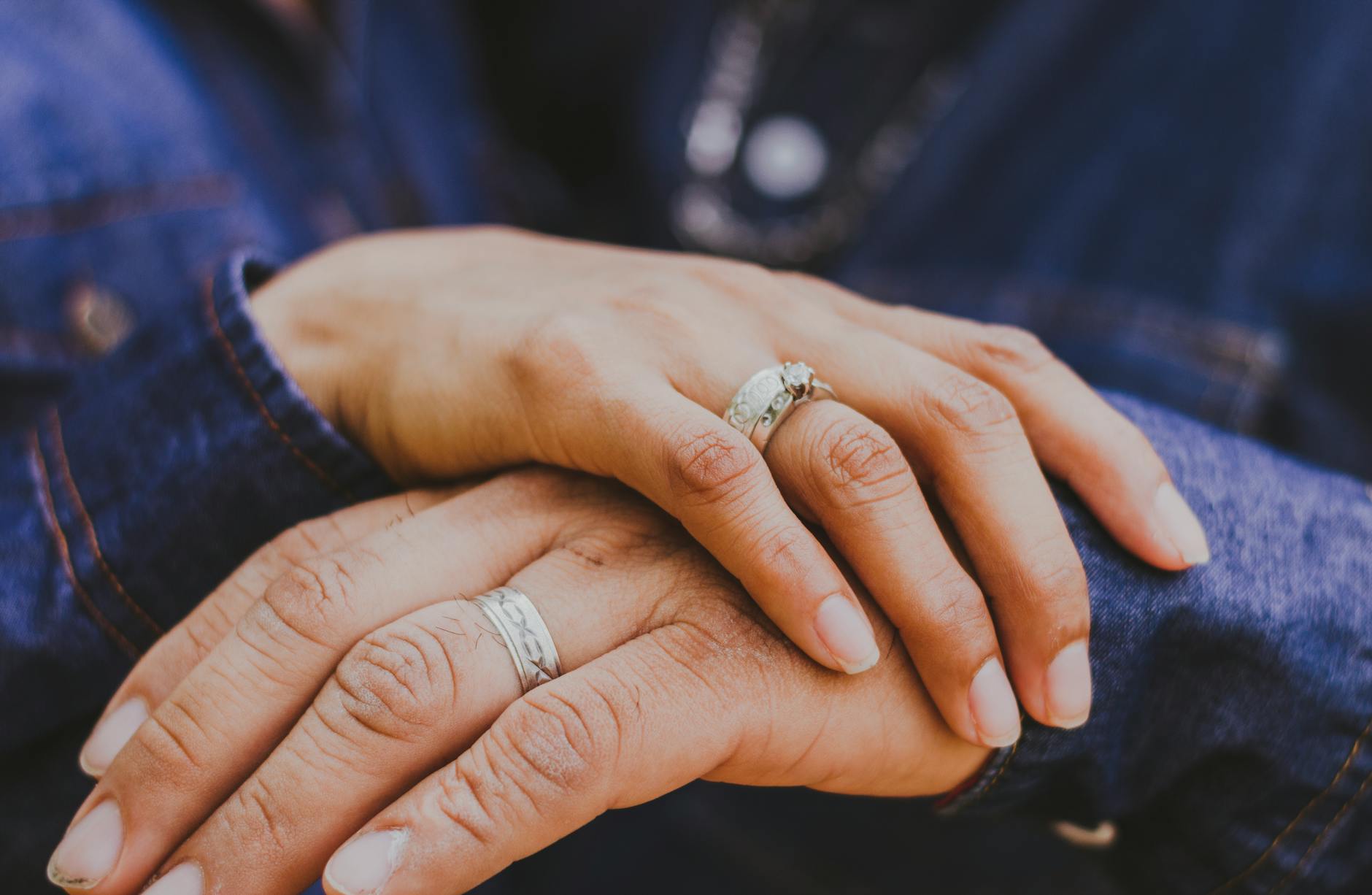
It's not always easy to feel and express gratitude. Sometimes, resentment, stress, or simply bad habits get in the way. Here’s how to push through.
Addressing Resentment
If resentment has built up, genuine gratitude can feel impossible. Before you can truly practice gratitude, you might need to address these underlying issues. Open and honest communication is key here. Sometimes, seeking professional help, like couples counseling, can provide a safe space to work through these feelings.
The Role of Communication in Marriage
Effective communication in marriage is the foundation for addressing resentment. Learning to express your needs and feelings constructively, and actively listening to your partner, can help clear the air and make space for appreciation to grow again. This can also help with relationship anxiety spring, as open communication reduces uncertainty.
Prioritizing Gratitude as Self-Care
Practicing gratitude isn't just good for your partner; it's good for you. It shifts your own perspective towards positivity and can reduce stress. Think of it as essential marriage self-care. When you feel more positive, you’re better equipped to handle the everyday demands of life and your relationship.
Mindfulness and Present Moment Awareness
Cultivating mindfulness can help you notice the small moments of kindness and effort that you might otherwise miss. Being present in the moment allows you to truly see and appreciate what your partner is doing right now.
Making it a Habit, Not a Chore
The goal is to integrate gratitude seamlessly into your daily life, not to make it another item on your to-do list. Start small and be consistent. Over time, these small acts will become second nature, strengthening your marriage bond.
Small, Consistent Efforts
Don't aim for perfection. Aim for progress. A single, heartfelt "thank you" each day is far more effective than an elaborate, infrequent grand gesture. The key is regularity.
Celebrating Small Wins
Acknowledge when you’ve successfully expressed gratitude or when your partner has responded positively to your appreciation. These small victories reinforce the behavior and motivate you to continue.
Beyond the "Thank You": Deeper Levels of Appreciation
While verbal thanks are vital, there are deeper ways to show your spouse you value them. This is where showing appreciation spouse truly shines.
Acknowledging Effort, Not Just Outcome
Sometimes, even when things don't go perfectly, the effort your partner put in is worth recognizing. Did they try their best to fix something, even if it broke again? Did they attempt a new recipe that didn't quite turn out? Appreciate the attempt. This is crucial for building a strong marriage bond.
Celebrating Their Strengths
What are your spouse's unique talents and strengths? Make a conscious effort to acknowledge and celebrate them. "I'm so impressed by how you handled that difficult client" or "You have such a gift for making our kids laugh."
Supporting Their Individual Growth
True appreciation often involves supporting your partner's personal goals and dreams, even if they don't directly involve you. This shows you value them as an individual. This can be particularly relevant when navigating life changes, like when children leave home, as mentioned in empty nest quotes.
Encouraging Hobbies and Interests
Does your spouse have a passion project or a hobby they love? Encourage them to pursue it. Offer to help with practicalities, like watching the kids so they have uninterrupted time, or simply express enthusiasm for their endeavors. This is a powerful form of spousal appreciation.
Forgiveness as an Act of Gratitude
When your spouse makes a mistake, extending grace and forgiveness can be a profound expression of your appreciation for the entirety of who they are. It acknowledges that nobody is perfect and that you value the relationship enough to overlook minor transgressions. This ties into the idea of fairness, similar to how couples approach spring chore division.
Understanding Imperfection
Recognize that your spouse, like you, is human and capable of errors. Choosing to forgive demonstrates that you see their value beyond their mistakes. This can be especially important when dealing with the stress of seasonal changes, like managing allergy relationship strain together.
Ultimately, cultivating gratitude in marriage isn't about a magic bullet or a quick fix. It's a continuous practice, a conscious choice to see the good, acknowledge the effort, and express your heartfelt thanks. It’s the quiet, consistent hum beneath the surface of your daily life, and it’s what truly makes a marriage not just survive, but thrive. The research from The Gottman Institute research on gratitude in marriage consistently highlights its importance in long-term relationship satisfaction. So, start today. Notice something small. Say "thank you." You might be surprised at the profound impact it has.