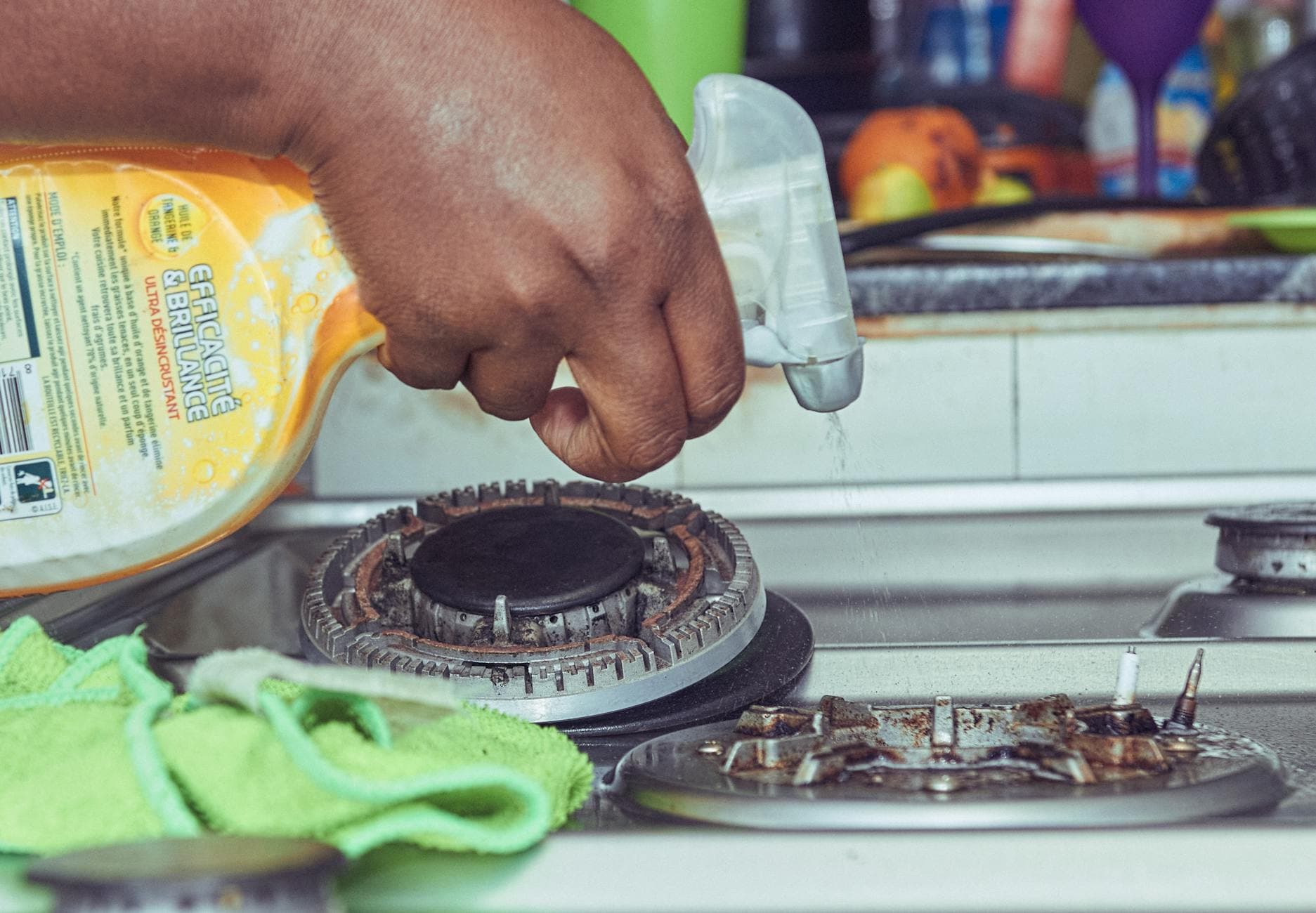
The daffodils are pushing through, the birds are chirping a little louder, and there's that undeniable urge to throw open the windows and let the fresh air in. For many couples, this is also the season for a deep dive into the nitty-gritty of home life, and that often means tackling the dreaded, yet essential, topic of **spring chore division**. I've seen countless couples grapple with this, and honestly, it's a surprisingly common flashpoint for relationship tension. If you're feeling that familiar dread creeping in, you're not alone.
The Spring Cleaning Chore Conundrum
It’s easy to think of spring cleaning as just… cleaning. But when you’re sharing a living space, it morphs into something far more complex: a delicate dance of fairness, communication, and often, buried resentments. This isn't just about scrubbing floors; it's about how you value each other's time, effort, and contributions to the shared household. Getting **spring chore division** right can set a positive tone for the rest of the year.
Why This Season Matters
Spring naturally lends itself to a fresh start. The longer days and milder weather invite us to shed the hibernation-like tendencies of winter and tackle tasks we’ve put off. This collective urge to refresh can be a fantastic opportunity for couples to realign their household responsibilities.
Beyond the Surface-Level Tasks
Think about it. It’s not just about who mops the kitchen. It’s about who manages the grocery lists, who schedules the car maintenance, who handles the mail, who does the deep cleaning of the bathrooms, and who takes out the trash consistently. These are the invisible threads that hold a household together, and their distribution is crucial.
The Pitfalls of Unfair Splitting
I’ve heard it all. The partner who feels like they’re carrying the bulk of the load, the one who feels nagged constantly, the silent resentment that festers. When chores aren't divided fairly, it’s a breeding ground for conflict. This can spill over into other areas of your relationship, impacting intimacy and overall happiness.
The "It's Not My Job" Syndrome
This one is a classic. One partner might genuinely believe certain tasks fall outside their purview, often based on outdated gender roles or simply a lack of proactive engagement. This mindset is a major roadblock to effective **spring chore division**.
The Illusion of Equality
Sometimes, couples *think* they have a fair system, but it’s not truly balanced. Maybe one person does fewer tasks but they are more time-consuming or physically demanding. Or perhaps one person handles all the "invisible" work, like mental load planning, while the other does the visible, "done" tasks. This is where genuine communication becomes paramount.

Crafting Your Couple Chores Spring Strategy
So, how do we move from the stress of spring cleaning to a harmonious partnership? It all starts with a conversation, and then a plan. This isn't about a one-time fix; it's about establishing a sustainable system.
The Art of the Chore Conversation
This needs to be more than a quick chat while you’re both rushing out the door. Schedule dedicated time. Make it a low-pressure environment, perhaps over a nice cup of coffee or during a relaxed evening. The goal is to understand each other's perspectives and needs.
Mapping the Household Workload
Grab a notepad or open a shared document and list *everything*. Seriously, everything. From laundry and dishes to yard work, pet care, bill paying, meal planning, and even the dreaded deep-cleaning tasks like washing windows or cleaning out the garage. Don't leave anything out. This comprehensive list is the foundation for fair chore splitting.
Assessing Time and Energy Commitments
Once you have your master list, discuss how much time and energy each task realistically requires. Be honest! A task that takes one person 30 minutes might take another an hour, depending on skill level or efficiency. This is where you start to see where the imbalances might lie.
Establishing a Fair Chore Splitting System
Fair doesn't always mean 50/50 on every single task. It means a distribution that feels equitable to *both* of you, considering your individual strengths, preferences, and available time. This is where you can get creative.
The "What Do You Actually Mind Least?" Approach
Here's a tactic that often surprises people: instead of assigning tasks, ask each other, "What chore do you find the *least* objectionable?" or "Which of these tasks would you be willing to take on?" Sometimes, people are happy to do a "less desirable" task if it means they don't have to do something they truly loathe. This approach can lead to some unexpected and effective **spring chore division** outcomes.
Leveraging Strengths and Preferences
Do you love organizing? Maybe you’re the designated closet-clearer and pantry-organizer. Does your partner enjoy being outdoors? They might be the natural fit for lawn care and garden tidying. Playing to your strengths not only makes tasks more enjoyable but often leads to better results.
The Rotating Chore Chart
For tasks that are universally disliked or require equal effort, consider a rotating system. You could alternate weekly or monthly. This ensures that neither person is perpetually stuck with the least desirable jobs. This is a fantastic tool for maintaining partner chore balance.

Communication: The Unsung Hero of Spring Chore Division
I cannot stress this enough: communication is the absolute bedrock of a healthy relationship, and it’s especially critical when it comes to household tasks. Without it, even the best-intentioned plans can crumble.
Navigating Relationship Conflict Over Chores
When discussions about chores turn into arguments, it’s usually a sign that underlying issues are at play. Perhaps one partner feels unappreciated, or the other feels constantly criticized. Addressing the *way* you communicate is as important as the chores themselves.
The Power of "I Feel" Statements
Instead of saying, "You never do the dishes," try "I feel overwhelmed when I see a sink full of dishes and I'm the only one addressing it." This focuses on your feelings and experiences without placing blame, making it easier for your partner to hear and respond constructively. This is a crucial skill for managing household workload effectively.
Expressing Needs and Expectations Clearly
Don't assume your partner knows what you need or expect. Be direct and specific. If you need help with a particular task, ask for it. If you have a certain standard for cleanliness, communicate that. This clarity prevents misunderstandings and reduces the likelihood of resentment over chores.
Preventing Resentment Over Chores
Resentment is a silent killer of relationships. It builds up slowly, often from small, seemingly insignificant moments of unfairness or lack of appreciation. Proactive communication and a commitment to fairness are your best defenses.
The Gratitude Factor
When your partner *does* complete a chore, acknowledge it. A simple "Thank you for taking out the trash" or "I really appreciate you cleaning the bathroom" can go a long way. Expressing gratitude relationships is a powerful way to reinforce positive behavior and build goodwill. Think about the last time you genuinely thanked your partner for a household task; if it’s been a while, make that a priority.
Regular Check-ins
Don't let your chore system become stagnant. Life changes, schedules shift, and new tasks emerge. Schedule regular check-ins – perhaps monthly – to discuss how the system is working. Is it still fair? Are there any new challenges? This is where you can course-correct before issues escalate. This helps maintain partner chore balance.
Effective Chore Charts and Tools for Couples
While I’m not a huge fan of rigid, overly complex systems, sometimes a visual aid can be incredibly helpful. An effective chore chart isn't about micromanagement; it's about clarity and accountability.
Beyond the Fridge-Stuck Paper List
There are many modern tools available that can make chore division more manageable and even a little fun.
Digital Chore Apps
There are numerous apps designed specifically for household task management. Many allow you to assign tasks, set deadlines, track completion, and even gamify the process with points or rewards. This can be a great way to add a layer of accountability without feeling like you're constantly nagging.
Shared Calendars and To-Do Lists
For less tech-savvy couples, a shared digital calendar or a simple shared to-do list app can work wonders. You can block out time for specific chores or create recurring tasks that pop up when they're due. This is a practical step towards dividing household tasks efficiently.
When to Seek External Help (or a Deep Clean!)
Sometimes, despite your best efforts, the sheer volume of tasks feels overwhelming. This is where considering external help, like a cleaning service for a deep clean, can be a worthwhile investment in your relationship. It can alleviate immediate pressure and give you both breathing room to re-evaluate your long-term **spring chore division**.
The Mental Load is Real
It's crucial to acknowledge the "mental load" – the invisible work of planning, organizing, and remembering all the tasks that need to be done. Often, one partner carries this disproportionately. When discussing chore division, make sure you're also discussing how this mental load can be shared. Healthline research on spring chore division often highlights this as a key factor in relationship satisfaction.
Reconnecting Through Shared Tasks
Here’s a thought that might surprise you: tackling chores together can actually be a bonding experience. Put on some music, work side-by-side, and chat. It’s a chance to connect, even while you’re scrubbing toilets. This is a simple yet powerful way to reconnecting with partner post-winter, turning a mundane activity into quality time.
**Spring chore division** is more than just an annual task; it's an ongoing conversation and a commitment to partnership. By approaching it with open communication, a willingness to be fair, and a dash of creativity, you can transform this potential source of conflict into an opportunity to strengthen your relationship and create a more harmonious home for both of you. The goal is a system that feels sustainable and appreciated, leading to less stress and more joy.