Are You Truly Free? The Long Road to Narcissistic Abuse Recovery
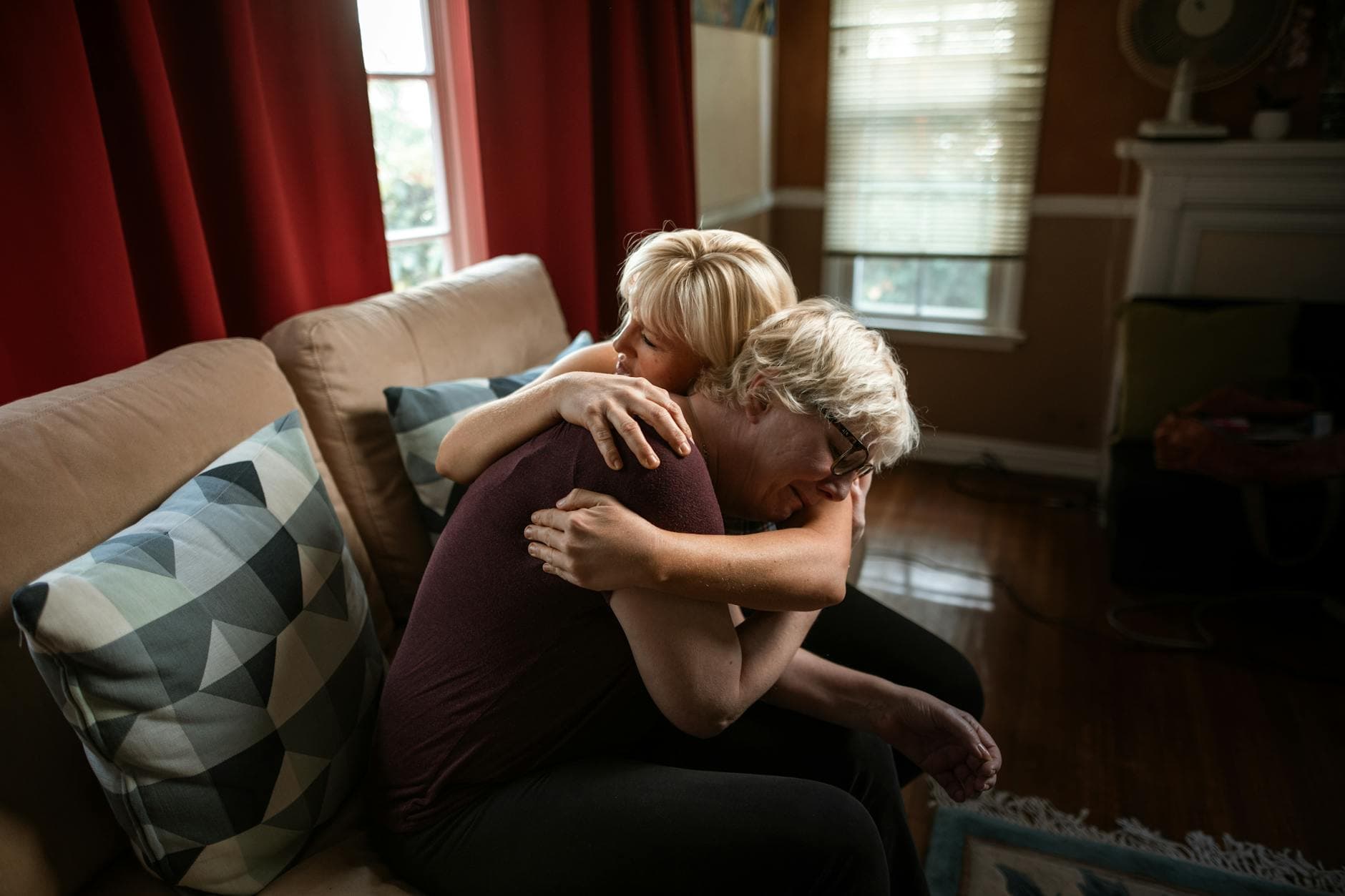
Have you ever felt like you're walking on eggshells, constantly second-guessing yourself, or apologizing for things you didn't even do? If so, you might be further along the path of narcissistic abuse recovery than you realize, and it's a journey many of us have to take. It's a brutal reality when you realize you've been in a relationship where your emotions, needs, and sense of self were systematically eroded.
Understanding the Battlefield: Narcissistic Relationship Abuse Signs
The first step in any recovery is recognizing the problem. This is especially true when dealing with emotional manipulation.
Spotting the Red Flags Early On
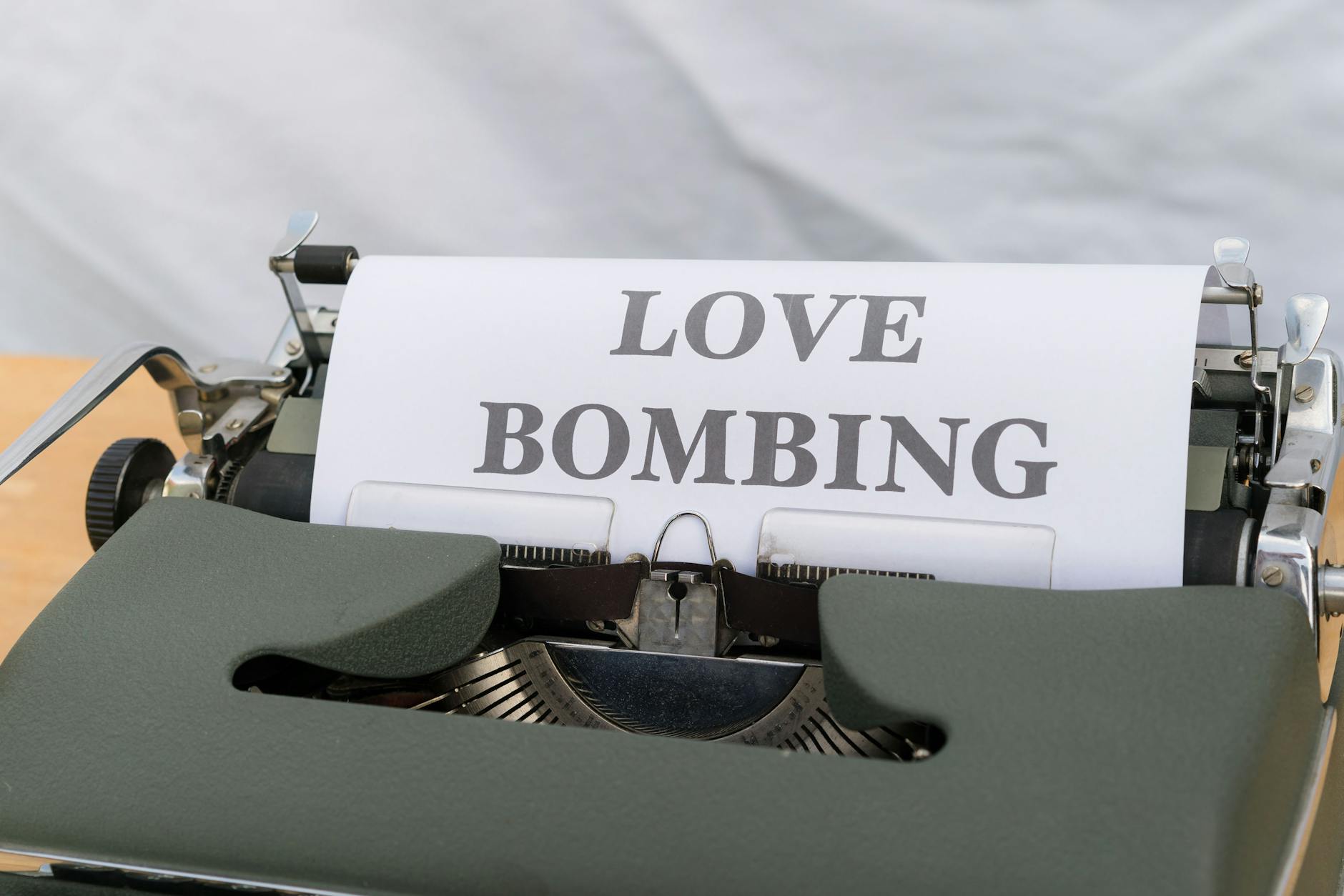
The early stages of a relationship with a narcissist are often incredibly alluring. They'll shower you with affection, attention, and promises – a process often called "love bombing." It's a calculated strategy designed to quickly hook you. You might notice an intense focus on you, feeling like you've met your soulmate. Then, slowly, the cracks appear.
The Subtle Tactics of Emotional Manipulation
Emotional abuse in relationships isn't always obvious. It can be subtle, insidious. Think about the classic signs: gaslighting, where your reality is questioned; triangulation, where a narcissist brings in a third party to create conflict; and silent treatment, a form of punishment and control. These tactics erode your self-esteem and leave you questioning your sanity.
The Cycle of Abuse: Idealization, Devaluation, and Discard
Narcissistic relationships often follow a predictable cycle. The initial idealization phase gives way to devaluation, where the narcissist begins to criticize, belittle, and control you. The final step is often the discard, where you're abruptly cast aside, often for someone new. This cycle is incredibly damaging, leaving lasting scars.
Breaking Free: The First Steps in Surviving Narcissistic Abuse
Escaping a narcissistic relationship is incredibly difficult, but it's absolutely necessary for your mental health.
The Importance of Recognizing the Abuse
This is the hardest part. You've probably noticed that the most significant step is acknowledging the abuse. This means accepting that the behavior you're experiencing isn't normal or healthy, and that you are not to blame. This realization is the cornerstone of your narcissistic abuse recovery.
Establishing Boundaries and Cutting Contact
Setting boundaries is crucial when dealing with a narcissist. This includes limiting contact, refusing to engage in arguments, and protecting your emotional space. For many, the most effective step is complete separation, which can be the most challenging, especially if you've been trauma-bonded to the abuser.
Seeking Support from Trusted Sources
You don't have to go through this alone. Find a therapist specializing in narcissistic abuse, join a support group, or confide in trusted friends and family. A support system can provide validation, guidance, and a safe space to heal.
The Long Climb: Navigating the Challenges of Narcissistic Abuse Recovery
Recovery isn't a straight line; it's a process with ups and downs.
Dealing with the Aftermath: Trauma Bonding and Codependency
Many survivors of narcissistic abuse struggle with trauma bonding, the emotional attachment to the abuser, and codependency, a pattern of putting others' needs before your own. Understanding these dynamics is essential to breaking free. You might find yourself missing the abuser, even though they hurt you.
Rebuilding Your Self-Esteem and Self-Worth
Narcissistic abuse chips away at your sense of self. Rebuilding your self-esteem involves identifying your strengths, setting goals, and practicing self-compassion. This is a journey of rediscovering who you are outside of the relationship.
The Role of Therapy and Professional Help
Therapy is often a vital component of narcissistic abuse recovery. A therapist can help you process the trauma, develop coping mechanisms, and build a stronger sense of self. They can also help you recognize and break free from unhealthy patterns.
My Own Perspective: The Unexpected Turns on the Recovery Road
I used to think that the moment you leave a narcissistic relationship, you're free. I quickly learned that wasn't true.
The Lingering Echoes of Emotional Manipulation
Even after leaving, the emotional manipulation can linger. I found myself second-guessing my decisions, fearing judgment, and struggling to trust my own instincts. It took months of therapy and self-reflection to begin to heal.
The Unexpected Strength I Found Within
Here's the thing: I didn't realize how strong I was until I had to rebuild my life. I had to learn to trust myself again, to set boundaries, and to prioritize my well-being. It wasn't easy, but it was incredibly empowering. I found that I could survive and even thrive.
The Importance of Patience and Self-Compassion
This one surprised me. The most crucial lesson I learned was patience and self-compassion. There were days when I felt like I was back at square one. It was important to give myself grace, to acknowledge the pain, and to keep moving forward.
Moving Forward: Creating a Life Beyond the Abuse
Your future can be bright, even after experiencing narcissistic abuse.
Embracing Healthy Relationships
Once you've healed, you'll be able to build healthy relationships based on trust, respect, and mutual support. This might mean you need to work on anxiety in romantic relationships, or re-evaluate your standards.
Learning to Trust Your Intuition Again
Narcissistic abuse can make you doubt your gut feelings. Reconnecting with your intuition is a key part of recovery. Pay attention to your body's signals, and trust your instincts.
Finding Purpose and Meaning
Healing from narcissistic abuse is an opportunity for growth and self-discovery. You can find purpose and meaning by pursuing your passions, helping others, and creating a life that aligns with your values.
The Road Ahead: Your Journey to Freedom
You've probably noticed that narcissistic relationship signs are not always clear. Recovery from narcissistic abuse is a long and winding road, but it's a journey worth taking. It's a path toward reclaiming your life, your identity, and your happiness.
Think about the last time you felt truly free. What steps can you take today to move closer to that feeling? Remember, you are not alone, and healing is possible. You have the strength within you to break free and create a life of authenticity and joy. You deserve it.