
What if the very thing we fear most in relationships is actually the key to unlocking the deepest connection? Think about it. When you’re truly seen, flaws and all, and your partner still chooses to stay, to cherish you, isn’t that the ultimate validation? This profound realization about vulnerability in relationships has been a game-changer for me, and I’m bursting to share it with you.
The Astonishing Power of Vulnerability in Relationships
I’ll be real with you: for years, I saw vulnerability as a weakness. It felt like handing someone a weapon to hurt me. We're taught to be strong, to put up walls, to keep our cards close to our chest. But here’s the thing I’ve discovered, and it’s utterly fascinating: those very walls we build to protect ourselves are the exact things that keep us from experiencing true intimacy. When we talk about vulnerability in relationships, we’re not talking about oversharing or emotional dumping. We’re talking about the courage to be authentic, to show up as we are, and to let another person see our inner world, even when it feels messy or imperfect.
What Exactly is Vulnerability?
It’s often misunderstood. Many people equate vulnerability with weakness or a lack of control. However, genuine vulnerability is actually a powerful act of courage. It’s about admitting you don’t have all the answers, that you have fears, and that you need connection. It’s the willingness to be exposed, not to be hurt, but to be truly known.
The Fear Factor
Why is expressing vulnerability so terrifying for so many of us? Childhood experiences, past heartbreaks, societal pressures – they all play a role. We internalize messages that ‘toughing it out’ is the way to survive, and showing our softer side is an invitation for pain. This fear of vulnerability can cripple our ability to form deep, meaningful bonds.
Vulnerability as the Foundation
At its core, vulnerability in relationships is the bedrock upon which trust is built. Without it, connection remains superficial. It’s the willingness to share your fears, your insecurities, your hopes, and your dreams, even when you’re terrified of judgment or rejection. This is where real intimacy begins to blossom.

Navigating New Relationship Vulnerability
Ah, the early days of a new relationship! It’s a thrilling, exhilarating time, filled with possibility and, let’s be honest, a healthy dose of anxiety. This is precisely where the concept of new relationship vulnerability becomes so crucial. How do you decide what to share, and when? How do you gauge if the other person is safe enough to open up to? This dance of early relationship communication can feel like walking a tightrope.
The Art of Gradual Unfolding
You don’t need to spill your entire life story on the first date. That’s not healthy vulnerability; that’s oversharing. Instead, focus on a gradual unfolding. Share small pieces of yourself – a funny anecdote about your day, a passion you have, a childhood memory that shaped you. Observe how your potential partner responds. Do they listen attentively? Do they share something of themselves in return? This reciprocal sharing is key to building trust new relationship.
Testing the Waters of Emotional Intimacy Dating
Emotional intimacy dating is about more than just shared interests; it’s about shared feelings. When you’re starting to explore emotional intimacy dating, try asking open-ended questions that invite more than a yes or no answer. Instead of "Did you have a good day?", try "What was the most interesting part of your day?" or "What's something that made you laugh recently?" Their responses, and your own willingness to share similarly, will reveal a lot.
When to Open Up in a New Relationship
There’s no magic timeline for when to open up in a new relationship. It’s more about reading the room, or rather, reading the person. When you sense a genuine curiosity and a safe space being created, that’s your cue. It might be after a few dates, or a few weeks. The important thing is that the sharing feels mutual and reciprocated. I remember a time when I was dating someone new, and after a particularly lovely evening, I felt a pull to share a minor insecurity I had. They didn't just listen; they shared a similar feeling. It was a small moment, but it felt huge, like a door creaking open.

The Courageous Act of Expressing Vulnerability
Let’s talk about the actual *doing* of it. Expressing vulnerability isn’t always easy, even in established relationships. It requires intention and practice. It means choosing to speak your truth, even when your voice shakes a little. It’s about showing up authentically, not performatively. I’ve seen so many people shy away from this, opting for the comfortable silence or the superficial pleasantries, and it always leaves me feeling a pang of sadness for the connection they’re missing.
Speaking Your Truth, Gently
When you decide to express vulnerability, the 'how' is just as important as the 'what'. Frame your feelings using "I" statements. Instead of saying "You always make me feel ignored," try "I feel a bit overlooked when we're in a group and I don't get a chance to speak." This approach focuses on your experience without assigning blame, making it easier for your partner to hear and respond constructively. This is foundational for healthy relationship boundaries.
The Role of Non-Verbal Cues
It’s not just about the words we use. Our body language speaks volumes. When expressing vulnerability, try to maintain eye contact, soften your posture, and avoid defensive gestures like crossing your arms. These non-verbal cues signal openness and a willingness to connect, reinforcing the verbal message of trust and authenticity. This is part of building an authentic connection dating.
When Vulnerability Isn't Received Well
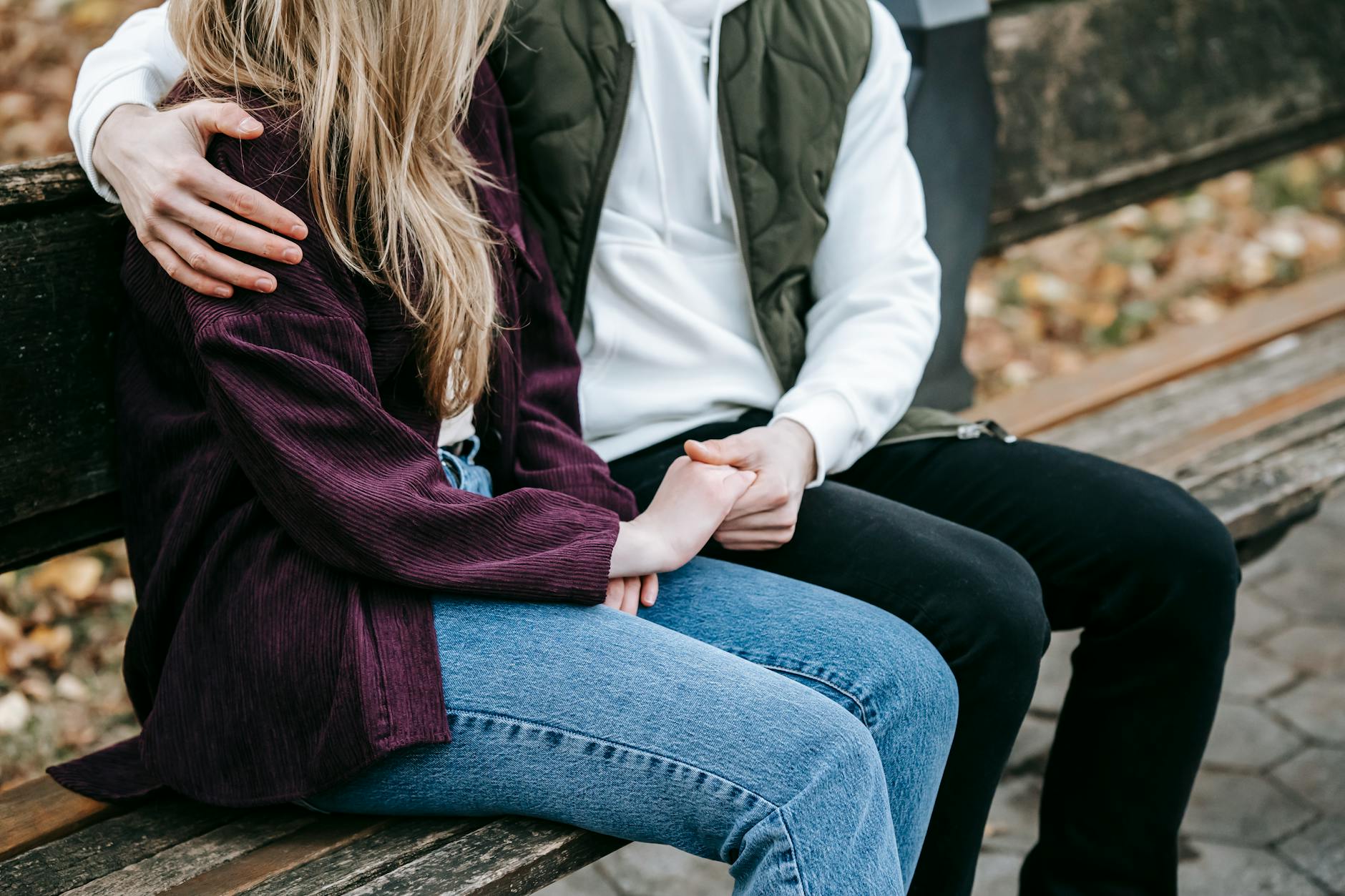
This is a tough one, and it’s important to acknowledge. Sometimes, despite our best efforts, our vulnerability might not be met with the understanding we hope for. This doesn't necessarily mean *you* did something wrong. It might reflect your partner's own fear of vulnerability or their communication style. In such cases, it’s vital to assess whether the relationship can provide the safety you need. As Psychology Today research on vulnerability in relationships often highlights, mutual respect for each other's emotional landscape is critical.
Overcoming the Fear of Vulnerability
This is the big hurdle for so many. The fear of vulnerability can feel like an insurmountable wall. It’s a deeply ingrained defense mechanism, built over years of perceived threats. But just like any fear, it can be understood and, with conscious effort, managed. I used to be terrified of letting my guard down, convinced that any crack in my armor would be exploited. This one surprised me: the more I practiced, the less potent the fear became.
Understanding Your Triggers
What specifically makes you feel vulnerable? Is it criticism? Rejection? Being misunderstood? Identifying these triggers is the first step to managing the fear. Once you know what sets you off, you can develop strategies to cope. For example, if criticism is a trigger, you might practice by sharing minor opinions and observing that the world doesn't end.
The Power of Small Steps
You don't have to leap into the abyss. Start small. Share a minor worry with a trusted friend. Express a preference you usually keep to yourself. These tiny acts of courage build resilience and prove to yourself that you can handle feeling a bit exposed. Each successful small step makes the next one a little less daunting. This gradual approach is vital when you’re thinking about Vulnerable Dating: Connect Deeper This Spring.
Seeking Support When Needed
If the fear of vulnerability is significantly impacting your relationships, don't hesitate to seek professional help. Therapists are trained to help individuals explore the roots of their fears and develop healthier coping mechanisms. Healthline research on vulnerability in relationships often points to the benefits of therapy in overcoming deep-seated anxieties that prevent authentic connection.

Vulnerability in Dating: Building Authentic Connections
When we talk about dating, the goal is almost always to find an authentic connection. We want to find someone who sees us, loves us, and accepts us, quirks and all. And guess what? The most direct path to that kind of deep, lasting connection involves embracing vulnerability in dating. It’s the secret sauce, the magic ingredient that transforms surface-level interactions into profound bonds.
Beyond the First Impression
First impressions are important, yes, but they are often curated versions of ourselves. True connection happens when we move beyond the polished exterior. Sharing a moment of self-doubt, admitting you’re nervous, or revealing a past mistake (appropriately, of course) can be far more connecting than a flawless anecdote. This is about sharing feelings new partner will cherish.
Reciprocity is Key
Vulnerability isn't a one-way street. For it to foster authentic connection dating, it needs to be a dance. As you share, pay attention to whether your date is also opening up. If you’re sharing your fears, are they sharing theirs? If you’re sharing your dreams, are they sharing theirs? This mutual exchange is what builds a strong foundation, akin to the principles of Couple Conflict Resolution: Spring Renewal for Stronger B... where understanding each other’s perspective is paramount.
When Your Partner is Vulnerable
What do you do when the person you're dating opens up to you? This is a critical moment. Your response can either deepen the connection or shut it down. Listen with empathy. Validate their feelings, even if you don't fully understand them. Avoid judgment or trying to "fix" them. Simply being present and receptive to their vulnerability is often the most powerful gift you can give. This is how you start repairing trust after a fight, as highlighted in advice on Repairing Trust After Fight: Spring Renewal for Couples.
The Long-Term Rewards of Embracing Vulnerability
Let’s zoom out for a moment. What are the lasting benefits of cultivating vulnerability in our relationships? It’s not just about surviving the early dating stages; it’s about thriving throughout the entire lifespan of a connection. The Gottman Institute research on vulnerability in relationships consistently shows that couples who can express their needs and fears openly and respond supportively to their partner's vulnerability have stronger, more resilient partnerships.
Deeper, More Meaningful Bonds
When you allow yourself to be truly seen, you invite deeper connection. Your partner gets to know the real you, not just the version you present to the world. This leads to a level of intimacy and understanding that is incredibly fulfilling. It’s the difference between a casual acquaintance and a soulmate.
Enhanced Trust and Security
The more you practice vulnerability and see that your partner responds with care, the more trust you build. This creates a sense of security within the relationship, knowing that you can be your authentic self without fear of repercussions. This security is a cornerstone for long-term happiness, much like the goals discussed in Marriage Goals Spring: Rekindle Fun & Connection.
Resilience in the Face of Challenges
No relationship is without its difficulties. When challenges arise, the foundation of vulnerability and trust you've built allows you to navigate them together. You can express your struggles, lean on each other, and find solutions collaboratively. This shared experience of overcoming adversity only strengthens the bond further, aligning with principles of Couple Resolutions: Spring Tips for a Happier Marriage.
So, here’s my final thought: vulnerability isn't the opposite of strength; it is, in fact, its most profound expression. It's the courage to be imperfect and the willingness to be loved for it. It’s the path to truly authentic connection, the kind that nourishes the soul and makes life, and love, infinitely richer. Dare to be seen. Dare to be loved.