
I'll be real with you – for years, I completely missed the connection between my son’s allergies and his sudden, explosive mood swings. I thought he was just being a difficult kid, especially during that dreaded spring allergy season. I’d sigh, tell him to “calm down,” and wonder why he couldn’t just snap out of it. It wasn't until I saw a child allergy mood swings pattern emerge so clearly, year after year, that I started digging. And what I found completely changed how I approach allergy season for my kids. It turns out, those sniffles and sneezes are often just the tip of the iceberg; beneath the surface can be a whole lot of emotional turmoil that we, as parents, often overlook or misinterpret.
The Hidden Emotional Toll of Allergies in Children
It's easy to focus on the physical symptoms of allergies: the itchy eyes, the runny nose, the constant sneezing. We stock up on antihistamines, wipe away tears, and maybe even dread the arrival of pollen. But what about the less visible, yet equally impactful, effects? Allergies can profoundly affect a child’s mood and behavior, leading to what many parents describe as child allergy mood swings. This isn't just about a child being "cranky"; it's a complex interplay of physical discomfort, sleep disruption, and chemical reactions in the body that can trigger significant emotional shifts. Understanding this connection is the first, and perhaps most crucial, step in helping our children navigate these challenging periods.
When Sneezes Turn into Tantrums
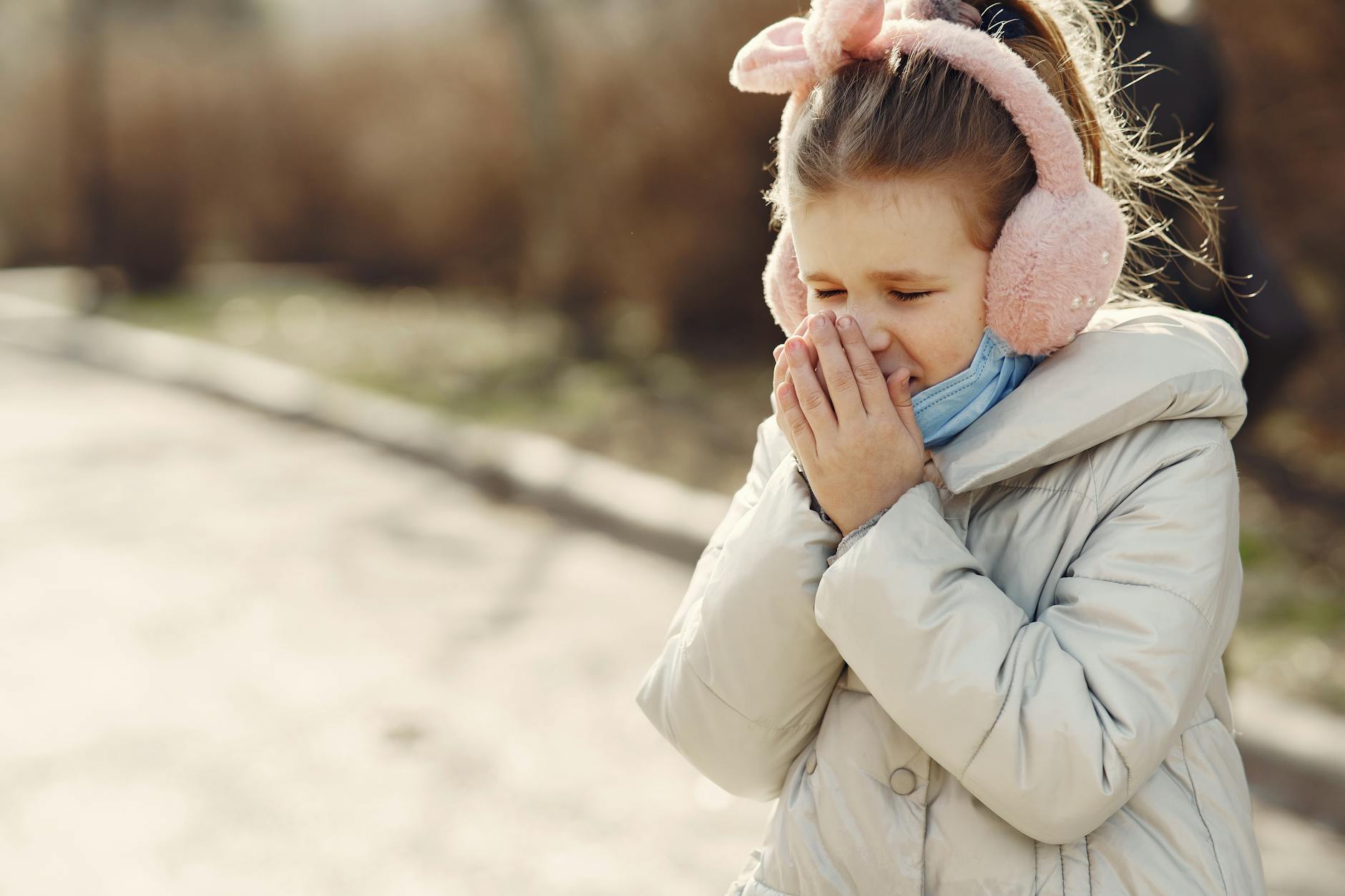
You’ve probably seen it. One minute your child is playing happily, the next they’re on the verge of tears over a dropped crayon. This sudden shift from contentment to distress can be baffling. Seasonal allergies in children irritability often manifests as a lower threshold for frustration. Their bodies are working overtime to fight off allergens, and this constant internal battle can leave them feeling drained and on edge.
The Vicious Cycle of Discomfort and Distress
Imagine trying to concentrate on a fun activity when your nose is constantly itching and your throat feels scratchy. It’s impossible! For children, this persistent physical discomfort can translate directly into emotional distress. They might become more clingy, more demanding, or more prone to outbursts because they simply don't have the energy or capacity to cope with everyday frustrations as they normally would.
The Link Between Histamine and Mood
Here's something that surprised me: histamine, the chemical your body releases during an allergic reaction, doesn't just affect your nose and eyes. It can also impact your brain. Histamine plays a role in regulating sleep-wake cycles, alertness, and even mood. When histamine levels are high due to allergies, it can disrupt these functions, leading to irritability, anxiety, and even changes in attention span. This isn't just a parent's intuition; there's actual science behind why allergies and behavior in children can be so closely linked.
Histamine's Role in the Brain
Think of histamine as a neurotransmitter, similar to serotonin or dopamine. When allergens trigger its release, it can flood the brain, interfering with normal signaling pathways. This can make a child feel agitated, restless, and generally unwell, making it incredibly difficult for them to regulate their emotions.

Decoding the Symptoms: Beyond the Sniffles
It's vital to learn to recognize the less obvious signs that allergies might be impacting your child's mood. Often, these behavioral changes are mistaken for typical childhood defiance or a bad day. However, when these mood shifts coincide with allergy season, a pattern begins to emerge.
Recognizing Behavioral Clues
Are you noticing an increase in whining, short tempers, or a general lack of patience from your child? Do they seem more sensitive to noise or sudden movements? These can all be subtle indicators that their body is struggling with allergens. You might also see a decrease in their usual enthusiasm for activities they once loved, a sign that they simply don't have the energy to engage.
When Irritability Becomes the Norm
Seasonal allergies children irritability can become so pronounced that it feels like a permanent state. Parents often report that their children are just "not themselves" during peak allergy times. This constant state of heightened sensitivity can be exhausting for both the child and the parent, creating a challenging family dynamic.
The Impact of Poor Sleep on Mood
One of the most significant, yet often overlooked, contributors to mood swings is sleep disruption caused by allergies. Nasal congestion child behavior can be directly linked to poor sleep. When a child can't breathe easily through their nose, they may experience frequent awakenings, restless sleep, or even snoring. This chronic sleep deprivation, even if it's just a few hours less per night, has a profound impact on a child's emotional regulation and overall mood.
Tossing and Turning: The Allergy Sleeper
Children with allergies often struggle to find a comfortable sleeping position. They might wake up coughing, gasping for air, or simply feeling unrested. This lack of quality sleep makes it incredibly difficult for their brains to process emotions, leading to heightened irritability and difficulty concentrating the next day.
Strategies for Managing Child Allergy Mood Swings
Once you understand the link between allergies and mood, you can start implementing strategies to help. It's about addressing the root cause – the allergies – while also providing support for the emotional fallout. This requires a multi-pronged approach, focusing on both medical management and emotional care.
Working with Your Pediatrician
The first step is always to consult with your pediatrician or an allergist. They can help diagnose specific allergies and recommend appropriate treatment plans. Don't hesitate to discuss your observations about your child's mood and behavior. Pediatric allergy treatment options are varied and can make a significant difference.
Identifying the Culprits
Understanding what your child is allergic to is key. Is it pollen allergies children are experiencing most heavily during spring? Or is it something else? Accurate diagnosis allows for targeted treatment, which can alleviate not only the physical symptoms but also the associated mood changes.
Beyond Medication: Supporting Emotional Well-being
While medication can be crucial, it’s not the only solution. Supporting your child’s emotional regulation in children is equally important, especially during allergy season. This is where parental emotional support for spring growth spurts becomes incredibly relevant, as it highlights the need for consistent care during developmental and challenging times.
Creating a Calm Environment
Try to minimize other stressors during allergy season. This might mean adjusting your family's schedule, ensuring quiet downtime, and being extra patient. Simple things like creating a calming bedtime routine can make a big difference when a child is already feeling overwhelmed.
The Power of Connection and Validation
When your child is struggling, validate their feelings. Instead of saying "Don't be upset," try "I see you're feeling really frustrated right now." This simple act of acknowledgement can go a long way in helping them feel understood. Spending quality time together, even just reading a book or playing a quiet game, can strengthen your bond and provide a sense of security.

When to Seek Professional Help
While many cases of child allergy mood swings can be managed with home strategies and medical advice, there are times when more significant support is needed. If your child's mood changes are severe, persistent, or significantly impacting their daily life and relationships, it's time to seek professional guidance.
Signs That It’s More Than Just Allergies
If you notice extreme sadness, persistent anxiety, significant changes in appetite or sleep patterns that don't improve with allergy management, or if your child expresses thoughts of self-harm, these are serious red flags. The National Institute of Mental Health (NIMH) offers resources for understanding and addressing mental health concerns in children.
Navigating Behavioral Challenges
A child psychologist or therapist can provide invaluable tools for both you and your child. They can help your child develop coping mechanisms for dealing with the discomfort of allergies and the emotional distress it causes. They can also offer parenting strategies for allergy season that are tailored to your family's specific needs.
The Role of Pediatric Allergy Treatment Options
It’s worth reiterating that effective pediatric allergy treatment options can be game-changers. Whether it's prescription antihistamines, nasal sprays, or even allergy shots (immunotherapy), finding the right medical approach can significantly reduce the physical symptoms that trigger mood changes. Don't be afraid to advocate for your child and explore all available avenues with your doctor.
Embracing Allergy Season with Empathy
I used to dread allergy season, not just for the sneezing but for the emotional rollercoaster it brought. Now, I approach it with a different mindset. I understand that my child's irritability isn't a personal attack, but a symptom of his body fighting a battle. This understanding has fostered more patience, more empathy, and ultimately, a stronger connection with my son.
Building Resilience Through Understanding
By recognizing the intricate link between allergies and behavior in children, we empower ourselves to respond with care rather than frustration. We can help our children build resilience by teaching them to recognize their own physical cues and by providing them with the tools and support they need to manage both their physical and emotional well-being.
A Season of Growth, Not Just Allergens
Think about the last time you felt unwell. It’s hard to be cheerful and patient when you're not feeling your best. Our children are no different. By addressing the root cause of their discomfort and offering unwavering support, we can help them navigate allergy season not just as a time of physical challenge, but as an opportunity for growth and learning. This journey, though sometimes difficult, ultimately strengthens our bond and helps our children develop crucial skills in emotional regulation in children and self-care.