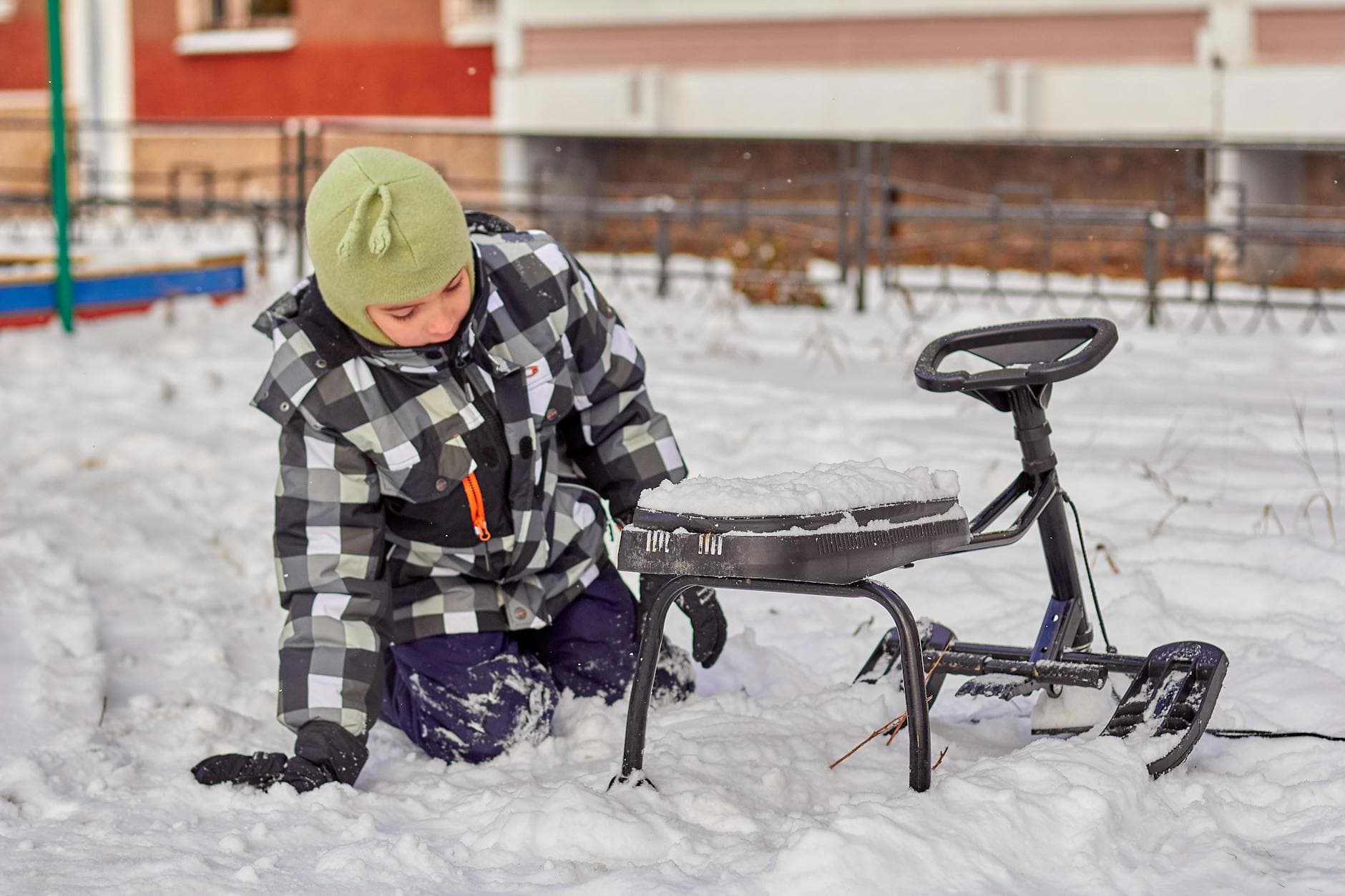
Remember that feeling when you woke up as a child, looked out the window, and saw a world blanketed in pristine white snow? Maybe it was pure elation, or perhaps (if you’re being honest) a slight groan from your parents knowing a day of unexpected indoor confinement was ahead. As a child development expert and a parent myself, I’ve seen both sides of that snowy coin. But here's the thing: a snow day, far from being a disruption, is a profound gift. It's an unparalleled opportunity for deep, meaningful American Psychological Association research on creative indoor play snowy days, fostering imagination and critical skills right in your living room.
I've spent years helping families navigate these spontaneous days, transforming potential chaos into cherished memories. The key isn't just "keeping them busy"; it's about intentional engagement, about providing the space and prompts for truly creative indoor play snowy days.
Embracing the Snow Day Opportunity: More Than Just a Day Off
The Hidden Benefits of Unstructured Play
When the world outside turns into a winter wonderland, forcing us indoors, it inadvertently creates a unique environment for growth. Unstructured play, which snow days almost demand, is absolutely vital for child development. It’s not about following rules or achieving a specific outcome; it’s about exploration, problem-solving, and self-direction. Kids learn to create their own fun, a skill that pays dividends long after the snow melts.
Think about it: when children are left to their own devices, even for short periods, their brains light up with ingenuity. They connect disparate ideas, test boundaries, and develop their own internal compass for play. This kind of freedom is a powerful antidote to the often over-scheduled lives many children lead.
Shifting Your Perspective: From Chore to Child Development Activity
I used to think a snow day meant a day of constant entertainment from me. I'd exhaust myself trying to be the "fun parent," only to end up stressed and with bored kids. The shift came when I realized my role wasn't to entertain, but to facilitate. My job was to set the stage, offer a few prompts, and then step back. This simple change in perspective revolutionized our snowy days. It transformed them from a parental chore into a rich tapestry of child development activities, fostering independence and creativity.
It's an opportunity to truly lean into the moment, to see the world through their eyes. This perspective shift is crucial for making the most of indoor winter activities children can truly benefit from.
Why Screen-Free Kids Activities Matter So Much
Look, I get it. The temptation to hand over a tablet on a snow day is real. It offers instant quiet, a moment of peace. But here's the thing: those moments are often fleeting, and they don't build the deeper cognitive and emotional muscles that truly engaging play does. Screen-free kids activities, especially on a snow day, are gold. They encourage active engagement with the physical world, peer interaction, and the development of imagination – skills that screens simply can't replicate.
It's about creating a balance. While a little screen time isn't the end of the world, prioritizing hands-on, interactive experiences during these unique indoor days is a non-negotiable in my book for healthy development.
Setting the Stage for Imagination: Creating the Right Environment
Decluttering and Defining Play Zones
Before the creative storm, there's a calm. A slightly tidied space can make a world of difference. You don't need a perfectly pristine house, but clearing a few surfaces or a corner of the room signals to children that this is a space for creation. I've found that even just pushing furniture to the walls creates a sense of open possibility.
Defining "play zones" can also be incredibly helpful, especially with multiple children. Maybe the living room is the "building zone," and the dining room table is the "crafting station." This can reduce squabbles and help focus energy.
The Power of Open-Ended Materials
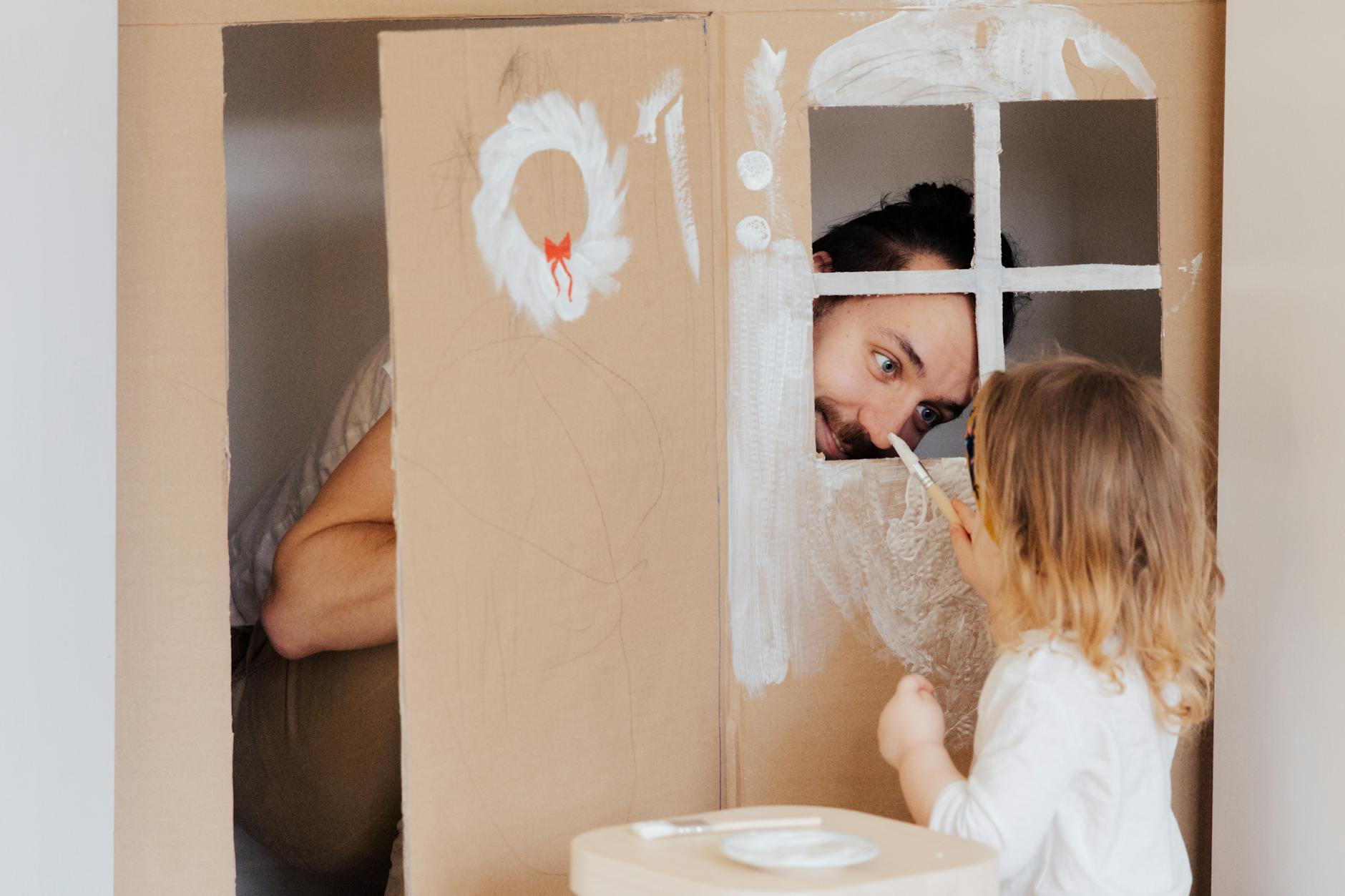
This is where the magic truly begins. Forget expensive, single-purpose toys. The best tools for creative indoor play snowy days are often the simplest: cardboard boxes, blankets, pillows, old clothes, paper, tape, string, natural elements like pinecones (if you gathered them before the snow!), and even kitchen utensils. These are the building blocks of imagination.
Open-ended materials allow children to project their own ideas onto them, transforming a cardboard tube into a telescope, a sword, or a tunnel for tiny cars. This flexibility is key to sustained engagement and fosters true ingenuity. They are the backbone of great snow day activities for kids.
Involving Children in the Setup: Toddler Snow Day Activities Indoor
Even toddlers can be part of setting up their play space. "Can you help me get the blankets for our fort?" "Let's find all the soft pillows!" Giving them a role, however small, immediately invests them in the activity. For toddler snow day activities indoor, this participation is even more critical.
It teaches them ownership and collaboration, two crucial social-emotional skills. Plus, a little prep work together can build anticipation and excitement for the fun to come.
Sparking Joy with Sensory and Fine Motor Play (My Personal Favorite)
Simple Sensory Play Ideas for All Ages
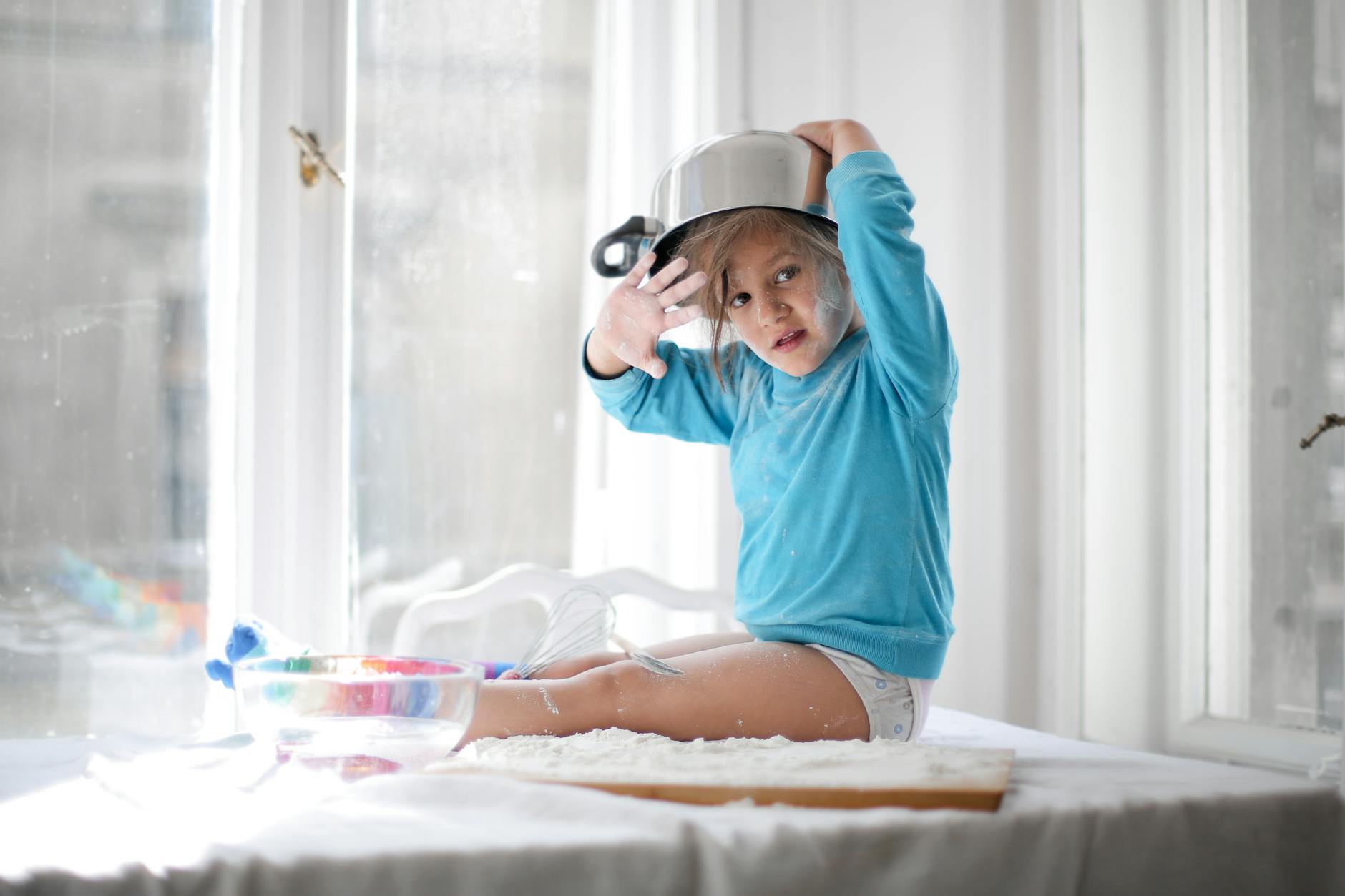
Sensory play is a powerhouse for development, engaging multiple senses and supporting cognitive growth. And it doesn't have to be complicated! A bin of dried pasta, rice, or even cotton balls (to mimic snow!) with scoops, cups, and small toys offers hours of exploration. You can add a few drops of essential oil for a scent experience, or food coloring to rice for visual appeal.
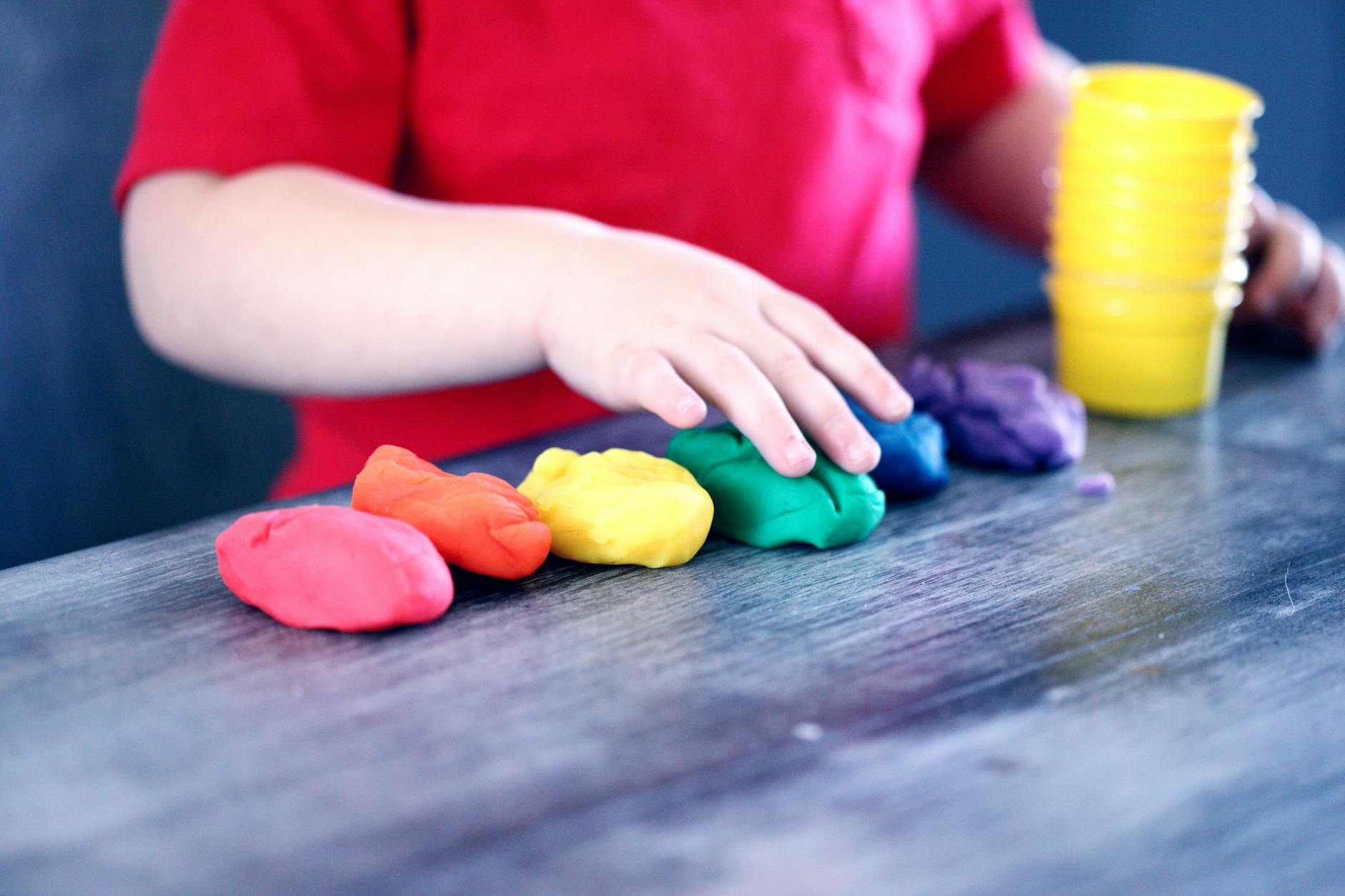
Another fantastic option is homemade playdough. The kneading, rolling, and shaping is incredibly calming and stimulating. These Psychology Today research on creative indoor play snowy days sensory play ideas are perfect for keeping little hands and minds busy.
Fine Motor Skills Games That Don't Feel Like Work
Developing fine motor skills is crucial for everything from writing to self-care, and snow days are a prime time to practice without pressure. Threading beads onto pipe cleaners, cutting paper shapes (even just strips!), building with LEGOs or Duplos, or manipulating playdough are all excellent fine motor skills games. For older kids, assembling a puzzle or even knitting/crocheting can be wonderfully engaging.
One simple trick: give them a pair of child-safe tweezers and a bowl of cotton balls, then challenge them to transfer the cotton balls to another bowl using only the tweezers. It's surprisingly absorbing!
Preschool Indoor Activities Winter Wonders
Building a Fort City
This is a classic for a reason. Blankets, pillows, chairs, and clothespins can transform a living room into a magical fort city. Encourage them to plan out different "rooms" or "buildings" – a library fort, a kitchen fort, a bedroom fort. This is excellent for spatial reasoning and collaborative play, making it one of the best preschool indoor activities winter can offer.
The process of building is as important as the finished product. Let them problem-solve when a blanket falls or a chair isn't quite right. My kids once spent an entire afternoon building a multi-room fort for their stuffed animals. This one surprised me with how much it fostered their connection and teamwork.
Indoor Snowball Fight (Soft Materials)
Who says you can't have a snowball fight indoors? Gather all the softest materials you have: balled-up socks, crumpled paper, cotton balls, or even soft scarves. Clear a space, set up some "forts" with pillows, and let the gentle chaos begin. This is a fantastic energy burner and a wonderful way to release some pent-up snow day energy without breaking anything (hopefully!). It’s a truly fun indoor game snowy day staple.
The Art of Storytelling and Pretend Play: Imagination Unleashed
Crafting Characters and Narratives
Give children a few simple prompts, and watch their stories unfold. "Imagine a tiny mouse who lives behind the bookshelf..." or "What if all your stuffed animals suddenly came to life and wanted to throw a party?" These simple starting points can ignite incredible Healthline research on creative indoor play snowy days imagination games children absolutely thrive on.
You can even make simple puppets from paper bags or socks. Creating a puppet show with a homemade stage (a cardboard box works perfectly!) encourages narrative development, voice modulation, and public speaking skills without any of the pressure.
The Magic of Dress-Up and Role-Playing
A box of old clothes, scarves, hats, and accessories is an endless source of entertainment. One minute they're a queen, the next a brave knight, then a chef. Role-playing allows children to explore different identities, emotions, and social scenarios in a safe environment. It’s a wonderful way to develop empathy and understanding of the world around them.
You might be wondering, "But where do I keep all these old clothes?" A designated "dress-up box" in a closet or under a bed is all you need. It doesn't have to be elaborate.
Turning Everyday Objects into Props
This is where creativity truly shines. A colander becomes a helmet, a broom becomes a horse, a remote control becomes a powerful magic wand. Encourage children to look at common household items with fresh eyes. Ask them, "What else could this be?" This practice strengthens divergent thinking – the ability to come up with multiple solutions or ideas – which is a cornerstone of innovation.
I've seen a simple mixing bowl become a baby's bath, a treasure chest, and a spaceship helmet all in one afternoon. It's truly incredible what they can conjure.
Boredom Busters and Beyond: Keeping Engagement High
Collaborative Projects: When Kids Work Together
When multiple children are involved, collaborative projects are a fantastic way to keep everyone engaged and practice social skills. Building a giant cardboard tunnel, painting a mural on a long roll of butcher paper, or even creating a "restaurant" where everyone has a role (chef, server, customer) are brilliant ideas. This encourages teamwork, negotiation, and shared accomplishment, vital for Winter Social Skills for Kids.
One specific example: I once challenged my two kids, aged 6 and 8, to build a "machine" that could deliver a small toy car from one side of the room to the other using only recycled materials. They spent nearly two hours, using paper towel rolls, string, tape, and a laundry basket, iterating and problem-solving together. The result wasn't perfect, but the process was priceless.
Introducing "Mystery Boxes" and Themed Challenges
To combat boredom busters for kids, try preparing a "mystery box" in advance. Fill a box with a random assortment of items: a few craft supplies (pipe cleaners, googly eyes), some fabric scraps, an old magazine, a few clothespins, and a prompt like, "Create a creature that lives in the snow" or "Build a vehicle that can travel through a blizzard." The limited, yet varied, materials spark incredible ingenuity.
Another idea is to have a theme for the day. "Today is Arctic Explorer Day!" or "Welcome to the Royal Ball!" This overarching theme can provide a framework for various activities, from drawing to building to role-playing.
Managing Frustration and Resetting Expectations
Let's be real: not every moment of a snow day will be pure bliss. There will be squabbles, moments of frustration, and declarations of "I'm bored!" This is normal. As parents, our role is to help them manage kids winter frustration. Sometimes, a simple redirect or a quiet moment alone is all that's needed. Don't feel pressured to solve every moment of boredom immediately.
Often, a change of scenery (even just moving to a different room) or a quick snack can reset the mood. Remind them that it's okay to feel bored for a bit; sometimes, that's when the best ideas emerge.
My Own Journey: The Unforeseen Power of a Simple Box (Personal Reflection)
Learning from My Kids' Ingenuity
I remember one particularly heavy snow day, years ago, when my kids were quite young. I'd meticulously planned a series of crafts and structured games. They played along for a bit, but their engagement felt forced. Then, the delivery truck came, leaving behind a huge, empty appliance box. I thought, "Great, another thing to break down." But before I could, my then-four-year-old climbed inside.
Within minutes, his older sister joined him. They didn't need instructions from me. That box became a spaceship, then a cave, then a car, then a secret clubhouse. They spent the entire afternoon decorating it, crawling in and out, whispering secrets, and inventing elaborate scenarios. I just sat back and watched.
The Realization of True Engagement
It was a profound moment for me. All my carefully planned activities paled in comparison to the organic, child-led play that unfolded with that simple box. It taught me that sometimes, the best thing we can do as parents is to provide the raw materials and get out of the way. Their creativity wasn't sparked by my ideas; it was sparked by the blank canvas of an empty box and the freedom to imagine.
This experience solidified my belief in the power of open-ended materials and the importance of allowing children to direct their own play. It’s a lesson I carry with me to this day.
A Call for Presence, Not Perfection
That snow day, for me, wasn't about perfect crafts or educational outcomes. It was about connection, about witnessing the pure joy of my children lost in their own world. It was about realizing that my presence, my availability, and my trust in their abilities were far more valuable than any elaborate setup. It was about letting go of the need for perfection and embracing the beautiful mess of childhood.
Practical Tips for Parents: Making It Work for You
Preparing Your "Snow Day Kit" in Advance
A little preparation goes a long way. Have a designated "snow day kit" box or bin ready to go. Fill it with things like: a fresh pack of construction paper, glue sticks, child-safe scissors, pipe cleaners, pom-poms, a deck of cards, a simple board game, some yarn, maybe a few empty toilet paper rolls, and a roll of masking tape. This way, when the snow hits, you're not scrambling for supplies. It makes fun indoor games snowy day ready at a moment's notice.
You can even include a few picture books or chapter books related to winter themes for quiet time.
Embracing Imperfection and Mess
Creative indoor play snowy days, particularly those involving easy craft ideas kids love, often mean a little mess. And honestly, that's okay. Lay down an old sheet or newspaper if you're worried about spills. The joy and developmental benefits far outweigh the need for a spotless floor for a few hours. Acknowledge that the mess is a sign of engagement, a testament to active minds and busy hands.
A quick clean-up routine involving the kids can also be part of the learning process, teaching responsibility and organization.
Knowing When to Step Back (and When to Join In)
This is a delicate balance. Sometimes, your kids need you to be a co-player, an active participant in their imaginative world. Other times, they need you to be a quiet observer, available for questions but allowing them the autonomy to explore. Learn to read their cues. If they're deeply engrossed, step back. If they're struggling or asking for help, offer it. Your presence is a comfort, but your interference can sometimes stifle their own problem-solving.
The goal isn't to entertain them constantly, but to provide the scaffold for them to entertain themselves, to learn, and to grow.
Snowy days, for all their suddenness, offer a profound opportunity. They invite us to slow down, to reconnect with the simple joys of childhood, and to witness the incredible power of a child's imagination. Embrace these days not as interruptions, but as precious moments for deep, creative indoor play. The memories you create, and the skills your children develop, will last long after the snow has melted and the sun returns.