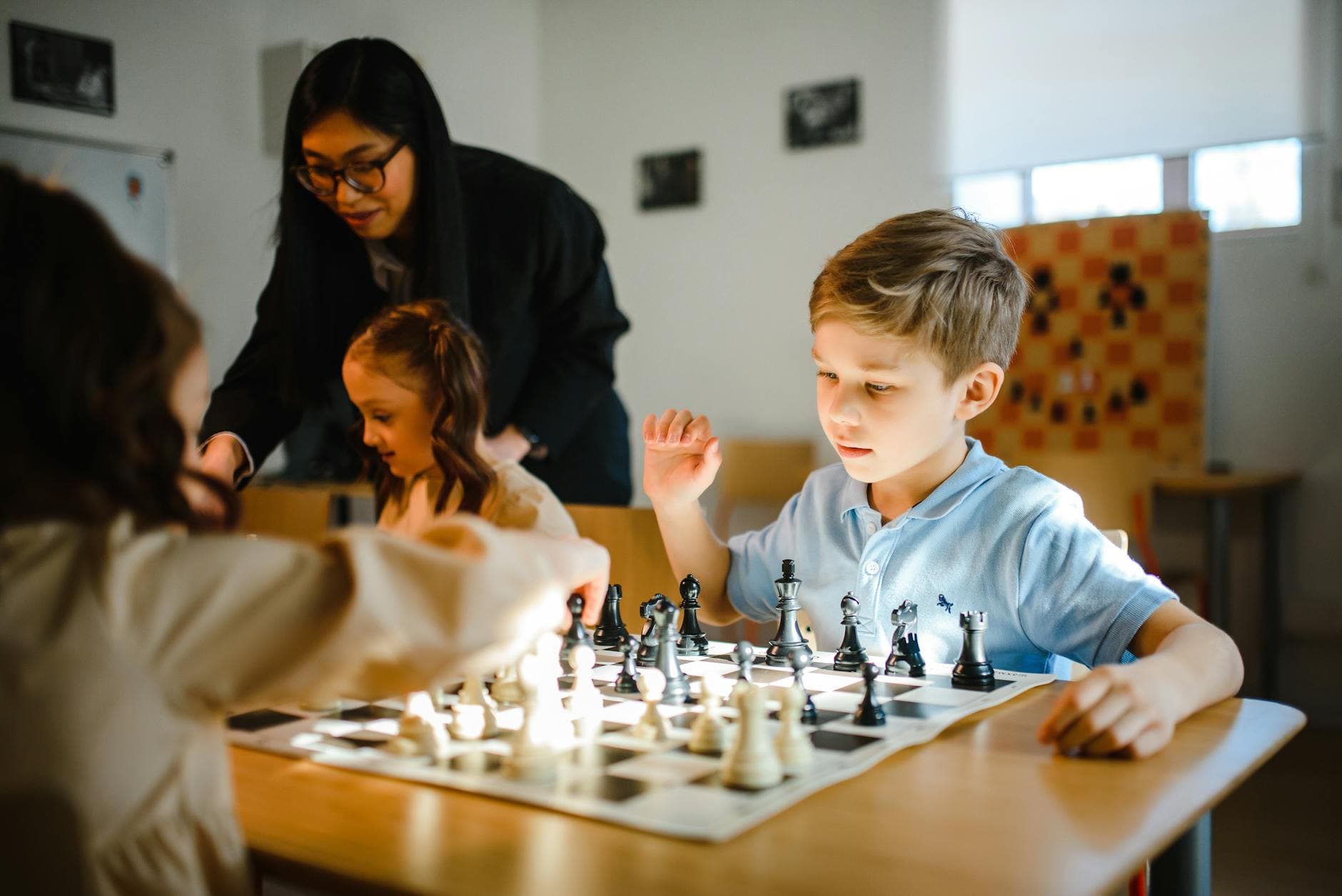
I remember one blustery January afternoon, years ago, when my youngest, Leo, came home from preschool in a huff. He’d spent the morning indoors, confined by a fresh blanket of snow and biting winds, and he just couldn't articulate why he felt so frustrated. All I got was a mumbled "No one would play with me right." It hit me then, not for the first time, how much the shift to colder weather impacts our children's social worlds. It's not just about bundling up; it's about actively nurturing winter social skills for kids when the natural opportunities for connection diminish.
For parents, educators, and anyone who cares about a child's holistic development, the winter months present a unique set of challenges. The cozy indoors can sometimes feel like a social pressure cooker, and the absence of wide-open spaces for free play means kids have to work harder at navigating relationships. This period, from late autumn through early spring, is absolutely critical for child social emotional development, and honestly, we often overlook just how much effort it takes for our little ones to maintain their social equilibrium.
The Winter Chill: Why Social Skills Take a Hit
The colder, darker days do more than just make us reach for an extra sweater; they fundamentally alter the landscape of childhood. Where once there were sprawling parks and sun-drenched playgrounds, now there are often confined living rooms and crowded indoor play areas. This environmental shift isn't benign; it directly impacts how kids interact.
Less Outdoor Play, More Indoor Pressure
Think about the last time your child had an argument with a friend. Was it easier to resolve on a vast playground where they could run off steam, or in a tight space like a bedroom? The answer is usually the former. Outdoor play naturally diffuses tension; it provides space for independent exploration alongside group activities. When kids are cooped up, every interaction carries more weight, every toy becomes a potential flashpoint, and every negotiation requires more nuanced Psychology Today research on winter social skills for kids suggests that reduced physical activity can amplify feelings of irritability, making conflict resolution even trickier.
The Impact of Shorter Days and Colder Temperatures
Seasonal Affective Disorder (SAD) isn't just for adults; children can experience it too, albeit in different ways. The reduced daylight hours and the general gloom can lead to lower energy levels, increased irritability, and even a withdrawal from social engagement. When a child feels sluggish or a bit down, their capacity for patience, empathy, and positive interaction naturally wanes. It's not a lack of wanting to connect; it's often a biological response to less light and colder temperatures. This is a critical factor in understanding why supporting kids social skills cold weather is so important.
Screen Time's Subtle Squeeze on Connection
Let's be real: winter often means more screen time. It's an easy go-to when outdoor options are limited, and kids winter break boredom sets in. While there's a place for digital engagement, excessive screen time can subtly erode the very muscles needed for robust social interaction. Those hours spent passively consuming content or interacting in a curated digital space don't offer the same spontaneous, messy, and often challenging give-and-take of face-to-face play. The National Institutes of Health research on winter social skills for kids indicates a clear link between increased screen time and decreased opportunities for developing crucial non-verbal communication skills.
Shifting Gears: Indoor Social Skills Activities for Kids
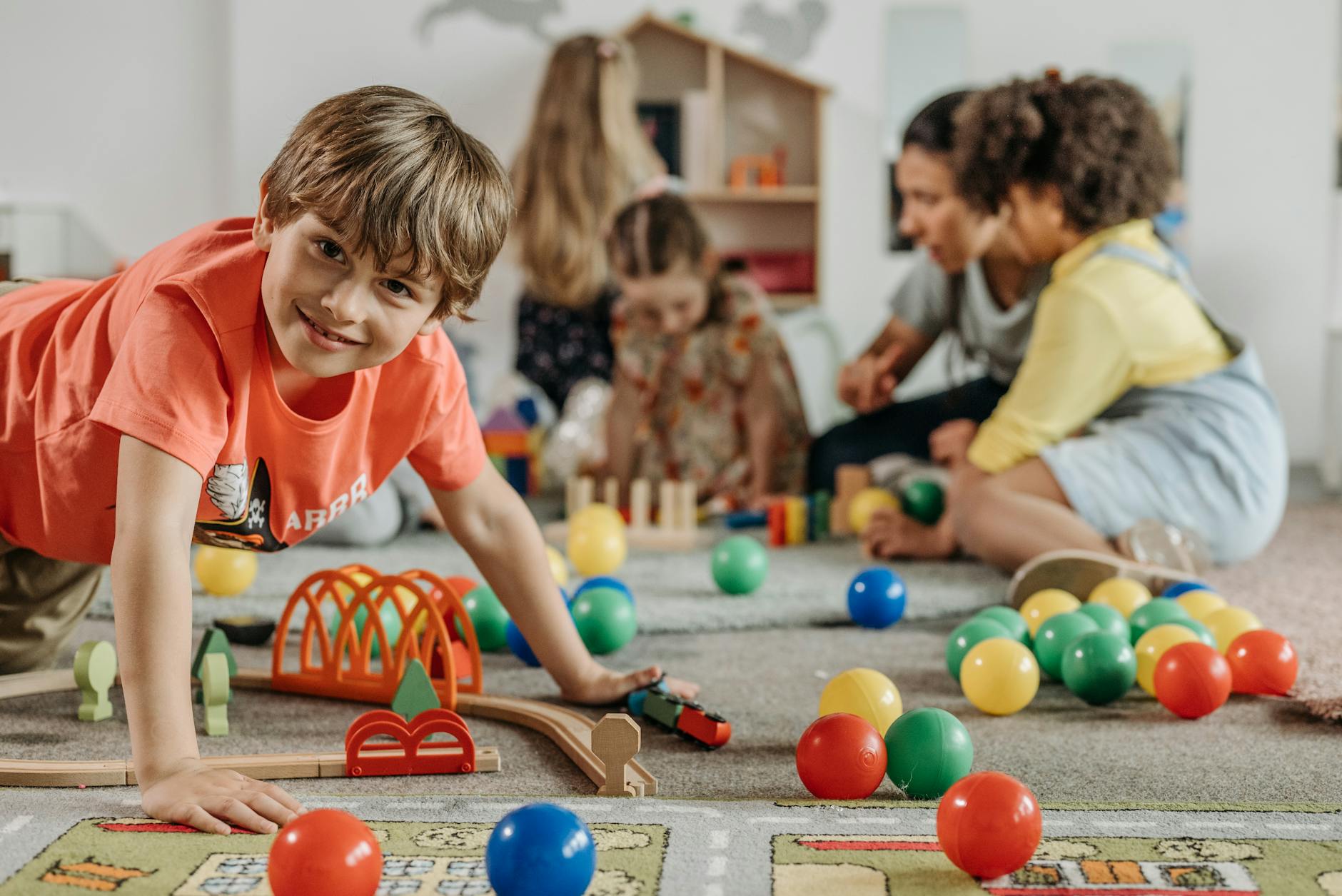
So, if the outdoors isn't always an option, how do we intentionally create opportunities for growth? This is where strategic, thoughtful indoor social skills activities for kids come into play. It's about being proactive and creative.
Cooperative Games: Beyond Board Games
Sure, board games are great, but many are competitive by nature. To truly foster strong winter social skills for kids, we need to lean into cooperative games. Think games where everyone works together towards a common goal. For younger children, setting up a "rescue mission" for stuffed animals, building a giant fort that requires everyone's input, or a collaborative storytelling game where each person adds a sentence. These activities inherently teach teamwork, compromise, and shared success, which is far more powerful than just winning or losing.
Creative Play and Role-Playing Scenarios
This one is a personal favorite because it's so versatile. Indoor play ideas for social skills often revolve around imagination. Provide props—old clothes for dress-up, empty boxes for building, playdough, or art supplies. Encourage them to create a restaurant, a vet clinic, or a space station. Role-playing allows children to safely explore different perspectives, practice negotiation (who gets to be the doctor first?), and understand social cues. You might be surprised at how much they learn about sharing and turn-taking when they're pretending to be a customer at a busy grocery store.
Structured Group Activities: The Power of Shared Goals
Sometimes, a little structure goes a long way. This doesn't mean rigid rules, but rather setting up activities that naturally require interaction. Think simple science experiments they do together, a group baking project where everyone has a specific role, or even a family talent show. These are fantastic ways to support child social development winter. The shared experience, the need to communicate roles, and the joint celebration of a finished product build bonds and strengthen communication skills without feeling like "work."
Building Emotional Bridges: Empathy and Connection in Colder Months
True social skill isn't just about knowing what to say; it's about understanding what others feel. Winter offers unique opportunities to cultivate empathy, a cornerstone of meaningful connection.
Reading Between the Lines: Developing Emotional Literacy
With less time spent running wild, children often have more moments for quieter, reflective activities. This is a perfect time to focus on emotional literacy. Read books together that feature characters experiencing a range of emotions. Talk about what the characters might be feeling and why. "How do you think that made them feel when their friend took their toy?" This helps children identify emotions in others and articulate their own, a fundamental aspect of how to improve social skills in winter. Even a simple game of charades, where they act out emotions, can be incredibly insightful.
Service and Giving Back: Real-World Empathy
Winter, particularly around the holidays, often brings into focus those who are less fortunate. This is a powerful time to teach children about community and compassion. Engaging in Children's Empathy Winter Service: Teach Kids to Give Back can be incredibly transformative. Whether it's collecting canned goods for a food bank, making cards for seniors, or donating old toys, these activities move empathy from an abstract concept to a concrete action. My own family once spent an afternoon making care packages for a local homeless shelter, and the conversations that arose about why people might need these items were profound.
The Art of Active Listening: A Core Social Muscle
Honestly, this one is huge. In our fast-paced world, truly listening can feel like a lost art, even for adults. For children, it's a skill that needs constant practice. During indoor play or family meals, make it a point to model and encourage active listening. Ask your child to repeat what their sibling just said before responding. Play "telephone" or other games that emphasize paying close attention. When kids feel truly heard, they are more likely to listen in return, fostering deeper connections.
Preventing Winter Isolation: A Parent's Proactive Approach
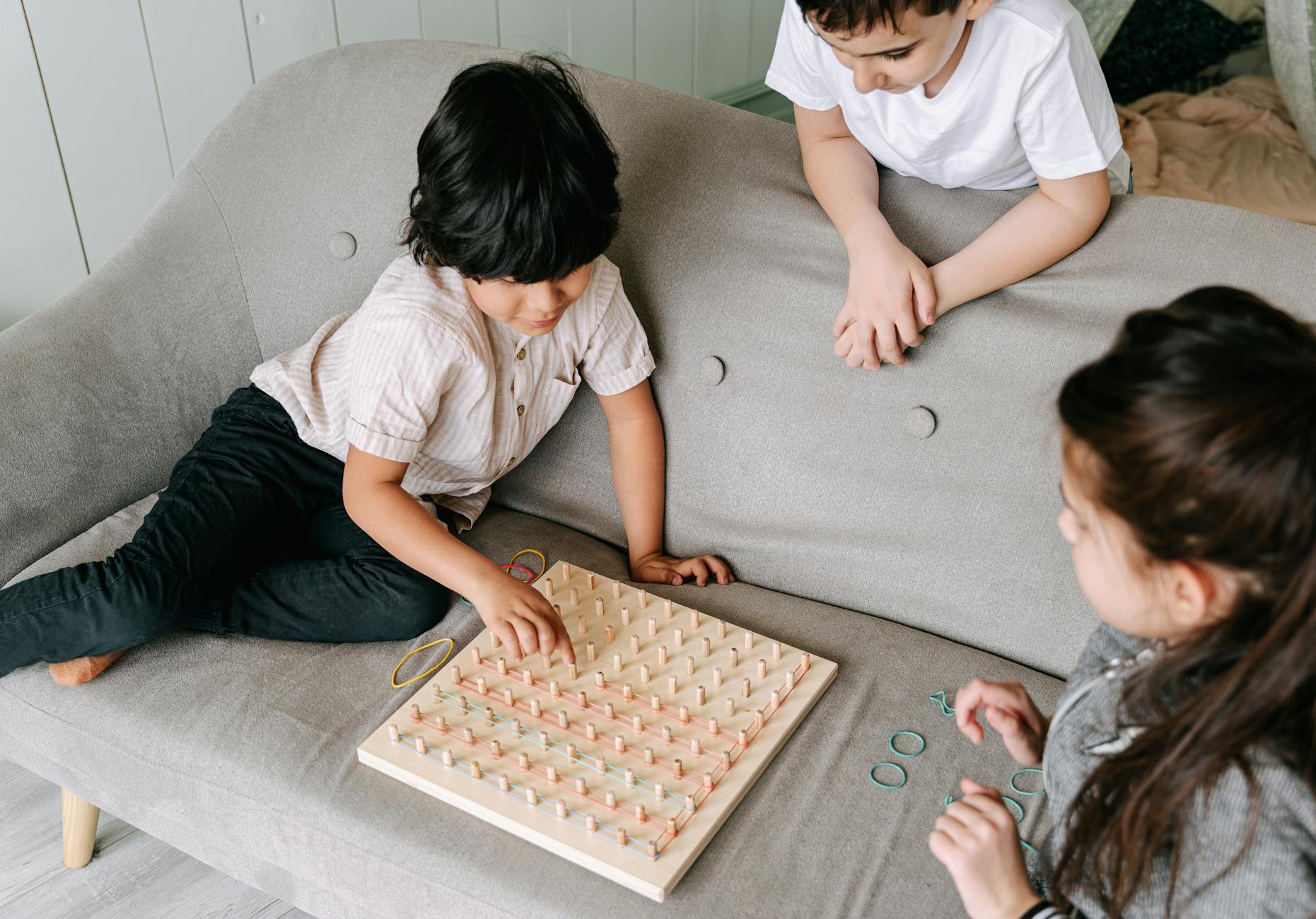
The risk of winter isolation in children is very real. When playdates become harder to schedule and spontaneous outdoor encounters vanish, children can feel a sense of loneliness or detachment. As parents, we have to be extra vigilant and intentional about creating social opportunities.
Scheduling Social Time: Intentionality Matters
You've probably noticed that friendships don't just happen; they need nurturing. In winter, this means being more deliberate. Set up regular playdates, even if it's just once a week. Consider joining an indoor playgroup or signing up for a winter class. For school-aged children, encourage them to invite a friend over for an afternoon of games or a movie. Remember, February School Break Parenting: Tips for a Smooth Month often involves navigating these social needs when school isn't providing the structure.
Creating a Welcoming Home Environment
If you want your kids to have friends over, your home needs to feel like a place where that can happen easily. This doesn't mean it has to be spotless, but it does mean having designated play areas, snacks readily available, and a relaxed atmosphere. Encourage your children to be good hosts, thinking about what their friend might enjoy. A home that embraces youthful energy and laughter naturally becomes a hub for social interaction.
Navigating Sibling Dynamics: A Social Skills Training Ground
Here's the thing: siblings are often a child's first and most intense social partners. While sibling squabbles can drive us absolutely batty, they are also invaluable training grounds for social skills. They learn negotiation, compromise, empathy (or lack thereof!), and conflict resolution. Instead of always separating them, try to facilitate their problem-solving. "How can you two share that toy so you both get a turn?" "What do you think your sister needs right now?" These are crucial lessons in supporting kids social skills cold weather, preparing them for wider social circles.
Beyond the Obvious: The Unexpected Link Between Sleep and Social Grace
This one surprised me when I first started noticing the patterns in my practice. We talk a lot about healthy eating and exercise, but sleep? Its impact on winter social skills for kids is often underestimated. I used to think a grumpy child was just, well, grumpy. Now I know better.
The Science of Rest: Why Tired Kids Are Grumpy Kids
Think about the last time you were truly exhausted. Were you patient? Empathetic? Quick-witted in conversation? Probably not. The same goes for kids, but their emotional regulation systems are still developing. Lack of adequate sleep leads to decreased impulse control, heightened emotional reactivity, and a reduced capacity for empathy. A child who is consistently sleep-deprived is going to struggle significantly more with sharing, turn-taking, and managing disagreements, regardless of how many social activities they're exposed to. National Alliance on Mental Illness research on winter social skills for kids consistently highlights the profound link between sleep quality and emotional regulation.
Setting the Winter Sleep Schedule for Social Success
In winter, with less natural light to regulate circadian rhythms, maintaining a consistent sleep schedule becomes even more vital. Stick to regular bedtimes and wake-up times, even on weekends. Create a calming bedtime routine that signals the body it's time to wind down. Dim lights, quiet activities, and avoiding screens for at least an hour before bed can make a huge difference. Good sleep isn't just about physical health; it's a foundational element for a child's emotional and social resilience.
My Own Experience: The "Grumpy Bear" Transformation
I'll be real with you, I had a client, a bright seven-year-old named Maya, who was having constant meltdowns at school during group work. Her parents were at their wit's end trying to figure out how to improve social skills in winter. We tried everything: role-playing, social stories, even a reward chart. Nothing truly stuck. Then, we focused purely on sleep hygiene. Turns out, she was staying up an extra hour every night watching TV. Within two weeks of a strict, consistent bedtime, Maya's teacher reported a dramatic shift. Fewer arguments, more cooperation, and a generally sunnier disposition. It wasn't about teaching her new skills as much as it was about giving her brain the rest it needed to access the skills she already possessed.
Practical Strategies to Improve Social Skills in Winter
So, what can you do, practically, starting today? It’s about being intentional and consistent, making these practices part of your family’s winter rhythm.
Age-Specific Ideas: Toddlers to Tweens
- Toddlers (1-3 years): Focus on parallel play. Set up two identical play stations (e.g., two sets of blocks, two play kitchens) next to each other. Introduce simple concepts like "my turn, your turn" and "share." Model polite greetings and farewells. This is crucial for toddler social development winter.
- Preschoolers (3-5 years): Encourage imaginative play with peers. Facilitate simple group games like "Red Light, Green Light" or "Duck, Duck, Goose." Teach them how to ask to join a game and how to respond when someone asks to join theirs. These preschool social skills activities winter build foundational skills.
- School-Aged (6-10 years): Introduce cooperative board games or card games. Encourage them to join school clubs or sports (even indoor ones). Help them plan playdates that involve a specific activity, like building a LEGO city or putting on a puppet show.
- Tweens (11-13 years): Support their interest in group activities like youth groups, book clubs, or volunteer opportunities. Help them navigate online social interactions responsibly, emphasizing kindness and respect. Discuss social dilemmas they might encounter at school and brainstorm solutions together.
Role-Modeling: You Are Their First Teacher
Children are constantly observing us. How do you handle conflict? Do you listen actively? Are you kind and respectful in your interactions with others, even when you're stressed? Your own social behavior is the most powerful lesson you can offer. Make an effort to connect with your neighbors, friends, and family, and let your children see you doing it. Talk about your own social experiences, both positive and challenging, and how you navigated them.
When to Seek Support: Recognizing the Warning Signs
While some social awkwardness is normal, especially in a new environment, there are times when a child might need professional support. If you notice a persistent withdrawal from social interaction, extreme shyness that prevents them from engaging, frequent and intense conflicts, or an inability to understand social cues despite your guidance, it might be time to reach out. These could sometimes be subtle indicators of underlying issues, and understanding Childhood Trauma Symptoms: Signs and What to Look For can provide further clarity. Trust your gut; if you're concerned, a conversation with a pediatrician, school counselor, or child development specialist is always a good idea. They can offer tailored strategies or refer you to appropriate resources.
Winter doesn't have to be a social slump for our kids. With a little foresight, a lot of intentionality, and a willingness to get creative, we can transform these colder months into a vibrant season of connection and growth. Your child's social resilience is a gift that will serve them long after the snow melts, shaping the confident, empathetic adults they are destined to become.