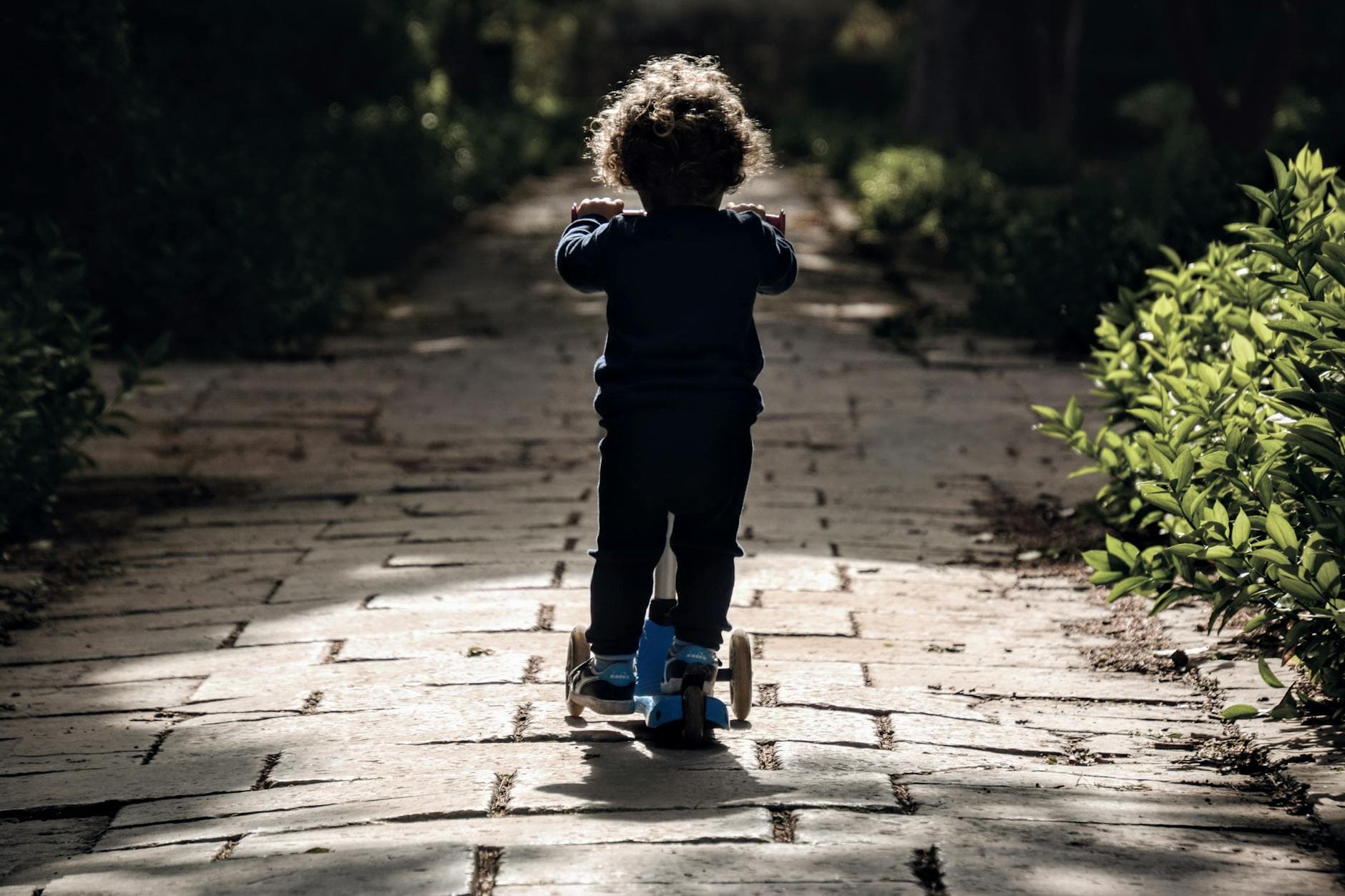
What if your child could spend hours exploring, creating, and problem-solving, all while developing crucial life skills, with minimal intervention from you? Imagine them returning from a session outdoors, not just tired, but brimming with newfound confidence, resilience, and a deeper understanding of the world around them. This isn't a far-fetched dream; it's the powerful reality of independent outdoor play.
The Untapped Power of Unstructured Outdoor Exploration
As a parent and a long-time observer of child development, I've seen firsthand the profound impact that giving children the freedom to explore the outdoors on their own terms can have. It’s easy to fall into the trap of thinking that structured activities or constant supervision are always best. But honestly, sometimes the most valuable learning happens when we step back and let them lead.
Why Unstructured Time Matters
Unstructured time isn't just "downtime." It’s the fertile ground where creativity blossoms. When children are given the space and time to simply be outdoors, without a specific goal or agenda, their imaginations take flight. They become architects of their own adventures, engineers of makeshift forts, and scientists of the natural world.
The Role of the Environment
The outdoor environment itself is a rich, dynamic classroom. From the texture of bark to the sound of rustling leaves, nature offers an endless array of sensory experiences that stimulate a child's developing brain. This isn't about elaborate playgrounds; even a simple patch of grass or a few trees can be a universe of discovery.
Building Resilience Through Risk
One of the most significant benefits of independent outdoor play is the opportunity for children to assess and manage risk. Climbing a tree, jumping over a puddle, or balancing on a log – these are not just physical challenges. They are lessons in self-awareness, courage, and problem-solving. When they navigate these small risks successfully, their confidence soars, and they learn that they are capable.
The Developmental Goldmine of Child-Led Outdoor Play
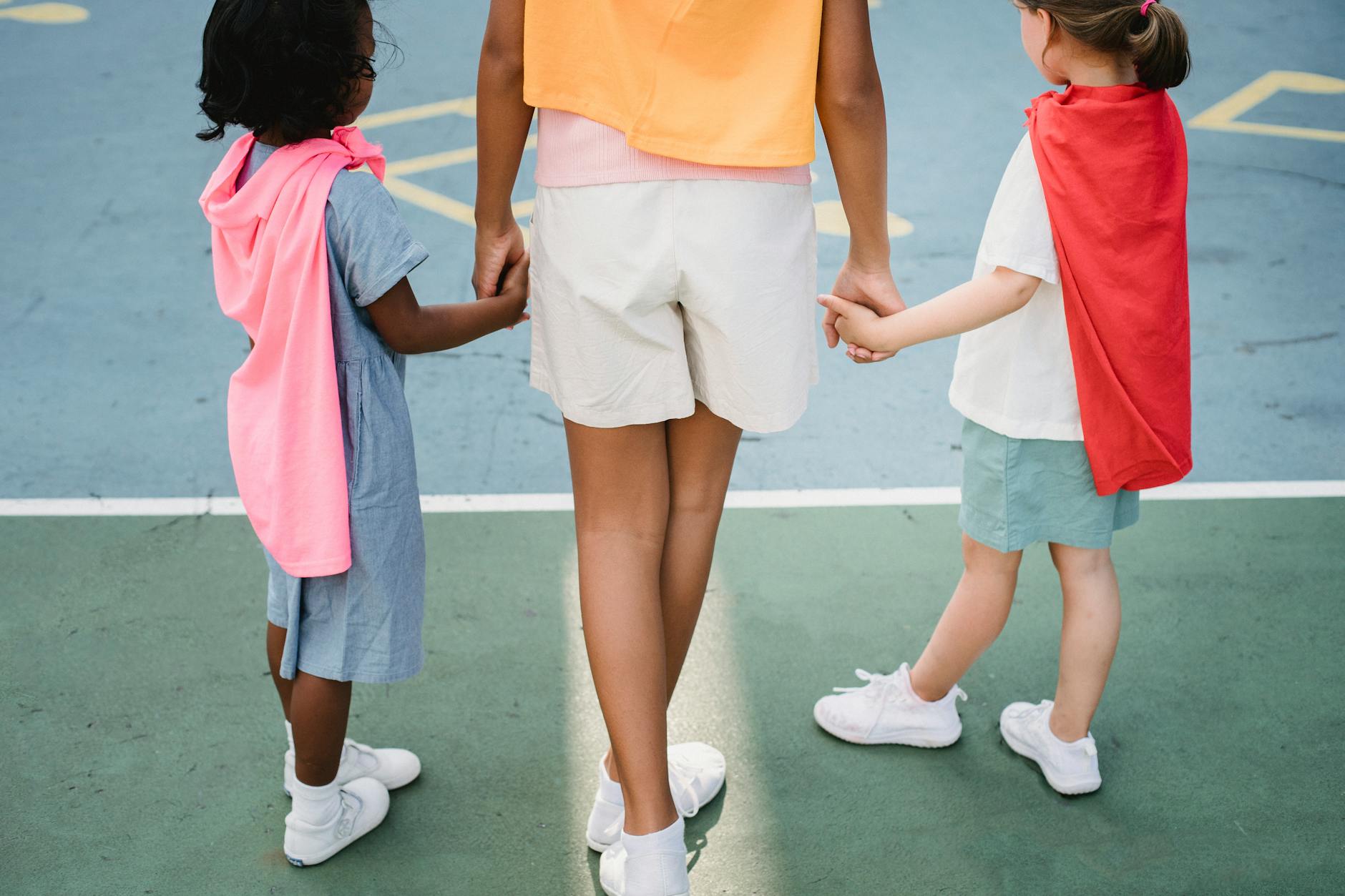
When we talk about child led outdoor play, we're talking about a child's intrinsic motivation driving their actions. They decide what's interesting, what needs investigating, and how they want to interact with their surroundings. This self-direction is incredibly powerful for their overall preschooler development.
Fostering Creativity and Imagination
Think about a stick. To an adult, it's just a stick. To a preschooler engaged in independent outdoor play, it can be a magic wand, a sword, a fishing rod, or the leg of a giant creature. This ability to transform the ordinary into the extraordinary is the heart of imaginative play, and the outdoors provides an unparalleled stage for it. They invent stories, create characters, and build entire worlds from scratch, all without needing a single toy.
Enhancing Problem-Solving Skills
What happens when their carefully constructed twig fort collapses? Or when they can't reach that interesting bug on the higher branch? These are not failures; they are opportunities for problem-solving. They learn to adapt, to try different approaches, and to persevere. This self-directed learning is far more impactful than being told the "right" way to do something.
Developing Physical Competence
Running, jumping, climbing, balancing, digging – these fundamental movements are honed through independent outdoor play. Unlike structured sports that often focus on specific skills, free play allows children to develop their gross motor skills in a natural, integrated way. They are building strength, coordination, and spatial awareness without even realizing it. This is crucial for their foundational child development milestones.
Encouraging Independent Play: A Parent's Guide
It’s not always easy to step back, especially when our protective instincts kick in. But encouraging independent play outdoors is one of the greatest gifts we can give our children. It requires a shift in our mindset and a commitment to providing the right conditions.
Creating a Safe and Inviting Space
Safety is, of course, paramount. This means ensuring the play area is free from hazards and that you have established clear boundaries and rules. However, safety also involves allowing for appropriate levels of risk. A lawn with some uneven terrain or a small, sturdy climbing structure can offer more developmental benefits than a perfectly manicured, sterile environment. Think about the last time you saw a child truly thrive; it was likely in a space that offered a little challenge.
The Art of "Controlled Letting Go"
Here's the thing: you don't need to hover. Establish your presence – know where they are and check in periodically – but resist the urge to constantly intervene or direct. Allow them to figure things out for themselves. If they’re struggling with a task, offer a gentle prompt or ask an open-ended question rather than providing the solution. This fosters childhood independence.
Providing Loose Parts and Open-Ended Materials
What are "loose parts"? They are simply materials that can be moved, manipulated, and combined in various ways. Think rocks, sticks, leaves, shells, cardboard boxes, fabric scraps, or old pots and pans. These items, when made available in an outdoor setting, fuel endless creative possibilities for independent outdoor play. They don't have a single prescribed use, which allows children to imbue them with their own meaning and purpose.
Modeling Curiosity and Engagement
Children learn by watching us. When you show genuine interest in the natural world – pointing out interesting insects, observing cloud shapes, or simply enjoying the feeling of the sun on your skin – you model the behavior you want to see. You don't need to be an expert naturalist; your own curiosity is infectious.
The Overlooked Benefits of Outdoor Play for Preschoolers
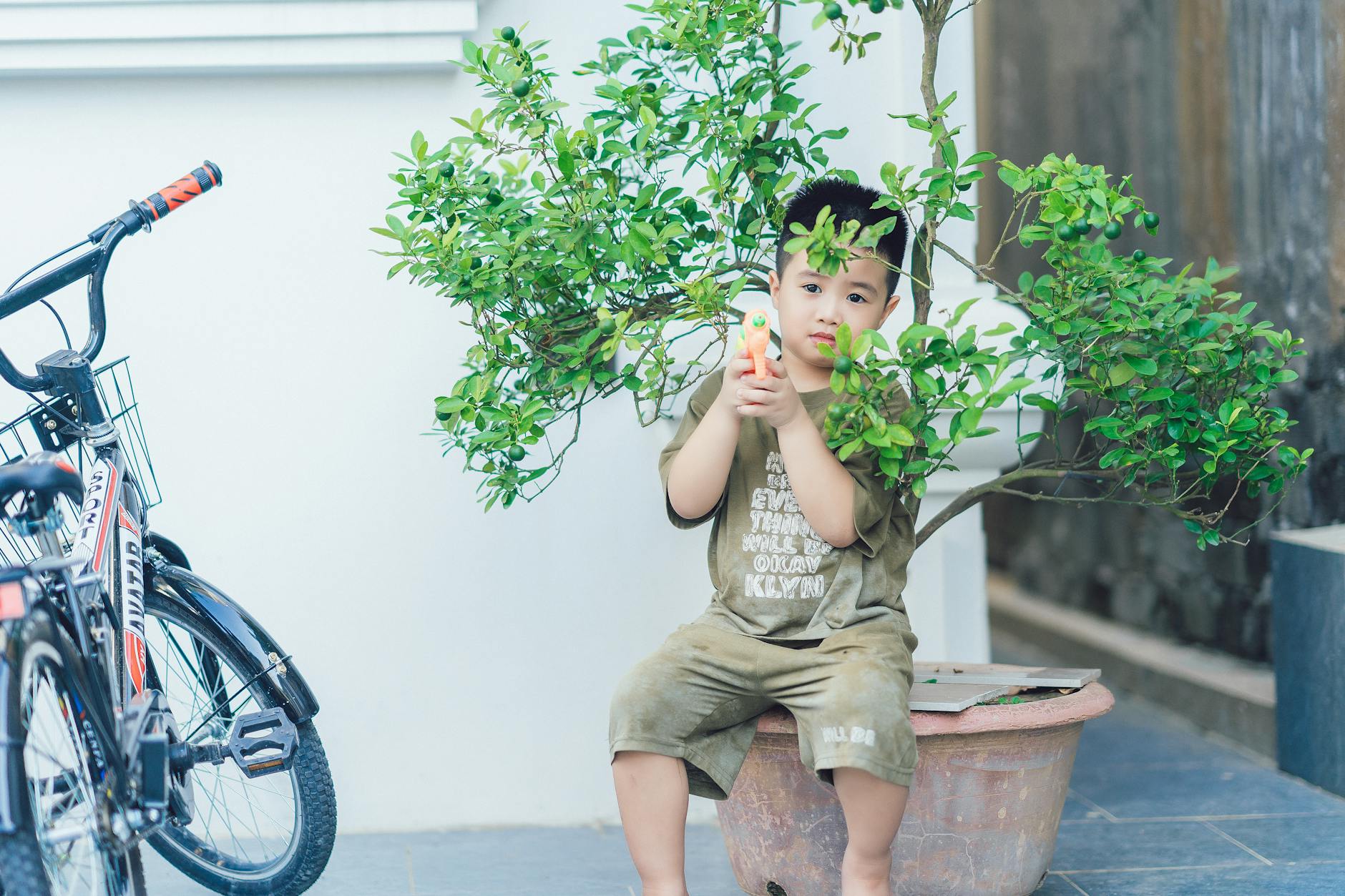
For preschoolers, the benefits of preschool outdoor play are particularly potent. This is a critical period for social, emotional, and cognitive growth, and the outdoors provides an ideal environment for all of it.
Boosting Social Skills Through Interaction
While we’re focusing on independent play, it's important to remember that the outdoors also offers rich opportunities for social interaction. Children might start out playing alone, but they often gravitate towards each other, drawn by shared discoveries or common interests. This is where they learn to negotiate, share, cooperate, and resolve conflicts organically. It's a fantastic way to boost spring social skills and prepare them for future interactions, including social skills playdates.
Enhancing Emotional Regulation
The physical exertion and sensory input from outdoor play can be incredibly grounding for children. Running, jumping, and exploring help them release pent-up energy and stress, leading to better emotional regulation. Nature itself has a calming effect. Studies, like those highlighted by the National Alliance on Mental Illness research on independent outdoor play, suggest that spending time in nature can reduce symptoms of anxiety and depression in children.
Promoting Self-Directed Learning
Independent outdoor play is the epitome of self directed learning. Children are driven by their own questions and curiosities. They learn through trial and error, observation, and experimentation. This intrinsic motivation is the foundation for a lifelong love of learning. They are not just memorizing facts; they are actively constructing their understanding of the world. This aligns with much of the National Institutes of Health research on independent outdoor play, which emphasizes the cognitive benefits of active, engaged learning.
Addressing Screen Time and Fostering Alternatives
In an age dominated by screens, the call for screen time alternatives is louder than ever. Independent outdoor play is perhaps the most powerful antidote.
The Allure of the Digital World
It's easy to see why screens are captivating. They offer instant gratification, bright colors, and engaging content. However, the passive consumption of digital media rarely fosters the same depth of problem-solving, creativity, or physical engagement as outdoor play. This one surprised me when I first started looking into the data; the sheer difference in brain activity was stark.
Making the Outdoors Irresistible
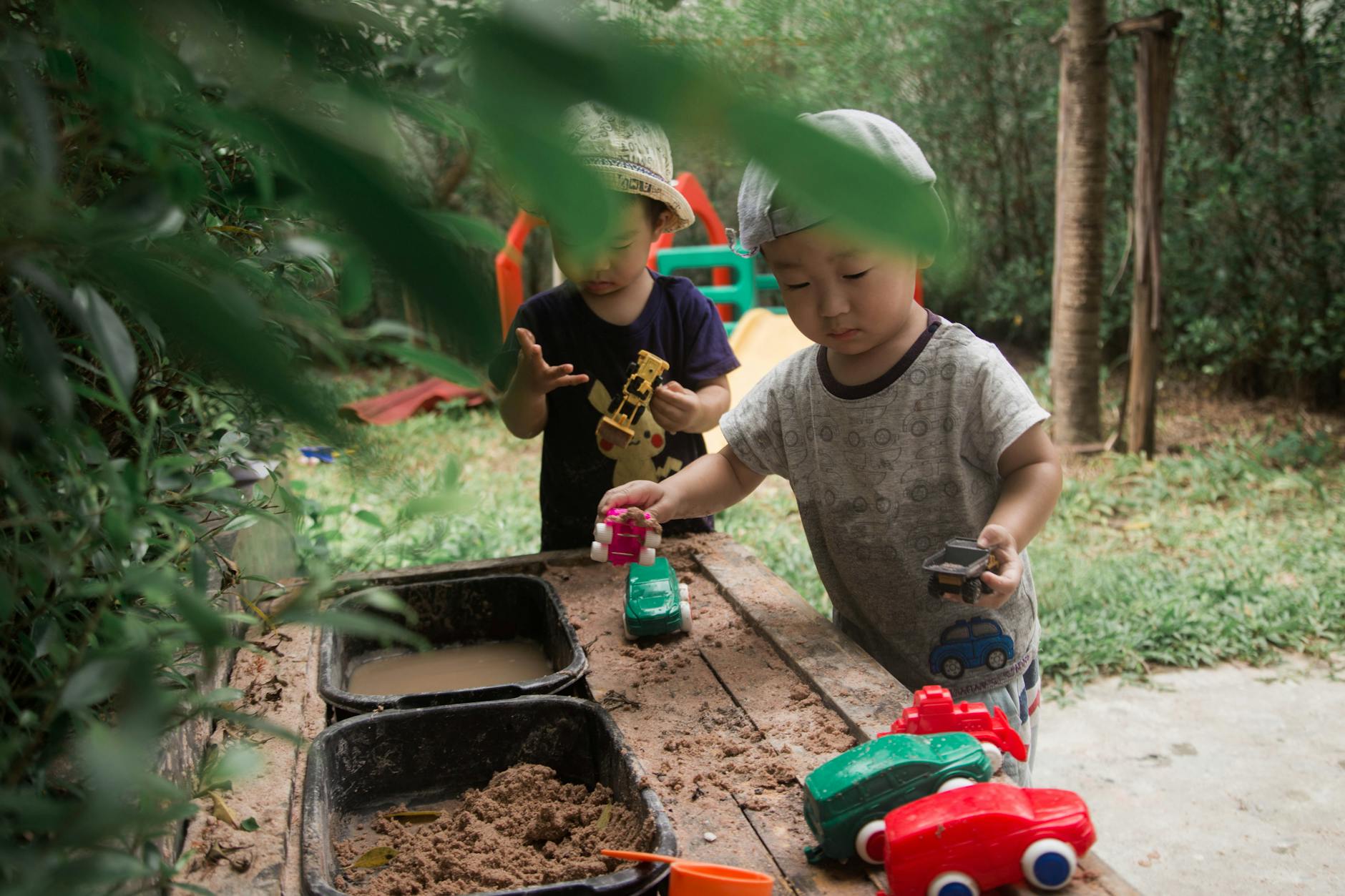
So, how do we compete with the allure of the screen? It's not about making outdoor play "better" than screens, but about making it equally, if not more, appealing. This involves making it accessible, interesting, and empowering. Provide opportunities for exploration, allow for some messy play, and celebrate their discoveries. Think about incorporating elements of nature into your daily routines, making nature play for kids a regular occurrence.
The Benefits Extend Beyond Childhood
The skills developed through independent outdoor play—resilience, problem-solving, creativity, and self-reliance—are not just for childhood. They are foundational for navigating the complexities of adolescence and adulthood. The research from institutions like Psychology Today research on independent outdoor play consistently points to the long-term positive impacts on mental well-being and life satisfaction.
A Call to Action for More Unsupervised Adventure
I'll be real with you, it takes a conscious effort to prioritize independent outdoor play. It means resisting the urge to fill every moment with planned activities and instead creating space for the unplanned, the spontaneous, and the wonderfully wild. It means trusting our children’s innate capacity to explore, to learn, and to grow. The next time you look at your child, consider not just what you can do for them, but what they can discover for themselves, just by stepping outside. Give them the gift of unstructured adventure; the rewards are immeasurable.