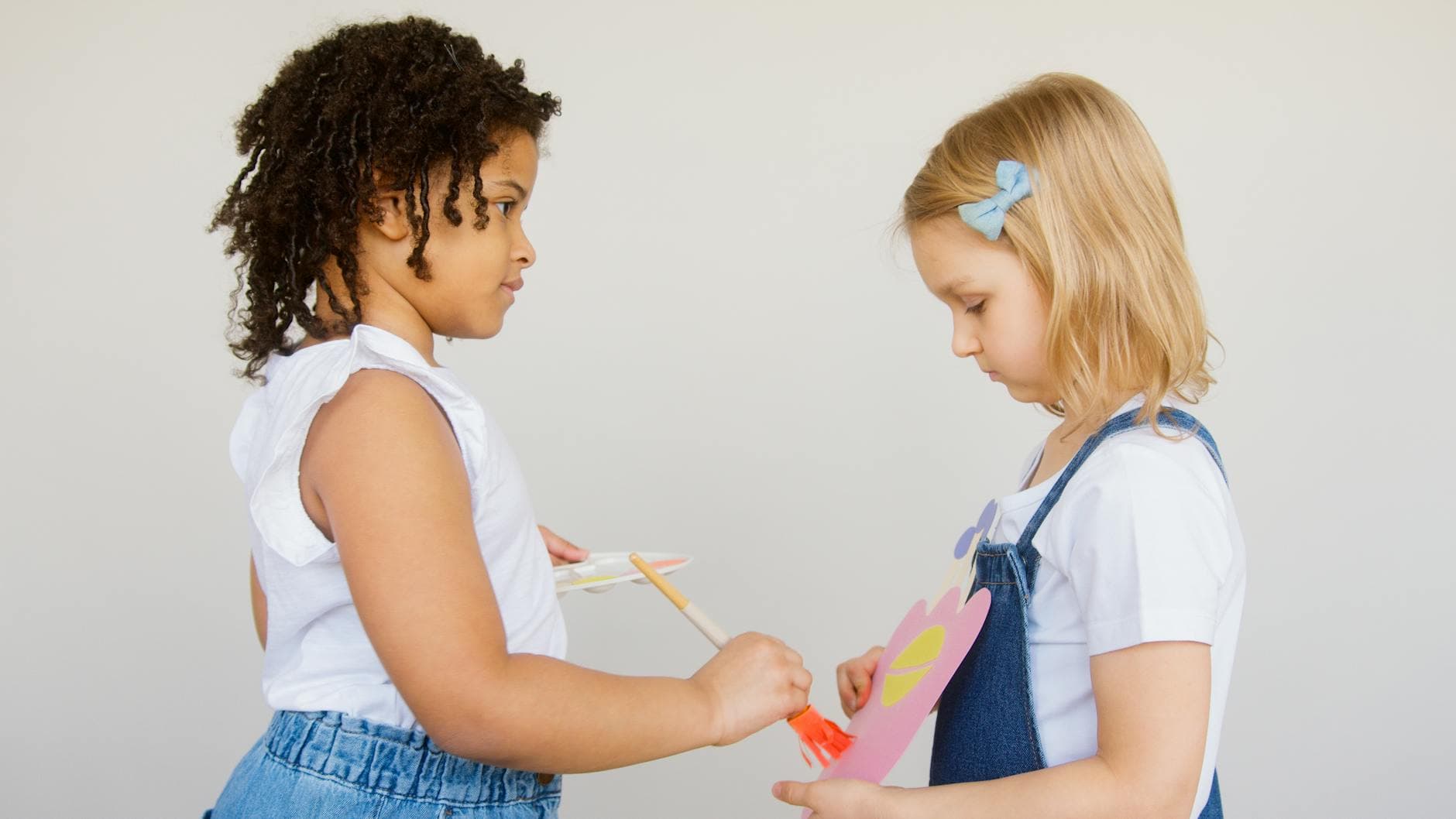
What if a simple afternoon spent at your house could unlock a whole new world of confidence and connection for your preschooler? Imagine them sharing, negotiating, and laughing with new friends, all while building essential life skills. That's the magic we're aiming for with great preschool playdate ideas. It’s not just about keeping them busy; it’s about nurturing their social development preschoolers and setting them up for success way beyond the playground.
Crafting the Perfect Preschool Playdate Ideas
You've probably noticed how much your little one buzzes with excitement when a friend is coming over. Playdates are more than just fun; they're crucial for early childhood social interaction. They're where kids learn the give-and-take of friendship, how to express their feelings, and how to navigate those sometimes tricky social waters. Honestly, it’s one of the best ways to foster social development preschoolers.
Why Playdates Matter
Think about it: in a structured classroom, there are teachers guiding every interaction. But a playdate? That’s a more organic environment where kids get to practice real-world social dynamics. They learn to share toys (or not, and then learn to compromise!), take turns, and solve minor conflicts independently. These are the building blocks for strong relationships and emotional intelligence down the line.
Setting the Stage for Success
Here's the thing, a well-planned playdate doesn't need to be complicated. It’s more about setting the right atmosphere and having a few simple activities up your sleeve. You don't need elaborate setups or expensive toys. Often, the simplest things spark the most joy and the most learning. We’re talking about creating an environment where child social skills can naturally blossom.
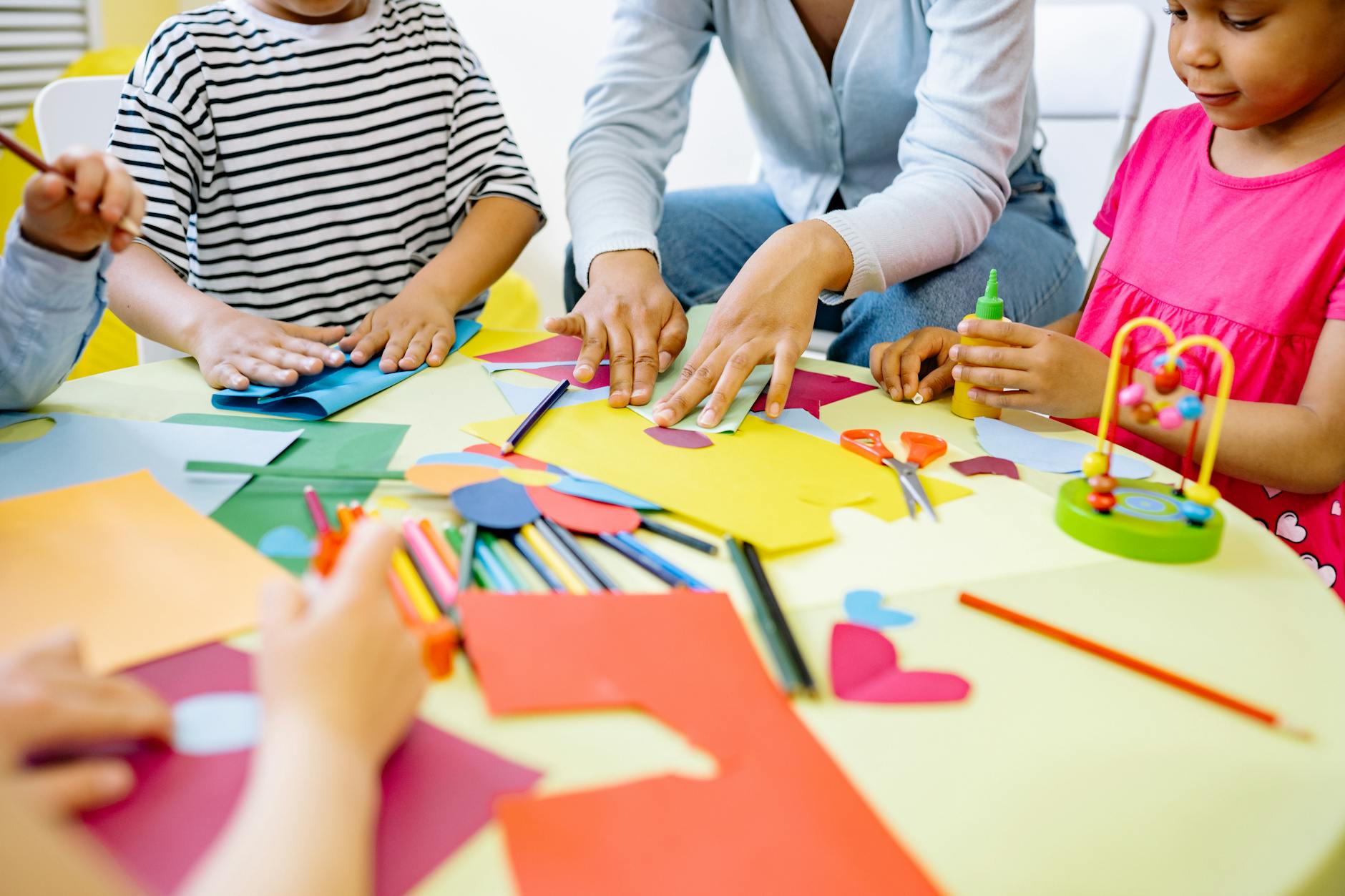
Engaging Preschool Playdate Ideas for Every Setting
When you're thinking about preschool playdate ideas, it's easy to get overwhelmed by Pinterest boards filled with elaborate crafts. But let's keep it real: preschoolers have short attention spans and their idea of fun is often much simpler than we adults imagine. The key is to offer variety and follow their lead.
Indoor Adventures: Cozy and Creative
Rainy days or scorching heat don't have to derail your playdate plans. Indoor playdates offer a fantastic opportunity for focused, imaginative play. These settings can be particularly good for improving social skills children who might be a bit shy, as the environment feels more contained and predictable.
Building Bonanza
Gather all your building blocks, magnetic tiles, or even cardboard boxes. Challenge the kids to build the tallest tower, a secret fort, or a city for their toy animals. This encourages collaboration and problem-solving. You'll be amazed at how they naturally start negotiating who places which block or how to make their structures connect.
Sensory Bin Exploration
Fill a large bin with rice, dried beans, sand, or even water beads (with close supervision, of course!). Add scoops, cups, small toys, and funnels. This provides a rich sensory experience and allows for open-ended play. It’s a fantastic way to encourage quiet interaction and parallel play, which is a vital stage in early childhood social interaction.
Dress-Up and Dramatic Play
A simple collection of old clothes, hats, scarves, and props can transform your living room into a stage. Kids can become doctors, superheroes, chefs, or anything their imagination conjures. This is pure play based learning social skills, as they act out scenarios, take on roles, and develop narrative thinking.
Outdoor Fun: Embracing the Elements
When the weather cooperates, there's nothing quite like taking the playdate outside. Outdoor activities for preschoolers offer boundless opportunities for exploration and physical activity, which are just as important for social development as quiet play. Spring playdates, in particular, offer a wonderful chance to get outside and explore nature.
Nature Scavenger Hunt
Head to a local park or your backyard and create a simple list of things to find: a smooth stone, a green leaf, a feather, something soft. This encourages observation and teamwork. You can find some great ideas in Preschooler Spring Play: Fun Outdoor Activities for Kids.
Water Play Extravaganza (Weather Permitting!)
Buckets, water tables, sprinklers, or even just a few cups can provide hours of entertainment. Simple water play is incredibly engaging for preschoolers and can lead to lots of shared discovery. Just make sure to have towels handy and keep an eye on the little ones! This is a perfect example of spring playdates in action.
Outdoor Obstacle Course
Use household items like pillows to jump over, blankets to crawl under, or a hula hoop to run through. This is a fantastic way to get energy out and practice gross motor skills. It also requires kids to take turns and cheer each other on, boosting preschool friendship activities.
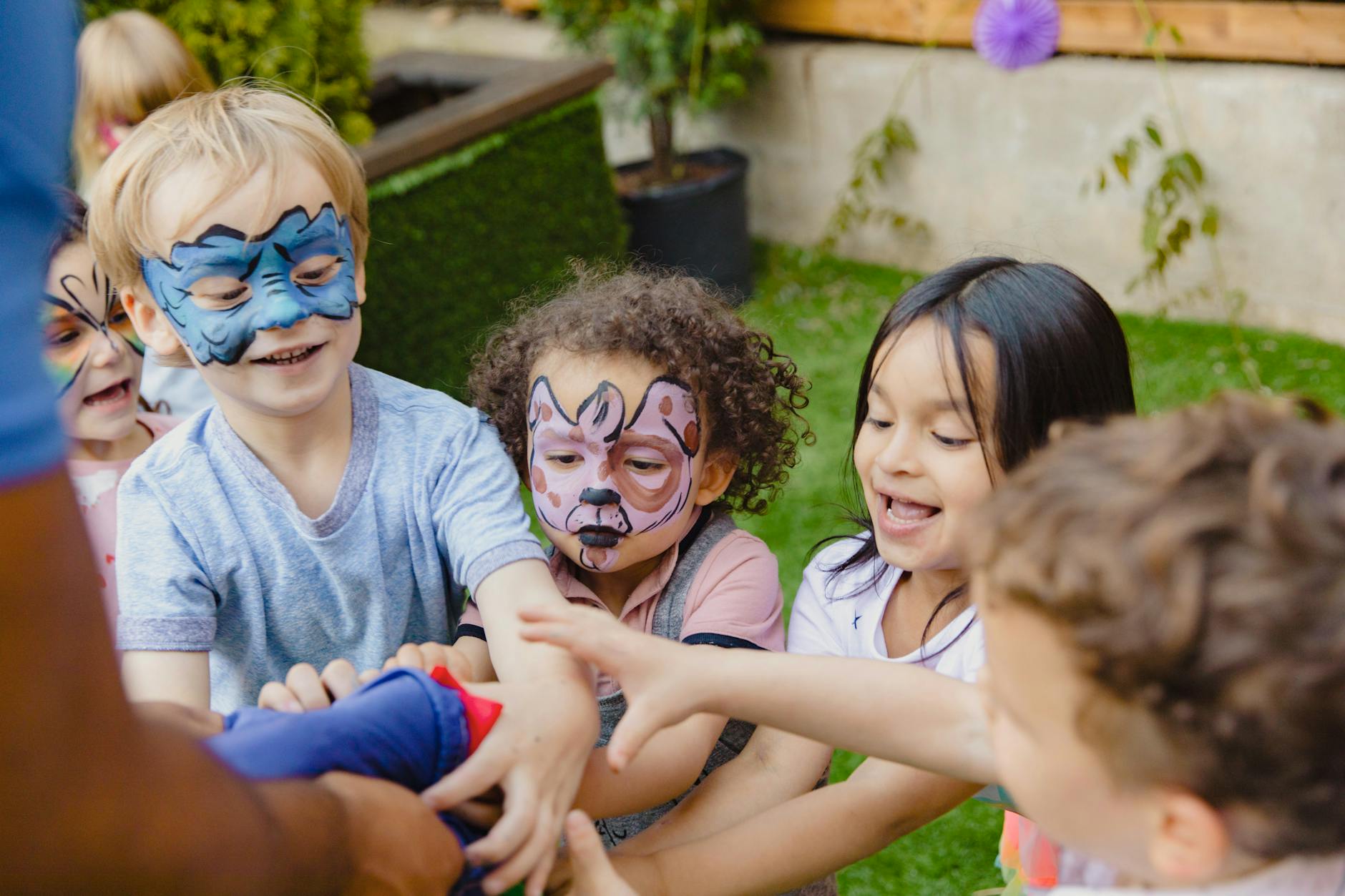
Preschooler Playdate Games That Foster Connection
While free play is essential, having a few structured games in your back pocket can be a lifesaver, especially if the kids need a little nudge to interact. These preschooler playdate games are designed to be simple, fun, and encourage cooperation.
Cooperative Games Over Competitive Ones
For preschoolers, the focus should be on playing *together*, not necessarily winning. Competitive games can sometimes lead to frustration or tears at this age. Instead, opt for games where everyone works towards a common goal. This is key for building positive early childhood social interaction.
"Duck, Duck, Goose" (or "Bunny, Bunny, Fox")
A classic for a reason! It’s simple, involves movement, and teaches turn-taking. For a twist, try "Bunny, Bunny, Fox" where the "fox" has to gently chase the person who tapped them. This gentle chase element is fun and less intimidating than a full-on race.
"Simon Says"
This game is brilliant for listening skills and following directions. It’s also hilarious to watch kids try to follow silly instructions. You can easily adapt it to focus on specific actions you want to encourage, like "Simon says share the blue car."
Parachute Play
If you have a play parachute (or even a large sheet!), this is pure magic. Kids hold the edges and lift it up and down, making waves, or running underneath. It’s a fantastic, collaborative activity that requires everyone to work together to make it successful. This is a great way to boost spring social skills.
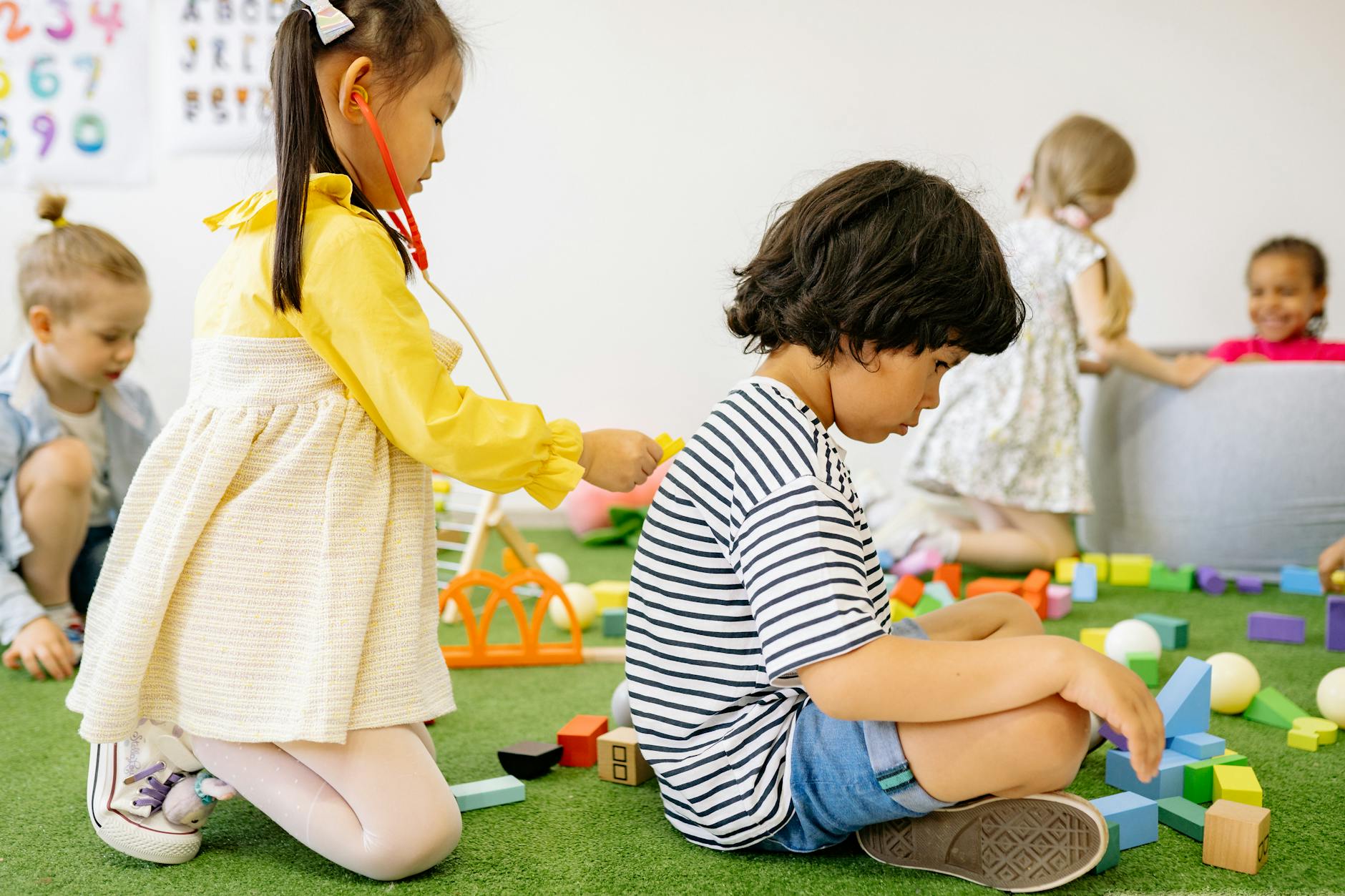
Navigating the Social Seas: Tips for Parents
As parents, our role is to facilitate, not dictate. We want to create a safe and supportive environment where our children can learn and grow. This is where parenting preschoolers social skills can feel like a balancing act.
Keep it Short and Sweet
For preschoolers, an hour and a half to two hours is often plenty. Their energy and focus wane quickly. It's better to have a shorter, successful playdate than a long, drawn-out one that ends in meltdowns. Think quality over quantity.
Less is More with Toys
It might seem counterintuitive, but too many toys can actually lead to conflict. When there are fewer options, kids are more likely to share and be creative with what they have. You might even try putting away some of the "special" toys that tend to cause disputes.
Step Back (But Stay Close)
Your instinct will be to jump in and solve every little disagreement. Resist that urge! Let the children try to work things out themselves. Offer gentle guidance if needed, but allow them the space to practice their problem-solving skills. This is how they learn to manage conflict and improve child social skills.
Consider the Guest List
Start with one or two friends at a time. A larger group can be overwhelming for some preschoolers. Think about your child's temperament and who they seem to connect with most easily. Building confidence with one-on-one playdates is a great stepping stone to larger group interactions.
The Unexpected Angle: Playdates as Skill-Building Laboratories
We often think of playdates as purely recreational, and they absolutely should be fun! But here's something I've learned over the years: they are also incredibly effective, low-pressure skill-building laboratories. When we reframe them this way, we can appreciate their deeper value.
Practicing Empathy in Action
When one child is sad because a toy broke, and another child offers comfort or a distraction, that's empathy in practice. This isn't something you can easily teach from a book; it's learned through lived experience. These moments are invaluable for social development preschoolers.
Negotiation and Compromise in Real-Time
Who gets to be the superhero? Who gets the red crayon? These aren't just squabbles; they are opportunities for negotiation and compromise. Children learn to express their desires, listen to others, and find solutions that work for everyone. This is a crucial part of their social skills playdates: boost child development this spring.
Emotional Regulation Practice
Frustration is inevitable. A child might not get their way immediately, or a game might not go as planned. A playdate provides a safe space to experience these emotions and learn strategies for managing them. With your support, they can learn to take deep breaths, ask for help, or redirect their attention. This is vital for their overall child development milestones and can be especially important during spring growth spurts.
So, the next time you're planning a get-together, remember you're not just setting up an afternoon of fun. You're providing a rich environment for your child to learn, grow, and connect. The right preschool playdate ideas can truly make a world of difference. For more on how to support your child's social growth, check out Healthline research on preschool playdate ideas. You might also find insights from The Gottman Institute research on preschool playdate ideas helpful.