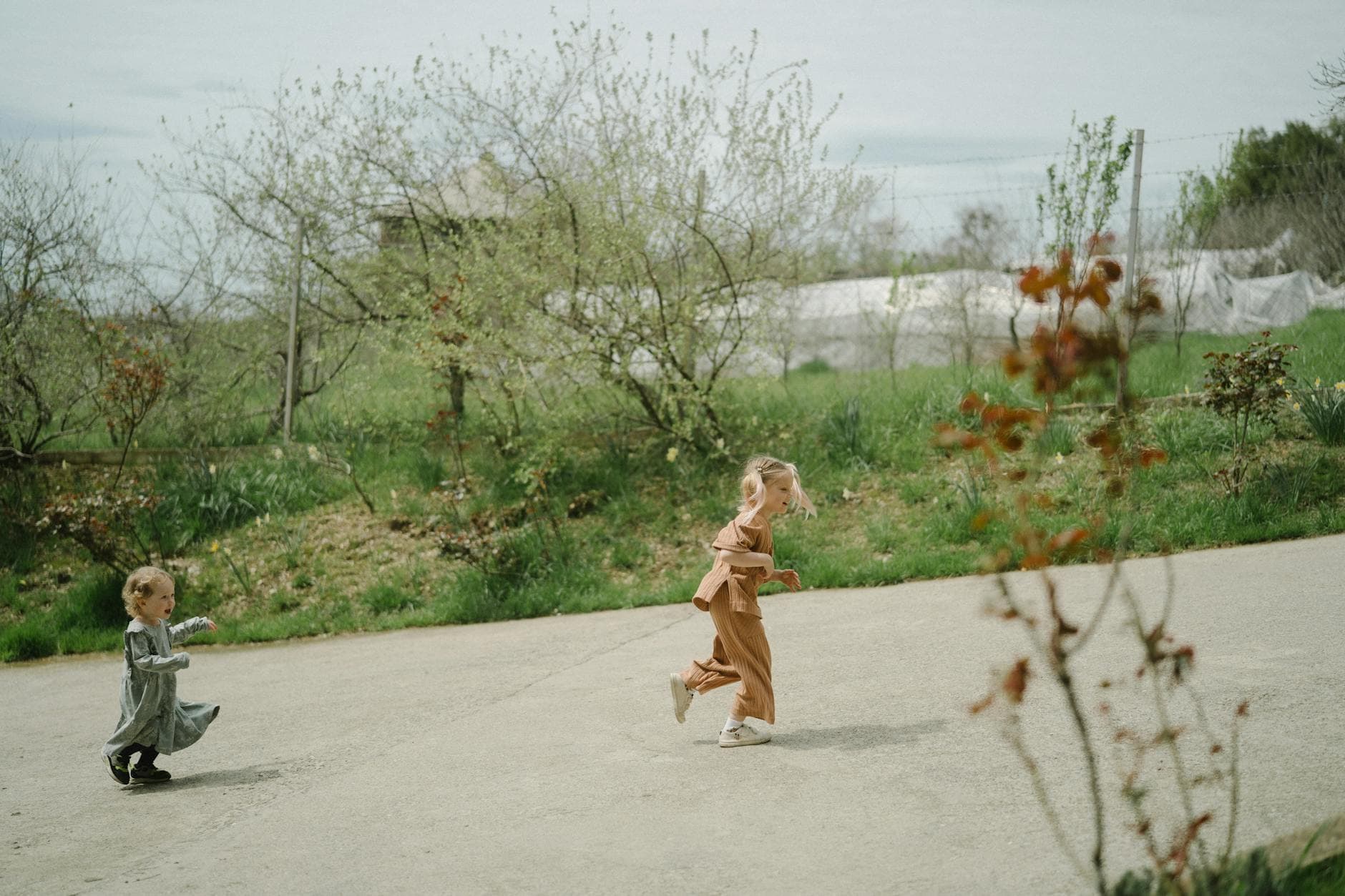
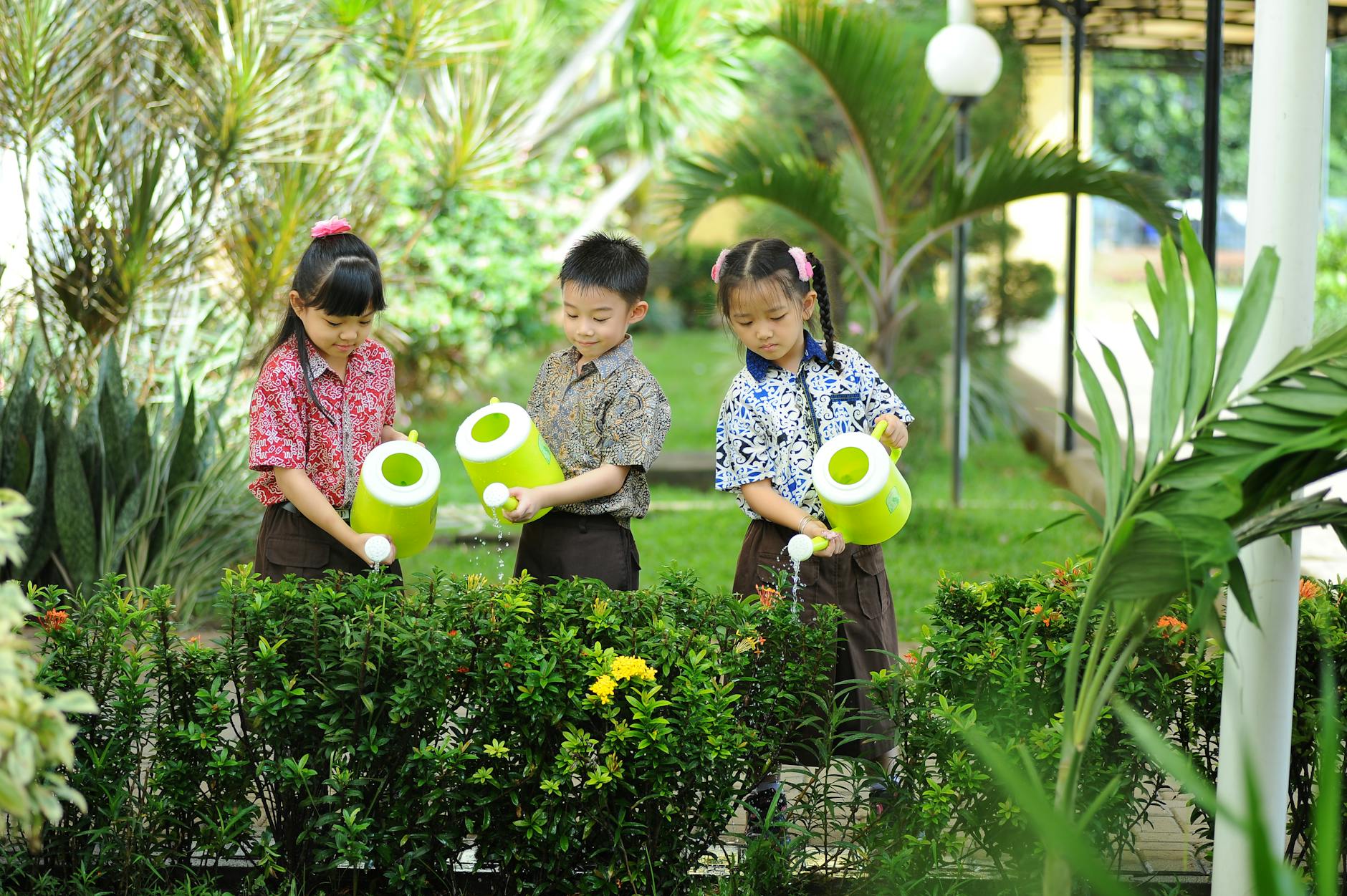
What if I told you that the simple act of digging in the dirt, planting a tiny seed, and watching it sprout could be one of the most profound experiences you share with your child this spring? Imagine a world where giggles replace groans, where curiosity blossoms into knowledge, and where the connection between you and your little one deepens with every watering can they wield. This isn't a far-fetched dream; it's the vibrant reality of kids spring gardening.
The Unearthing of Wonder: Why Spring Gardening for Kids Matters
More Than Just Mud Pies
You've probably noticed it too – that electric buzz in the air as winter recedes. Kids seem to have an extra spring in their step, a renewed eagerness to explore. This is precisely why spring gardening for kids is so powerful. It taps into that innate drive for discovery and provides a tangible, hands-on way to engage with the natural world. It's about so much more than just getting a little messy; it's about fostering a connection to nature that lasts a lifetime.
A Living Classroom
Honestly, I used to think gardening was just for adults with green thumbs. But I've seen firsthand how kids approach it with an uninhibited joy and a natural inclination to learn. They become little scientists, observing, experimenting, and celebrating every tiny victory. This natural learning environment is incredibly valuable for early childhood development, offering lessons in patience, responsibility, and the incredible magic of life cycles for kids. It’s a far cry from rote memorization; this is learning that imprints itself on their very being.
Cultivating More Than Just Plants
Here's the thing that truly excites me about kids spring gardening: it’s a fertile ground for cultivating essential life skills. When a child carefully places a seed into the soil, they are not just performing a task; they are investing in a future outcome. They learn about cause and effect, about the importance of consistent care, and about the beautiful uncertainty of growth. This process is a fantastic way to nurture a growth mindset for kids, teaching them that effort leads to results and that setbacks are just opportunities to try again.
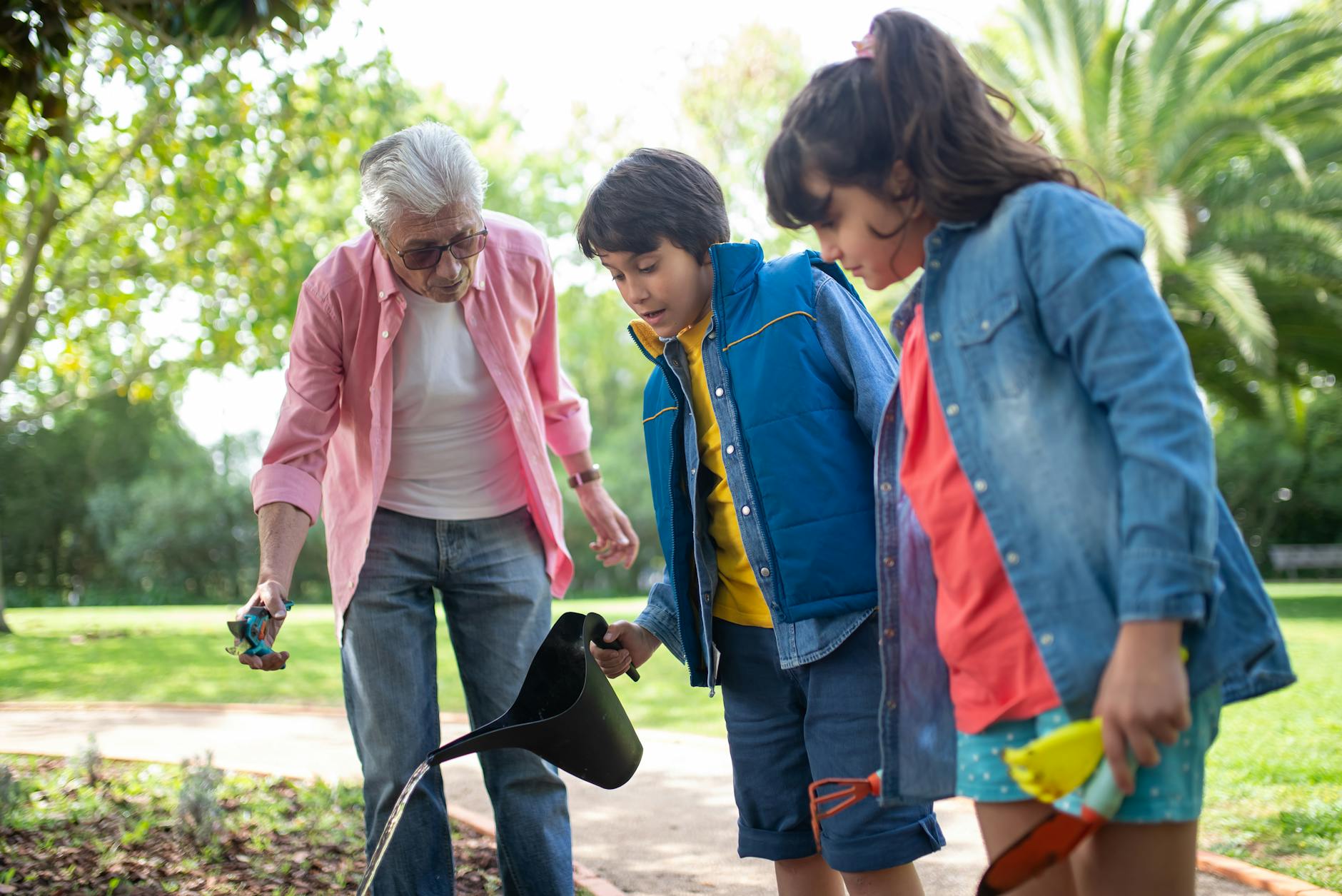
Getting Your Hands Dirty: Simple Steps to Start Kids Spring Gardening
Choosing the Right Patch
Don't overthink it! You don't need acres of land. A sunny windowsill, a few pots on a balcony, or a small corner of your yard can become your child's personal garden. The key is accessibility and a spot where they can feel like they have ownership. Consider starting with easy-to-grow plants like radishes, lettuce, sunflowers, or marigolds. These offer quick rewards, which is crucial for keeping young gardeners engaged.
Gathering the Tools
Keep it simple and kid-friendly. Small trowels, colorful watering cans, and sturdy gloves are perfect. Reclaimed items can also be fantastic – old yogurt cups make great seed starters, and clean milk jugs can be transformed into mini-greenhouses. The goal is to make the experience accessible and fun, not to equip them with professional-grade gear. Think about the last time you saw a child’s face light up with a special tool designed just for them; that’s the feeling we’re aiming for.
The Joy of Planting
This is where the magic truly begins. Talk to your child about what they are planting. What does the seed look like? What do they think it needs to grow? Let them dig the holes (with supervision, of course!), place the seeds, and gently cover them with soil. The feeling of the soil between their fingers is a sensory experience that connects them directly to the earth. For very young children, you might even consider pre-sprouted seeds or small starter plants to give them an immediate sense of accomplishment.
Beyond the Bloom: The Deeper Benefits of Gardening with Children
Nurturing Patience and Responsibility
I'll be real with you, teaching patience to children can feel like an uphill battle in our instant-gratification world. Gardening is a powerful antidote. Children learn that good things take time. They can't rush the process of germination or the ripening of a tomato. This slow, deliberate pace is a welcome contrast to the fast-paced digital lives many of our kids lead. They also develop a sense of responsibility as they understand that the plants depend on them for water, sunlight, and care. This connection to the well-being of another living thing is profound.
A Sanctuary for Mindfulness
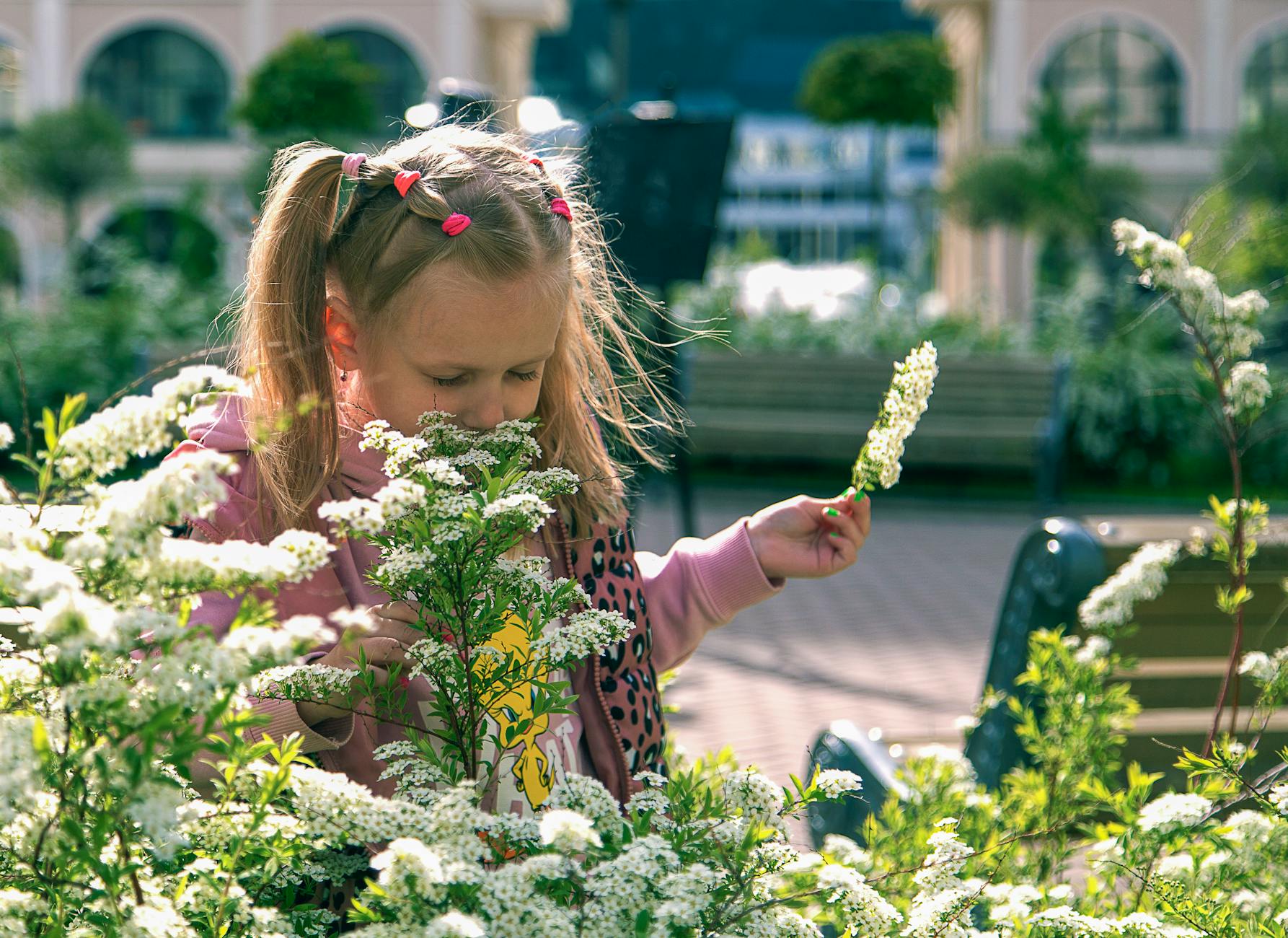
In a world buzzing with distractions, gardening offers a quiet space for mindfulness for children. The gentle rhythm of weeding, watering, and observing can be incredibly calming. It encourages children to be present in the moment, to notice the small details – the dewdrop on a leaf, the busy ant, the subtle change in color of a budding flower. This can be particularly helpful for children who struggle with anxiety or sensory overload. It's a natural way to help them connect with their senses and find a sense of peace.
The Sweet Taste of Success (and Produce!)
There's nothing quite like the pride a child feels when they harvest something they've grown themselves. Whether it's a handful of snap peas, a few bright strawberries, or even just a single carrot, that tangible reward is incredibly motivating. It connects them to their food in a way that supermarket shopping simply cannot. This experience can even encourage picky eaters to try new things, especially when they've had a hand in growing them. Imagine the delight of a child biting into a juicy tomato they nurtured from seed – it’s a taste of accomplishment.
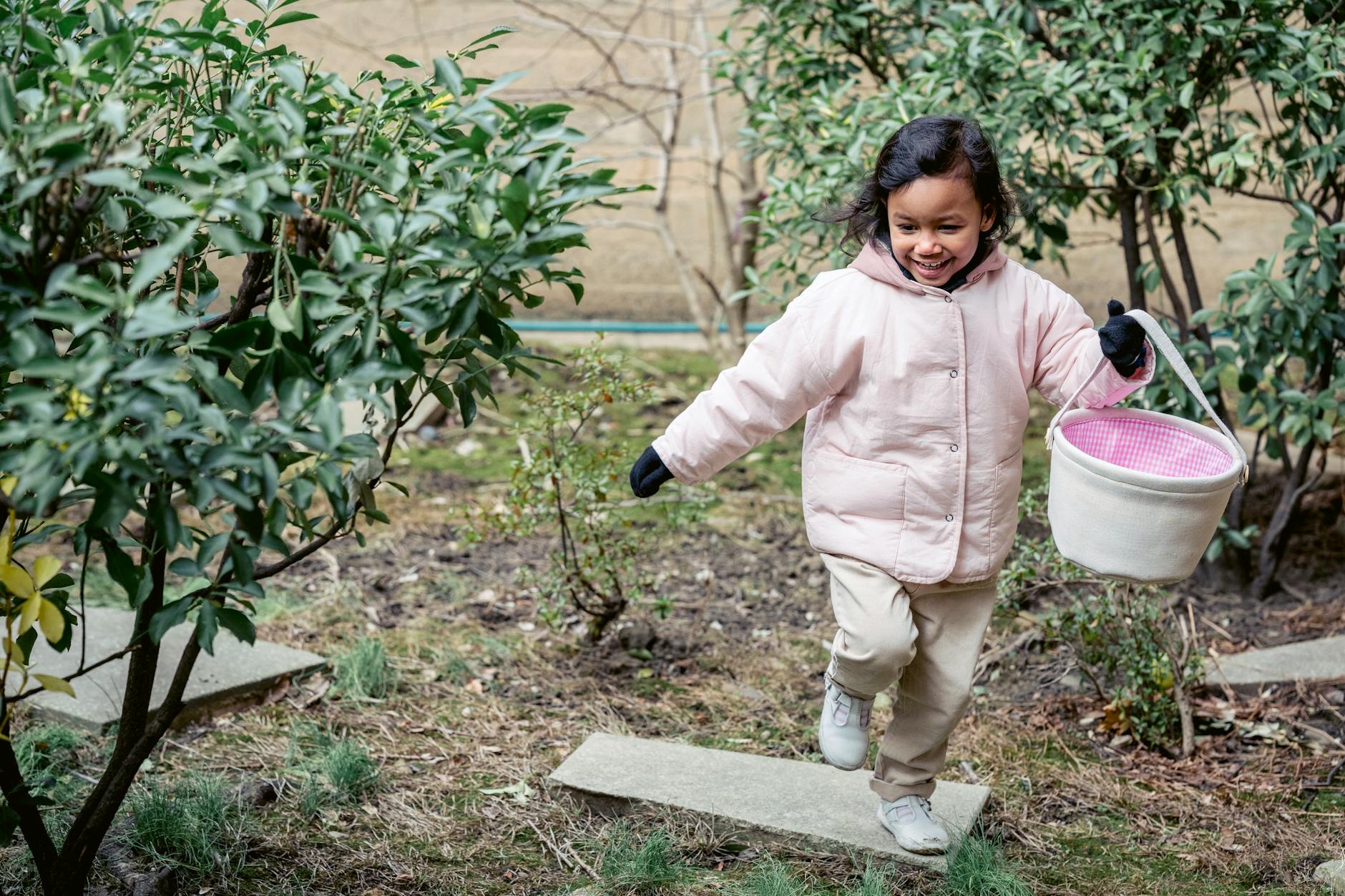
Seasonal Activities for Children: Embracing the Spring Garden
Spring Vegetable Patch Adventures
Spring is the prime time to get those cool-season vegetables in the ground. Think crisp lettuces, peppery radishes, vibrant spinach, and sturdy peas. Let your children help decide what to plant. You could even turn it into a fun game, researching different vegetables and their growing needs. This is a fantastic opportunity for nature based learning, as they discover how plants adapt to different seasons and conditions.
Flower Power: Blooms and Butterflies
Don’t forget the flowers! Planting bright, cheerful blooms like sunflowers, marigolds, zinnias, and cosmos not only adds beauty to your garden but also attracts beneficial insects like bees and butterflies. This provides another layer of learning about ecosystems and pollination. Watching a butterfly land on a flower they planted is a truly magical moment, connecting them to the wider web of life.
Beyond the Bed: Creative Container Gardening
If space is limited, container gardening is your best friend. Small pots, hanging baskets, or even repurposed containers can host a variety of plants. This is where creativity can really shine! Kids can help decorate their pots, choose interesting plant combinations, and learn that gardening is possible anywhere. This can be a great way to encourage toddler independence, especially if you focus on very simple, low-maintenance plants.
Troubleshooting and Triumph: Overcoming Garden Challenges
When the Sprouts Don't Show
Not every seed will sprout, and that's okay. This is a valuable lesson in itself. Instead of disappointment, frame it as an opportunity to investigate. Did the seed get enough water? Too much sun? Was the soil too compacted? This kind of problem-solving is a core component of developing resilience. You can also explore resources from places like the National Alliance on Mental Illness research on kids spring gardening for broader insights into managing expectations and fostering a positive outlook.
Pest Patrol and Plant Protection
Encounters with garden pests are inevitable. Instead of reaching for harsh chemicals, explore natural pest control methods together. Ladybugs are natural aphid predators, and a simple spray of soapy water can deter many common garden nuisances. Teaching children about the delicate balance of nature and how to coexist with all creatures, big and small, is a powerful lesson. You might also find helpful information on managing environmental stressors from the National Institutes of Health research on kids spring gardening.
The Meltdown Mitigation Plan
Let's be honest, gardening with kids can sometimes lead to frustration, especially when things don't go as planned. If a child is experiencing a meltdown, take a deep breath. Sometimes, a short break is all that's needed. Remind them of the progress they've already made and focus on a small, achievable task to regain momentum. Understanding potential triggers, like changes in weather or unexpected challenges, is key. For more on managing these moments, consider the insights from Psychology Today research on kids spring gardening, which often touches on emotional regulation.
This spring, I urge you to embrace the dirt. Embrace the wonder. Embrace the opportunity to connect with your children on a deeper level through kids spring gardening. It’s a journey of growth, not just for the plants, but for the hearts and minds of your little ones. The lessons learned in a garden are sown into the very fabric of who they will become. So grab those trowels, get your hands dirty, and watch something beautiful grow.