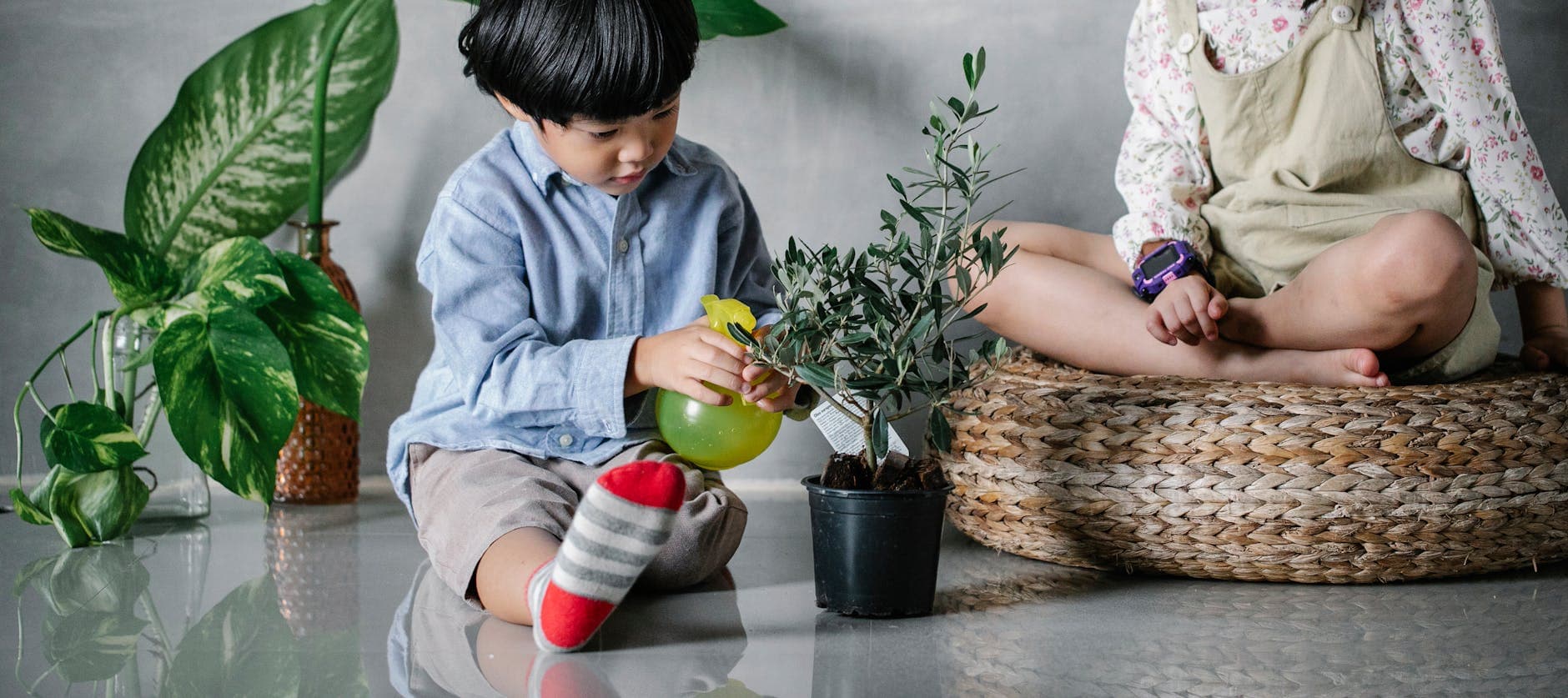
I remember one crisp spring morning, the air still holding a hint of winter’s chill, watching a group of four-year-olds tentatively approach a patch of freshly turned earth. Their eyes, wide with a mixture of curiosity and apprehension, scanned the small trowels and watering cans laid out beside a scattering of seed packets. This was their first real introduction to preschool garden activities, and I could feel the quiet hum of anticipation in the air. It wasn't just about planting seeds; it was about planting wonder, about nurturing a connection to the living world that, honestly, we often forget to cultivate in our busy, screen-filled lives. These simple acts of digging, watering, and waiting for life to emerge are profound, offering a tangible, sensory experience that textbooks simply can't replicate.
The Groundbreaking Benefits of Preschool Garden Activities
Cultivating More Than Just Plants
You might think of a garden as just a place to grow vegetables or flowers, but for preschoolers, it’s an entire universe of learning. The benefits of preschool garden activities extend far beyond the botanical. I’ve seen firsthand how children who engage in regular gardening develop a stronger sense of responsibility. When they are tasked with watering a seedling or checking for weeds, they understand that a living thing depends on them. This fosters a gentle, nurturing instinct that is invaluable as they grow.
Sensory Exploration for Little Hands
Here’s the thing: young children learn through their senses. A garden is a symphony for them. The feel of cool, damp soil between their fingers, the rough texture of a seed coat, the smooth coolness of a newly unfurled leaf, the vibrant colors of petals, and the earthy scent after a rain shower – it’s a multisensory feast. These kinds of experiences are crucial for cognitive development, helping them process information in a holistic way. It’s why preschool nature activities are so vital; they offer an unfiltered connection to the natural world.
A Natural Laboratory for Science
Gardening is, at its heart, applied science. When kids plant seeds and watch them sprout, they are observing germination. They learn about sunlight, water, and soil as essential elements for growth. They might notice how earthworms help aerate the soil or how ladybugs are beneficial insects. These aren't abstract concepts in a classroom; they are real, observable phenomena happening right before their eyes. This hands-on approach to preschool science activities spring offers a foundational understanding of ecological principles.
Getting Started with Preschool Garden Activities
Choosing the Right Space and Plants
Don't be intimidated if you don't have acres of land. A few large pots on a sunny balcony, a small raised bed, or even a designated corner of a playground can become a thriving preschool garden. The key is to choose plants that are relatively easy to grow and offer quick rewards. Radishes, lettuce, beans, sunflowers, and marigolds are excellent choices for gardening with toddlers and preschoolers. They grow fast, providing that crucial sense of accomplishment. I’ll be real with you, the joy on a child’s face when they harvest their first tiny radish is something special.
Essential Tools for Tiny Hands
You don't need a lot of fancy equipment. Sturdy, child-sized trowels and hand forks are a must. Watering cans with easy-to-hold handles are also important. Consider investing in some gardening gloves, although many children prefer the direct feel of the soil. Buckets for carrying soil or harvested produce are also very useful. Safety is paramount, so ensure all tools are made of durable materials and have no sharp edges. When teaching kids about plants, having the right tools makes the experience enjoyable and safe.
The Power of Observation and Patience
This one surprised me when I first started. Children often want instant results. Teaching them patience is a beautiful byproduct of gardening. They learn to wait for seeds to sprout, for flowers to bloom, and for fruits or vegetables to ripen. Encourage them to observe the changes daily. A simple magnifying glass can turn a routine check into an exciting discovery session. This practice in observation and patience is a valuable life skill, and it’s a core part of preschool nature activities.
Engaging Activities for Young Gardeners
Seed Planting: The First Big Step
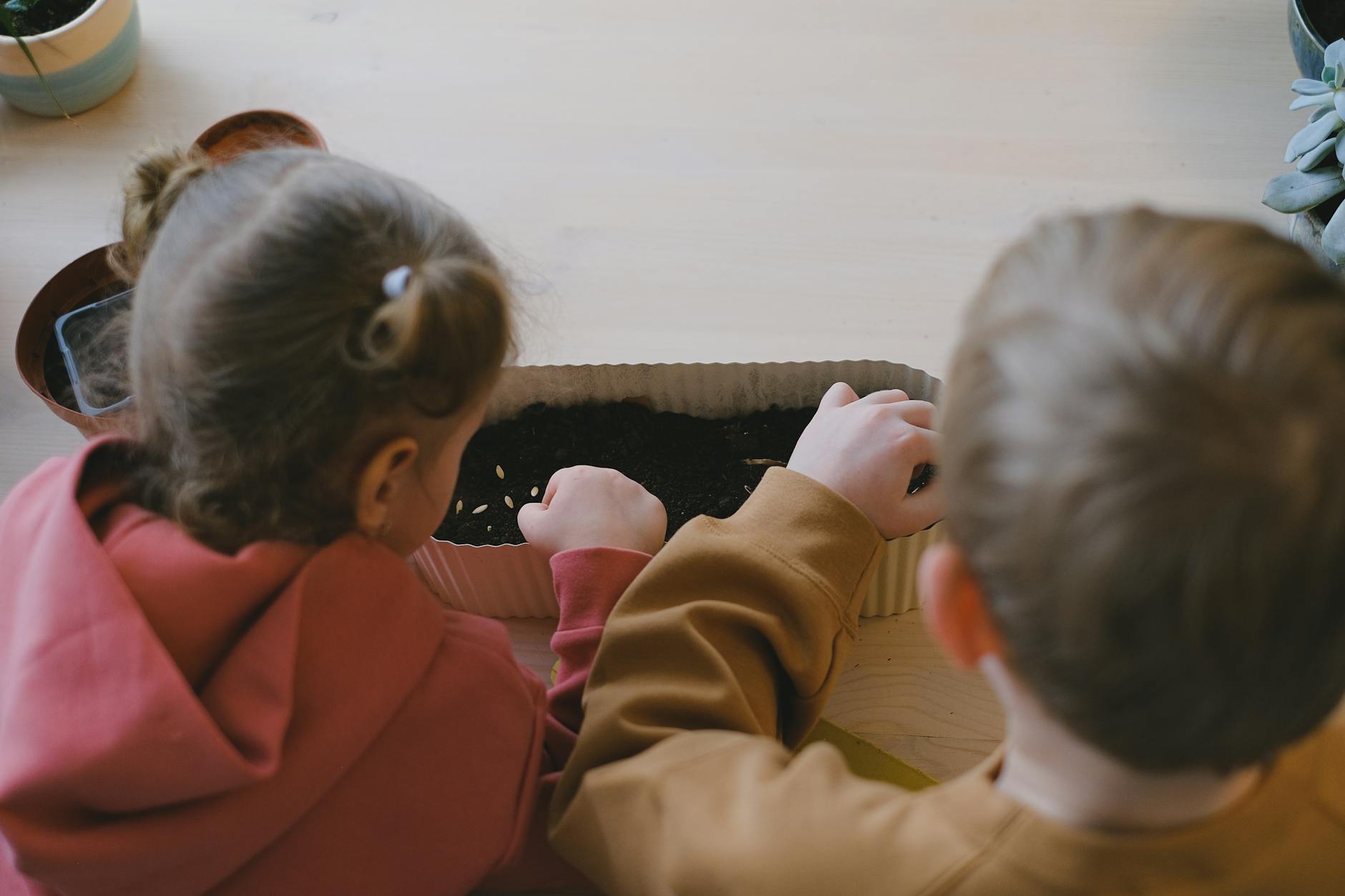
This is where the magic begins. Start with larger seeds like beans or peas, which are easy for little fingers to handle. Demonstrate how to make a small hole, place the seed gently, and cover it with soil. Talk about what the seed needs to grow – water and sunshine. You can even have the children draw pictures of what they think the plant will look like before it sprouts. This simple act of planting is a cornerstone of preschool garden activities.
Watering Wonders and Weeding Warriors
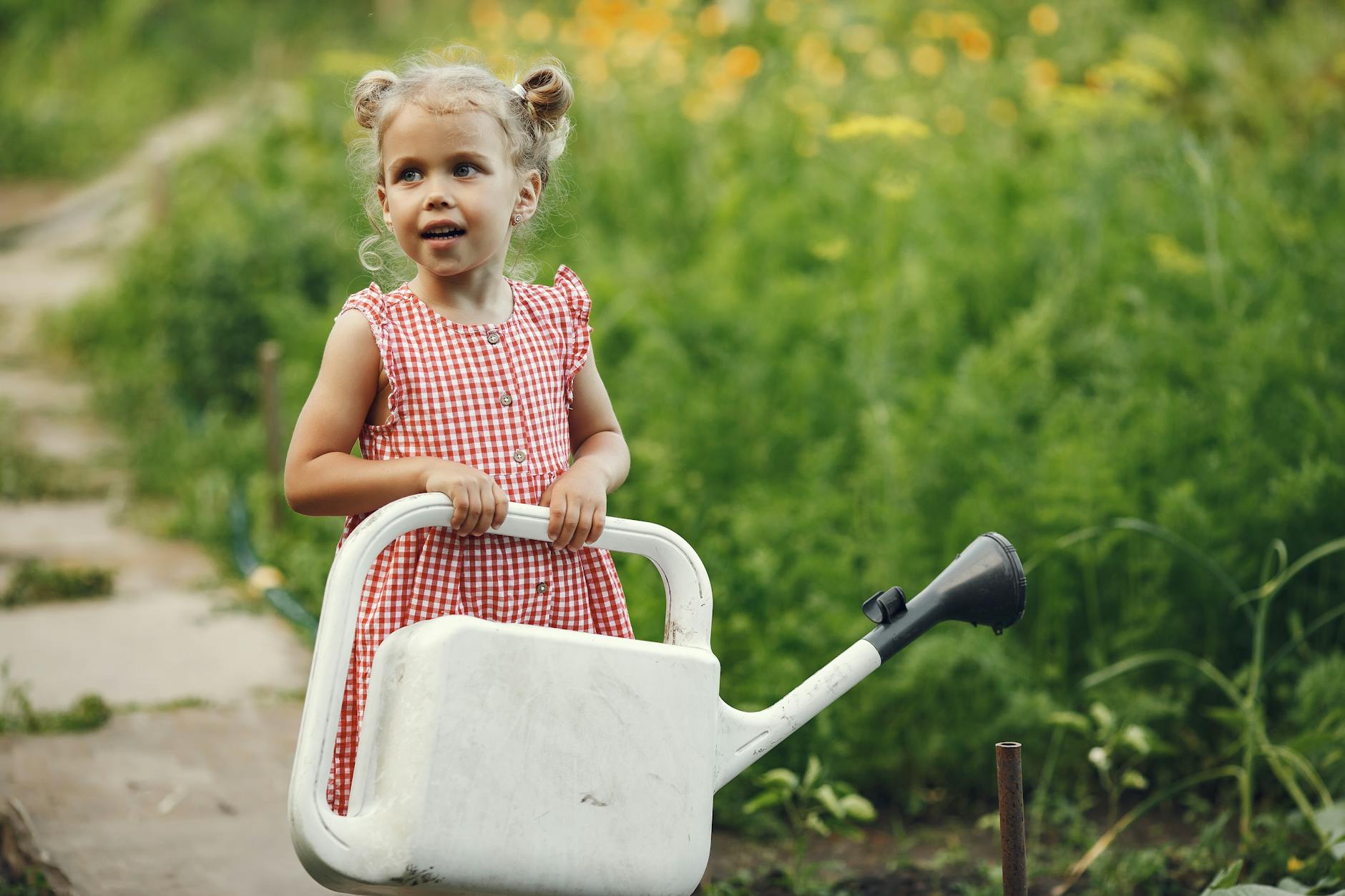
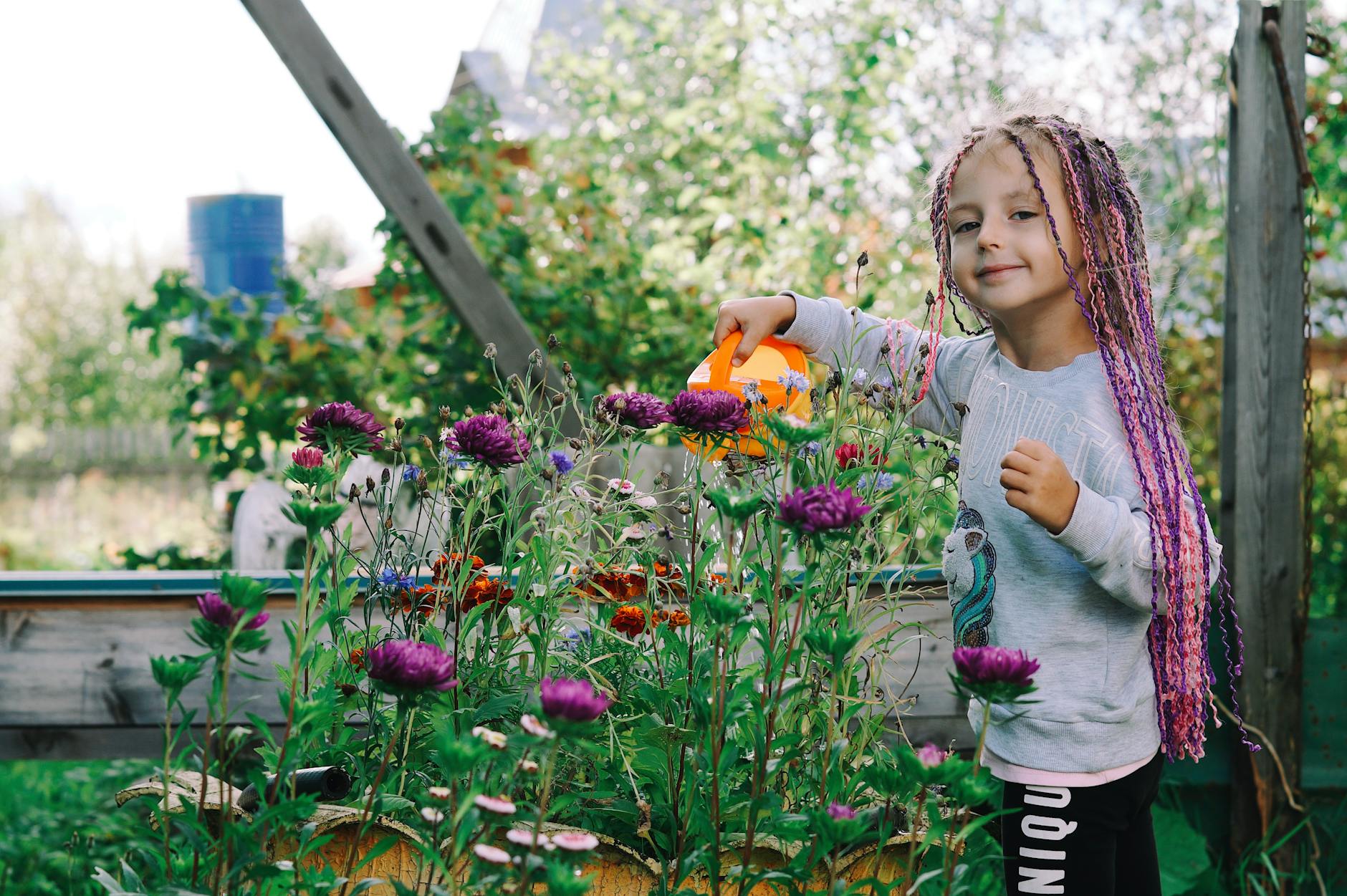
Watering can be a fun sensory experience. Let children take turns watering the plants, teaching them not to overwater or underwater. You can make a game out of identifying weeds – those unwanted plants that compete for resources. Explain that weeding helps the plants they *want* to grow thrive. This teaches them about cause and effect and the importance of caring for their garden. It's a gentle way to introduce the concept of stewardship.
Harvest Time: The Sweetest Reward
The culmination of their efforts! Harvesting is incredibly rewarding for children. Whether it's a handful of cherry tomatoes, a crisp lettuce leaf, or a bright sunflower, the sense of accomplishment is immense. Talk about how the plants have grown and changed. You can then use the harvested produce in simple snacks or crafts, further connecting the garden to their daily lives. This tangible result reinforces the value of their hard work and is a highlight of spring garden preschoolers.
Beyond the Basics: Creative Preschool Garden Activities
Sensory Garden Exploration
Create a sensory garden ideas for kids by planting a variety of textures and scents. Think fuzzy lamb's ear, fragrant lavender, or rough-skinned gourds. You can also incorporate natural elements like smooth stones, pinecones, and bark chips. Encourage children to touch, smell, and observe the different elements. This is particularly beneficial for children who may be hesitant to touch soil directly. These immersive experiences are invaluable for early childhood nature play.
Bug Hotels and Bird Feeders
Gardens attract wildlife! Help children build simple bug hotels using hollowed-out logs, bamboo canes, and straw. This teaches them about the importance of insects in the garden ecosystem. Setting up a bird feeder nearby can also attract feathered friends, offering more opportunities for observation and learning about local wildlife. These projects are fantastic for fostering a broader appreciation for nature’s interconnectedness.
Nature Art and Crafts
The garden is an endless source of art supplies. Collect fallen leaves, petals, twigs, and stones to create collages, sculptures, or nature mandalas. Children can press flowers and leaves to make bookmarks or greeting cards. This integrates artistic expression with their garden discoveries, making the learning process even richer. It's a wonderful way to extend the benefits of preschool garden activities into creative play.
Addressing Challenges and Encouraging Continued Engagement
When Plants Don't Cooperate
Not every seed will sprout, and not every plant will thrive. This is a perfect teachable moment. Instead of disappointment, frame it as a learning opportunity. Discuss why a plant might not have grown – perhaps it didn't get enough sun, or too much water. This is a natural part of the cycle of life and growth, and it’s a lesson that resonates deeply. It also helps build resilience. Think about the last time you tried a new recipe and it didn't turn out perfectly; you learned from it, right?
Integrating Gardening into the Curriculum
Preschool garden activities shouldn't be a standalone event. Integrate them into your daily or weekly routine. Use garden themes for storytelling, songs, and math activities (counting seeds, measuring plant growth). Connect the garden to literacy by reading books about plants and nature. This holistic approach ensures that gardening becomes a natural and engaging part of the learning environment. You might be wondering how to make it fit, but honestly, it weaves itself in beautifully.
Parental Involvement: The Secret Ingredient
Encourage parents to get involved. Share updates on the garden’s progress, suggest simple home gardening activities, or invite them to a harvest celebration. When parents are engaged, children are more likely to see gardening as important and enjoyable. You can even share parenting garden tips to empower them to continue the learning at home. A strong home-school connection amplifies the positive impact of these experiences.
Watching a child’s eyes light up as they pull a carrot from the earth, or the quiet satisfaction they feel when they’ve nurtured a tiny seedling into a blooming flower, is a powerful reminder of what truly matters. These aren't just preschool garden activities; they are foundational experiences that build character, foster curiosity, and cultivate a lifelong love for the natural world. The lessons learned in a garden – about patience, responsibility, observation, and the miracle of life – are some of the most important lessons a child can receive. So, get your hands dirty, embrace the mess, and watch the magic unfold. It’s a journey worth taking, for them and for us.