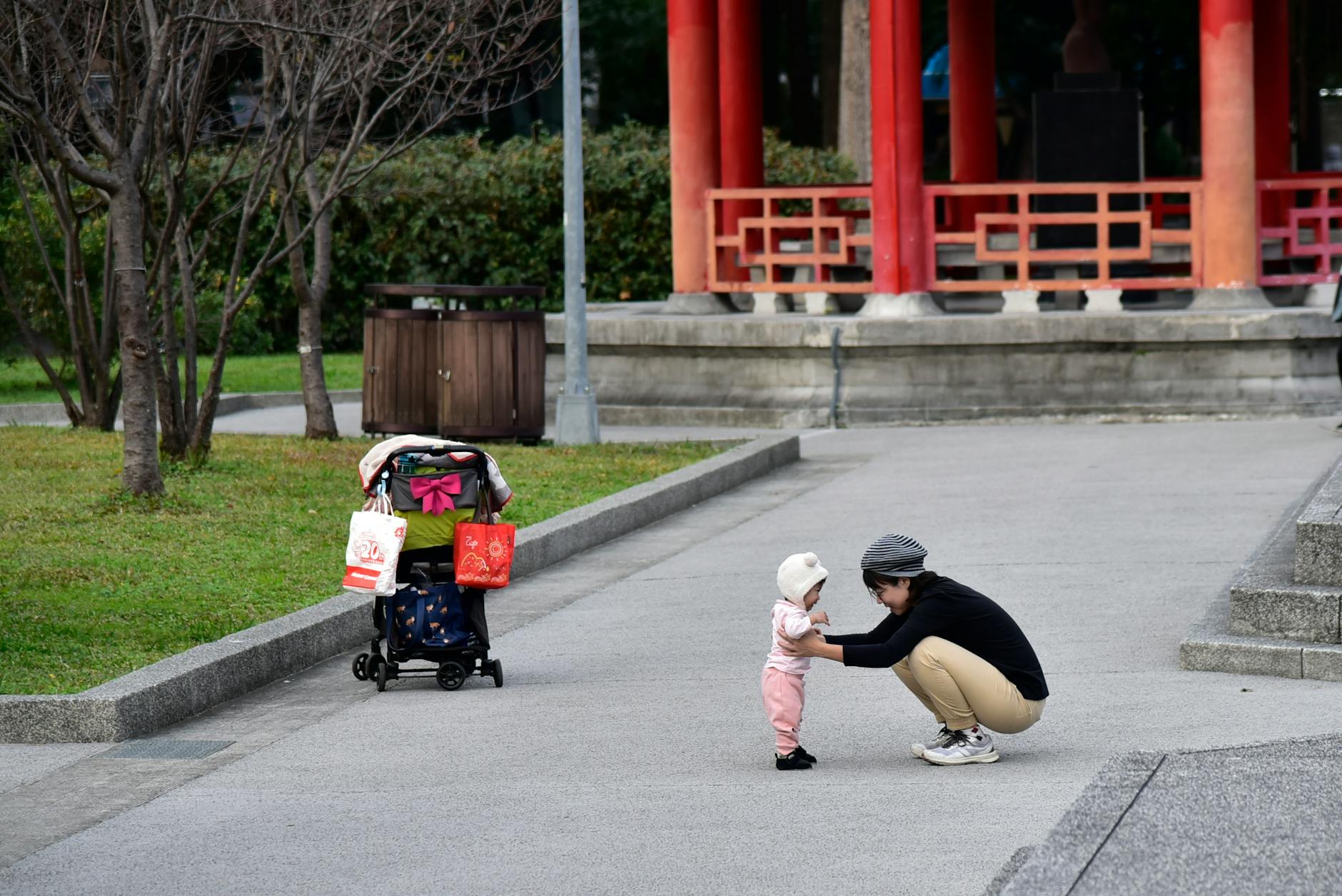
Picture this: you're at the park, watching your little one, Leo, absolutely dive into a sandbox. He's got his favorite truck, a determined look on his face, and he's digging with all his might. Suddenly, another child, let's call her Maya, toddles over, eyes wide with curiosity, and plops herself right down next to him, her little legs practically touching his. Leo freezes, his lower lip begins to tremble, and he clutches his truck tighter. This is a classic moment where the concept of toddler personal space comes into sharp, sometimes tearful, focus.
Why Toddlers Struggle with Personal Space
It's easy to get frustrated when your toddler seems to invade every inch of your personal bubble or push others away with no explanation. But here's the thing: understanding *why* they do it is half the battle. Their world is still so new, and they're figuring out so many things at once.
The Developing Brain
Toddlers are in a constant state of rapid development. Their prefrontal cortex, the part of the brain responsible for impulse control, social understanding, and abstract thinking, is still very immature. This means they often act on instinct rather than through reasoned thought. Concepts like "mine" and "yours," or the idea that someone else might feel uncomfortable with closeness, are complex social cues they're only just beginning to grasp.
Limited Social Experience
For many toddlers, especially those who haven't had extensive peer interaction, the nuances of social dynamics are a foreign language. They might not understand that standing too close, touching without asking, or taking toys without offering a turn can upset another child. Their interactions are often exploratory, driven by curiosity and a desire to connect, but without the learned social filters we adults take for granted.
Egocentrism is Normal
Jean Piaget's work on cognitive development highlights that toddlers are naturally egocentric. This doesn't mean they're selfish; it means they genuinely struggle to see things from another person's perspective. They assume everyone experiences the world just as they do. So, if they want to hug a new friend tightly or grab a toy that looks interesting, they might not consider how that action affects the other child.
Learning Through Doing
Toddlers learn best through hands-on experiences. They are experimenting with their environment and their social interactions. This often means they'll push boundaries, both physically and socially, to see what happens. This exploration is crucial for their learning, even if it sometimes leads to awkward or upsetting situations for everyone involved.
Teaching Toddler Personal Space: The Gentle Approach
So, how do we guide these little explorers toward understanding and respecting boundaries? It's a marathon, not a sprint, and it requires patience, consistency, and a whole lot of modeling. Forget lectures; think practical, in-the-moment teaching.
Modeling is Key
Children are sponges, and they learn so much by watching us. When you interact with your child, be mindful of your own personal space. Gently say, "Mommy needs a little bit of space right now, can you stand here instead?" Or when interacting with others, demonstrate respectful physical contact. A gentle hand on the arm, a warm hug that's not too tight – these are all lessons. The Gottman Institute research on toddler personal space emphasizes the importance of parents modeling healthy relationship dynamics.
Use Simple Language
When an incident occurs, like Maya leaning too close to Leo, intervene calmly. Instead of saying, "Don't do that!" try something like, "Maya, Leo is playing with his truck right now. He needs some space. You can play next to him, but let's give him room." For younger toddlers, you might even use a physical cue, like gently holding their hand back or creating a visual boundary with your own body.
Introduce the "Personal Bubble" Concept
This is a visual and relatable way to explain personal space. You can draw a circle around yourself and your child, or even use masking tape on the floor to create a "personal space bubble." Explain that everyone has their own bubble, and it's important not to pop someone else's bubble without their permission. You can even use this during playtime. "Okay, you can play in your bubble, and I can play in my bubble." This makes the abstract concept concrete.
Practice Makes Perfect (and Sometimes Messy)
Opportunities to practice boundaries are everywhere. When your child is climbing on you, say, "Ouch, that's too hard! I need you to be gentle." If they're grabbing at your face, say, "I don't like when you grab my eyes. Can you touch my arm instead?" These are all ways of teaching them about physical boundaries in a loving way. For older toddlers, you can start introducing the idea of asking for hugs or physical affection.
Navigating Social Playgrounds and Playdates
Playgrounds and playdates are prime training grounds for learning about toddler personal space. They're also where conflicts are most likely to erupt. Having a strategy can make these situations much smoother.
Setting the Stage for Success
Before heading to the park or inviting friends over, have a quick chat with your child about sharing and taking turns, which are closely linked to respecting personal space. You can say, "We're going to the park to play with friends. Remember to be kind and share the toys. If someone is using something, we wait our turn." This pre-game pep talk can make a difference.
Supervise and Intervene Gently
Active supervision is crucial. You don't want to hover, but you do want to be present enough to notice when a situation is escalating. If you see Leo getting uncomfortable with Maya's closeness, step in before he has a meltdown. "Maya, it looks like Leo needs a little more room to play with his truck right now. How about you try the swings for a bit? We can come back to the sandbox later." The goal is redirection, not punishment.
Teach "Ask First"
This is a fundamental skill for respecting personal space. Encourage your child to ask before touching someone or taking their toy. "Leo, do you want to play with Maya's ball? You need to ask her first." And when another child wants to interact with your toddler, prompt your child, "Maya wants to show you her drawing. Do you want to see it?" This teaches them to seek consent and also to respond to requests.
Embrace Spring Activities for Personal Space Practice
Spring is a wonderful time for outdoor play, which offers fantastic opportunities to practice these skills. Think about activities that naturally encourage individual space. For instance, blowing bubbles can be a great way to teach kids to stay within their own "bubble" and not pop others'. Or consider a simple game of follow the leader where each child has to maintain a certain distance. Even something like a scavenger hunt can encourage children to explore their environment independently, respecting each other's searching space. For more ideas, check out Independent Outdoor Play: Boost Preschooler's Skills.
Boundaries Toddlers: More Than Just Physical
While physical boundaries are often the most visible, teaching toddlers about boundaries extends to their emotional and verbal space as well. This is foundational for their social emotional learning toddlers.
Respecting "No" and "Stop"
When your toddler says "no" or "stop" (even if it's in their own toddler language), acknowledge it. If they push your hand away, say, "Okay, you don't want a hug right now. I'll give you a high-five instead." This teaches them that their feelings and desires are valid and that they have a right to say no. This is the very beginning of teaching kids about consent.
Understanding Others' Feelings
Help your toddler connect actions with emotions. When Leo is upset because Maya took his truck, you can say, "Maya took your truck, and that made you sad. How do you think Maya felt when you pushed her?" This is difficult for toddlers, but with consistent coaching, they'll start to make these connections. You might also want to explore resources from the National Institutes of Health research on toddler personal space for further insights into emotional development.
The "Inside Voice" and Gentle Hands
These are classic phrases for a reason. Teaching toddlers to use an "inside voice" is about respecting the auditory space of others. Similarly, teaching "gentle hands" is about respecting physical space and avoiding actions that could hurt or startle someone. This is a part of building their social skills and learning to be considerate.
When to Seek Additional Support
Most toddlers go through phases of boundary testing. However, if you notice persistent aggression, extreme difficulty with any form of social interaction, or a complete lack of empathy that doesn't improve with consistent guidance, it might be worth talking to your pediatrician or a child development specialist. The National Alliance on Mental Illness research on toddler personal space also offers insights into broader child mental health.
The Long Game: Fostering Independence and Respect
Teaching toddler personal space isn't just about preventing playground squabbles; it's about laying the groundwork for healthy relationships, self-respect, and emotional intelligence. It's a vital part of fostering their preschooler self identity.
Building Confidence Through Boundaries
When children understand their own boundaries and learn to respect the boundaries of others, they feel more secure. This security allows them to explore their world with confidence, knowing they can navigate social situations. It also empowers them to assert their own needs appropriately.
Empowering Your Child
By consistently teaching about personal space and boundaries, you are empowering your child. You're giving them the tools to communicate their needs, to understand and respect others, and to build positive connections. This is a gift that will serve them throughout their lives.
It's Okay to Not Be Perfect
I'll be real with you, there will be days when you feel like you're constantly correcting, redirecting, and mediating. That's normal. Parenting toddlers is messy. Some days will be smoother than others. Celebrate the small victories: a moment of thoughtful sharing, a successful "ask first," or a time your child independently gave someone space. These are the building blocks of a well-adjusted, respectful human being.
Looking Ahead: Summer Camp and Beyond
As your child grows, these skills become even more important. Think about preparing for new experiences like summer camp. Understanding personal space and boundaries is crucial for success in these environments. Resources like Summer Camp Fears? Talk to Kids: Open Communication Tips and even exploring the idea of Toddler Sleepaway Camp: Prep for Independence can highlight how fundamental these social-emotional skills are for future independence.
So, the next time you see that familiar park scenario unfolding, take a deep breath. Remember that Leo and Maya are just learning. With your patient guidance, they'll grow into children who understand and honor the invisible, yet incredibly important, lines of toddler personal space.