The Unfolding Map of a Preschooler's Identity
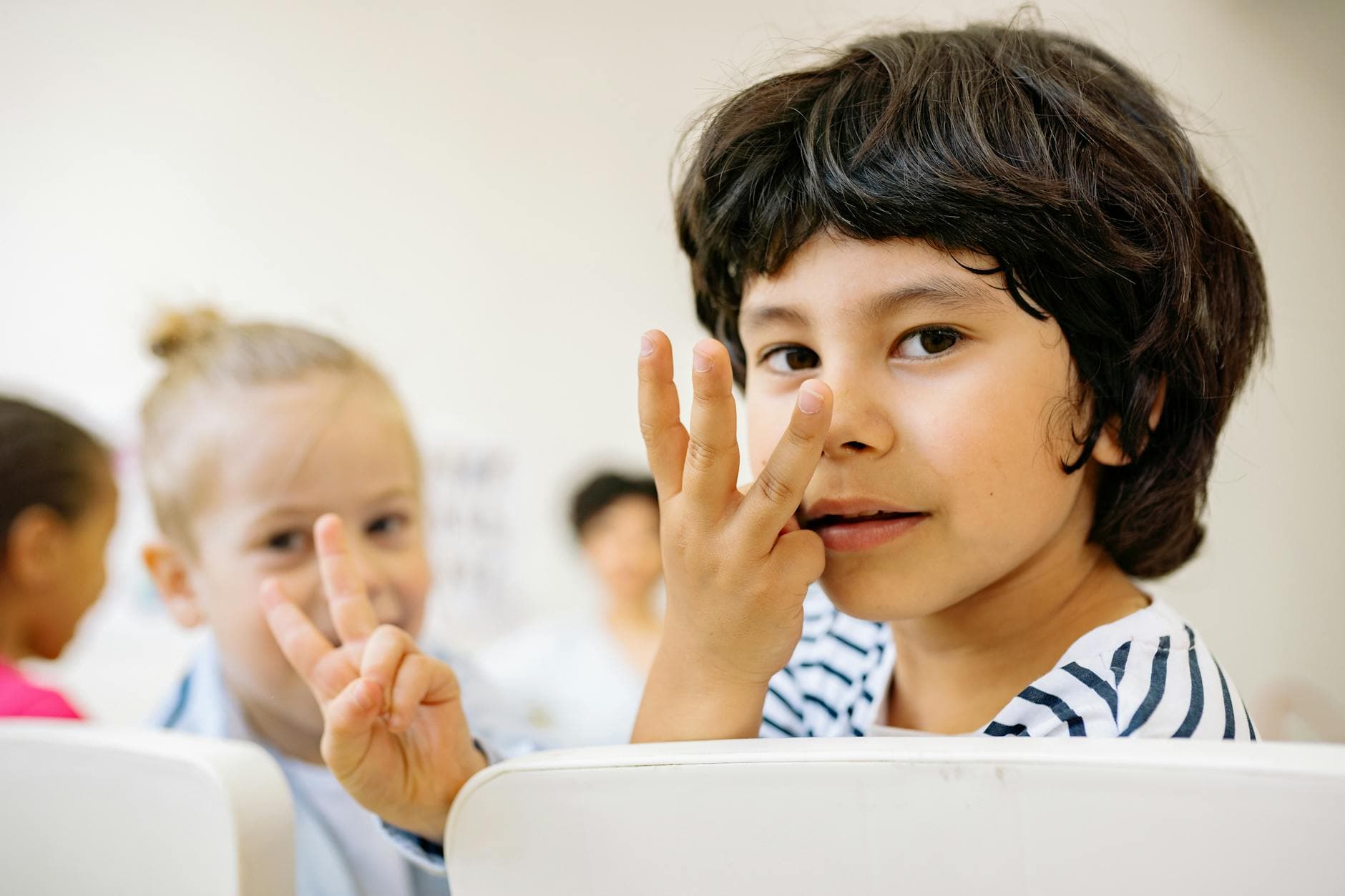
There’s a common misconception that self-identity is something that solidifies in adolescence, a dramatic revelation of who you are. Honestly, that’s a bit of a myth. For our youngest humans, the groundwork for their preschooler self identity is being laid brick by painstaking, joyful, and sometimes messy brick, right from their toddler years and blossoming intensely during the preschool stage. It’s not about them knowing their life’s purpose at four; it’s about them understanding they are a separate, thinking, feeling individual with unique preferences and capabilities. This developmental stage is less about grand pronouncements and more about quiet discoveries: "I like blue." "I can build this tower." "That made me sad."
This journey of developing a sense of self is profoundly influenced by how we, as parents and caregivers, respond to their explorations and assertions. It’s a delicate dance between providing structure and allowing freedom, between guiding and letting them lead.
Understanding the Foundations
Preschoolers are not just mini-adults. Their brains are wired differently, and their understanding of the world, and themselves within it, is constantly evolving. It's a period of intense social and emotional learning, where they begin to grasp concepts like fairness, empathy, and their own place in the family and peer group.
The Mirror of Reflection
Think about the last time your child insisted on wearing mismatched socks or declared their favorite color to be "sparkly purple." These aren't just whimsical choices; they are early expressions of personal preference. When we acknowledge these preferences, even the silly ones, we're telling them, "Your thoughts and feelings matter." This simple act is foundational to building confidence in preschoolers. It’s about them seeing themselves reflected back as a valued individual.
Navigating the Social Seas
Preschool is often a child's first real immersion into a social world beyond immediate family. They learn to interact with peers, negotiate conflicts, and understand social cues. These interactions are crucial for their developing sense of self. How they are treated by other children, and how they learn to treat others, shapes their understanding of their own social standing and capabilities. This is central to preschooler social emotional learning.
Encouraging Individuality: More Than Just Pretty Pictures
It’s easy to fall into the trap of wanting our children to be "good" and compliant, which can sometimes mean subtly discouraging behaviors that feel inconvenient or out of the ordinary. But true encouraging individuality preschool means embracing their quirks and supporting their unique ways of being.
The Power of Choice
Giving preschoolers meaningful choices, within safe boundaries, is one of the most powerful ways to foster their sense of self. It’s not about letting them run wild; it’s about empowering them to make decisions that affect them directly. This cultivates their child's growing independence and signals that their opinions are valued.
Small Decisions, Big Impact
This might look like letting them choose between two outfits for the day, selecting a book to read before bed, or deciding which block to place next in a tower. These aren't earth-shattering decisions, but for a preschooler, they are significant. They learn that they have agency and that their choices have consequences, which is a vital part of their child's sense of self development.
Embracing the "No"
I’ll be real with you, the phase of constant "no" can be exhausting. But often, that "no" is a preschooler's way of asserting their separateness. Instead of seeing it as defiance, try to understand it as a declaration of their developing will. Sometimes, a simple acknowledgment like, "I hear you don't want to do that right now," can de-escalate the situation and validate their feelings, even if you still need to guide them towards the necessary action.
Fostering Independence: The Building Blocks of Confidence
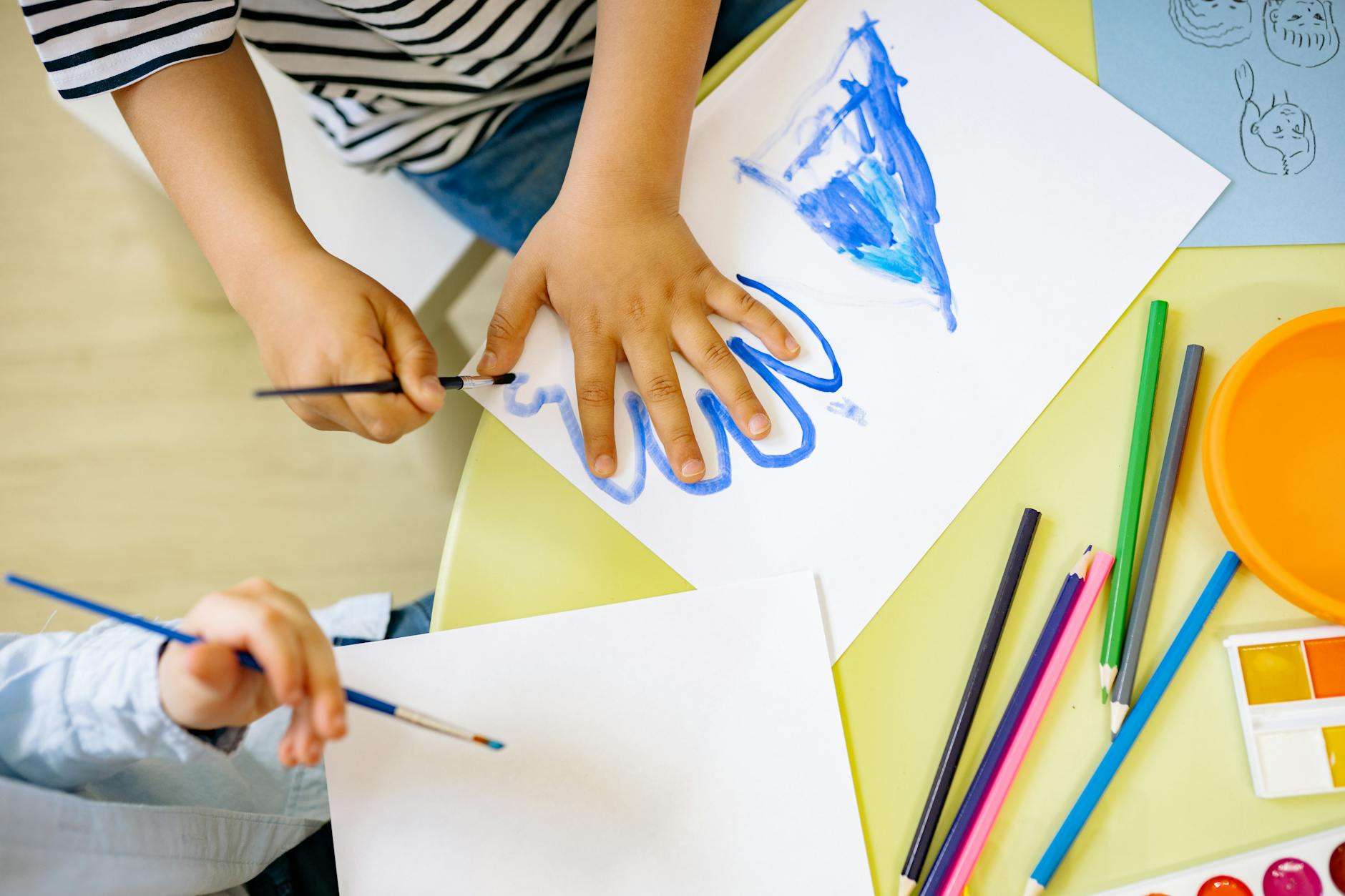
The desire for autonomy is intrinsic to human nature, and it’s incredibly strong in preschoolers. Nurturing this child's growing independence isn't just about making your life easier; it's about equipping them with essential life skills and bolstering their self-esteem.
Mastering Small Feats
Independence isn't built overnight. It’s constructed through a series of small victories. When a preschooler successfully puts on their own shoes, pours their own water (with a spill-proof cup, of course!), or tidies up their toys after playing, they experience a profound sense of accomplishment. These are early preschooler self esteem activities.
The Art of Letting Go (a Little)
This one surprised me early on. I used to think my job was to *do* things for my kids to make their lives easier. But I learned that my job is to help them learn to *do* things for themselves. So, instead of quickly zipping up a coat, I’d patiently guide their little hands, offering encouragement. This process of fostering independence in young children is key.
The Value of Struggle
It’s tempting to swoop in the moment a child struggles with a puzzle piece or a button. However, allowing them to grapple, to try different approaches, and even to fail (safely) is where real learning and resilience are built. This is a crucial aspect of supporting unique child development. They learn that challenges are surmountable and that they possess the capacity to figure things out.
Preschooler Individuality: Celebrating the Unique Spark
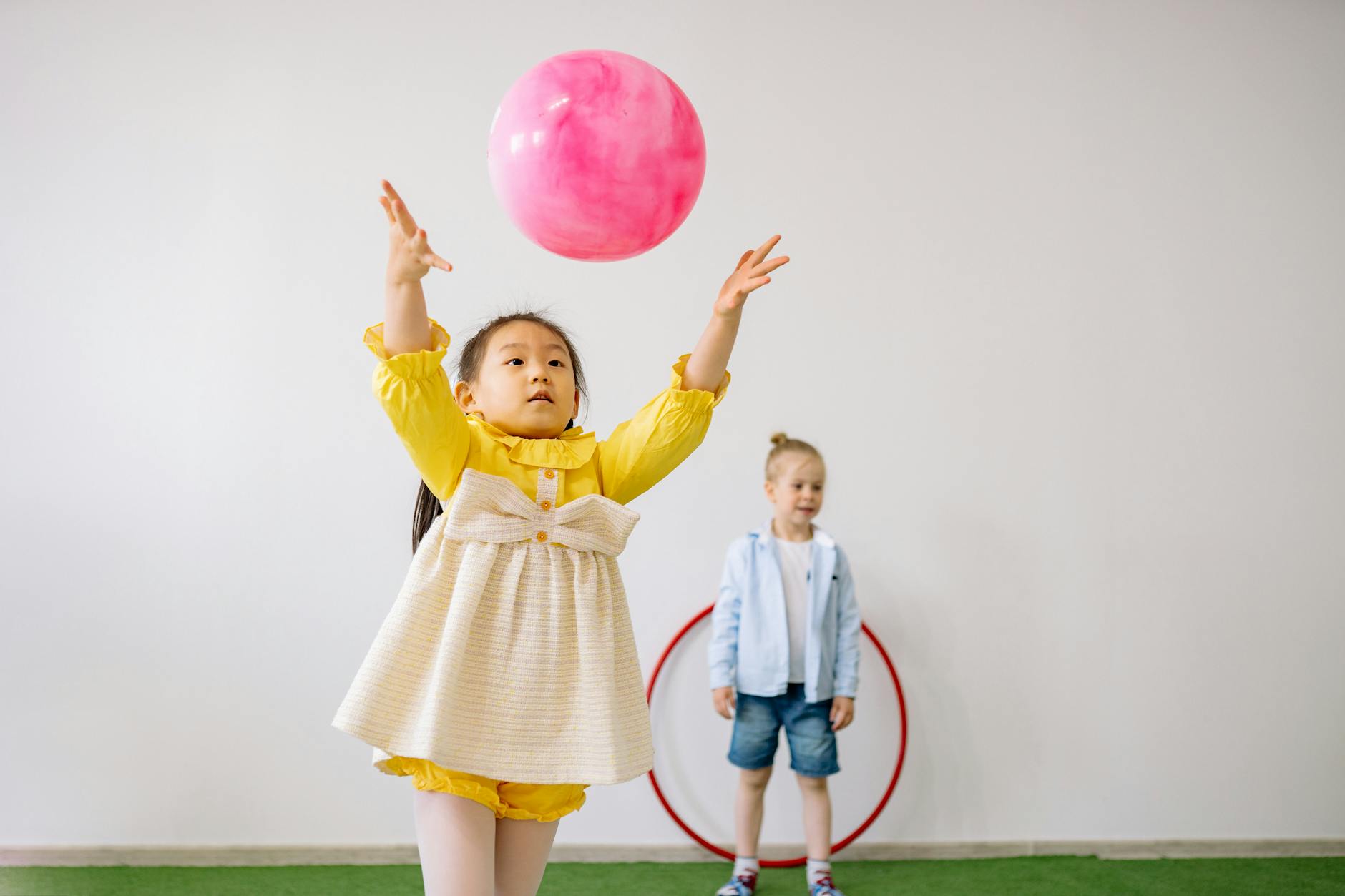
Every child is a universe of their own, with unique talents, interests, and temperaments. Celebrating preschooler individuality means recognizing and nurturing that unique spark, rather than trying to mold them into a preconceived image.
Observing Their Passions
What captures your child's attention? Is it dinosaurs? Painting? Building intricate Lego structures? These aren't just hobbies; they are windows into their developing interests and potential strengths. Showing genuine interest in what they love validates their passions and encourages them to explore further.
Following Their Lead
Sometimes, the best way to support their individuality is to get out of the way and let them lead. This might mean setting up an art station and letting them create whatever they envision, or giving them the freedom to explore a park trail in their own way. Such opportunities are invaluable for child's sense of self development. Think about the simple joy of a child lost in their own world of imaginative play, a powerful example of their developing sense of self.
The Importance of Variety in Play
Exposure to different types of play and activities can help children discover new facets of themselves. Consider arranging some Preschool Playdate Ideas: Fun Spring Activities where they can interact with other children and explore different dynamics. Similarly, encouraging Independent Outdoor Play: Boost Preschooler's Skills allows them to experiment and learn at their own pace.
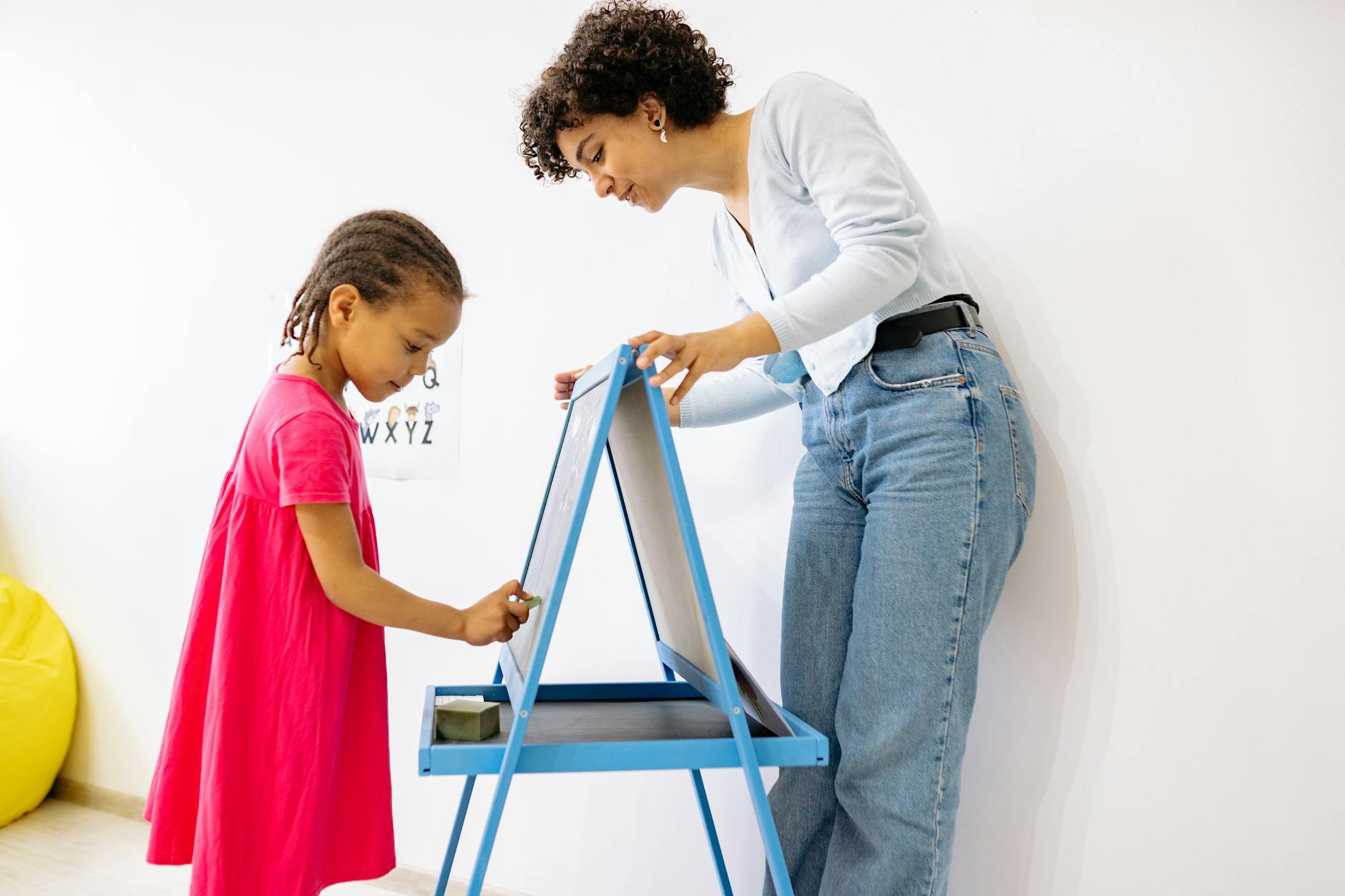
Navigating the Social Landscape and Self-Esteem
The preschool years are a crucible for social and emotional growth. How children learn to navigate interactions with peers and adults directly impacts their developing sense of self and their self-esteem.
Learning to Share and Cooperate
The concept of sharing can be a tough nut to crack for preschoolers. It’s a complex social skill that requires understanding empathy and the idea that others have needs too. Gentle guidance and modeling are key here, as explored in Toddler Sharing Made Easy: Gentle Tips for Little Ones. It’s not about forcing them to give up their most prized possession instantly, but about teaching them the give-and-take of social interaction.
Building Resilience Through Challenges
Preschoolers will inevitably face small social setbacks, like not being chosen for a game or experiencing a disagreement. How they learn to cope with these moments is crucial for their developing sense of self. We want them to understand that these are normal parts of life, not insurmountable failures. Preparing them for potential anxieties, like with Summer Camp Fears? Talk to Kids: Open Communication Tips, can build their confidence in facing new experiences.
The Role of Positive Affirmation
While independence is vital, so is knowing they are loved and valued unconditionally. Specific, genuine praise for their efforts, their kindness, or their unique contributions goes a long way. Instead of just "Good job," try "I love how you helped your friend pick up those blocks," or "You were so brave trying that new slide!" This is a cornerstone of building confidence in preschoolers.
The Long Game: Supporting a Lifelong Sense of Self
What we do during these formative preschool years lays the foundation for a child’s entire life. Understanding and nurturing their preschooler self identity is not a task with a finish line, but an ongoing process of support, observation, and love.
Embrace Their Unique Path
Your child is not on a predetermined path that you must force them onto. They are forging their own way, with their own pace and their own discoveries. Your role is to be their most steadfast supporter and their most insightful guide. This is the essence of parenting preschoolers individuality.
Trusting the Process
There will be days filled with tantrums, resistance, and moments of doubt. It's easy to question if you're doing enough, or if you're doing it right. But remember, every interaction, every choice, every moment of encouragement contributes to their growing sense of self. Research from institutions like the National Institutes of Health research on preschooler self identity underscores the long-term impact of these early experiences.
A Continuous Conversation
The dialogue about who they are, what they like, and how they feel should be continuous. It’s woven into everyday moments, not reserved for special "identity talks." This ongoing conversation, supported by insights from places like Psychology Today research on preschooler self identity, helps them articulate their inner world. Ultimately, the most powerful tool we have is our own belief in their inherent worth and their capacity to become their own unique, wonderful selves.