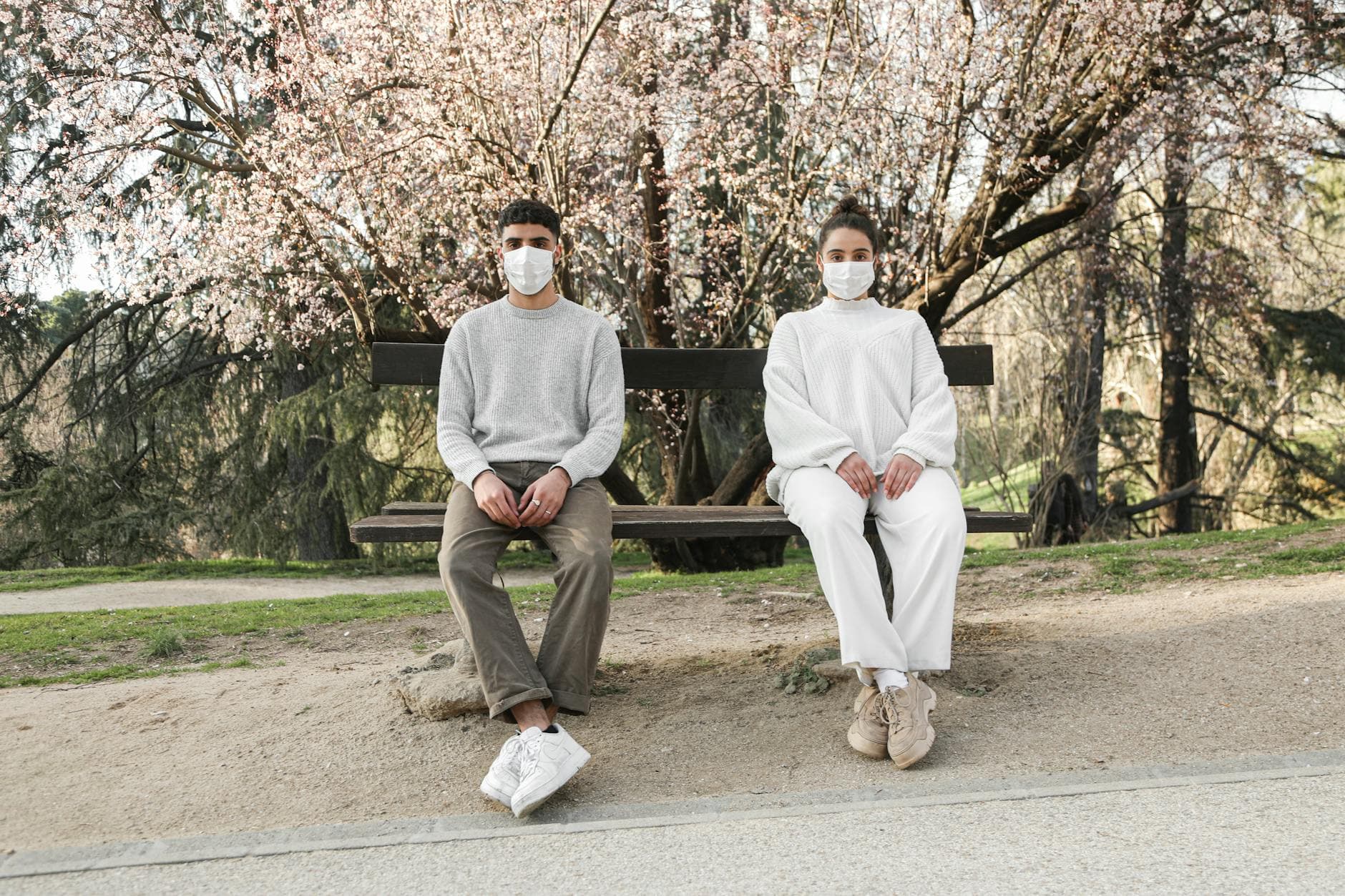
Remember that first truly warm day of spring? The one where the sun feels like a genuine hug and the air smells like possibility? It’s pure magic, right? Suddenly, those cabin fever blues just melt away, and you’re itching to get your little ones outside. But as we all embrace the return of longer days and warmer weather, it’s crucial to shift our focus to spring outdoor safety. It’s a season of incredible joy and exploration for kids, but it also brings its own unique set of potential hazards we need to be mindful of.
Embracing the Outdoors: A Springtime Checklist
Honestly, spring feels like a collective exhale for parents and kids alike. The world wakes up, and so do our adventures. But with that increased freedom comes a responsibility to ensure our kids are safe while they explore. This isn't about stifling their natural curiosity; it's about equipping them and ourselves with the knowledge to navigate the outdoors confidently.
The Sun's Comeback: More Than Just a Tan
You’ve probably noticed the sun feels a lot more intense after a long winter. That’s because UV radiation is back with a vengeance. Kids’ skin is especially sensitive, and sunburns can happen surprisingly fast, even on cloudy days. I’ll be real with you, I used to underestimate how quickly a burn could set in, especially with my youngest. We learned the hard way one spring afternoon.
Sunscreen Strategies
Make applying sunscreen a non-negotiable part of your outdoor routine. Aim for an SPF of 30 or higher, broad-spectrum protection, and reapply every two hours, or more often if your child is sweating or swimming. Don't forget those often-missed spots like ears, the back of the neck, and the tops of feet.
Beyond the Bottle
Sunscreen is key, but it’s not the only defense. Protective clothing, like long-sleeved shirts and pants made of lightweight, breathable fabric, offers excellent coverage. Wide-brimmed hats are a lifesaver for protecting faces and necks. And when the sun is at its strongest, typically between 10 a.m. and 4 p.m., seek out shady spots under trees or umbrellas.
Bug Bites and Beyond: Protecting Against Pests
Ah, the symphony of buzzing and chirping. It’s the soundtrack of spring, but it also means critters are out and about. Mosquitoes, ticks, and other biting insects aren't just annoying; they can transmit diseases.
Repellent Know-How
When it comes to bug spray, look for repellents containing DEET, picaridin, or oil of lemon eucalyptus. Always follow the product instructions, especially regarding age recommendations for children. For very young children, consider using physical barriers like netting over strollers and playpens.
Tick Tactics
Ticks are a serious concern, particularly in wooded or grassy areas. After playing outdoors, do a thorough tick check on your child and yourself. Pay close attention to the hair, ears, and underarms. If you find a tick, remove it carefully with fine-tipped tweezers, grasping it as close to the skin’s surface as possible. National Alliance on Mental Illness research on spring outdoor safety highlights the importance of understanding tick-borne illnesses.
Water Wonders: Keeping Little Ones Safe Near Water
As temperatures rise, the allure of water—whether it’s puddles, sprinklers, or neighborhood pools—becomes irresistible. This is where child outdoor safety tips become absolutely critical, especially for toddlers.
Supervision is Paramount
This is non-negotiable. Never, ever leave a young child unattended near water, not even for a second. Drowning can happen quickly and silently. Keep a designated "water watcher" whose sole job is to supervise children in or around water.
Pool and Pond Precautions
If you have a pool, ensure it’s fenced with a self-closing, self-latching gate. For natural bodies of water like ponds or lakes, be aware of slippery banks and unseen drop-offs. Water safety for toddlers means constant vigilance and teaching them about the dangers of water from a young age.
Playground Adventures and Bike Rides
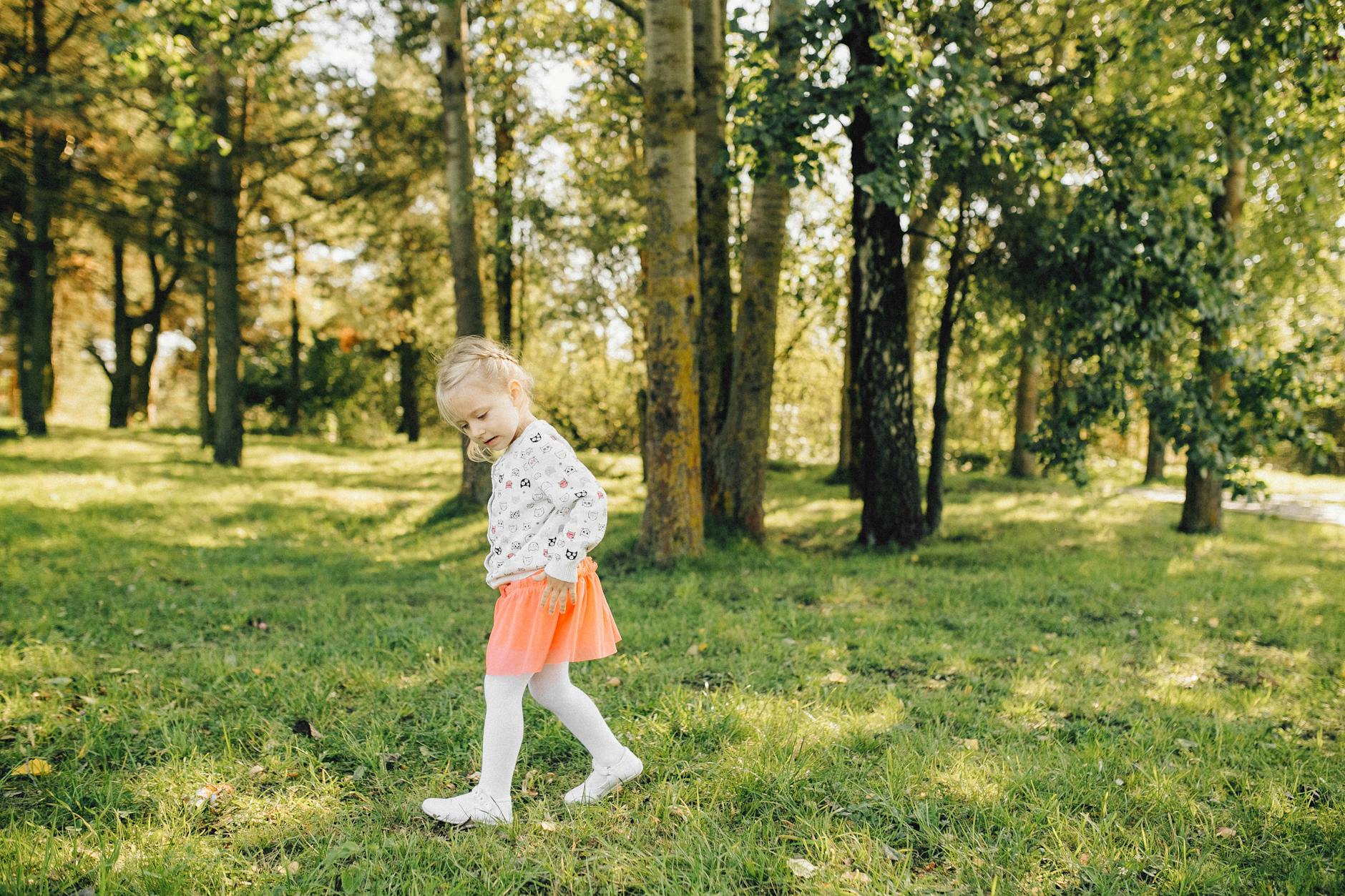
Spring is prime time for playgrounds and bike paths to come alive with the energy of children. These activities are fantastic for physical and social development, but they come with their own set of safety considerations.
Playground Safety: More Than Just Swings
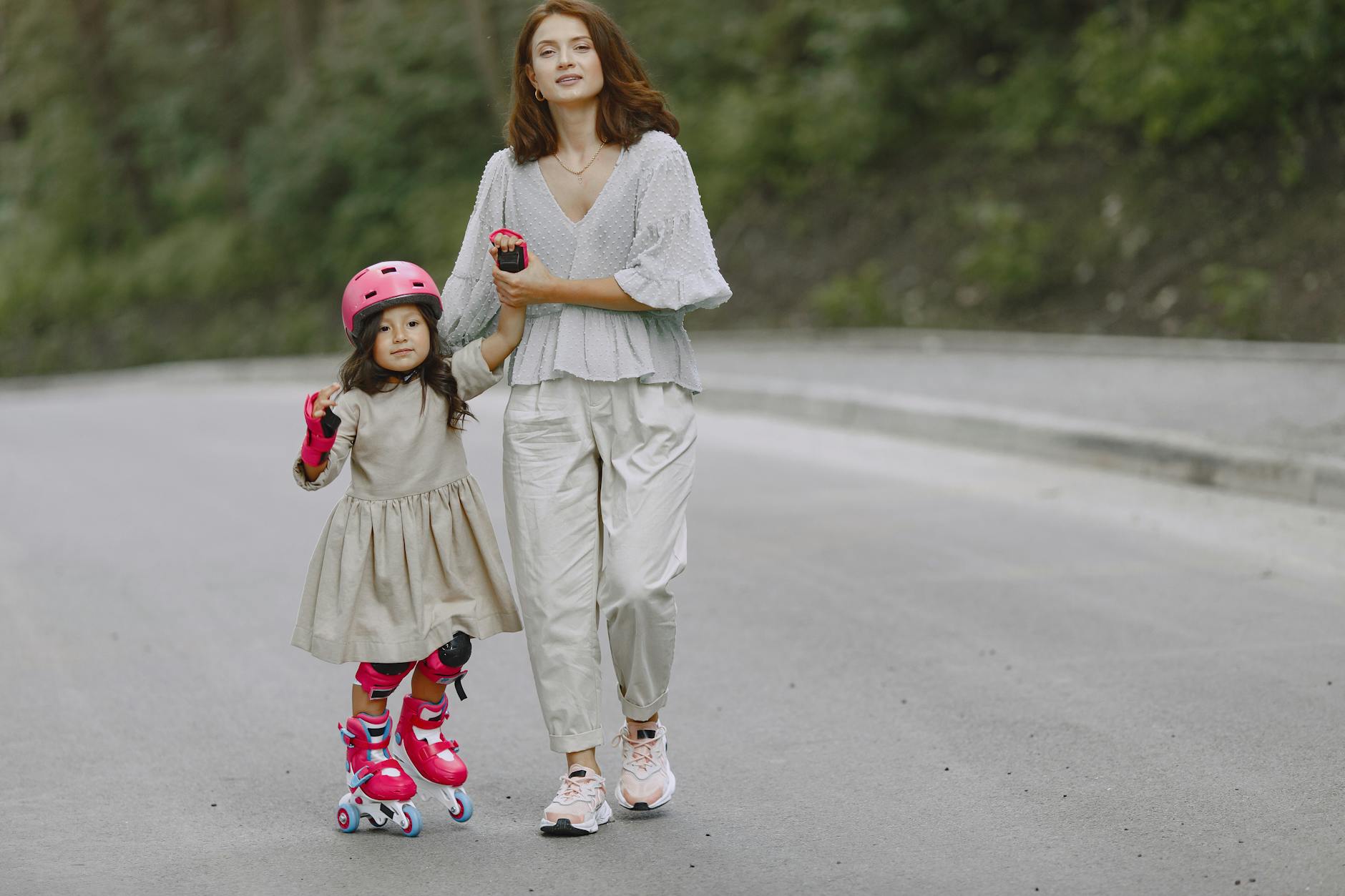
Playgrounds are wonderful for burning energy, but they can also be a source of injuries if we're not careful. It's about more than just ensuring the equipment is sturdy.
Surface Smarts
The ground cover beneath playground equipment is crucial. Look for soft, shock-absorbent materials like wood chips, sand, or rubber mulch. Hard surfaces like asphalt or concrete are major hazards. A fall from even a modest height onto a hard surface can lead to serious injury. This is a big one that often gets overlooked.
Equipment Checks
Regularly inspect playground equipment for any signs of wear and tear, rust, or loose parts. Check that there are no gaps large enough for a child's head or limbs to get stuck. Ensure swings are spaced adequately and that there's clear space around slides.
Supervision and Rules
Even with older children, a watchful eye is important. Teach kids playground rules, like how to go down slides feet first and not to push or shove. Encouraging kids to wait their turn and be respectful of others is part of fostering good social skills, akin to teaching toddler sharing made easy.
Bike Safety: Hitting the Trails
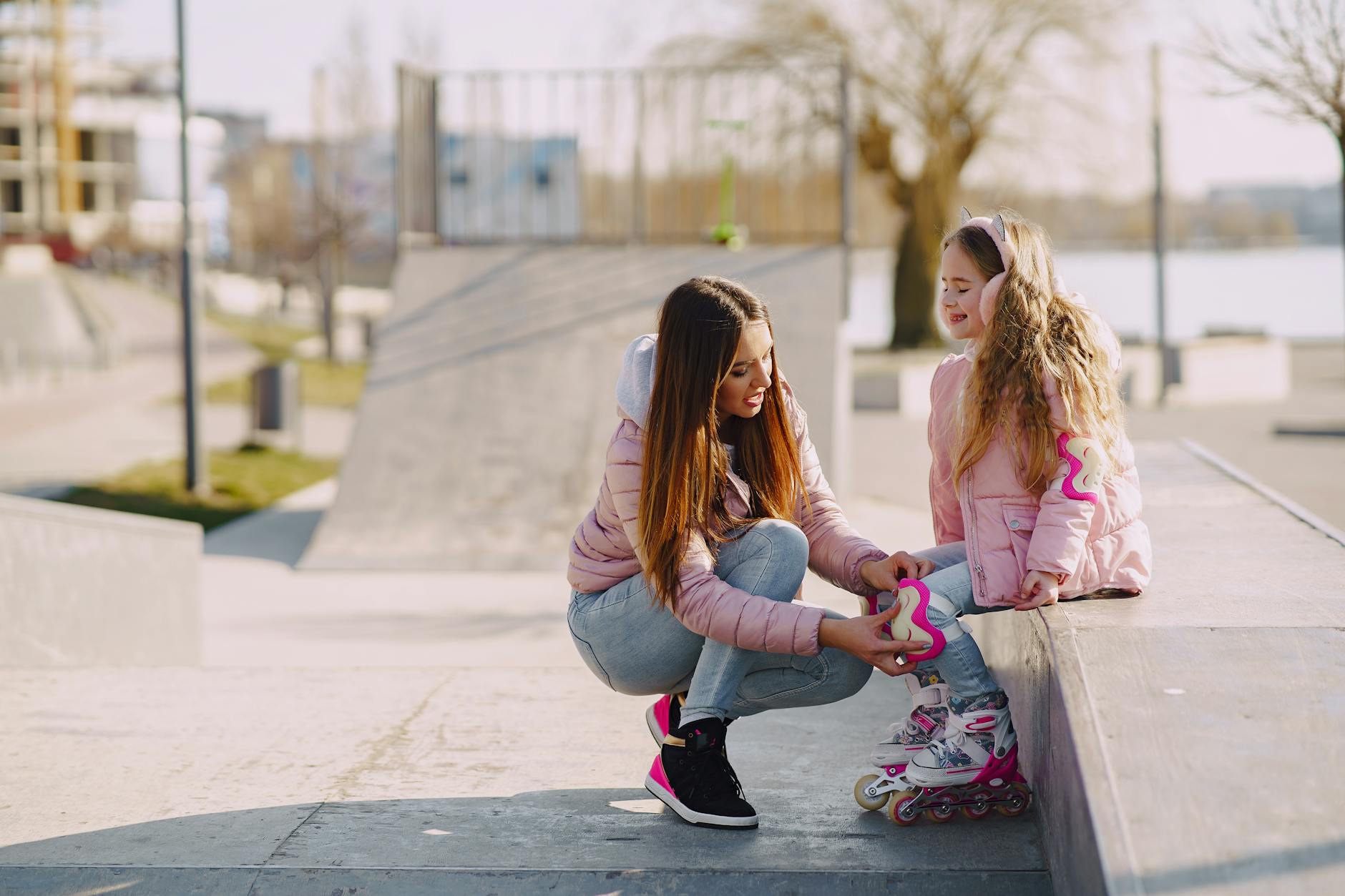
The freedom of a bike ride is a rite of passage for many children. As they gain confidence, we need to ensure they're doing it safely.
Helmet Harmony
This is the absolute golden rule of bike safety for kids. A properly fitted helmet should be worn every single time they ride, no exceptions. Make sure it sits level on their head, covering the forehead, and that the straps are snug. If the helmet has been in a crash, even a minor one, it needs to be replaced.
Road Rules and Awareness
Teach your children about bike safety rules, such as riding on the right side of the road, using hand signals, and looking both ways before crossing streets. For younger children, stick to sidewalks or designated bike paths. Understanding road hazards is a key part of fostering individuality and confidence by allowing them to explore safely.
Bike Maintenance Basics
Before any significant ride, do a quick check of the bike. Ensure the tires are properly inflated, the brakes are working effectively, and the chain is lubricated. A quick check can prevent a breakdown or accident.
Beyond the Obvious: Hidden Spring Hazards
Sometimes, the most dangerous things are the ones we don't immediately think about. Spring outdoor safety requires looking beyond the obvious.
Garden Dangers and Plant Prowlers
Spring means gardening for many, but some common plants can be toxic if ingested. Children are naturally curious and may put leaves, berries, or flowers in their mouths.
Know Your Flora
Familiarize yourself with the plants in your yard and any areas you frequent. If you're unsure about a plant, err on the side of caution and keep children away from it. Resources from the Healthline research on spring outdoor safety often cover this.
Soil and Mulch Safety
While generally safe, be mindful of where your children are playing. Ensure garden areas are free of pet waste, which can harbor bacteria. Some mulches can also pose choking hazards for very young children.
Tool Time: Keeping Little Hands Away from Danger
As adults start tackling outdoor projects, tools like lawnmowers, trimmers, and sharp gardening implements become accessible. These are not toys.
Secure Storage is Key
Always store tools securely out of reach of children. This includes putting them away immediately after use and locking sheds or garages where they are kept. Even seemingly harmless tools can cause injury.
Yard Work Vigilance
When doing yard work, ensure children are not playing in the immediate vicinity of operating machinery. Establish clear boundaries and supervise them closely. The excitement of spring projects shouldn't overshadow the need for constant vigilance in preventing childhood injuries outdoors.
Talking to Kids About Safety
One of the most powerful tools we have is communication. Teaching children about hazards empowers them to make safer choices.
Age-Appropriate Conversations
Start early with simple rules: "Don't touch the hot stove," or "Look both ways before crossing." As they grow, you can have more detailed discussions about specific dangers. For instance, when discussing bike safety, you can talk about why helmets are important, linking it to protecting their amazing brains. This can be similar to preparing them for new experiences, like discussing summer camp fears.
Modeling Safe Behavior
Kids learn by watching us. If you wear a helmet when you ride your bike or apply sunscreen diligently, they are more likely to do the same. Your actions speak louder than words.
Empowering, Not Frightening
The goal is to educate, not to instill fear. Frame safety discussions around staying healthy and strong so they can enjoy all the fun spring has to offer. You want them to be aware of risks, but not so afraid that they avoid exploring altogether. The American Psychological Association research on spring outdoor safety often emphasizes this balance.
Spring is such a vibrant, active time, and getting outside is so incredibly important for our children's physical and mental well-being. Embracing outdoor play is vital for their development, fostering skills like problem-solving and creativity, much like the benefits discussed in independent outdoor play: boost preschooler's skills. By being prepared and mindful of these spring outdoor safety considerations, we can ensure this season is filled with wonderful memories, not preventable mishaps. Let’s make this spring one where our kids can explore, learn, and grow, all while staying safe and sound.