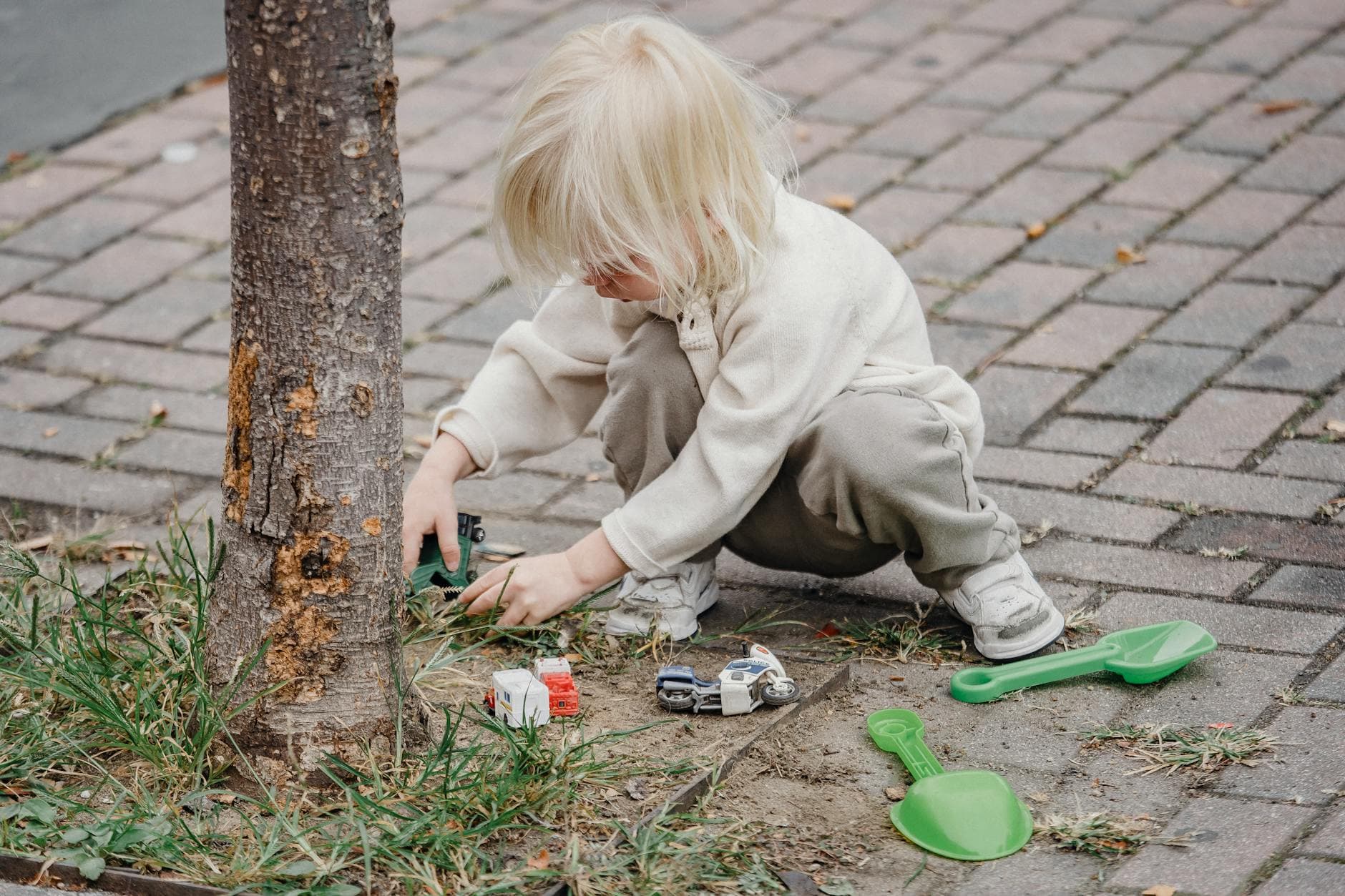
Do you ever stop and think about the sheer wonder on a child's face when they discover something new in nature? That moment of pure, unadulterated curiosity is what makes preschool nature activities so incredibly valuable. It's not just about keeping them busy; it's about nurturing a lifelong love for learning and the world around them. Honestly, I've seen hundreds of children light up during these experiences, and it never gets old.
The Profound Impact of Nature on Young Minds
Beyond the Classroom Walls
When we talk about early childhood education, we often focus on structured learning environments. But here's the thing: nature itself is the ultimate classroom. The sensory richness, the unpredictable elements, the sheer scale of it all – it’s an unparalleled learning laboratory for preschoolers. It taps into their innate desire to explore and understand, fostering skills that can’t be replicated indoors.
Building a Foundation for Lifelong Learning
Engaging in preschool nature activities isn't just about a single spring day; it's about laying the groundwork for a curious and observant adult. The early years are critical for developing a sense of wonder and a connection to the environment. This connection, once forged, often lasts a lifetime, influencing everything from their environmental awareness to their overall well-being.
The Sensory Explosion of Spring
Spring, in particular, offers a vibrant palette for sensory exploration. The world awakens with new sights, sounds, smells, and textures. Think of the soft fuzz of new leaves, the chirping of birds returning, the earthy scent after a rain shower, the vibrant colors of blooming flowers. These experiences are foundational for developing sensory processing skills in young children.
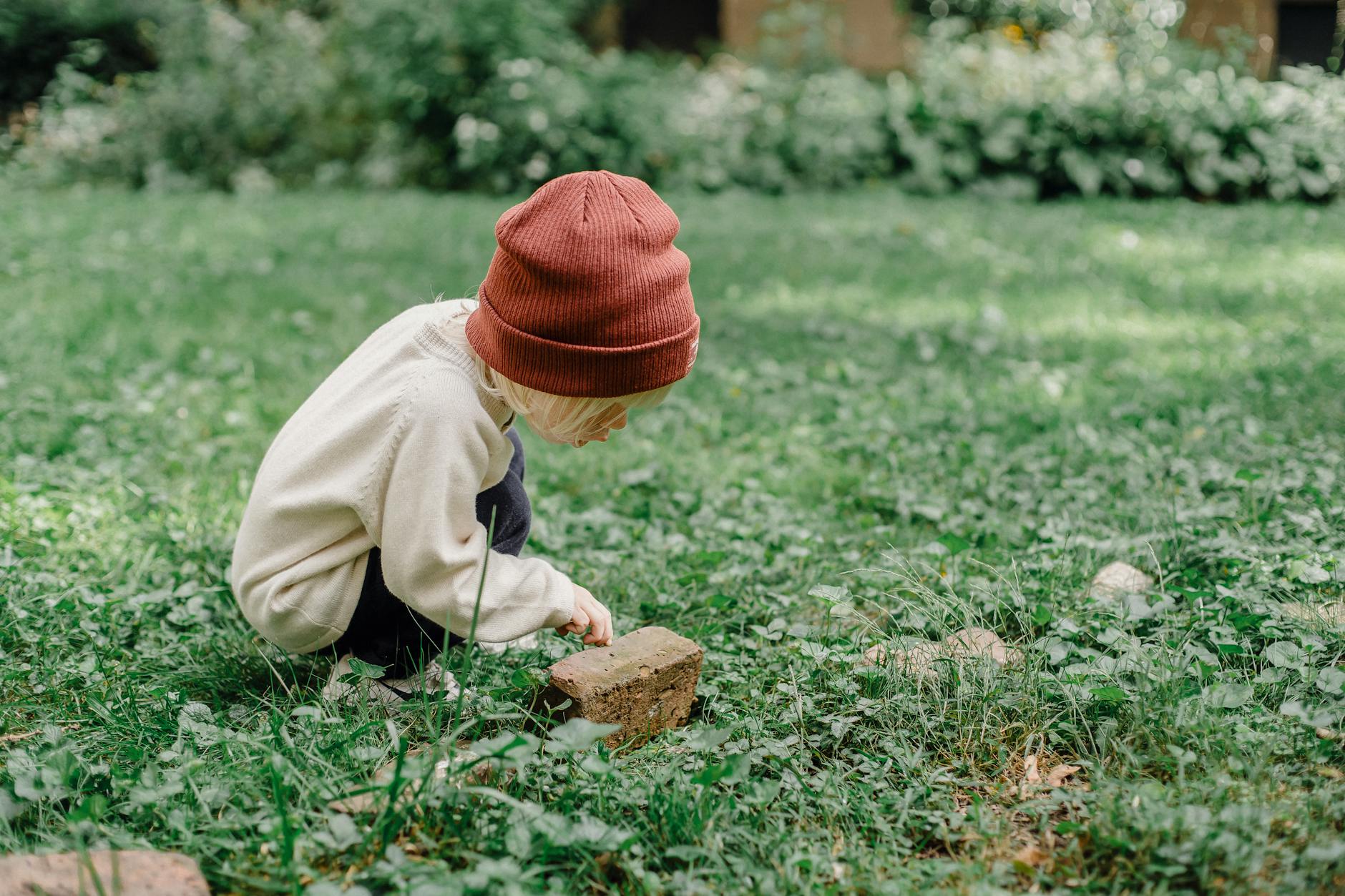
Springtime Adventures: Engaging Preschool Nature Activities
Nature Walks: More Than Just a Stroll
A simple nature walk can be an extraordinary learning opportunity. It's a chance to observe the changing seasons firsthand, to notice the small details that often go unnoticed. For toddlers, these walks are crucial for developing their sense of exploration and independence. You can make these walks more engaging by giving them a specific mission, like finding five different types of leaves or listening for three different bird songs.
Creating a Nature Scavenger Hunt
Turn your walks into exciting scavenger hunts. Prepare a simple list with pictures for non-readers: a smooth stone, a crinkly leaf, something red, a feather. This encourages focused observation and adds an element of play. These simple quests are fantastic for fostering curiosity in kids.
The Art of Observation
Encourage children to stop, look, and listen. Ask open-ended questions: "What do you think that bug is doing?" "Why do you think the leaves are falling off that tree?" This type of guided observation is key to early childhood nature education.
Gardening with Little Hands
Getting preschoolers involved in gardening is a powerful way to teach them about life cycles, responsibility, and where food comes from. Even a small patch of earth or a few pots on a balcony can yield incredible learning experiences. It’s a fantastic way to promote preschool outdoor learning.
Planting Seeds of Knowledge
Let them choose seeds to plant – fast-growing options like radishes or beans are great for immediate gratification. Show them how to gently place the seeds in the soil and water them. The anticipation of seeing something sprout is a powerful lesson.
Nurturing and Harvesting
The ongoing care of plants teaches patience and responsibility. Children can help water, weed (with supervision!), and eventually, harvest what they've grown. This tangible reward is incredibly satisfying for them.
Exploring the Micro-World: Observing Insects
The tiny creatures that inhabit our outdoor spaces are often a source of fascination for young children. Observing insects with kids can be a gateway to understanding ecosystems and the interconnectedness of life. It's also a fantastic way to introduce basic scientific inquiry.
Bug Hunts and Magnification
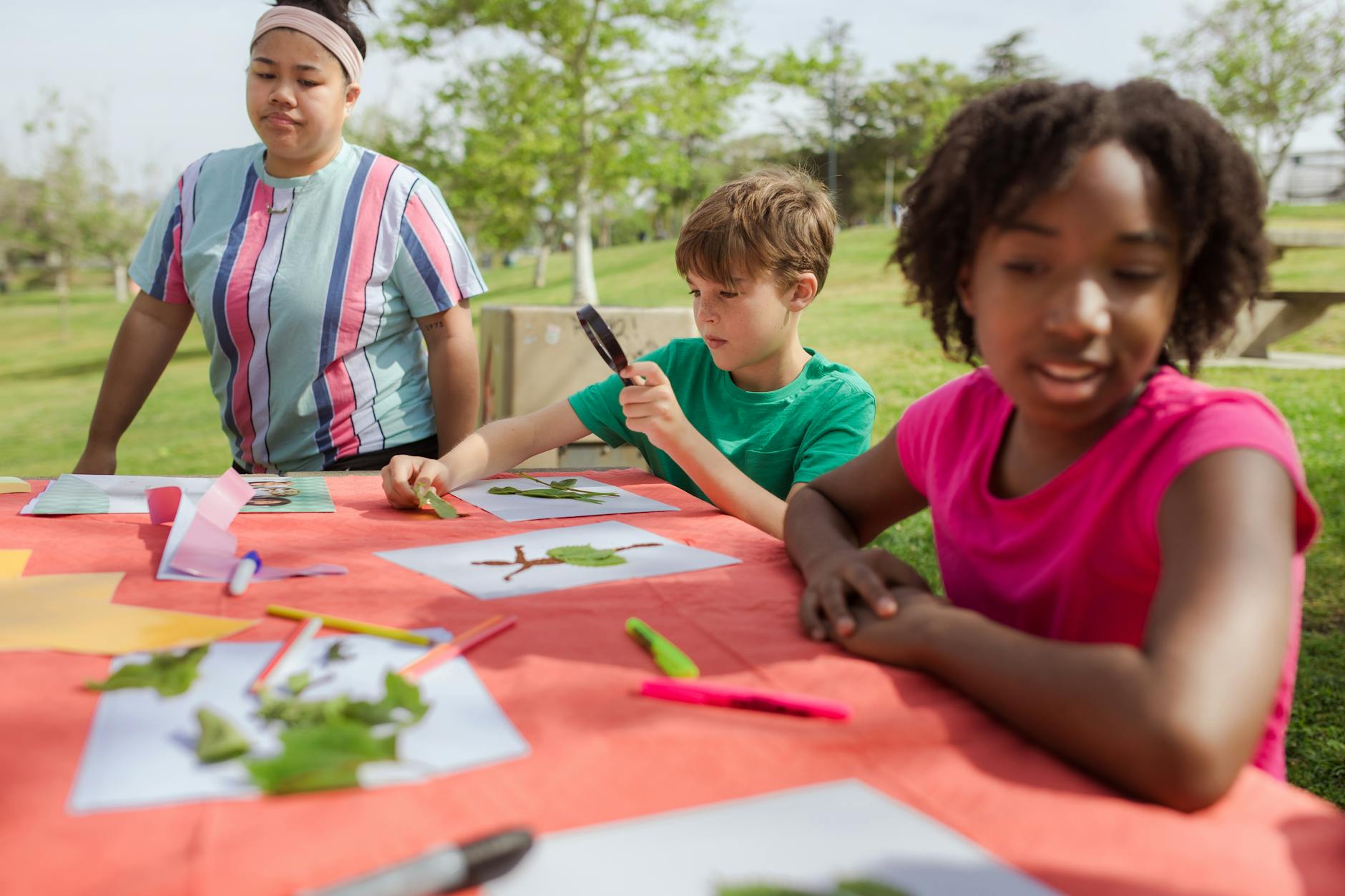
Provide magnifying glasses and small containers for gentle observation. Encourage children to look for ants, ladybugs, or worms. Talk about what they see: their legs, their wings, their antennae. Remember to always release them back where you found them.
Creating an Insect Hotel
You can build a simple insect hotel using natural materials like hollow sticks, pinecones, and straw. This provides a safe habitat and offers ongoing opportunities for observation throughout the seasons. This is a wonderful example of preschool science activities spring can inspire.
Fostering Curiosity and a Love for Nature
The Power of Unstructured Play
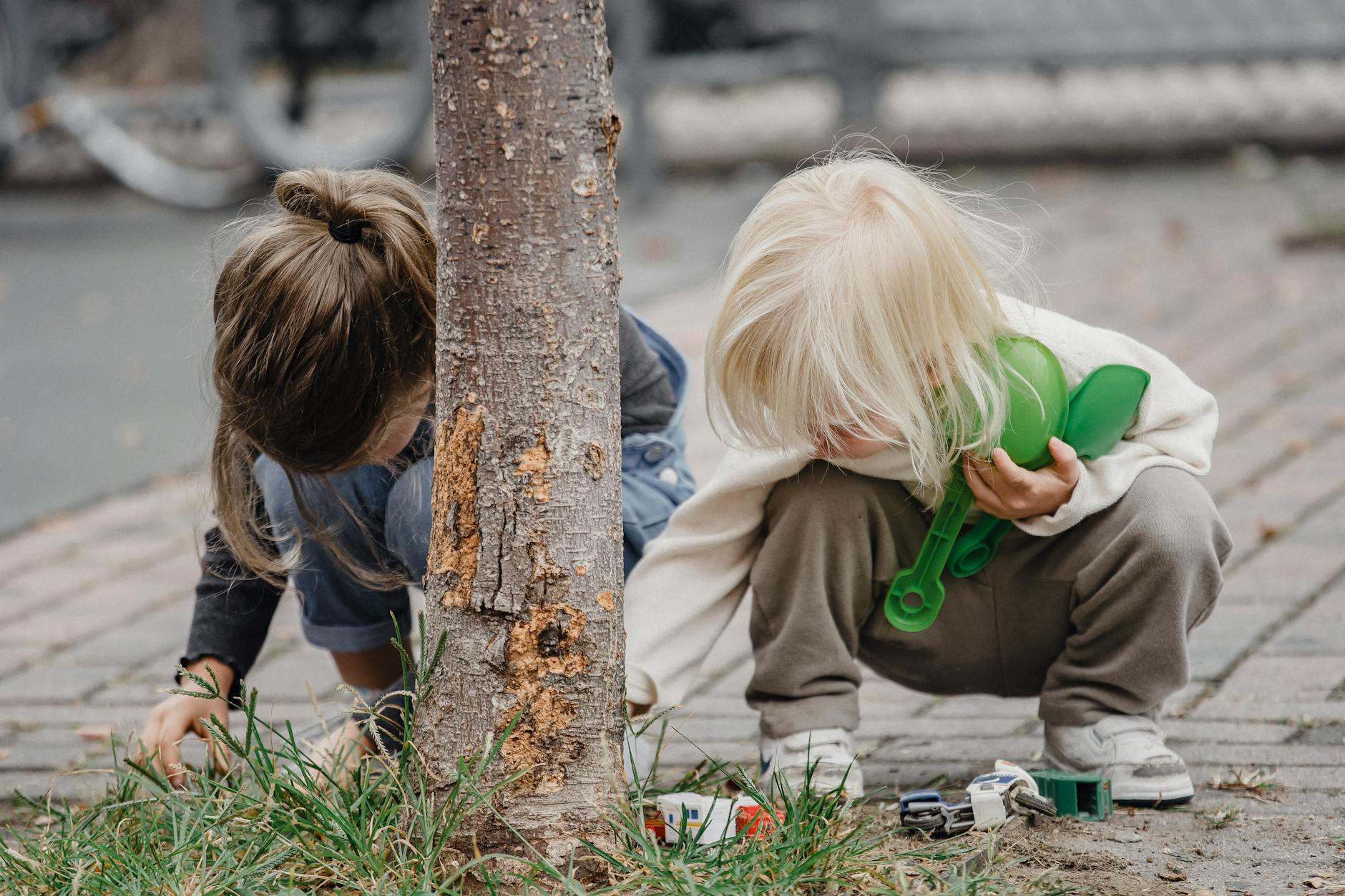
While structured activities are beneficial, don't underestimate the power of simply letting children explore freely in nature. Unstructured play allows them to follow their own interests, experiment, and develop problem-solving skills organically. This is where true child nature exploration happens.
Encouraging Questions and Exploration
Your role as an adult is to be a facilitator, not an instructor. When a child asks a question, instead of giving an immediate answer, try asking them what they think. "Why do you think the sky is blue?" or "What makes that flower smell so sweet?" This encourages them to think critically and seek their own answers.
Connecting Nature to Other Learning Areas
Nature is a fantastic cross-curricular learning tool. Counting stones, sorting leaves by color, drawing what they see – these activities naturally integrate math, art, and language skills. The vibrant world of spring bloom activities can be a catalyst for countless learning moments.
Embracing the Mess and the Magic
Sensory Play in the Great Outdoors
Mud pies, splashing in puddles, collecting smooth stones – these are quintessential childhood experiences that foster sensory development and joy. Embrace the mess! It's often in these messy, tactile experiences that the deepest learning occurs. Think of the endless possibilities for spring sensory play.
The Benefits of Early Childhood Nature Education
Research consistently shows the profound benefits of early childhood nature education. Studies highlighted by sources like Psychology Today research on preschool nature activities demonstrate improved cognitive function, enhanced motor skills, and reduced stress levels in children who spend regular time outdoors. It’s not just about fun; it’s about holistic development.
A Personal Reflection: The Mud Puddle Epiphany
I'll be real with you, one of my most cherished childhood memories involves a rather large, muddy puddle after a spring rain. My parents, bless them, didn't shoo me away. They let me splash, dig, and explore to my heart's content. I remember feeling the cool mud squish between my toes, watching tiny water striders skate across the surface, and feeling an immense sense of freedom. That simple puddle was a universe of discovery. It taught me about water, earth, and the simple joy of being present. This is the magic we want to cultivate with preschool nature activities.
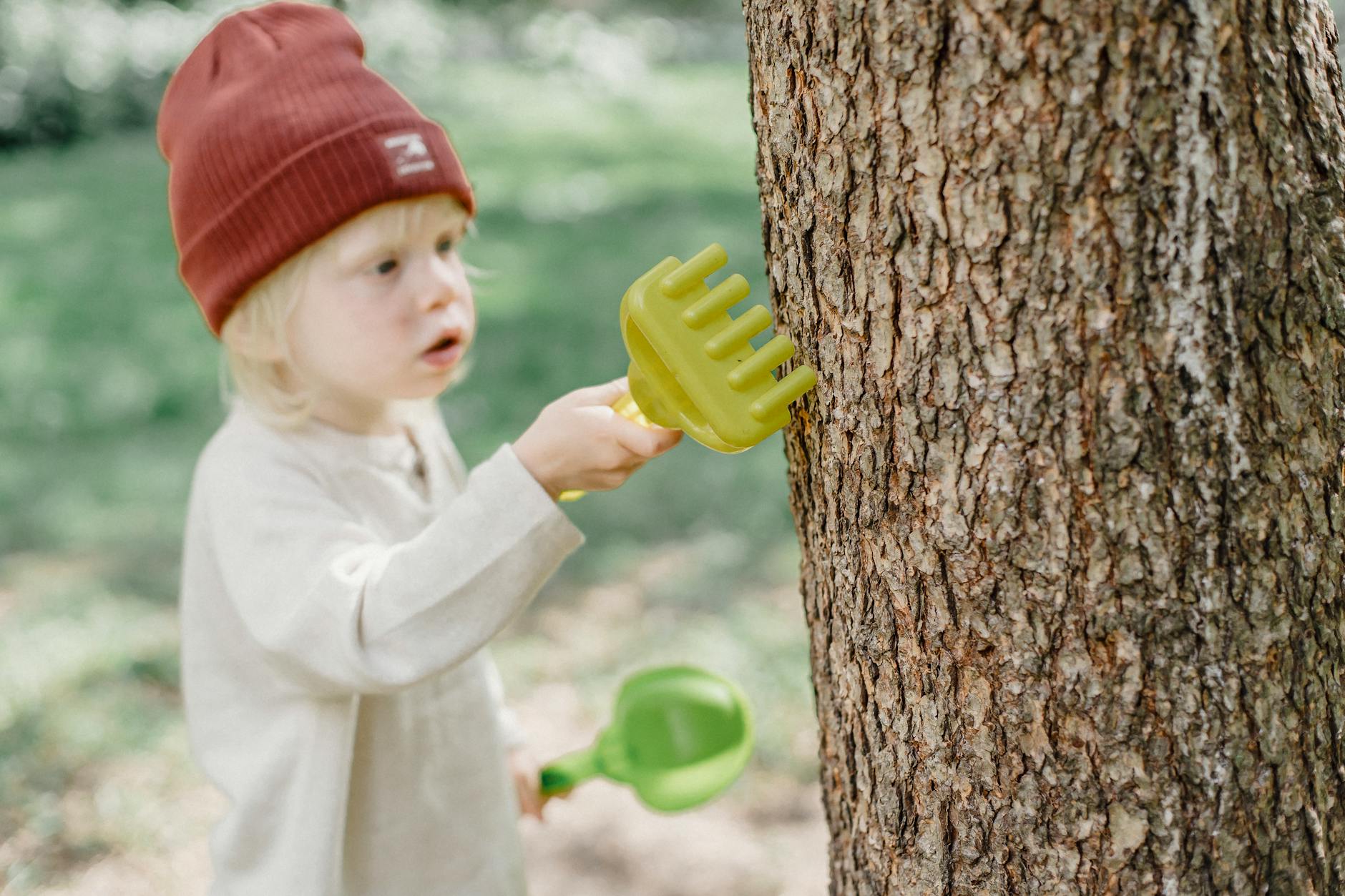
Nurturing Independence Through Outdoor Exploration
Giving Children Agency
Allowing children to make choices in nature fosters a sense of autonomy. Whether it's deciding which path to take on a walk or which flower to smell, these small decisions build confidence and promote preschooler independence. It’s about letting them lead their own adventures.
Developing Problem-Solving Skills
Navigating uneven terrain, figuring out how to cross a small stream, or building a fort from fallen branches all require problem-solving. Nature presents real-world challenges that encourage children to think on their feet and develop resilience. These are invaluable toddler independence activities for spring exploration.
Social Growth in Natural Settings
Outdoor environments provide ample opportunities for cooperation and negotiation. Children learn to share tools, take turns, and work together on projects, which significantly boosts their preschool social skills. A shared interest in a fascinating bug or a particularly beautiful flower can spark connections and conversations, laying the groundwork for successful preschool playdate etiquette.
Making Nature Accessible for Every Child
Overcoming Barriers to Outdoor Time
I know life can be hectic, and sometimes the thought of getting kids outside feels like another chore. But even small bursts of nature time can be incredibly impactful. Don't feel pressured to plan elaborate expeditions. A 20-minute visit to a local park or even just playing in the backyard can make a difference.
Adapting for Different Abilities and Environments
Nature is everywhere, not just in vast forests. Urban parks, community gardens, and even a tree-lined street offer opportunities for exploration. Consider the needs of all children, ensuring accessible pathways and sensory-friendly options. The American Psychological Association has extensive resources on the benefits of nature for child development, reinforcing the importance of these experiences for everyone.
The Long-Term Impact of Early Nature Engagement
The habits we form in early childhood often stick. By making preschool nature activities a regular part of your routine, you are cultivating a generation that is more connected to the natural world, more resilient, and more curious. It's an investment in their future and the future of our planet.
So, the next time you see a child engrossed in examining a fallen leaf or digging in the dirt, remember the profound learning and development happening in that moment. Embrace the mud, the bugs, and the boundless curiosity. These simple, yet powerful, experiences are shaping young minds in ways that last a lifetime.