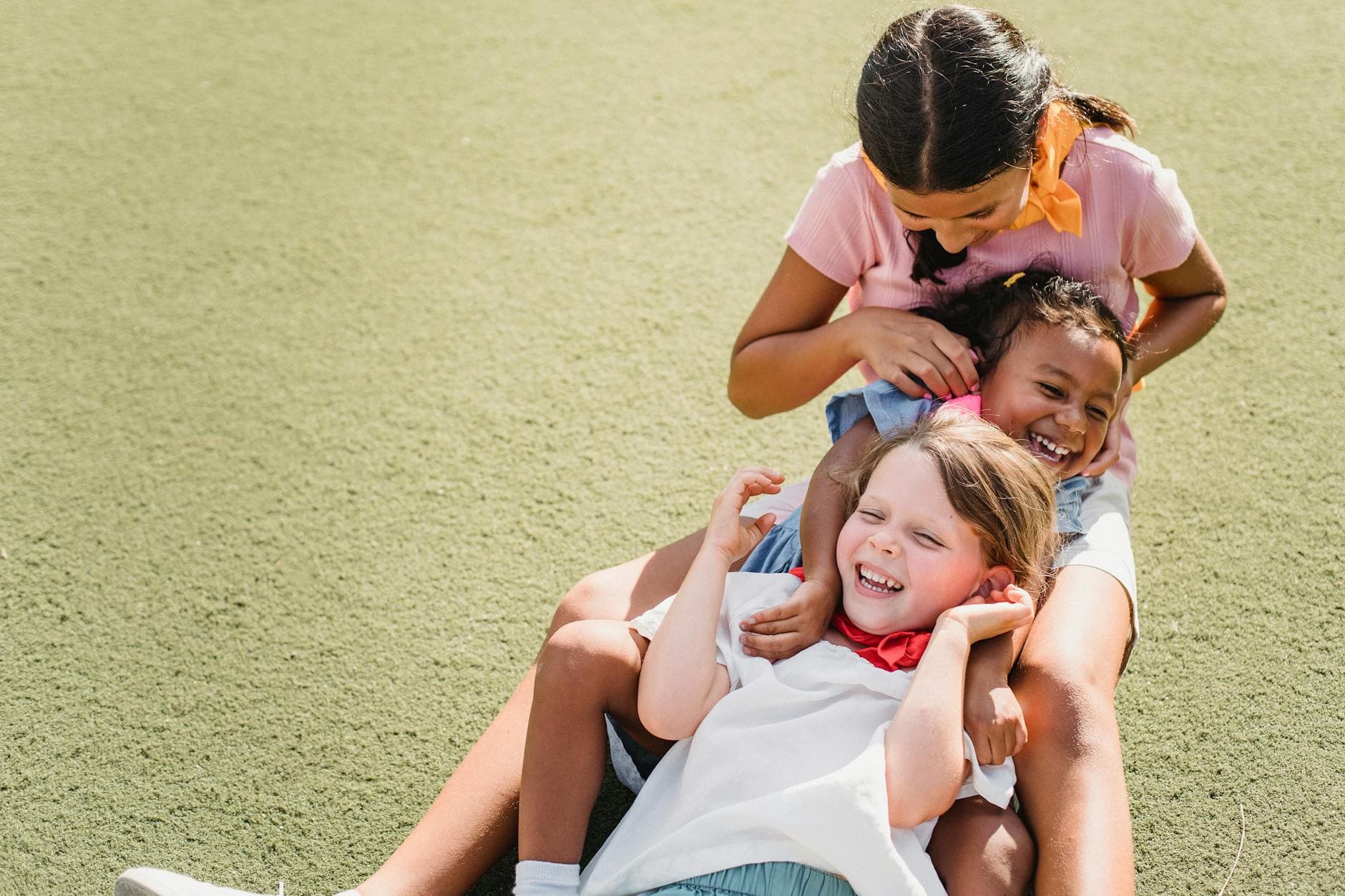
Picture this: your little one, let's call her Lily, is at a playdate. She's been looking forward to it all week. Two preschoolers are happily engaged with a box of colorful blocks, building a magnificent castle. Suddenly, another child, Leo, strides over and, without a word, starts pulling blocks from Lily’s grasp, intending to add them to his own tower. Lily’s face crumples. Tears well up. This is where the magic of understanding preschool playdate etiquette truly shines, or unfortunately, can falter.
It’s a scene many parents have witnessed, or perhaps even lived through themselves. Navigating these early social interactions can feel like walking a tightrope. You want your child to be confident and engaged, to make friends, and to learn those crucial preschool social skills. Yet, you also want them to be considerate, respectful, and able to handle the inevitable bumps that come with playing with others. This isn't about rigid rules; it's about fostering a foundation for healthy relationships and positive experiences.
The Foundation of Friendship: What Playdates Teach
Playdates are more than just unstructured fun. They are miniature laboratories for social learning. Think about the last time you observed young children interacting. You’ll see incredible moments of cooperation, negotiation, and empathy, often happening spontaneously. These are the building blocks of strong child social development.
Beyond the Toys: Essential Social Learning
When children play together, they’re learning to share, to take turns, to communicate their needs and feelings, and to understand the perspectives of others. These are not innate skills; they are developed through practice and gentle guidance. A well-managed playdate can accelerate this learning significantly.
The Role of Adults: Guiding, Not Controlling
As parents, our role isn't to police every interaction, but to be present and supportive. We are the guides, helping our children interpret social cues and offering strategies when they get stuck. It’s about creating a safe space for them to experiment with social behaviors and learn from the outcomes.
Setting the Stage for Success: Preparing for the Playdate
The preparation before a playdate can make a world of difference. It’s like prepping ingredients before you cook a meal; a little effort upfront leads to a much better result.
Pre-Playdate Chats: Talking About Expectations
Before your child heads to a playdate, have a brief, age-appropriate conversation. You don't need a formal lecture. You can say something like, "Remember, when you're at [friend's name]'s house, we share toys and take turns. If you really want to play with something, you can ask nicely, or find another toy to play with while you wait." This simple conversation helps set expectations and primes them for positive playdate behavior.
Choosing the Right Playmates and Environments
Not all children are ready for the same social intensity. Consider your child's temperament and the temperament of the child they are visiting. For younger toddlers, shorter playdates with familiar faces tend to be more successful. As they grow, you can extend the duration and introduce new children. Also, think about the environment. Is it overstimulating? Are there too many toys that could lead to conflict?
Managing Expectations (Yours and Theirs)
Here's the thing: not every playdate will be perfect. There will be squabbles, tears, and moments where you wonder if you should just pack up and go home. That’s normal. Your child is learning. You are learning. Managing your own expectations helps you stay calm and supportive, which in turn helps your child navigate the situation better. Remember, the goal is progress, not perfection.
Navigating the Playdate: On-the-Spot Strategies
Once the playdate is underway, your presence and subtle interventions are key. This is where the rubber meets the road for preschool playdate etiquette.
The Art of Sharing: Teaching Sharing Preschool Style
Sharing is often the biggest hurdle. For preschoolers, the concept of "mine" is still very strong. Instead of forcing them to share immediately, try techniques like the "one-minute rule" or "timer sharing." You can say, "Leo, Lily is playing with the red car right now. You can have a turn in five minutes. In the meantime, would you like to play with this blue car?" For older preschoolers, you can introduce the idea of taking turns with a visual timer. This teaches patience and the understanding that toys are not lost forever.
When Sharing Becomes a Standoff
If two children are really struggling over a toy, and neither is budging, it might be time to gently intervene. You can suggest, "It looks like you both really want to play with that train. How about you build the track together, and then you can take turns riding the train?" Or, if that’s not feasible, "Let’s put the train away for a little while, and you can both play with the LEGOs. We can come back to the train later." This helps manage conflict toddlers often face.
Encouraging Turn-Taking and Negotiation
Turn-taking extends beyond toys. It's about taking turns in conversation, taking turns in games, and taking turns in activities. When you see your child wanting something their friend has, prompt them: "Can you ask [friend's name] if you can have a turn when they're finished?" This is a fundamental early childhood social skill.
Handling Meltdowns and Frustration
Meltdowns happen. When your child (or the other child) becomes overwhelmed, the first step is to offer comfort and a safe space. Sometimes, a child just needs a break. You might suggest a quiet activity, a snack, or a change of scenery. Once they are calm, you can revisit what happened and talk about how they felt and what they could do differently next time. This is a crucial part of managing conflict toddlers experience.
The Power of a Pause
Sometimes, the best strategy is to step back and let children try to resolve things themselves. You’ve provided the tools; now let them practice using them. Intervening too quickly can rob them of the opportunity to learn problem-solving skills. If things get too heated, a simple, "Let's take a deep breath," can work wonders.

Post-Playdate Reflections: Learning and Growth
The learning doesn't stop when the playdate ends. Debriefing with your child can solidify the lessons learned and prepare them for future interactions.
Talking About the Experience
After the playdate, ask open-ended questions: "What was your favorite part of the playdate?" "Was there anything that was tricky or hard?" "What did you and [friend's name] do together?" Listen actively to their responses. This helps them process their experience and reinforces positive behaviors.
Reinforcing Positive Behaviors
When your child did something well – perhaps they shared a toy without being asked, or they waited patiently for a turn – acknowledge it! "I saw how nicely you shared the truck with [friend's name]. That was very kind!" Positive reinforcement is incredibly powerful in shaping future playdate manners for kids.
What to Do When Things Didn't Go as Planned
If there were significant challenges, address them calmly later. "Remember when you grabbed the doll? Next time, try asking, 'Can I have a turn?' or finding another toy to play with." Frame it as a learning opportunity, not a punishment. This is how children develop robust preschooler making friends skills.
Advanced Playdate Etiquette: Beyond the Basics
As children get older, the nuances of social interaction become more complex. Understanding these can help you support their growing social world.
Respecting Boundaries and Personal Space
This is a big one. Children need to learn that their body belongs to them and that others' bodies belong to them. This means not hitting, pushing, or taking things without asking. It also means respecting when someone says "no" or wants to be left alone for a moment. You can model this by respecting your child's personal space and asking before you hug or tickle them.
The Importance of Inclusion
As your child becomes more aware of social dynamics, encourage them to include others. If they're playing a game, prompt them to ask a shy child to join. This fosters empathy and reduces the likelihood of exclusion, which can be a painful experience for young children. This is a crucial aspect of fostering strong social interaction young children need.
When to Step In and When to Let Them Be
This is the eternal question for parents. My general rule of thumb: if there’s no danger, and no one is getting seriously hurt (emotionally or physically), give them a chance to figure it out. If one child is consistently dominating or excluding, or if a child is clearly distressed, it’s time for gentle guidance. Research from the American Psychological Association research on preschool playdate etiquette often highlights the importance of adult presence as a scaffold, not a dictator.
The Long-Term Impact of Playdate Etiquette
Mastering preschool playdate etiquette isn't just about surviving the afternoon. It’s about equipping your child with the tools they’ll need for a lifetime of healthy relationships. The ability to share, to communicate effectively, to manage conflict, and to empathize are foundational skills that impact everything from school success to personal happiness. It's a journey, and every playdate is a valuable step along the way.
Building Confidence and Social Competence
When children have positive playdate experiences, they build confidence in their ability to navigate social situations. This confidence spills over into other areas of their lives, making them more likely to try new things and form new friendships. It's a virtuous cycle that supports healthy child social development.
Fostering Empathy and Understanding
Through playdates, children begin to understand that others have different feelings, needs, and perspectives. This is the bedrock of empathy, a critical component of emotional intelligence. As noted in Psychology Today research on preschool playdate etiquette, these early interactions are foundational for developing compassion.
So, the next time you’re coordinating a playdate, remember that you’re not just arranging an afternoon of fun; you’re investing in your child’s future social well-being. Embrace the mess, celebrate the small victories, and know that by guiding them through these early social interactions, you’re giving them a priceless gift. It’s a journey of learning and connection, one playdate at a time.