
What if your child could blossom this summer, emerging from camp with newfound confidence, a wider circle of friends, and a heart full of amazing stories? It’s a beautiful vision, isn’t it? But the path to that summer joy can sometimes feel a bit bumpy, especially when it comes to the summer camp transition. It’s a significant step, for them and for us as parents, and getting it right means setting them up for success, not just survival.
Navigating the Summer Camp Transition: A Parent's Compass
As parents, we watch our children grow, and each new milestone brings a mix of pride and perhaps a little bit of trepidation. Summer camp is one of those big ones. It’s a chance for independence, for learning new skills, and for experiencing the world beyond our immediate bubble. The summer camp transition isn't just about packing a bag; it's a deeply emotional and developmental process for both the child and the family.
Easing into the Unknown
Think about the last time you started a new job or moved to a new town. There’s that flutter of excitement mixed with a healthy dose of nerves. Our kids experience this too, often amplified. Preparing them effectively is key to unlocking all the positive potential camp offers.
Building Camp Readiness
This isn't about forcing enthusiasm or pretending worries don't exist. It's about practical, empathetic preparation. We want to equip our children with the tools they need to thrive, not just cope. This involves understanding their individual needs and tailoring our approach to best support their child summer camp prep.
Fostering Social and Emotional Growth
Camp is a fantastic, albeit sometimes intense, training ground for social emotional camp skills. Children learn to navigate peer relationships, manage their feelings when things don't go their way, and develop a sense of self in a new environment. This is where some of the most profound learning happens.
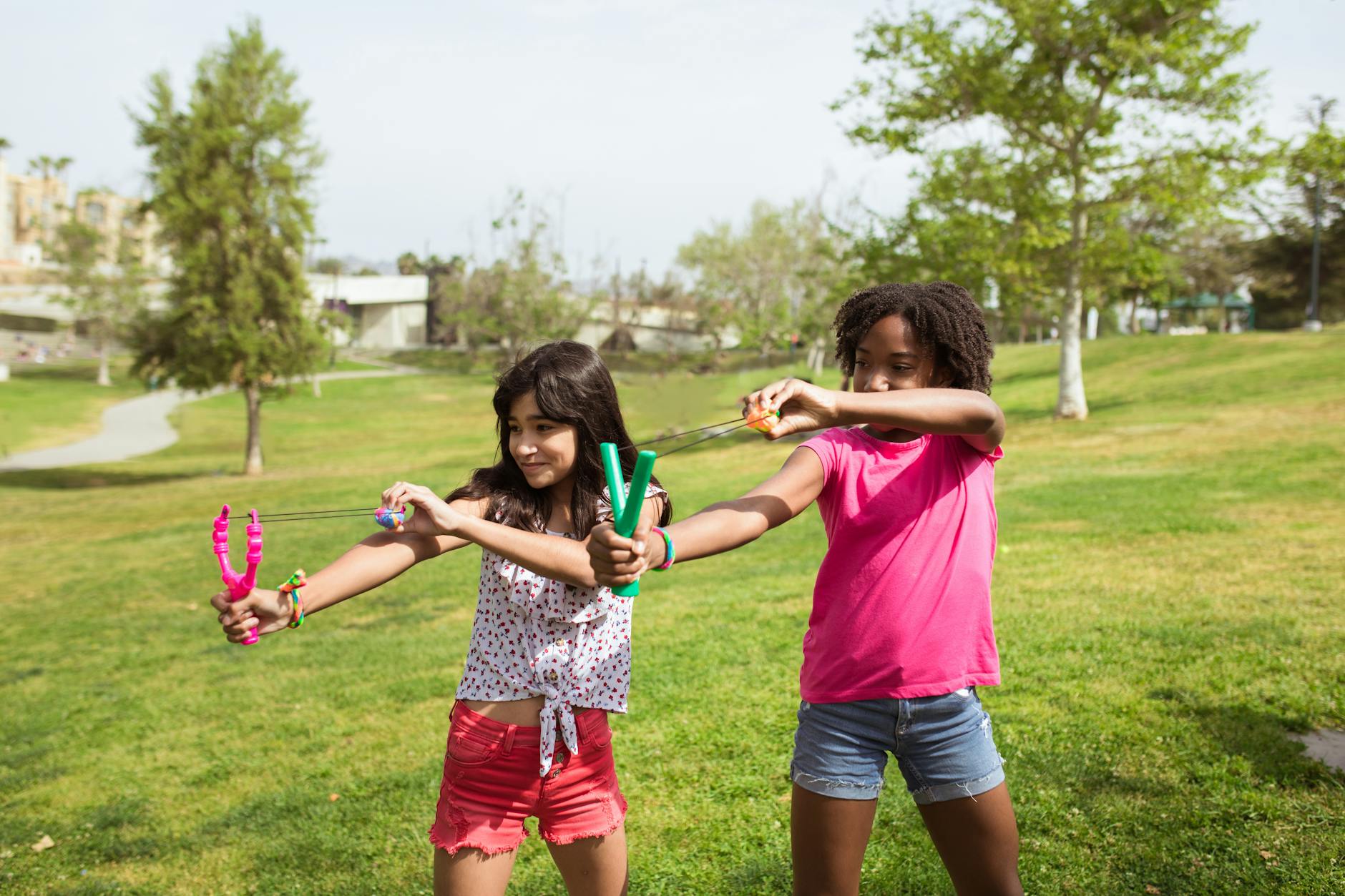
The Heart of the Matter: Overcoming Camp Fears
Let's be honest, separation anxiety camp is real. For both the child and, sometimes, the parent! It’s completely natural to feel a pang of worry when your little one is heading off into a new adventure. My own kids have had their moments, and I remember one year, my daughter, Lily, who was usually quite outgoing, was suddenly hesitant about sleepaway camp. She’d never been away from home for more than a weekend.
Understanding Separation Anxiety
This anxiety often stems from the fear of the unknown and the deep attachment children have to their primary caregivers. It's not a sign of weakness; it's a testament to the strong bonds we've built. Recognizing this can help us approach the situation with more compassion and less frustration.
I've seen families where the child is more anxious than the parent, and vice-versa! The goal is to acknowledge these feelings without letting them derail the entire experience. Talking openly about what camp will be like, the fun activities planned, and the supportive counselors available can make a world of difference. We’re not trying to dismiss their worries, but rather to equip them with a balanced perspective.
Homesickness Summer Camp: A Common Companion
Homesickness summer camp is probably one of the most talked-about challenges. It can hit anyone, at any age. It often surfaces when the initial excitement wears off and the reality of being away sets in. This is a crucial time for implementing effective camp readiness tips.
Strategies for Homesick Campers
One of the most effective strategies I’ve found is to establish a routine of communication *before* camp starts. Discuss how often letters or calls will happen, and what to do if they feel overwhelmed. This predictability can be incredibly comforting. Also, encourage them to identify a "buddy" or a trusted counselor they can talk to when they feel down.
Think about the last time you were away from home for an extended period and felt a bit lonely. What helped you? Often, it’s connecting with others and immersing yourself in new activities. We need to encourage our children to do the same. Remind them of the fun they’re having and the new friends they’re making at camp.
Building Social Skills for Camp Success
Camp is a melting pot of personalities and experiences, and it’s where children get a real-world education in camp social skills. They'll encounter kids from different backgrounds, with different interests, and they’ll need to learn how to interact effectively.
Making Friends at Camp
This is often the biggest hope for many children heading to camp. The ability to connect with peers is a fundamental aspect of child emotional development. Encouraging them to be open, to smile, and to initiate conversations are vital first steps.
I remember one summer, my son, Leo, was worried about not knowing anyone at his camp. He’s a bit shy, and the thought of walking into a room full of strangers was daunting for him. We practiced some simple "icebreaker" questions at home: "What’s your favorite sport?" or "What’s the coolest thing you’ve done this summer?" He actually used one of them with a boy on the first day, and they ended up becoming good friends for the whole session!
Proactive Friendship Building
It’s not just about waiting for friends to approach them; it’s about proactive engagement. Encourage them to join in games, offer help to others, and participate enthusiastically in group activities. These small actions can have a significant impact on their ability to forge connections. This is where the summer camp transition really starts to feel like a success.
Navigating Group Dynamics
Children will inevitably encounter situations where they need to share, compromise, and resolve minor conflicts. This is a natural part of learning to live and play cooperatively. Your role here is to empower them with strategies rather than solving every problem for them.
We want them to develop resilience, which is a cornerstone of emotional resilience children. Understanding how to bounce back from disagreements or moments of feeling left out is a skill that will serve them far beyond the summer months. The National Institutes of Health research on summer camp transition highlights how these experiences foster independence and problem-solving.
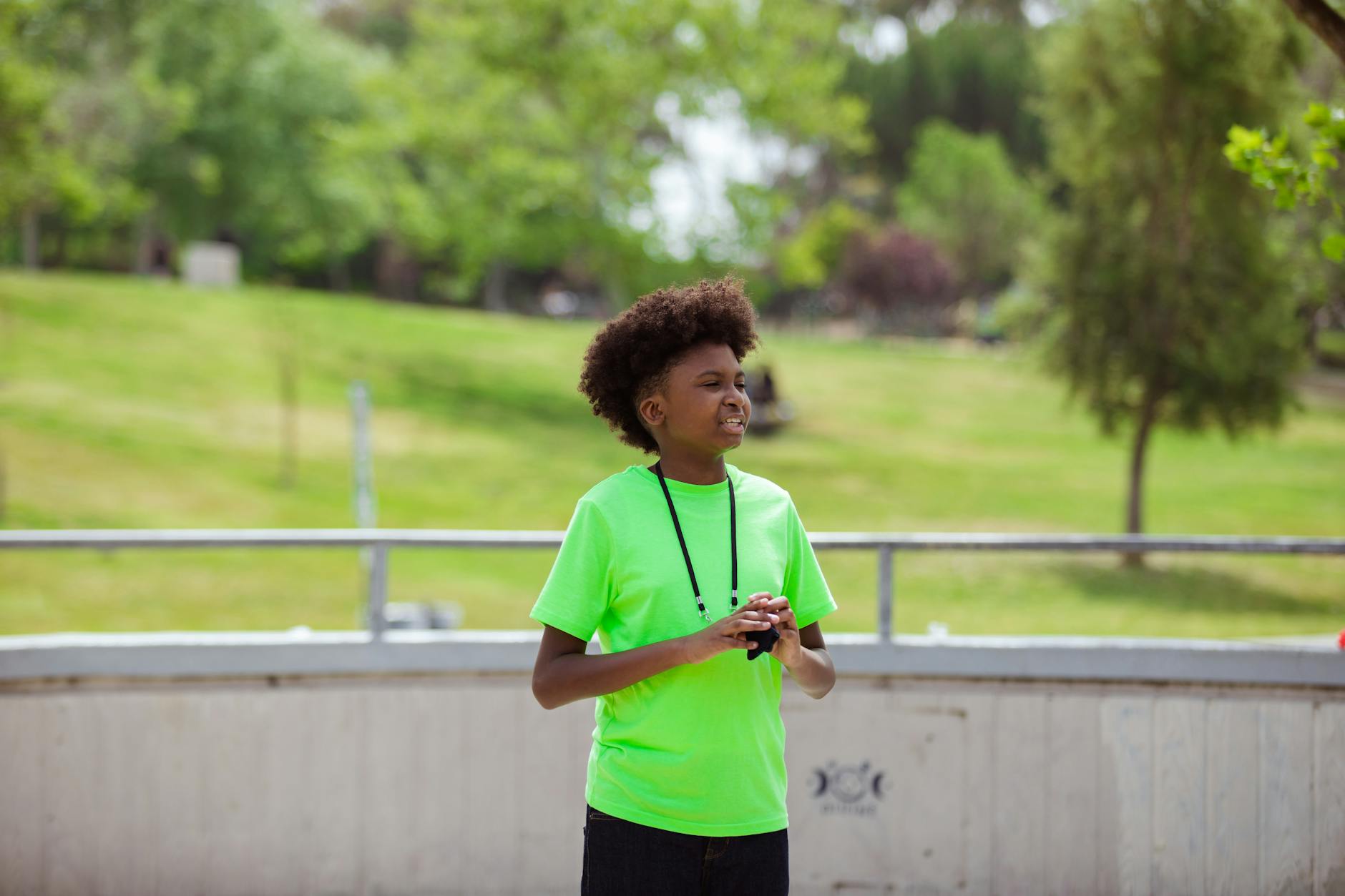
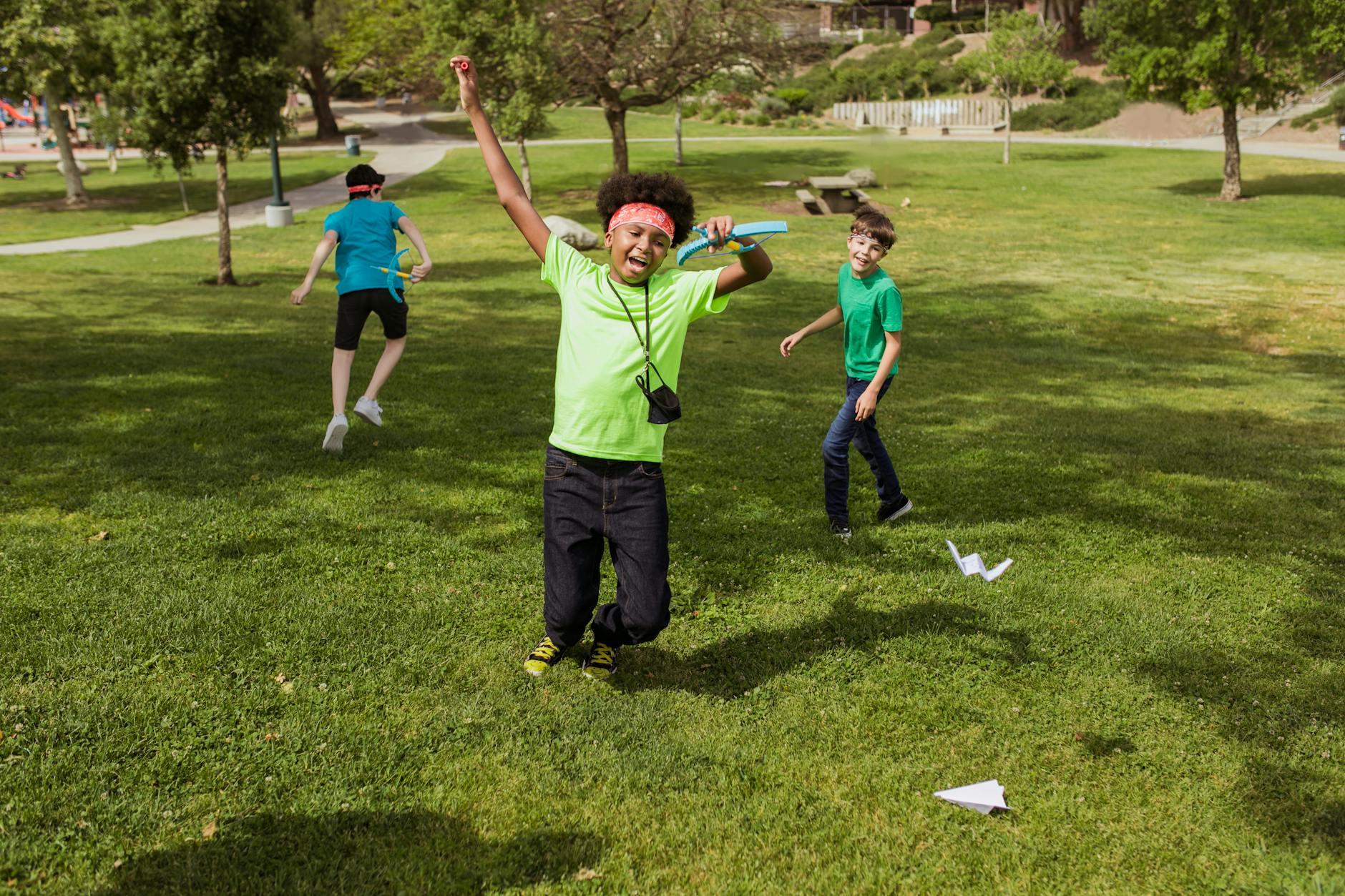
Parental Support During the Summer Camp Transition
Our support system is crucial for our children’s successful summer camp transition. It's not just about dropping them off; it's about being a consistent, reassuring presence throughout the experience.
Pre-Camp Preparations
This is where we lay the groundwork. Packing together, talking about the camp rules and expectations, and even visiting the camp beforehand if possible can demystify the experience. It’s also a good time to discuss any specific concerns your child might have. For instance, if your child has allergies, ensuring the camp is well-equipped to handle them is paramount. You can find resources on topics like Toddler Spring Allergies & Mood Swings: Expert Tips that can help you prepare for various eventualities.
I’ve found that involving them in the packing process empowers them. Let them choose their favorite pajamas or a special stuffed animal. These small comforts can make a big difference when they’re feeling a bit homesick.
During Camp: The Check-In Routine
When camp is underway, establishing a healthy check-in routine is important. This means listening more than talking, and asking open-ended questions. Instead of "Did you have fun?", try "What was the funniest thing that happened today?" or "Tell me about a new friend you met." This encourages them to share their experiences more deeply.
It's also vital to manage our own expectations and anxieties. While it’s natural to worry, projecting that worry onto our children can exacerbate their own fears. The American Psychological Association research on summer camp transition often emphasizes the positive impact of parental confidence.
Empowering Independence
Our ultimate goal is to foster independence and self-reliance. This means allowing them to navigate some of the challenges on their own, with our encouragement and support as a safety net. It’s a delicate balance, but crucial for their development. This is where the true magic of preparing kids for camp happens.
Remember, this is a journey of growth for everyone involved. The summer camp transition is a powerful opportunity for your child to discover more about themselves and the world. Embrace the adventure, trust in their resilience, and celebrate every small victory along the way. Think about the opportunities for new experiences for children that camp provides, and how these can shape their future outlook.